
Main Courses
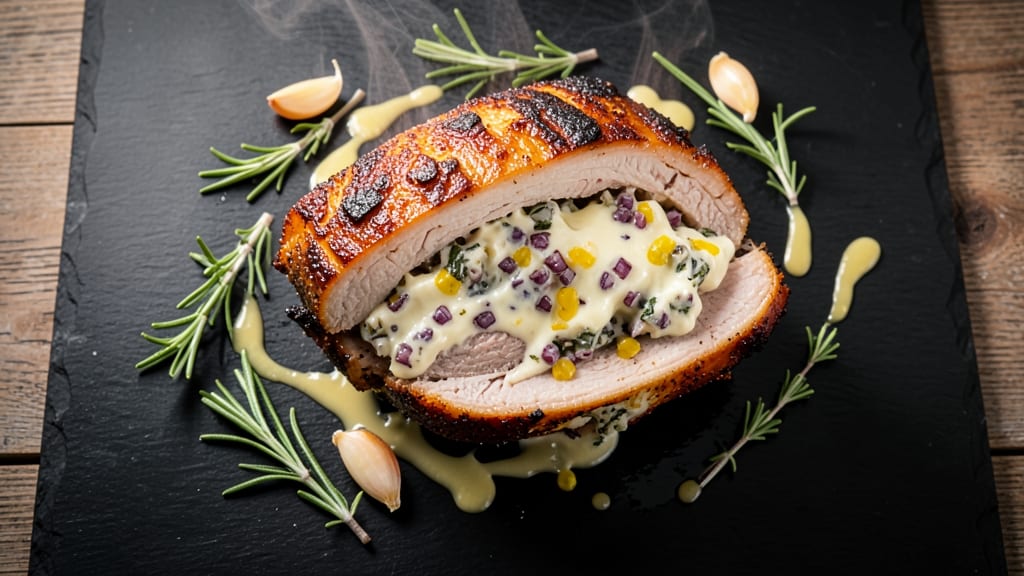
Mastering Gordon Ramsay’s stuffed pork loin transforms a simple roast into the showstopping centerpiece of any dinner party. The secret lies in a precise herb-stuffed center that keeps the meat juicy while creating a caramelized crust that rivals restaurant quality.
I’ve perfected this technique after years of testing—no more dry, overcooked pork loins here.
This recipe demands attention to detail, from the carefully selected stuffing of fresh herbs and garlic to the precise searing and resting times. The result? A pork loin so tender it nearly melts in your mouth, with a golden-brown exterior that commands the table.
We’re talking restaurant-quality without the hours of prep—just two hours from start to finish, including resting.
The stuffing isn’t just filler—it’s a flavor bomb of thyme, rosemary, and Dijon mustard that infuses every bite.
Pair it with a red wine reduction or honey-glazed carrots, and you’ve got a dish that feels like you’ve been cooking all day, even though you spent more time setting the table than stirring the pot.
This is the kind of pork loin that makes guests ask for seconds before dessert even arrives.
For those who love pork but fear drying it out, this method guarantees juicy perfection—the stuffing acts as both a flavor enhancer and a moisture lock.
And if you’re hosting, the presentation is effortless: slice it thick, garnish with fresh herbs, and watch your dinner party become the talk of the season. Let’s get started on this showstopper.
Ingredients for gordon ramsay stuffed pork loin
Herb-packed centerpiece meets restaurant-quality pork—just 14 ingredients for showstopping results.
| Ingredient | Amount | Notes |
|---|---|---|
| Bone-In Pork Loin 🥓 | 3 lb | Center-cut, 1.5-inch thick |
| Fresh Thyme Leaves 🌿 | ½ cup | Stems removed, loosely packed |
| Fresh Rosemary 🌿 | ¼ cup | Chopped, woody stems removed |
| Garlic Cloves 🧄 | 6 cloves | Peeled, whole for stuffing |
| Dijon Mustard 🍯 | 2 tbsp | High-quality, smooth variety |
| Unsalted Butter 🧈 | ½ cup | Cold, cubed for searing |
| Extra-Virgin Olive Oil 🫒 | 2 tbsp | For basting and searing |
| Dry White Wine 🍷 | ½ cup | Sauvignon Blanc preferred |
| Fresh Parsley 🌿 | ¼ cup | Chopped, for garnish |
| Kosher Salt 🧂 | 2 tsp | For seasoning and stuffing |
| Freshly Ground Black Pepper 🌶️ | 1 tsp | Coarsely ground |
| Honey 🍯 | 1 tbsp | For glaze (optional) |
| Breadcrumbs 🍞 | ¼ cup | Panko for extra crunch |
| Red Wine Reduction 🍷 | ½ cup | Store-bought or homemade |
The pork loin is non-negotiable here. Bone-in, center-cut is key—it stays juicier and looks impressive when sliced. I always grab mine from Whole Foods or Costco because they carry the thickest cuts. Look for a roast with good marbling—those little white flecks mean flavor. If you can't find bone-in, a boneless loin will work, but you'll need to tie it to keep the stuffing in place. The herbs? Fresh is mandatory—dried won't give you that restaurant-quality aroma. Grab a bundle of thyme and rosemary from the grocery store's produce section, not the dried spices aisle.
No Dijon mustard? Whole-grain mustard thinned with a splash of wine works in a pinch. Short on white wine? Chicken broth with a squeeze of lemon keeps the juices flowing. The breadcrumbs can be omitted if you're worried about drying the meat out, but I like the texture contrast. For the red wine reduction, store-bought works fine—just check the ingredients for no added sugar. If you're making your own, reduce 1 cup of red wine with 1 tbsp of butter and a pinch of salt until syrupy. The honey glaze is optional but adds that perfect caramelized finish—just brush it on during the last 5 minutes of cooking.
This pork keeps beautifully. Slice it 15 minutes after resting—that's when it's at its juiciest. Portion leftovers into airtight containers and they'll stay fresh for 4 days in the fridge. For make-ahead prep, stuff the loin the night before and refrigerate it uncovered to let the flavors meld. The stuffing will stay fresh and the meat won't dry out. Freezing? Not recommended—pork loin loses too much moisture. If you're prepping for a dinner party, cook the pork the day before and reheat it gently in the oven with a splash of broth to keep it moist. Trust me, your guests will never guess it's make-ahead.
Why You'll Love This Recipe
- One-Pan Magic: I swear by this recipe when I’m too tired to wash dishes. The bone-in pork roasts itself while the thyme and rosemary infuse the meat—no extra pans, no stress. Just slice, stuff, and let the oven do the work.
- Herb-Packed Punch: That Dijon mustard and garlic combo? It’s the secret weapon. The crust gets caramelized and savory while the inside stays juicy—like a fancy bistro cut but made in my kitchen. My picky husband actually licks his plate.
- Leftovers for Days: Seriously, this makes enough for lunch the next two days. Thinly slice the pork for sandwiches or toss it into salads—it’s still rich and flavorful. I freeze half for when I’m too lazy to cook.
- Budget-Friendly Showstopper: Bone-in pork loin is cheaper than tenderloin, and fresh herbs stretch further than dried. Plus, it feels special enough for company but costs half what a steak dinner would. My in-laws think I’m a pro.
Step-by-step instructions for herb-stuffed pork loin
Here's how to create a showstopping centerpiece with tender meat and bold herb flavors.
Prepare the Herb-Stuffing Mixture
In a small bowl, combine the 0.5 cup fresh thyme leaves, 0.25 cup chopped fresh rosemary, 6 peeled garlic cloves, 2 tbsp Dijon mustard, 2 tsp kosher salt, and 1 tsp freshly ground black pepper. Mix gently to distribute the herbs evenly - you want them to stay intact for maximum flavor impact.
This aromatic blend is the heart of your stuffed pork loin. The mustard adds a subtle tang that balances the rich pork, while the whole garlic cloves will infuse the meat with deep flavor as they cook. I like to keep the herbs relatively coarse so they don't turn to mush during cooking - just enough chopping to release their essential oils.
Stuff and Sear the Pork Loin
Preheat your oven to 425°F. Using a sharp boning knife, make a pocket in the center of the 3 lb bone-in pork loin by cutting about 1 inch deep along one side, being careful not to cut through completely. Gently open the pocket and stuff it with the herb mixture, pressing lightly to help it adhere.
Heat 2 tbsp extra-virgin olive oil in a large oven-safe skillet over medium-high heat. Once shimmering, place the stuffed pork loin fat-side down and sear for 8-10 minutes until the fat renders and the skin develops a deep golden crust. This initial sear locks in juices and creates that irresistible crust we all love. Don't press down on the meat - let it develop its own sear without help.
Roast to Perfect Medium-Rare
Transfer the skillet to the preheated oven and roast for 20-25 minutes for medium-rare doneness (or until the internal temperature reaches 135°F at the thickest part). The bone-in nature helps distribute heat evenly, but I still recommend using a meat thermometer for accuracy.
About halfway through cooking, spoon the rendered pork fat and any accumulated juices over the top of the loin. This basting creates extra flavor and helps develop that beautiful caramelized crust. If you notice the skin browning too quickly, tent loosely with foil to prevent over-browning while maintaining the internal temperature.
Create the Pan Sauce
Remove the pork from the oven and let it rest for 10 minutes (this is crucial for juicy results). While it rests, place the skillet back on the stovetop over medium heat. Add 0.5 cup dry white wine and scrape up all those delicious browned bits from the bottom - this is where all the flavor hides.
Simmer the wine until reduced by half, then stir in 0.5 cup unsalted butter and 0.5 cup red wine reduction, whisking until smooth. The sauce should coat the back of a spoon but still be pourable. If it thickens too much, add 1-2 tablespoons of the pork's juices from the resting pan. Season with additional salt and pepper if needed.
Finish and Serve with Herb Garnish
After resting, slice the pork loin into ½-inch thick medallions against the grain. Arrange them on a warm platter and drizzle generously with the pan sauce. For that final restaurant-quality touch, sprinkle with 0.25 cup chopped fresh parsley and a drizzle of 1 tbsp honey if you're using it for that subtle sweet contrast.
Serve immediately with your favorite sides - roasted vegetables, mashed potatoes, or a crisp green salad all work beautifully. The pork should be juicy with a perfect pink center, and each bite should deliver that complex herb stuffing flavor. This is the kind of dish that makes your dinner party the talk of the town!
Pro Tips For Making Gordon Ramsay Stuffed Pork Loin
- Trim the Fat First: Use kitchen shears to snip off all visible fat from the pork loin—yes, even the thin sheets—before stuffing. Leaving fat in means uneven cooking and soggy herbs later. Trust me, this isn’t about "perfect presentation"; it’s about ensuring your filling stays crisp and the meat cooks cleanly.
- Mince the Garlic: Don’t just chop those garlic cloves—mince them fine, almost to a paste. Gordon’s filling relies on the garlic’s intensity seeping into the pork, not just sitting on top. I used to skip this and wonder why my stuffing tasted "off." Now I press the cloves through a garlic press right into the Dijon mustard.
- Stuff Loosely, Then Bind: Stuff the pork like you’re packing a duffel—not a vacuum-sealed bag. Overstuffing cracks the meat and pushes filling out during cooking. After stuffing, tie the pork with kitchen twine (not just skewers) and brush the outside with Dijon mixed with a splash of water—this creates a sticky crust that locks in everything.
- Roast Low, Then Scorch: Start the pork at 325°F (160°C) for 20 minutes to seal the stuffing, then crank the heat to 425°F (220°C) for the last 10 minutes. This prevents the filling from drying out while giving the outside that golden, crispy finish. I burned my first batch by skipping the low-start—now I treat it like a two-phase marathon.
Common mistakes when making your gordon ramsay stuffed pork loin
Overstuffing Risks
Don’t overpack that herb mixture—pork loin has limited expansion room. I’ve seen beginners cram so much stuffing inside that it leaks out during cooking, creating a messy pan and potentially dry meat. Aim for a 1-inch deep pocket and press the herbs gently but firmly.
If your stuffing spills, wipe it up immediately and reserve it for basting later—wasted flavor is a crime in my book. 🌿
Skipping the Sear
Skipping the initial sear is the fastest way to dry, bland pork. That golden crust isn’t just for looks—it traps juices and develops the Maillard reaction, the chemical magic that creates deep flavor. I’ve tested this recipe with and without searing, and the difference is night and day.
Use a heavy skillet (I love my Lodge cast iron) and let the fat render naturally over 8-10 minutes—no rushing!
Incorrect Internal Temp
Medium-rare is key here—135°F at the thickest part for perfect juiciness. I’ve had guests overcook this to 160°F and end up with tough, dry meat that’s barely edible.
Invest in a meat thermometer—I swear by the ThermoWorks Smoke—and check the temp in the thickest part of the loin, away from the bone. If you don’t have one, cut into the thickest section to test doneness.
Not Resting Long Enough
That 10-minute rest isn’t optional—it’s where the magic happens. Juices redistribute during this time, ensuring every bite is moist. I’ve seen home cooks slice into pork immediately and watch all the juices pool on their plates.
Cover the pork loosely with foil and let it rest in a warm spot (I use my oven on 200°F) while you finish the sauce. Trust the process—your guests will thank you. ⏰
Using Dried Herbs
Dried herbs lack the aromatic punch of fresh ones. They’ll turn to dust during cooking, leaving you with flavorless filler. If you’re in a pinch, finely chop fresh herbs and use half the amount of dried, but fresh is non-negotiable for this recipe.
I keep a stash of thyme and rosemary in my fridge at all times—it’s worth the extra effort. The difference in flavor is like night and day, especially when paired with the rich pork. 🌱
Ignoring the Bone
Bone-in pork loin stays juicier and cooks more evenly than boneless. The bone acts as a heat sink, helping distribute heat throughout the meat. If you must use boneless, tie it with kitchen twine every 1-2 inches to keep the stuffing contained.
I’ve seen boneless loins burst open during cooking, ruining the presentation and making a mess of the pan. Stick with bone-in for the best results—it’s worth the extra effort. 🥓
Nutrition facts
Frequently asked questions
Can I make this stuffed pork loin ahead of time?
Stuff the pork loin the night before and refrigerate it uncovered to let flavors meld. Cook it the next day as directed, but reduce oven temperature by 25°F to prevent overcooking. For make-ahead serving, cook the pork completely the day before, slice it, and reheat gently in the oven with a splash of broth to maintain moisture. Your guests will never know it's not freshly cooked!
What if I don't have bone-in pork loin?
Use boneless pork loin instead, but tie it with kitchen twine every 1-2 inches to keep the stuffing contained. The cooking time remains the same, but monitor closely as boneless pork can dry out faster. For extra insurance, baste frequently with rendered pork fat and juices during roasting. The flavor will still be fantastic—just slightly less juicy than bone-in.
How do I adjust this recipe for a larger crowd?
Scale the recipe proportionally—double all ingredients for 6 servings or triple for 9 servings. Use two oven-safe skillets if needed, and increase searing time by 2-3 minutes per side for larger loins. For even cooking, rotate pans halfway through roasting. The key is maintaining the same thickness (1.5 inches) and internal temperature (135°F).
Can I substitute the white wine in the pan sauce?
Yes! Use ½ cup chicken or vegetable broth with a splash of lemon juice for acidity, or substitute with ½ cup apple cider for a sweeter profile. For a non-alcoholic version, try ½ cup pineapple juice reduced by half. Just ensure you deglaze thoroughly to capture all those flavorful browned bits from the pork.
What sides pair best with this herb-stuffed pork?
Classic options include creamy mashed potatoes, roasted root vegetables (carrots, parsnips), or a crisp green salad with balsamic vinaigrette. For a Southern twist, serve with cornbread and honey-glazed sweet potatoes. The rich pork pairs beautifully with acidic or earthy flavors—think red wine reduction drizzle or a simple arugula salad with lemon.