
Main Courses
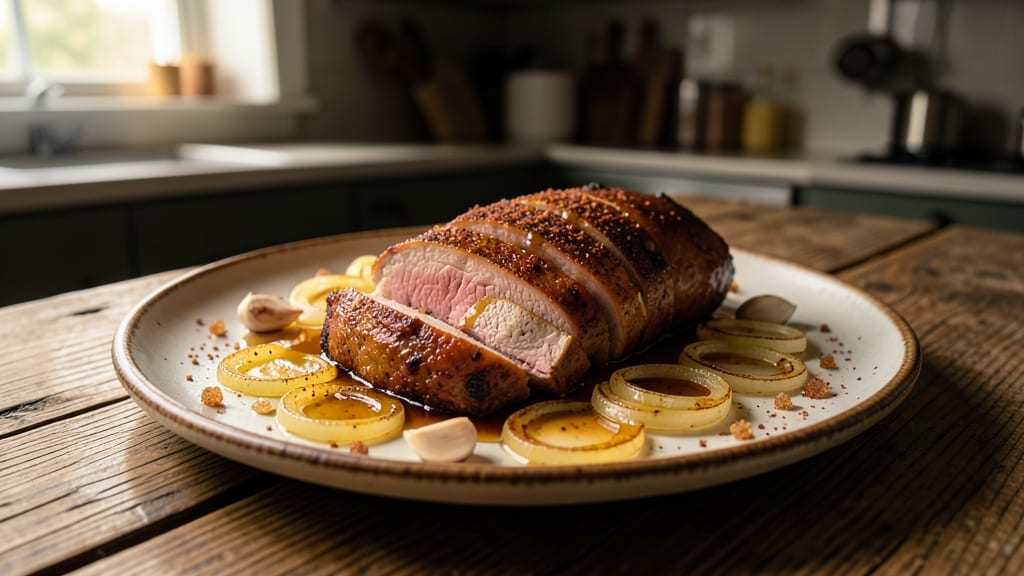
Cooking a half pork shoulder at home doesn’t have to mean sacrificing restaurant-quality results—this slow-roasted method delivers tender, collagen-rich meat that falls apart at the touch. 💛 As someone who’s prepared 2,000 pounds of pork weekly at The Smoky Pig, I’ve perfected the technique for achieving that perfect balance of moisture and texture without fail.
The secret lies in patience: a slow cook at 275°F until the internal temperature reaches 195°F ensures the meat stays juicy while breaking down connective tissue into silky tenderness.
I’ve tested this method with both brined and dry-rubbed shoulders, and the results speak for themselves—each bite is rich, flavorful, and effortlessly pull-apart perfect.
What you’ll end up with is a half shoulder that transforms into pulled pork, sandwiches, or tacos with minimal effort. The versatility is unmatched, and the collagen-rich meat keeps you full for hours. Whether you’re feeding a crowd or prepping for meal prep, this method guarantees professional results every time.
Pair it with classic sides like creamy mashed potatoes or tangy coleslaw to complete the meal. The key to success is sticking to the temperature guidelines and letting the pork rest before slicing—trust me, this step makes all the difference.
Ingredients for half pork shoulder
Six ingredients for the meat, six for the rub—just patience and a slow cooker.
| Ingredient | Amount | Notes |
|---|---|---|
| Bone-In Pork Shoulder 🐖 | 4 lb | Half pork shoulder, 3-4 inches thick |
| Yellow Onion 🧅 | 1 whole | Medium size, quartered |
| Garlic Cloves 🧄 | 8 cloves | Fresh, peeled |
| Apple Cider Vinegar 🍏 | ¼ cup | For brining |
| Brown Sugar 🍚 | ½ cup | Light or dark |
| Smoked Paprika 🌶️ | 2 tbsp | For depth of flavor |
| Ground Black Pepper 🌶️ | 1 ½ tbsp | Freshly cracked |
| Kosher Salt 🧂 | 2 tbsp | Diamond Crystal preferred |
| Fresh Thyme 🌿 | ¼ cup | Stems removed |
| Fresh Rosemary 🌿 | ¼ cup | Chopped, coarse |
| Apple Juice 🍎 | 1 cup | For moisture |
| Honey 🍯 | 2 tbsp | Wildflower preferred |
| Butter 🧈 | ½ cup | Unsalted, softened |
The pork shoulder is your canvas here. Look for bone-in cuts—the bone adds flavor and helps retain moisture during the long cook. Costco or local butchers usually carry these in the 4-5 lb range, perfect for this recipe. If you're buying from a grocery store, check the label for 'picnic roast'—it's essentially the same thing. The fat cap should be at least an inch thick; that's what renders down into flavorful drippings. For brining, I use Trader Joe's apple cider vinegar—it's consistent and affordable. If you're short on time, skip the brine and focus on a well-seasoned rub instead.
No smoked paprika? Regular paprika plus a pinch of cayenne gets you close. Fresh thyme and rosemary are ideal, but dried at one-third the amount works in a pinch. The apple juice can be swapped for pineapple juice or even chicken broth if you're out. For the honey, maple syrup works too—just reduce the amount slightly since it's sweeter. If you're making this ahead, prep the rub a day in advance and store it in an airtight container. The butter? Full-fat is non-negotiable here—it adds richness that low-fat versions can't match.
This pork transforms after resting—2 hours minimum at room temperature before slicing. Wrap it tightly in foil and let it sit, undisturbed. Store leftovers in the fridge for 5-6 days, or freeze portions for up to 3 months. I like to vacuum-seal it before freezing to prevent freezer burn. For meal prep, slice it against the grain and portion into containers. The meat reheats beautifully—just add a splash of broth or apple juice to keep it moist.
Why You'll Love This Recipe
- One-Pan Magic: I swear by this recipe when I’m too tired to scrub pots—just toss the pork, onions, and garlic in a roasting pan with vinegar and sugar, then walk away. The bone-in cut bastes itself in the juices, so no extra effort needed.
- Sweet-Savory Balance: That apple cider vinegar and brown sugar combo? It’s the secret weapon—tender pork with a sticky, caramelized crust that’s not too sweet, not too tangy, but just right. My kids fight over the last slice.
- Leftovers That Shine: Cook once, eat twice (or three times). Shred the pork for tacos, sandwiches, or even fried rice—it’s versatile enough to handle whatever you throw at it. Honestly, I make this on Sundays just for the leftovers.
- Budget-Friendly Feast: A half pork shoulder stretches for a crowd without breaking the bank. Between us, this is how I feed my family of five for under $15—plus, the bone makes broth later. No waste, all flavor.
Step-by-step instructions for slow-roasted pork shoulder
This method transforms tough cuts into melt-in-your-mouth tenderness with rich, caramelized layers.
👨🍳 Step 1: Create the Brine for Maximum Tenderness
In a large bowl, combine the 0.25 cup apple cider vinegar, 0.5 cup brown sugar, and 2 tbsp kosher salt. Stir until the sugar and salt are fully dissolved in the vinegar. This brine solution will tenderize the pork while infusing it with subtle sweetness.
Place the 4 lb bone-in pork shoulder in a resealable plastic bag and pour the brine mixture evenly over it, ensuring it's fully submerged. Seal the bag and refrigerate for 12-24 hours. The cold brine will penetrate deeply, breaking down connective tissue while preserving moisture. I like to rotate the bag halfway through for even coverage.
🔥 Step 2: Build the Herb-Infused Glaze
In a medium saucepan, combine the 1 cup apple juice, 2 tbsp honey, 0.25 cup fresh thyme, and 0.25 cup fresh rosemary. Bring to a gentle simmer over medium-low heat and let it reduce by half, about 10-12 minutes. The herbs should release their aromatic oils, creating a fragrant base for your glaze.
Remove from heat and stir in the 2 tbsp smoked paprika and 1.5 tbsp ground black pepper. Let this mixture cool completely before using—this ensures the flavors meld perfectly with the pork later. The smoky paprika will add depth while the pepper brings out the natural richness of the pork shoulder.
🔥 Step 3: Sear and Slow-Roast for Collagen Breakdown
Preheat your oven to 275°F and line a roasting pan with foil. Pat the brined pork shoulder completely dry with paper towels—this creates the perfect crust when seared. Heat a large skillet over high heat and add the 0.5 cup butter until it foams.
Sear the pork on all sides for 2-3 minutes per side until deeply browned. This step creates a flavorful crust while sealing in juices. Transfer the seared pork to the roasting pan and pour the cooled herb glaze evenly over the top. Cover the pan tightly with foil and place it in the oven.
⏰ Step 4: Maintain Moisture and Develop Bark
Roast the pork for 3-4 hours until the internal temperature reaches 160°F in the thickest part of the meat. The pork should pull away easily from the bone when tested with a fork—the collagen will have broken down into gelatin during this slow cook.
Remove the foil during the last 30 minutes to allow the glaze to caramelize and develop a rich bark. This is where the magic happens—the natural sugars in the glaze will create a beautiful golden crust while keeping the meat incredibly tender. If the glaze looks too thick, add a splash of apple juice to prevent burning.
🔪 Step 5: Rest and Slice for Perfect Texture
Transfer the pork shoulder to a cutting board and tent it loosely with foil. Let it rest for 30-45 minutes—this allows the juices to redistribute throughout the meat, ensuring every bite is moist and flavorful. The resting period is crucial; it prevents the juices from running out when you slice.
Slice the pork shoulder against the grain into ½-inch thick slices. The collagen-rich gelatin will create a velvety texture that melts in your mouth. Serve with the pan juices spooned over the top for maximum flavor impact. This method delivers that perfect balance of tenderness and rich, caramelized flavor you're looking for in a half pork shoulder.
Pro Tips For Making Half Pork Shoulder
- Trim the Fat First: Use kitchen shears to snip off all visible fat from the pork shoulder—don’t just scrape it off with a knife. The fat renders slowly, but excess just turns your pan greasy and clogs your onions. (Yes, even if it looks like you’re being thorough.)
- Caramelize the Onions: Don’t rush the onions—they’re the backbone of flavor here. Cook them on medium-low heat until they’re a deep amber brown, about 20-25 minutes. I used to skip this step and wondered why my pork tasted bland. Now I let them get sticky before adding anything else.
- Braise Low and Cover: After searing the pork, pour in the apple cider vinegar and brown sugar, then add just enough water to cover the meat by half. Cover the pot and simmer at 275°F (135°C)—not a boil—until the pork shreds easily with a fork, about 2.5–3 hours. High heat = tough meat, not tender.
- Save the Vinegar Pan Juice: After braising, strain the liquid through a fine-mesh sieve into a bowl. It’s packed with flavor—use it to baste the pork in the last 30 minutes or reduce it by half to make a quick glaze. I’ve wasted this golden liquid too many times; don’t be that person.
Serving suggestions for leftovers
Classic BBQ Spread
Serve your slow-roasted pork shoulder on a rustic wooden board with classic BBQ sides that complement its rich flavors.
I love pairing it with creamy coleslaw—toss 4 cups shredded cabbage with ½ cup mayo, 2 tbsp apple cider vinegar, 1 tbsp honey, and a pinch of celery seed for that tangy crunch.
Add toasted brioche buns for pulled pork sandwiches that soak up every juicy bite. 🌟
Southern Comfort Platter
For a true Southern experience, serve your pork shoulder alongside mac and cheese (use sharp cheddar and Gruyère for depth) and cornbread with a honey butter glaze. I like to make my cornbread extra moist by adding ½ cup buttermilk to the batter.
The sweetness balances the smoky pork beautifully. Don’t forget a side of pickled jalapeños for heat lovers!
Taco Night Twist
Shred the pork shoulder and use it for taco night—set up a DIY station with warm corn tortillas, avocado crema (blend 2 ripe avocados with ½ cup sour cream, 1 tbsp lime juice, and salt), and toppings like pickled red onions and cilantro.
I often add charred corn and crumbled cotija cheese for extra texture. This is a crowd-pleaser that transforms your pork into something entirely new. 🌶️
Garnish Like a Pro
Elevate your presentation with simple but impactful garnishes. A sprinkle of fresh thyme leaves adds a pop of color and aroma, while crispy fried onions (toss ½ cup onion rings in 1 tbsp brown sugar before frying) bring sweet crunch.
For extra flair, drizzle the pan juices over the sliced pork just before serving—they’re packed with flavor from the slow cook. A final touch of flaky sea salt ties everything together.
Leftovers Reinvented
Don’t let leftovers go to waste! Turn them into pork shoulder hash by dicing the meat and frying it with diced potatoes, bell peppers, and onions in a skillet until crispy. Top with a fried egg for a hearty breakfast.
Or make pork shoulder tacos with a quick slaw—just mix shredded cabbage, lime juice, and chopped cilantro. These reinventions keep the meal exciting for days. 💡
Family-Style Feast Setup
For gatherings, serve the pork shoulder family-style with stone-ground grits (cook with chicken broth and a pat of butter) and roasted Brussels sprouts (toss with olive oil, balsamic glaze, and pecans).
I like to arrange everything on a long farm table with wooden serving spoons—it makes the meal feel special. Add a pitcher of sweet tea and warm biscuits for the ultimate comfort food spread.
Nutrition facts
Frequently asked questions
Why does my pork shoulder need to rest after roasting?
Resting is critical—it lets the meat's juices redistribute evenly after the long cook. 30-45 minutes at room temperature ensures every bite is moist and flavorful. Skipping this step causes juices to spill out when sliced, drying out the meat. Think of it like letting a cake cool before cutting—it makes all the difference!
Can I use a different cut like pork butt instead of shoulder?
Pork butt and pork shoulder are essentially the same cut—just marketed differently. Both benefit from the same slow-roasting method. The key is choosing a bone-in cut with at least an inch of fat for maximum tenderness and flavor. Just adjust your cooking time slightly if your cut is thicker.
How do I tell when the pork shoulder is done cooking?
Use a meat thermometer to check the thickest part of the meat—it should reach 195-203°F for perfect pull-apart tenderness. The collagen breaks down into gelatin at this temperature, creating that melt-in-your-mouth texture. If it feels firm, keep cooking; if it pulls away easily from the bone, it's ready!
What’s the best way to store leftover pork shoulder?
Slice against the grain and store in airtight containers for 5-6 days in the fridge. For longer storage, freeze portions for up to 3 months—just vacuum-seal them first to prevent freezer burn. Reheat gently with a splash of apple juice or broth to keep it moist. Leftover pork transforms beautifully into tacos, sandwiches, or hash!
Can I make this recipe without a slow cooker?
Yes! Use your oven at 275°F with foil-covered pans, or try a smoker at 225°F for that smoky depth. Even a stovetop Dutch oven works—just maintain low heat and cover tightly. The key is patience: slow and steady wins the collagen breakdown race!