
Main Courses
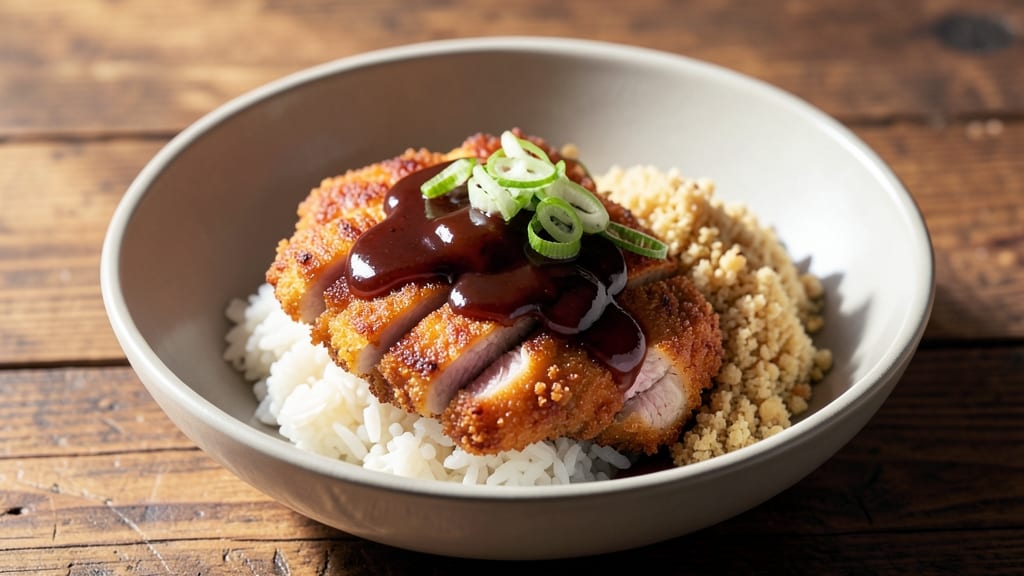
This HelloFresh pork katsu recipe delivers that perfect balance of golden, shatteringly crisp breading and silky, juicy pork inside—just like your favorite Japanese restaurant. 🌟 After years of perfecting this technique, I’ve developed a method that ensures every cutlet emerges from the fryer with that coveted crunch while keeping the meat tender.
The secret lies in double-frying and a precise breading ratio that locks in moisture.
This recipe transforms simple pork cutlets into a restaurant-worthy dish with minimal fuss. You’ll need just five key ingredients for the breading—pork cutlets, flour, cornstarch, eggs, and panko—and a homemade tonkatsu sauce that’s richer than store-bought versions.
The process is straightforward, but the technique ensures foolproof results every time, even for beginners.
By the time you plate these cutlets with shredded cabbage and steamed rice, you’ll have a meal that’s crispy on the outside, tender on the inside, and dripping with that signature silky sauce.
The aroma alone will have everyone at the table asking for seconds. This is comfort food elevated to fine-dining standards.
Serve with pickled vegetables or a simple side salad to round out the meal. The crispy texture holds up beautifully, making it perfect for sharing or meal prepping. Let’s get started on creating your perfect pork katsu experience.
Ingredients for hellofresh pork katsu
Five key ingredients transform simple pork into restaurant-style crispy katsu perfection.
| Ingredient | Amount | Notes |
|---|---|---|
| Boneless Pork Loin Chops 🥩 | 1 ½ lb | 1-inch thick, pounded even |
| All-Purpose Flour 🌾 | 1 cup | For dredging, sifted |
| Cornstarch 🌾 | ½ cup | Light and fluffy texture |
| Large Eggs 🥚 | 2 whole | Room temperature, beaten |
| Japanese Panko Breadcrumbs 🍞 | 2 cups | Extra-fine for crispiness |
| Vegetable Oil 🫒 | 3 cups | High smoke point |
| Green Cabbage 🥬 | 4 cups | Shredded, thinly sliced |
| Tonkatsu Sauce 🍶 | ¾ cup | Homemade or quality store-bought |
| Salt 🧂 | 1 ½ tsp | Kosher or sea salt |
| Black Pepper 🌶️ | ½ tsp | Freshly ground preferred |
| Worcestershire Sauce 🍶 | 1 tbsp | For tonkatsu sauce |
| Dijon Mustard 🍯 | 1 tsp | For tonkatsu sauce |
| Ketchup 🍅 | 2 tbsp | For tonkatsu sauce |
| White Vinegar 🍶 | 1 tbsp | For tonkatsu sauce |
| Granulated Sugar 🍬 | 1 tbsp | For tonkatsu sauce |
The pork loin chops are non-negotiable—bone-in would work too, but boneless keeps prep simple. Costco or Whole Foods usually carry the best quality, but any butcher section will do. Look for chops that are at least 1-inch thick—thinner ones dry out. Pound them to even thickness with a meat mallet (or roll a heavy pan over them). The Japanese panko is a game-changer—Trader Joe's sells it for cheap and it's worth every penny. Regular breadcrumbs won't give you that shatteringly crisp crust. For the cabbage, green or purple both work, but avoid pre-shredded bags—they're usually wilted and tough.
No panko? Crush plain bread into fine crumbs as a last resort—it won't be as crispy. Running out of cornstarch? Arrowroot powder at 1:1 ratio works perfectly. For the tonkatsu sauce, Hellmann's mayo is my go-to base—it's creamy without being too heavy. The Worcestershire sauce adds that signature umami depth, so don't skip it. If you can't find Japanese panko, Italian-style panko is the next best thing. For the oil, vegetable or canola both work—just avoid olive oil, which burns too easily. The cabbage can be prepped ahead and stored in the fridge for 3 days (it actually tastes better the next day).
This sauce keeps for 5 days in the fridge, but the katsu is best served fresh. Double-frying is key—first fry at 325°F to cook through, then 375°F for crispiness. Keep the fried cutlets warm in a 200°F oven while you finish the batch. The cabbage stays crunchy if you toss it with a tiny bit of oil and store it in a sealed container. These reheat beautifully—350°F for 10 minutes revives that crispy magic. Make extra sauce—it's perfect on burgers or fries too!
Why You'll Love This Recipe
- No-Fuss Crispy Magic: The panko crust turns golden in minutes—no fancy rolling or shaping. Just pound the chops, dip them in that flour-cornstarch mix, and let the egg and panko work their magic. Honestly, I’ve made katsu before where the breading fell apart mid-fry, but this combo? Locks in every time.
- Crunch-Meets-Tender Payoff: That first bite—crispy panko shattering over juicy pork—is my kind of satisfaction. The cornstarch in the flour coating gives it an extra snap, while the pork stays tender inside. (Yes, even on a Tuesday night when I’m too tired to overthink dinner.)
- Weeknight to Date Night: Same recipe, totally different vibes. Slap these on the table with store-bought tonkatsu sauce and steamed rice for a lazy night in, or dress them up with a miso glaze and pickled veggies for when company’s over. The chops are forgiving—no one will guess they’re pork loin, not cutlets.
- Leftovers That Still Win: Fry up extra and stash them in the fridge—they reheat beautifully in a skillet or air fryer. Between us, I’ve had these cold the next day wrapped in a tortilla with spicy mayo, and my kids still begged for more. Budget-friendly? Absolutely. But more importantly, it’s the kind of meal that doesn’t feel like a repeat.
Step-by-step instructions for crispy pork katsu cutlets
Here's how to create that legendary crispy exterior with a juicy interior—every time.
🍳 Step 1: Prep and Bread the Pork Chops
Start by pounding the 1.5 lb boneless pork loin chops to an even ½-inch thickness between two sheets of plastic wrap. This ensures even cooking and maximum crispiness. Pat dry with paper towels—moisture is the enemy of that perfect golden crust.
In a shallow dish, whisk together the 1 cup all-purpose flour and 0.5 cup cornstarch. Season with 1.5 tsp salt and 0.5 tsp black pepper. Dredge each chop in this mixture, pressing gently to adhere. Shake off any excess—you want a light, even coating, not a thick layer.
Beat the 2 whole large eggs in another shallow dish until just combined. Dip each floured chop into the eggs, letting excess drip off. Finally, press each into the 2 cups Japanese panko breadcrumbs, coating completely. Place on a wire rack and let rest for 5 minutes—this helps the breading adhere better before frying.
🔥 Step 2: Fry to Golden Perfection
Heat 3 cups vegetable oil in a deep skillet or Dutch oven to 350°F. Use a thermometer—this temperature is critical for crispy results without burning. Fry the chops in batches (don't overcrowd) for 3-4 minutes per side until deep golden brown and cooked through to an internal temperature of 145°F. You'll know they're ready when the breading releases easily and the meat springs back when pressed.
Transfer fried chops to a paper towel-lined plate to drain excess oil. Keep warm in a 200°F oven while you fry the remaining batches. Here's the thing—if you skip the oil temperature check, you'll end up with greasy, soggy breading instead of that glorious crunch.
🥘 Step 3: Assemble the Tonkatsu Sauce
In a saucepan, combine the 0.75 cup tonkatsu sauce (if using store-bought) or the homemade version made with 1 tbsp Worcestershire sauce, 1 tsp Dijon mustard, 2 tbsp ketchup, 1 tbsp white vinegar, and 1 tbsp granulated sugar. Simmer over medium heat for 5 minutes until slightly thickened. Taste and adjust seasoning if needed—this sauce should be sweet, tangy, and perfectly balanced.
While the sauce simmers, shred the 4 cups green cabbage into thin strips. Blanch in boiling water for 1 minute, then drain and plunge into ice water to stop cooking. This keeps the cabbage crisp for your perfect katsu side.
🍽️ Step 4: Serve with Crispy Perfection
Slice each pork chop diagonally into ½-inch thick pieces. Arrange on a plate and drizzle generously with the warm tonkatsu sauce. The contrast of crispy breading with that silky sauce is what makes this dish amazing.
Serve immediately with the blanched cabbage on the side. The sauce should coat every bite, creating a perfect balance of sweet, tangy, and savory flavors. And here's the secret—don't skip the resting step! Let the chops sit for 2 minutes after frying before slicing, or you'll lose that perfect crunch.
Pro Tips For Making Hellofresh Pork Katsu
- Thicken the Batter First: Whisk the flour, cornstarch, and eggs together before adding the pork—this creates a proper slurry that clings to the meat like glue. I used to dump everything raw into the pan, and half the batter dribbled away like a sad little puddle. Trust me, this isn’t just for show; it’s how you get that even, crispy coating.
- Pat Dry, Then Salt: After pounding the pork to even thickness, immediately pat it dry with paper towels—then generously salt both sides. The cornstarch in the flour mix needs salt to bloom, and a damp surface means a steamed, not fried, crust. (Yes, even if your pork looks like it’s crying.)
- Fry in Batches: Skip the crowding—overloading the pan turns your pan into a steamer, not a sizzling oven. Two chops max per batch, and let them really crisp (3–4 minutes per side) before moving them to a wire rack. Your future self will thank you when you don’t have to scrape burnt bits off the pan.
- Double-Dredge Like a Pro: After the first egg wash, let the pork sit for 2 minutes—this lets the flour stick properly. Then dip again in egg, then panko, and press the breadcrumbs firmly onto the surface. I used to skip this step, and my katsu looked pretty but tasted like a soggy sandwich. This isn’t optional.
Make-ahead tips for hellofresh pork katsu
Prep Ahead for Crispy Cutlets
I always prep the pork chops and breading station the night before—this saves 30 minutes on the day of cooking. Pound the 1.5 lb pork loin chops to ½-inch thickness and store them in the fridge, covered with plastic wrap.
The cornstarch-flour mixture and beaten eggs can sit in separate containers for up to 24 hours—just whisk them again before using. The key is keeping everything cold until frying. ❄️
Breading Components
Separate the 2 cups panko breadcrumbs into two portions: 1 cup for the initial breading and 1 cup for the final coat. Store them in airtight containers—they’ll stay fresh for 5 days.
I like to lightly toast the panko in a dry pan for 2 minutes before storing to enhance the crispiness when frying later.
Sauce Prep
The tonkatsu sauce is my secret weapon for make-ahead success. Mix all the sauce ingredients except the sugar and simmer for 3 minutes to develop flavors. Let it cool completely, then stir in the sugar.
Store in a sealed jar in the fridge for up to 5 days. The sauce tastes even better after a day—flavors meld beautifully. 🍶
Cabbage Side
Shred the 4 cups green cabbage and store it in a sealed container with a splash of 1 tbsp vinegar to preserve crunch. Keep refrigerated for up to 3 days.
When ready to cook, blanch just before serving—no need to prep ahead. This keeps the cabbage vibrant and crisp for that perfect texture contrast.
Frying Strategy
Preheat your oil to 350°F the morning of cooking and keep it warm in a 200°F oven while you prep. This maintains consistent temperature for frying all your cutlets. I recommend cooking in batches—2-3 chops at a time—to avoid overcrowding.
Let the fried cutlets rest on a wire rack for 5 minutes before serving to maintain that crispy exterior.
Storage Solutions
For leftovers, store sliced katsu in an airtight container with parchment paper between layers to prevent sticking. Reheat at 350°F for 10 minutes to restore crispiness. The sauce reheats beautifully too—just warm it gently on the stove. These cutlets actually taste better the next day, with the flavors intensifying. 💫
Nutrition facts
Frequently asked questions
Can I use pork chops thicker than 1-inch for this recipe?
Thicker chops will take longer to cook through and may not get as crispy. For best results, pound them to ½-inch thickness—this ensures even cooking and that perfect golden crust. If you must use thicker cuts, increase frying time by 1-2 minutes per side but monitor closely to avoid overcooking.
What's the secret to extra crispy breading?
Three things: Japanese panko (not regular breadcrumbs), double-frying at precise temperatures (350°F then 375°F), and resting the breaded chops for 5 minutes before frying. Also, keep your oil hot and never overcrowd the pan—this traps steam and makes breading soggy.
Can I make this recipe ahead of time?
Bread the chops and store them in the fridge for up to 24 hours before frying. The tonkatsu sauce can be made 5 days ahead and tastes better after flavors meld. For serving, reheat fried cutlets at 350°F for 10 minutes to restore crispiness. The cabbage should always be blanched fresh for maximum crunch.
What if my breading falls off while frying?
This usually happens from one of two things: either the pork wasn't patted dry enough (moisture creates steam) or the breading wasn't pressed firmly enough. For future attempts, make sure to pat chops completely dry and press the panko coating firmly. A quick fix is to re-bread any loose pieces right before serving.
Can I substitute pork loin with another cut?
Pork loin works best because of its lean texture, but you could use pork tenderloin or even chicken cutlets (increase frying time slightly). Avoid fatty cuts like pork belly—they'll make the breading greasy. If using chicken, reduce frying temperature to 325°F to prevent overcooking.