
Main Courses
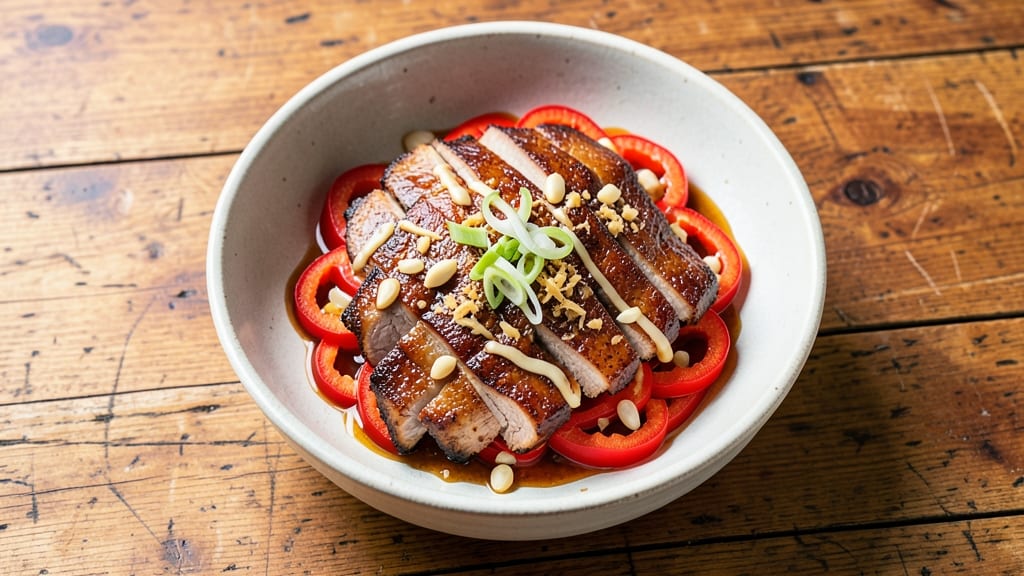
Mastering hibachi pork at home transforms weeknight dinners into sizzling tabletop theater—where sweet-savory glaze meets smoky char in perfect harmony. Standing on a step stool in my grandmother’s kitchen in Sicily, I learned how heat and timing create magic, and this recipe brings that same precision to your stovetop.
The secret lies in skewering tender pork loin with precision, then cooking it over high heat until caramelized edges form while the center stays juicy.
This hibachi-style pork delivers restaurant-quality results with a foolproof method that works on stovetop, grill, or even in the oven. The sweet-savory glaze—balancing honey, soy sauce, and garlic—adds depth without overpowering the natural richness of the meat.
Pair it with steamed rice and sautéed vegetables for a complete meal that feels indulgent yet simple to prepare.
What you’ll achieve is pork that’s tender yet crispy, glistening with a glossy, sticky glaze that caramelizes beautifully as it cooks. The aroma alone will draw everyone to the table, and the first bite delivers that perfect contrast of smoky, sweet, and savory flavors.
This dish is designed to impress without requiring advanced skills—just focus, patience, and a little sizzle.
Serve with traditional hibachi sides like steamed broccoli or snap peas, or keep it modern with roasted potatoes and a crisp green salad. The glaze doubles as a dipping sauce for extra flavor. Let’s bring the hibachi experience home—one skewer at a time.
Ingredients for hibachi pork
Sweet-savory glaze, smoky char, and juicy pork—just 13 ingredients for hibachi magic.
| Ingredient | Amount | Notes |
|---|---|---|
| Boneless Pork Loin 🥩 | 1 ½ lb | Center-cut, 1-inch thick slices |
| Extra-Firgin Olive Oil 🫒 | 2 tbsp | For basting and skewering |
| Honey 🍯 | ⅓ cup | Wildflower preferred for depth |
| Low-Sodium Soy Sauce 🥢 | ⅓ cup | Kikkoman or San-J recommended |
| Garlic Cloves 🧄 | 6 cloves | Minced, fresh preferred |
| Fresh Ginger 🌿 | 2 tbsp | Finely grated, organic preferred |
| Sesame Oil 🫒 | 1 tbsp | Toasted sesame oil for aroma |
| Wooden Skewers 🪵 | 8 whole | Soaked 30 mins in water |
| Diamond Crystal Kosher Salt 🧂 | 1 tsp | For seasoning meat |
| Black Peppercorns 🌶️ | ½ tsp | Freshly cracked preferred |
| Green Onions 🧅 | 4 whole | Thinly sliced, for garnish |
| Sesame Seeds 🌾 | 1 tbsp | Toasted for crunch |
| Unsalted Butter 🧈 | 2 tbsp | For basting |
The pork loin is non-negotiable here—center-cut slices stay juicier than shoulder cuts. Grab it from the butcher counter if possible, or look for pre-sliced pork loin at Whole Foods or Trader Joe's. Thickness matters too: 1-inch slices sear properly without drying out. If you can't find wooden skewers, metal or soaked bamboo skewers work just as well. The honey should be wildflower or clover—avoid that ultra-processed grocery store stuff with additives. For the soy sauce, low-sodium versions prevent over-salting the glaze.
No sesame oil? Toasted peanut oil works in a pinch, but it won't have that same nutty aroma. Fresh ginger too expensive? Ground ginger at half the amount gets you close, though you'll miss the texture. Prefer less sweetness? Reduce honey to 2 tbsp and add 1 tbsp rice vinegar for balance. The butter is key for basting—unsalted so you control the seasoning. For extra smokiness, add 1/2 tsp smoked paprika to the glaze. And if you're short on time, pre-minced garlic from the jar saves steps without sacrificing flavor.
This glaze keeps for 1 week in the fridge, but the pork must be cooked fresh—it reheats poorly. For make-ahead prep, marinate the pork in the glaze mixture (without butter) for up to 8 hours in the fridge. Skewered pork holds for 1 hour at room temp before cooking, so assemble it last. Leftover glaze? Freeze it in ice cube trays for quick dipping sauce portions. The toasted sesame seeds and green onions can be prepped ahead and stored in the fridge for 3 days—just toast the seeds fresh before serving.
Why You'll Love This Recipe
- One-Pan Magic: I swear by this—just sear the pork, toss in the garlic and soy, then finish with honey. That’s it. No extra bowls, no mess, and the pork caramelizes right in the pan.
- Sweet-Savory Balance: Honestly, the honey and soy sauce combo is genius. The pork stays juicy while getting this glossy, sticky crust that’s addictive—like a grown-up version of teriyaki but way better.
- Weeknight or Party: Between us, this works for both. Toss it on the table for a quick family dinner or double the batch for a potluck. The flavors hold up, and everyone asks for seconds.
- Budget-Friendly Feast: Pork loin stretches far, and the ingredients cost pennies. I’ve made this for six people for under $15—plus, leftovers reheat like a dream. My wallet and my taste buds win.
Step-by-step instructions for hibachi pork recipe
Here's how to transform simple ingredients into a showstopping hibachi-style pork dish with a perfect glaze.
Marinate the Pork for Maximum Flavor
Cut the 1.5 lb boneless pork loin into 1-inch thick slices, then slice each slice into 4 equal strips about 3 inches long. In a large bowl, combine the 0.33 cup honey, 0.33 cup low-sodium soy sauce, minced 6 cloves garlic, and finely grated 2 tbsp fresh ginger. Whisk until the honey and soy sauce blend completely - you should see a glossy, golden mixture forming.
Add the pork strips to the marinade and turn to coat evenly. Cover the bowl and refrigerate for at least 30 minutes, but I recommend letting it marinate for up to 2 hours if you have time. This extended marinating creates deeper flavor penetration and a more tender texture. The pork should absorb the marinade completely and develop a beautiful sheen.
Prepare the Skewers and Glaze Base
Soak the 8 wooden skewers in water for at least 30 minutes to prevent them from burning during cooking. While they soak, prepare the glaze base by melting the 2 tbsp unsalted butter in a small saucepan over medium heat. Once melted, remove from heat and whisk in the 1 tbsp sesame oil. Set this mixture aside - we'll use it later to enhance our final glaze.
Thread the marinated pork strips onto the soaked skewers, leaving about 1 inch between each piece. Season each skewer generously with 1 tsp diamond crystal kosher salt and 0.5 tsp freshly cracked black peppercorns. The salt should adhere to the pork rather than falling off, indicating proper seasoning. Let the skewers sit at room temperature for 15 minutes before cooking to ensure even cooking.
Cook the Pork to Perfect Doneness
Heat a hibachi grill or large skillet over high heat until it's smoking hot. Add the 2 tbsp extra-virgin olive oil and let it shimmer for about 30 seconds. Working in batches to avoid crowding, add the skewers and cook for 2-3 minutes per side until the pork reaches an internal temperature of 145°F. The edges should be beautifully caramelized while maintaining a juicy interior.
As the pork cooks, you'll notice the marinade caramelizing and creating a delicious crust. This is when the true hibachi experience begins - the sizzling, the aroma filling your kitchen, and the visual spectacle. Don't be tempted to move the skewers around constantly; let them develop that perfect sear. The pork is ready when it's cooked through and the edges have a beautiful golden-brown crust.
Create the Signature Sweet-Savory Glaze
Return the pork skewers to the grill or skillet and reduce heat to medium. Pour the reserved honey-soy sauce marinade (with any remaining pork juices) over the pork, letting it sizzle and caramelize for about 1 minute. Then add the melted butter and sesame oil mixture, stirring constantly to combine everything into a glossy glaze.
Cook for an additional 2-3 minutes, basting the pork continuously with the sauce. You'll see the glaze thicken slightly and become more syrupy. The pork should be coated in this beautiful amber glaze with visible caramelization. The aroma at this point will be incredible - sweet, savory, with hints of garlic and ginger. This is the moment that transforms ordinary pork into a restaurant-worthy dish.
Finish and Serve with Style
Remove the pork skewers from heat and transfer to a serving platter. Drizzle any remaining glaze over the top and sprinkle with toasted 1 tbsp sesame seeds. Garnish with thinly sliced 4 whole green onions for fresh contrast and visual appeal. The presentation should be vibrant - the golden-brown pork against the colorful garnishes creates a stunning centerpiece.
Serve immediately while the pork is sizzling hot and the glaze is still glossy. Each bite should offer a perfect balance of sweet honey, savory soy sauce, aromatic garlic and ginger, with a satisfying crunch from the toasted sesame seeds. The pork should be tender yet firm, with that beautiful caramelized crust throughout. This dish is perfect for entertaining as it cooks on the table, creating an interactive dining experience that's as enjoyable to watch as it is to eat.
Pro Tips For Making Hibachi Pork
- Sear First, Simmer Second: Hit that pork loin with a screaming-hot pan—no rushing—until it’s golden brown on all sides. I used to skip this and ended up with bland, mushy meat; the crust from the olive oil and honey is what carries the flavor. Once seared, dial it back to medium-low for the sauce to meld properly.
- Minced Garlic, Not Sliced: Finely chop those garlic cloves—almost like a paste—so they dissolve into the sauce instead of sitting as bitter chunks. I learned this after biting into a piece with a surprise garlic surprise. A quick press with the flat side of your knife does the trick.
- Deglaze with Soy Sauce: After searing the pork, splash in 1-2 tablespoons of soy sauce before adding honey—this loosens all the browned bits (fond) clinging to the pan. Scrape it up with a wooden spoon; those caramelized bits are pure flavor gold. (Yes, even if it looks messy.)
- Rest Before Slicing: Let the pork sit under foil for 5 minutes after cooking—no peeking—so the juices redistribute. I was skeptical until I tried it; now I’m a convert. Slice against the grain for tenderness, but wait until those minutes are up.
Troubleshooting your hibachi pork
Skewers Burning Risk
Wooden skewers are notorious for catching fire if not soaked properly. I’ve seen this happen when guests rush the process—always soak them in water for at least 30 minutes before threading the pork.
For extra insurance, pat them dry with paper towels after soaking to remove excess moisture, which can cause steam and uneven cooking. If using metal skewers, skip the soaking entirely—they conduct heat better and won’t burn. 🔥
Pork Drying Out
Overcooking turns tender pork into chewy disappointment. Use a meat thermometer to check for 145°F internal temperature—any hotter and it’ll dry out. I’ve learned the hard way that crowding the pan lowers heat, leading to steaming instead of searing.
Cook in batches if needed, and resist the urge to flip too often. The pork needs time to develop that caramelized crust, not just cook through.
Glaze Too Thin
A runny glaze means lost flavor and a soggy presentation. If yours isn’t thickening as expected, simmer the reserved marinade (with pork juices) over medium heat for 3-5 minutes until slightly reduced. For extra richness, whisk in 1 tsp cornstarch mixed with 1 tbsp water to thicken it instantly.
Pro tip: Reduce heat to medium-low during the final basting phase to let the glaze cling instead of pooling.
Uneven Cooking
Thick and thin pork pieces cook at different rates, leading to some overdone while others stay raw. Cut all strips to 1-inch thickness and trim any uneven edges before skewering.
For extra insurance, remove the pork from skewers after searing and finish it in a 350°F oven for 2-3 minutes to ensure even doneness. This two-stage method guarantees perfect results every time.
Skewers Falling Apart
If your pork keeps sliding off skewers, it’s likely over-marinated or not secured properly. Thread the pork snugly, leaving just ½ inch between pieces, and use a toothpick to secure the ends if needed.
For extra grip, lightly brush the pork with 1 tsp cornstarch before skewering—it creates a light crust that helps hold everything together during cooking.
Glaze Too Sweet
If the honey dominates the flavor, balance it with acid. Add 1 tbsp rice vinegar or ½ tsp red pepper flakes to the glaze during the final basting step. For a deeper umami kick, stir in 1 tsp fish sauce (trust me, it works!).
I’ve found that a pinch of smoked paprika also adds complexity without overpowering the sweetness. 💡
Nutrition facts
Frequently asked questions
Can I use chicken or beef instead of pork for hibachi-style skewers?
Chicken thighs work beautifully—they stay juicy and absorb the glaze well, while beef sirloin should be sliced ½-inch thick for even cooking. For chicken, marinate for 1 hour and cook to 165°F internal temp. Beef needs 145°F and benefits from a quick sear on high heat before basting. The glaze recipe remains the same, but adjust cooking times based on thickness.
How do I make this recipe without a hibachi grill?
No hibachi? No problem! Use a cast-iron skillet or grill pan for that signature sizzle. For stovetop, heat over medium-high heat until smoking hot—this mimics hibachi's intense heat. If you have a grill, opt for direct high heat and baste frequently. Even an oven works: broil for 5-7 minutes after searing in a pan, basting halfway through.
Can I prepare the glaze ahead of time?
The glaze base (honey, soy, garlic, ginger) keeps for 1 week in the fridge, but the butter component should be added fresh before cooking. For make-ahead prep, marinate the pork in the glaze mixture (without butter) for up to 8 hours. Store the marinade in an airtight container, and reserve the butter/sesame oil for final basting. The toasted sesame seeds can be prepped 3 days ahead—just toast them fresh before serving.
What's the best way to serve this dish for a dinner party?
Turn it into a tabletop show! Cook the skewers directly on the table using a portable hibachi or large skillet. Serve with steamed jasmine rice, stir-fried snap peas, and cucumber salad for a complete spread. For extra drama, arrange the pork on a slate board with chopsticks and small bowls of extra glaze for dipping. Light some soy candles and play Japanese ambient music—your guests will feel like they're at a Tokyo teppanyaki restaurant!
Why does my glaze turn out too thin or too thick?
Thin glaze? Simmer the reserved marinade (with pork juices) for 3-5 minutes to reduce it. For thickness, whisk in 1 tsp cornstarch mixed with 1 tbsp water during the final basting. The key is heat control: reduce to medium-low during the last 2 minutes of basting to let the glaze coat properly. If it's still too thick, add 1 tsp warm water to loosen it.