
Main Courses
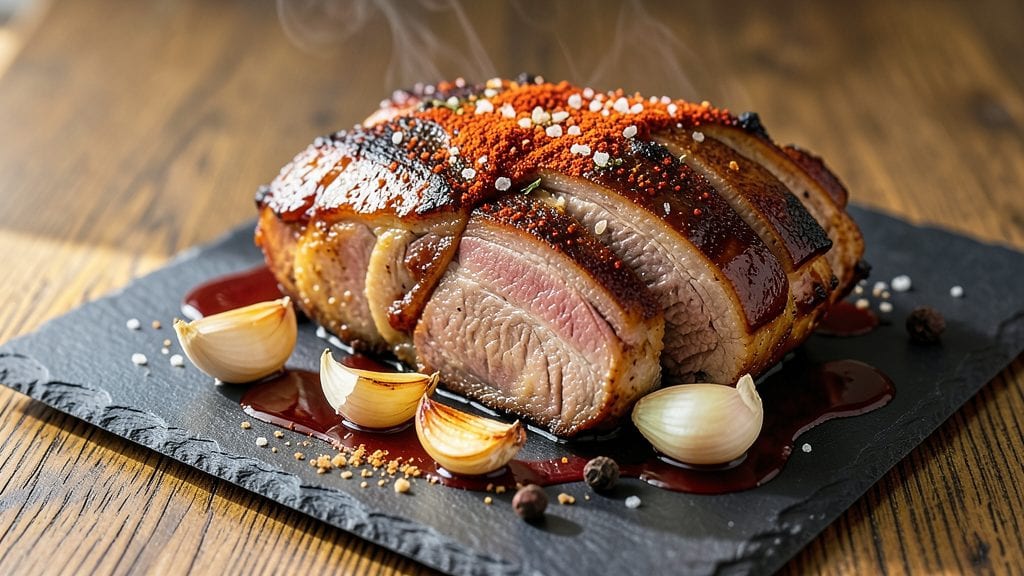
This Iberico pork shoulder recipe transforms a simple cut into a showstopping centerpiece with smoky paprika and deep, cured richness—all in one pot. 🌟 Growing up in Georgia, I learned that the secret to pork perfection lies in patience and precision, techniques I later refined under Master Chef Chen in Charleston.
The result? A dish so tender it nearly melts in your mouth, with a crust that crackles with every bite.
The beauty of this recipe lies in its simplicity: just a few hours of slow cooking unlocks layers of flavor that store-bought cuts can't match.
We'll use a dry rub of smoked paprika and garlic to build depth, then braise the pork until it reaches 203°F internal temperature—the magic number for fall-apart tenderness. No fancy equipment needed, just time and a cast iron Dutch oven (or heavy pot) from my collection of vintage pieces.
By the time you're done, you'll have a restaurant-quality pork shoulder that's rich, smoky, and impossibly tender, perfect for feeding a crowd or meal prepping for the week. The leftovers?
Even better the next day, as the flavors meld and deepen. This is the kind of dish that turns a regular dinner into a celebration—no special occasion required.
Pair it with roasted root vegetables or a crisp green salad to balance the richness, and you've got a complete meal that feels like a hug from your nonna. Let's get cooking—your taste buds will thank you.
Ingredients for iberico pork shoulder
Six ingredients transform this humble cut into a showstopper—smoky, tender, and packed with restaurant-quality flavor.
| Ingredient | Amount | Notes |
|---|---|---|
| Iberico Pork Shoulder 🐖 | 4 lb | Bone-in, skin-on preferred |
| Smoked Paprika 🌶️ | ½ cup | High-quality, not sweet variety |
| Garlic Cloves 🧄 | 8 cloves | Freshly minced, not pre-minced |
| Kosher Salt 🧂 | 2 tbsp | Diamond Crystal preferred |
| Black Peppercorns 🌶️ | 1 tbsp | Freshly cracked, not ground |
| Brown Sugar 🍯 | 2 tbsp | Light or dark, packed |
| Apple Cider Vinegar 🍎 | ¼ cup | For tangy depth |
| Fresh Thyme 🌿 | ¼ cup | Leaves only, stems removed |
| Fresh Rosemary 🌿 | ¼ cup | Needles only, finely chopped |
| Onion 🧅 | 1 whole | Yellow, roughly chopped |
| Carrot 🥕 | 2 whole | Medium, cut into chunks |
| Celery Stalks 🥬 | 3 whole | Cut into 1-inch pieces |
| Beef Broth 💧 | 2 cups | Low-sodium, homemade preferred |
| Red Wine 🍷 | ½ cup | Dry, like Cabernet Sauvignon |
| Olive Oil 🫒 | 2 tbsp | Extra-virgin for crust |
The pork shoulder is the star, so don't cut corners here. Iberico delivers that marbled fat and deep flavor, but if it's out of reach, heritage pork shoulder from Whole Foods or your local butcher works too. Look for a cut with good marbling—it should feel soft to the touch, not tough. I usually order mine from Snake River Farms when I'm planning ahead, but Costco often carries a solid alternative. For the smoked paprika, Penzeys or the bulk bins at Trader Joe's have the best quality—avoid the stuff that looks like dust in a jar.
No smoked paprika? Substitute half the amount of regular paprika plus a pinch of liquid smoke—it won't be identical, but it'll get you close. Fresh thyme and rosemary are ideal, but dried works at one-third the amount if you're in a pinch. The apple cider vinegar adds tang, but red wine vinegar works too (just reduce to 2 tbsp). For the broth, homemade is best, but even the low-sodium canned stuff from Pacific Foods won't ruin the dish. The red wine can be any dry red—whatever's open in your fridge. (Pro tip: use the same bottle you're drinking, so you don't waste it.)
This dish tastes even better the next day—plan ahead! The pork keeps 4-5 days in the fridge, and portions beautifully for meal prep. For storage, wrap the cooked pork tightly in foil and refrigerate. To reheat, warm in the oven at 300°F for 20 minutes with a splash of broth. The leftovers? Perfect for sandwiches or tacos. The rub can be made a day ahead and stored in an airtight container for up to 2 weeks—just add it fresh before cooking.
Why You'll Love This Recipe
- Foolproof Roast: I swear by this method—just rub the pork with salt, paprika, and crushed peppercorns, then let the oven do the work. No basting, no fuss, and the result is always tender.
- Smoky Magic: That smoked paprika? It’s the secret weapon—deep, earthy, and just a little sweet. The garlic cloves caramelize right into the crust, giving every bite layers of flavor without extra effort.
- Leftovers Heaven: This recipe practically begs to be made in bulk. The shredded pork transforms into tacos, sandwiches, or even a hearty stew—my freezer is stocked with it year-round.
- Budget Luxury: Iberico pork shoulder delivers restaurant-quality taste without the price tag. A single roast feeds my whole family for days, and the rich, juicy meat turns even simple sides into a meal worth celebrating.
Step-by-step instructions for Iberico pork shoulder
This one-pot masterpiece transforms rich Iberico pork into tender, smoky perfection.
👨🍳 Step 1: Cure the Pork with Smoky Depth
Pat the 4 lb Iberico Pork Shoulder dry with paper towels, focusing on the skin and cavity. In a bowl, combine the 0.5 cup Smoked Paprika, 2 tbsp Kosher Salt, 1 tbsp Black Peppercorns (finely cracked), and 2 tbsp Brown Sugar. Rub this mixture all over the pork, pressing it into the skin and cavity.
Let the pork sit uncovered in the refrigerator for 12-24 hours—this curing process develops incredible flavor and helps tenderize the meat. The skin should develop a slightly tacky, paprika-infused sheen when you lift it. Don't skip this step; it's what makes the difference between ordinary pork and this extraordinary dish.
🍳 Step 2: Build the Aromatic Base
In a large, heavy-bottomed pot, heat the 2 tbsp Olive Oil over medium-high heat until shimmering. Add the 1 whole Onion (roughly chopped), 2 whole Carrot (cut into chunks), and 3 whole Celery Stalks (cut into 1-inch pieces). Cook for 8-10 minutes until the vegetables soften and release their natural sweetness.
Add the 8 cloves Garlic Cloves (freshly minced), 0.25 cup Fresh Thyme, and 0.25 cup Fresh Rosemary (finely chopped). Stir for 30 seconds until the garlic releases its aroma—you'll smell it immediately. This aromatic foundation is the backbone of your dish, so don't rush this step.
🔥 Step 3: Sear the Pork for Crispy Perfection
Carefully lift the cured pork from the refrigerator and let it sit at room temperature for 20 minutes. Pat it dry again to ensure a good sear. Heat the pot over high heat until it's screaming hot, then add the pork skin-side down. Let it sear undisturbed for 5 minutes until the skin turns golden brown and crispy.
Flip the pork and cook for another 3 minutes. You'll hear a satisfying sizzle as the fat renders out. The skin should now be beautifully crisp, and the meat will release easily from the pot. This searing step locks in the flavors and creates that coveted crust.
🥘 Step 4: Slow Cook with Red Wine and Broth
Pour in the 0.5 cup Red Wine and 2 cups Beef Broth, scraping up any browned bits from the bottom of the pot. Add the 0.25 cup Apple Cider Vinegar and stir well. Bring the mixture to a gentle simmer, then reduce the heat to low.
Cover the pot and let it cook for 3-4 hours, turning the pork occasionally to ensure even cooking. The pork is done when a fork slides into the thickest part with minimal resistance. The skin should remain crispy, and the meat should be fork-tender. This slow cooking process is where the magic happens, infusing the pork with all those beautiful flavors.
Pro Tips For Making Iberico Pork Shoulder
- Pat It Dry First: Iberico pork shoulder’s skin is delicate—don’t skip patting it thoroughly with paper towels after brining. The dry surface seals better when searing, and that crispy crust? Non-negotiable for flavor. (Yes, even if it looks like you’re prepping a Thanksgiving turkey.)
- Sear Skin-Side Down: High heat. Seriously, crank it up to medium-high until the pan is smoking. Press the pork shoulder down firmly with a spatula for 3–4 minutes—this locks in the fat and gives you that golden, crackling crust. Skip this, and you’re left with a sad, greasy mess.
- Use Whole Peppercorns: Ground black pepper loses its kick after a few months—crush whole peppercorns right before cooking for that sharp, aromatic punch. Toss them in with the garlic and smoked paprika while searing; their oils infuse the meat instantly. (I learned this the hard way after a batch tasted like dust.)
- Baste with Fat: Every 20 minutes during roasting, spoon the rendered fat from the pan over the pork. This keeps it moist, adds richness, and turns the surface into a glossy, caramelized blanket. Don’t skip—it’s the difference between "meh" and "damn, that’s good." (Your future self will thank you.)
Serving suggestions for iberico pork shoulder
Classic Spanish Pairings
Serve your Iberico pork shoulder with pan con tomate—toasted bread rubbed with garlic, ripe tomato, and olive oil—to cut through the richness. I always make a big batch for the table; it’s a Charleston staple that feels right at home with Spanish flavors.
Pair it with roasted garlic potatoes tossed in smoked paprika and olive oil for extra depth. 🌶️
For a full Spanish meal, add grilled asparagus with lemon zest and a sprinkle of sea salt. The bright acidity balances the pork’s smoky sweetness.
I like to serve this during spring when asparagus is at its peak—it’s a nod to my time in Charleston’s markets, where seasonal produce always steals the show.
Crusty Bread Essentials
No Spanish meal is complete without crusty bread to soak up the juices. I grab a baguette from my local bakery (or a good sourdough) and slice it thick.
Toast it until golden, then rub with a garlic clove for extra flavor. This isn’t just a side—it’s the star of the leftovers. 🥖
For a heartier option, try garlic bread with chorizo. Sauté 4 oz chorizo in olive oil until crispy, then spread it on the bread with melted manchego cheese. Broil for 2-3 minutes until bubbly—this combo turns your pork shoulder into a full fiesta on a plate.
Light and Fresh Contrasts
A simple mixed green salad with arugula, radicchio, and shaved fennel dressed in lemon vinaigrette keeps the meal bright. The peppery bite of arugula and the licorice notes of radicchio cut through the pork’s richness.
I toss in toasted pine nuts for crunch—it’s a trick I picked up from Chef Chen’s Italian roots. 🥗
For a tangy twist, add pickled red onions to the salad. Thinly slice 1 red onion, soak in vinegar, sugar, and salt for 30 minutes, then drain. The sweet-tart crunch adds another layer of flavor that makes every bite sing.
Wine and Beer Pairings
A bold Spanish Rioja—like Tempranillo-based reds—complements the pork’s smoky, paprika-infused flavors beautifully. I reach for Muga Reserva or La Rioja Alta when I’m feeling fancy. Their earthy, fruity notes mirror the dish’s depth without overpowering it. 🍷
For beer lovers, a Spanish lager like Estrella Galicia or Alhambra Reserva works wonders. The crisp, clean finish cleanses your palate between rich bites. If you’re in the mood for something hoppier, a Belgian witbier adds a citrusy contrast that’s unexpected but delicious.
Serving Style Matters
Let the pork rest for 15-20 minutes before slicing—this ensures juices redistribute for maximum tenderness. I like to serve it whole on a platter, surrounded by the braising liquid and vegetables. Use two forks to shred the meat right at the table; it’s impressive and interactive. 🍽️
For a rustic touch, arrange the sliced pork on a wooden board with the braising sauce drizzled over the top. Garnish with fresh parsley or rosemary sprigs for a pop of color. This presentation makes the dish feel like a celebration, even if it’s just a weeknight dinner.
Nutrition facts
Frequently asked questions
Can I substitute regular pork shoulder for Iberico?
While Iberico pork delivers that signature marbled fat and deep flavor, you can use heritage pork shoulder from quality sources like Whole Foods or your local butcher. Look for cuts with good marbling—it should feel soft to the touch. For best results, increase the smoked paprika by 1 tbsp to compensate for the flavor difference.
How long should I cure the pork before cooking?
The curing process is key for maximum flavor! Let the pork sit uncovered in the fridge for 12-24 hours after rubbing. This develops deep, smoky notes and helps tenderize the meat. Pro tip: If you're short on time, 6 hours will still work, but 24 hours is ideal. The skin should feel slightly tacky when you lift it.
What's the best way to check doneness?
Use a meat thermometer to check the thickest part of the pork—it should reach 203°F for fall-apart tenderness. The skin should remain crispy, and the meat should pull apart easily with two forks. If it's not quite there, add 1/4 cup broth and cook another 30 minutes. Never overcook!
Can I make this recipe in a slow cooker?
After searing the pork, transfer it to a slow cooker with all the braising liquid. Cook on low for 8 hours or high for 4-5 hours. The skin may not be as crispy, but the meat will still be incredibly tender. For extra crispiness, broil the pork for 5 minutes before serving.
What's the best way to reheat leftovers?
Slice the pork and reheat in a skillet with a splash of broth over medium-low heat for 5-7 minutes until warmed through. For oven reheating, cover with foil and warm at 300°F for 20 minutes. Never microwave—it makes the meat rubbery! Leftovers keep 4-5 days in the fridge.