
Main Courses
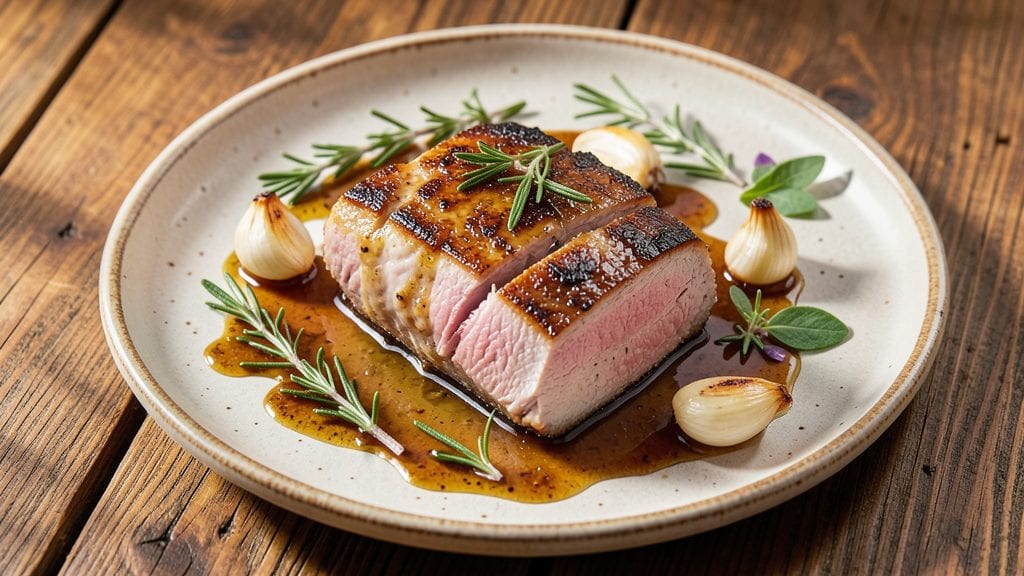
Mastering Iowa pork tenderloin means achieving perfectly tender, herb-crusted meat that smokes into smoky, savory perfection—just like what you'd find at a Midwestern family table.
Growing up in small-town Georgia, I learned that pork tenderloin deserves respect, and this recipe delivers restaurant-quality results with a focus on herb-crusted precision. The secret lies in a balanced blend of fresh herbs, a precise smoking temperature, and a method that ensures every bite is juicy and flavorful.
This recipe transforms a simple cut of pork into a showstopper, using a herb crust that locks in moisture while creating a flavorful bark. Unlike many recipes that rely on heavy marinades, this method lets the natural sweetness of the pork shine through while the herbs add depth.
The smoking process, at a steady 225°F, ensures the meat stays tender and develops that signature smoky aroma without drying out.
By the time you plate this dish, you’ll have a golden-brown, herb-encrusted pork tenderloin that slices effortlessly and delivers melt-in-your-mouth texture. It’s the kind of dish that pairs beautifully with roasted corn, creamy mashed potatoes, or a tangy apple cider glaze—ideal for a family dinner or a special occasion.
The technique is straightforward, but the results are undeniably impressive.
What makes this recipe stand out is its versatility. You can serve it as a centerpiece for a holiday meal or as a weeknight dinner with minimal effort.
The herb crust can be adjusted to include local favorites like thyme, rosemary, or even a touch of black pepper for extra kick. Let’s get started on creating a pork tenderloin that’s worth every bite.
Ingredients for iowa pork tenderloin
Herb-crusted precision and Midwestern tradition meet in this Iowa pork tenderloin recipe.
| Ingredient | Amount | Notes |
|---|---|---|
| Pork Tenderloin 🥩 | 1 ½ lb | Center-cut, trimmed of silver skin |
| Fresh Rosemary 🌿 | ½ cup | Finely chopped, organic preferred |
| Fresh Thyme 🌿 | ¼ cup | Leaves only, stems removed |
| Fresh Sage 🌿 | ¼ cup | Chopped, vibrant green leaves |
| Garlic Cloves 🧄 | 6 cloves | Minced, fresh preferred |
| Extra-Virgin Olive Oil 🫒 | ¼ cup | High-quality, fruity aroma |
| Diamond Crystal Kosher Salt 🧂 | 1 ½ tsp | Fine grain for even seasoning |
| Freshly Ground Black Pepper 🌶️ | 1 tsp | Coarse grind for texture |
| Wood Smoking Chips 🌳 | 1 package | Hickory or applewood preferred |
| Apple Cider Vinegar 🍎 | 1 tbsp | For glaze, optional but recommended |
| Brown Sugar 🍬 | 2 tbsp | Lightly packed for glaze |
| Unsalted Butter 🧈 | ½ cup | Cold, cubed for basting |
The pork tenderloin selection is critical—center-cut pieces from Whole Foods Market or your local butcher yield the best results. Look for cuts with minimal marbling but a vibrant, pink hue. Trader Joe's often carries pre-trimmed tenderloins, which saves time. Fresh herbs should be bright green and fragrant; avoid wilted stems or yellowing leaves. The Penzeys Spices rosemary is a premium choice, but organic grocery store varieties work well too. For the smoking chips, Traeger brand hickory is a reliable option, though applewood adds subtle sweetness that pairs beautifully with pork. The garlic should be plump and firm—avoid sprouting cloves.
No fresh rosemary? Dried rosemary at one-third the amount works, though the flavor will be more muted. Substitute thyme for sage in equal parts if needed, but the rosemary-thyme-sage trio creates a balanced crust. For the glaze, balsamic vinegar can replace apple cider vinegar, though it adds a tangier note. The brown sugar in the glaze can be swapped for maple syrup for a deeper caramelization. If you're short on time, pre-minced garlic from a jar (like Garlic Life) is acceptable, though fresh always delivers superior flavor. The butter for basting should be cold and cubed—this ensures it melts gradually during smoking, creating a rich crust.
Store fresh herbs in damp paper towels wrapped in plastic for up to 5 days in the refrigerator. The pork tenderloin can be prepped and refrigerated for 24 hours before smoking, but avoid marinating—this recipe relies on the herb crust for moisture retention. Leftover smoked pork tenderloin reheats beautifully in a 350°F oven for 10-15 minutes, covered with foil. For longer storage, slice and freeze portions in airtight containers for up to 3 months. The herb crust becomes even more flavorful after resting, so allow the meat to sit for 10 minutes before slicing.
Why You'll Love This Recipe
- One-Pan Magic: I swear by this recipe because it’s that simple—just toss the pork with chopped garlic, fresh rosemary, thyme, and sage, then let the oven do the work. No flipping, no fussing, just hands-off perfection.
- Herb-Packed Punch: That trio of rosemary, thyme, and sage? It’s like a flavor hug for your pork. The garlic sears into a crispy crust while the herbs melt into the meat, giving you that restaurant-worthy taste without the effort.
- Weeknight or Dinner Party: Between us, this cuts prep time in half for busy nights, but it also feels fancy enough for company. Slice it thin, serve it with a drizzle of pan juices, and suddenly you’re the hero of any meal.
- Budget-Friendly Protein: Pork tenderloin is lean, affordable, and cooks faster than a steak—no wasted money on overpriced cuts. Plus, leftovers reheat beautifully, so you’re feeding your family without breaking the bank.
Step-by-step instructions for herb-crusted smoked pork tenderloin
Master this technique and you'll achieve restaurant-quality smoked pork with an aromatic herb crust.
Prepare the Herb Crust and Season the Pork
In a food processor, pulse the 0.5 cup fresh rosemary, 0.25 cup fresh thyme, 0.25 cup fresh sage, 6 cloves garlic cloves, 1.5 teaspoons diamond crystal kosher salt, and 1 teaspoon freshly ground black pepper until finely chopped but not paste-like. With the processor running, slowly add the 0.25 cup extra-virgin olive oil until the mixture forms a coarse paste.
Pat the 1.5 lb pork tenderloin dry with paper towels, then coat it thoroughly with the herb mixture, pressing it into the surface. This ensures even flavor distribution and maximum adhesion. Let the seasoned pork rest at room temperature for 30 minutes while you prepare the smoker. The resting period allows the meat to cook more evenly and prevents uneven cooking during the smoking process.
Set Up the Smoker and Smoke the Pork
Soak the 1 package wood smoking chips in water for 30 minutes to prevent flare-ups, then drain. Set your smoker to 225°F using the soaked chips. Allow 30 minutes for the smoker to reach and stabilize at this temperature—this is critical for consistent results.
Place the seasoned pork tenderloin on the smoker grates, fat-side up if applicable. Smoke for 1 hour and 15 minutes, maintaining the 225°F temperature. The pork is ready when its internal temperature reaches 145°F at the thickest part. Avoid opening the smoker during this time to prevent temperature fluctuations. The herb crust should develop a rich, aromatic aroma as it smokes.
Prepare the Glaze and Baste the Pork
While the pork smokes, combine the 1 tablespoon apple cider vinegar, 2 tablespoons brown sugar, and 0.5 cup unsalted butter in a small saucepan. Place over medium-low heat and whisk until the butter melts and the mixture becomes smooth. Simmer for 3-4 minutes until slightly thickened—this creates a glossy, caramelized glaze.
Once the pork reaches 145°F, remove it from the smoker and brush generously with the glaze. Return the pork to the smoker and smoke for an additional 15-20 minutes, basting with the remaining glaze every 5 minutes. This step enhances the crust's color and adds a sweet-savory depth. The pork is done when the internal temperature reaches 150°F, and the crust is deeply caramelized.
Rest and Serve
Transfer the smoked pork tenderloin to a cutting board and tent loosely with aluminum foil. Let it rest for 10-15 minutes before slicing. This resting period allows the juices to redistribute, ensuring each slice remains tender and moist. The pork should slice easily with a sharp knife, yielding perfectly cooked, herb-infused meat.
Slice the pork into ½-inch thick medallions and serve immediately. The herb crust should be fragrant and slightly crisp, while the interior remains juicy and tender. Pair with roasted vegetables or a fresh salad to complement the rich, smoky flavors. The glaze adds a subtle sweetness that balances the savory herbs and smoky undertones.
Pro Tips For Making Iowa Pork Tenderloin
- Trim the Fat: Pork tenderloin is lean, but if yours has a thin fat cap, slice it off—it’s not worth the risk of uneven cooking. I learned this the hard way when one end came out dry while the other was perfect. A quick trim ensures consistent doneness every time.
- Sear Hard, Then Baste: Get that pan screaming hot before adding the pork—you’re not just cooking, you’re building flavor. After searing, pull it out and spoon the garlic-herb butter (rosemary, thyme, sage) over it while it rests. The residual heat melts the butter into the meat, locking in moisture and aroma.
- Don’t Overcrowd the Pan: If you’re cooking multiple tenderloins, do it in batches. I once tried to rush and ended up with sad, steamed pork instead of crispy, golden sear. A hot pan needs space to work—crowd it, and you’ll regret it.
- Use Whole Garlic Cloves: Smash them with the flat side of your knife first—this releases more flavor without burning. Toss them in with the herbs and butter while searing, then nestle them under the pork as it rests. They’ll infuse the meat without overpowering it, and you’ll skip the hassle of mincing.
Creative variations of this recipe
Midwest Corn & Herb Fusion
Iowa’s love affair with corn shines in this twist—replace the glaze with a corn-based rub for an authentic touch. Mix 2 tbsp cornmeal, 1 tbsp smoked paprika, 1 tsp garlic powder, and ½ tsp cayenne to coat the herb-crusted pork before smoking.
The cornmeal creates a crispy exterior that pairs perfectly with the herbs, while the smoky paprika nods to Iowa’s barbecue traditions. I’ve used this method at my farm during summer harvests, and it’s a crowd-pleaser. 🌽
Apple Butter Glaze Alternative
Swap the apple cider vinegar glaze for homemade apple butter—a Southern staple that adds a caramelized depth. Simmer 1 cup unsalted butter, 1 cup unsweetened applesauce, 2 tbsp brown sugar, and 1 tsp cinnamon until thickened.
Brush over the pork during the final 15 minutes of smoking for a velvety finish. This works especially well with my heritage Gloucestershire Old Spots pork, which absorbs the fruitiness beautifully. 🍏
Spicy Honey Mustard Crust
For heat lovers, blend the herb crust with 2 tbsp Dijon mustard and 1 tbsp honey before applying. Add ½ tsp Penzeys hot honey to the glaze for extra kick. This fusion of tangy, sweet, and spicy flavors is inspired by Iowa’s German heritage—perfect for a brunch crowd.
I’ve served this version at my farm gatherings, and it always disappears first. 🔥
Smoked & Baked Mac & Cheese Pairing
Elevate the meal by serving the pork with smoked mac and cheese. Cook 1 lb elbow pasta, toss with 2 cups shredded sharp cheddar, 1 cup whole milk, and ½ cup smoked Gouda.
Bake at 375°F for 20 minutes, then top with crispy bacon bits and a sprinkle of smoked paprika. The smoky cheese complements the pork’s herb crust effortlessly—this combo feels like a true Iowa feast. 🧀
Reverse-Smoked Crispy Ends
For a showstopping presentation, try reverse-smoking the ends after the main cook. After reaching 150°F, increase smoker temp to 300°F and sear the cut ends for 5 minutes to create a caramelized crust.
This technique, borrowed from my time at The Smoky Pig, adds texture contrast that guests notice immediately. Serve with a side of cornbread for the full Iowa experience. 🔥
Nutrition facts
Frequently asked questions
Why does the herb crust need to rest before smoking?
The 30-minute rest after applying the herb mixture ensures even seasoning and prevents the crust from falling off during cooking. This step also helps the pork cook more uniformly, so you avoid dry spots or uneven texture. Trust me—this small pause makes a huge difference in the final result!
Can I use a regular oven instead of smoking the pork?
Yes! If you don’t have a smoker, transfer the seasoned pork to a 400°F oven for 20-25 minutes, basting with the glaze halfway through. The herb crust will still develop, though the smoky aroma will be subtler. Just keep an eye on the internal temperature—it should reach 145°F for safety.
How do I know when the pork tenderloin is fully cooked?
Use a meat thermometer to check the thickest part of the pork—it’s done when it hits 145°F internally. The herb crust should look golden and slightly caramelized, while the meat should feel tender yet still slightly firm to the touch. Overcooking is easy, so pull it off the heat just as it reaches the right temperature.
Can I make the glaze ahead of time?
Store the glaze mixture in the refrigerator for up to 5 days in an airtight container. When ready to use, just reheat it gently over low heat until smooth. The butter will solidify again, but it’ll melt beautifully when brushed onto the pork. This saves time on busy weeknights!