
Appetizers
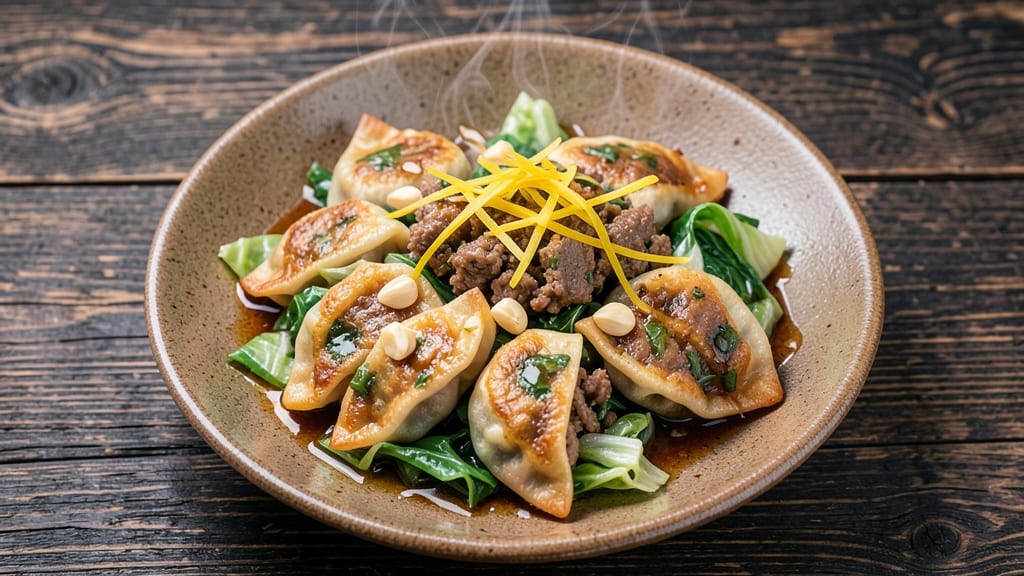
Mastering Japanese pork gyoza transforms simple ingredients into restaurant-quality dumplings with wok-seared crisp and tender centers. Standing on a step stool in my grandmother’s kitchen in Sicily taught me the value of precise folding and high-heat cooking—principles I now apply to these delicate dumplings.
The secret lies in the filling’s balance of ground pork, cabbage, and aromatic seasonings, all encased in delicate wrappers that crisp to golden perfection when pan-fried.
This recipe delivers both traditional authenticity and modern convenience—whether you pleat the dough by hand for classic texture or use store-bought wrappers for speed.
The filling combines finely minced pork, shredded cabbage, garlic, ginger, and a precise blend of soy sauce, sesame oil, and chili flakes, all bound together with a touch of cornstarch for structure. Pan-frying in batches ensures each dumpling achieves that signature crispy bottom while keeping the filling juicy.
By the time you plate them with a tangy soy-vinegar-chili dipping sauce, you’ll have dumplings that rival your favorite Japanese restaurant—golden, crisp, and packed with flavor. Serve with a side of miso soup or quick-pickled vegetables for a complete appetizer spread. Let’s get started on making these dumplings from scratch!
The beauty of gyoza lies in their versatility: pan-fry for crispy edges, steam for a lighter version, or even bake them in the oven. Each method delivers a different texture while maintaining the same rich, savory filling.
The dipping sauce—simple yet essential—elevates every bite with its bright, spicy contrast. This recipe is designed to impress without stress, whether you’re cooking for a crowd or treating yourself to a homemade feast.
Ingredients for Japanese pork gyoza
Simple ingredients meet restaurant-quality technique for crispy, juicy gyoza dumplings.
| Ingredient | Amount | Notes |
|---|---|---|
| Ground Pork 🐖 | 1 ½ lb | Finely minced, not pre-ground |
| Napa Cabbage 🥬 | 4 cups | Shredded, stems removed |
| Garlic Cloves 🧄 | 6 cloves | Mincing finely for filling |
| Fresh Ginger 🌿 | 1 ½ tbsp | Finely grated, zesty |
| Light Soy Sauce 🍶 | 2 ½ tbsp | Kikkoman preferred |
| Sesame Oil 🫒 | 1 ½ tbsp | Toasted, for aroma |
| Chili Flakes 🌶️ | 1 tsp | Adjust for heat preference |
| Cornstarch 🌾 | 2 tbsp | For filling structure |
| Gyoza Wrappers 🍡 | 24 whole | Square, round-edge preferred |
| Vegetable Oil 🫒 | ½ cup | High smoke point |
| Green Onions 🧅 | 2 whole | Thinly sliced, for garnish |
| Rice Vinegar 🍶 | ¼ cup | For dipping sauce |
| Sriracha 🌶️ | 1 tbsp | Spicy kick for sauce |
| Sesame Seeds 🌱 | 1 tbsp | Toasted, for garnish |
| Salt 🧂 | ½ tsp | Fine sea salt |
The ground pork is non-negotiable here—freshly minced at the butcher counter or pre-ground with visible fat marbling makes all the difference. Costco or local Asian markets often have the best quality, but the regular grocery store stuff works if it's labeled 'finely ground'. For the cabbage, Napa is ideal (that sweet, crisp kind), but regular green cabbage shredded thinly gets the job done. The wrappers? Store-bought gyoza wrappers save time, but if you're feeling ambitious, homemade wheat wrappers add that authentic pleat. I always grab extra—half the batch gets frozen for next month's dinners.
No sesame oil? Toasted sesame seeds plus a splash of neutral oil mimics the flavor. Short on chili flakes? Substitute a pinch of cayenne or sriracha. The filling can be prepped a day ahead—cornstarch keeps it from getting mushy. For the wrappers, if they're too dry, a quick dip in warm water makes them pliable. The dipping sauce is flexible too: swap rice vinegar for apple cider vinegar, or add a touch of honey if you prefer it sweeter. The key is balancing the tangy, spicy, and umami notes—trust your taste buds here.
Prepped filling keeps 2 days in the fridge, wrapped tightly in plastic. The wrappers? Store in a sealed container with a paper towel to prevent drying. Once pan-fried, gyoza reheat beautifully—steam for 5 minutes or pan-fry again until crispy. I always make a double batch: one for dinner, one frozen for lazy nights. Portion into single-serving bags before freezing for easy reheating.
Why You'll Love This Recipe
- Here’s what sold me: make a double batch, freeze half, and pull them out on a lazy night. Pan-fry until golden, and boom—homemade gyoza with zero extra effort. (Yes, even on a Tuesday night.)
- No-Fuss Assembly: I’ll be real—this isn’t about fancy folding skills. The filling comes together in a bowl while you chop, and even if your edges aren’t perfect, that crispy garlic-ginger pork inside makes up for it every time.
- Umami Bomb: That light soy sauce and fresh ginger? It’s the secret weapon. The pork stays juicy, the cabbage adds a satisfying crunch, and the garlic—oh, the garlic—turns this into something dangerously addictive after just one bite.
- Budget Win: Ground pork and cabbage stretch far, and you’re not sacrificing flavor. I’ve fed four people for under $12 with this, and somehow, they always ask for seconds. My wallet and taste buds both win.
Step-by-step instructions for Japanese pork gyoza
Here's how to make crispy, flavorful gyoza that stay juicy inside and golden outside every time.
Prepare the Filling Ingredients
In a large mixing bowl, combine the 1.5 lb ground pork, 4 cups shredded napa cabbage, 6 cloves minced garlic, and 1.5 tbsp finely grated fresh ginger. The cabbage should be dry—squeeze out any excess water with paper towels to prevent soggy fillings. I like to press the cabbage firmly with my hands to remove as much moisture as possible.
Add the 2.5 tbsp light soy sauce, 1.5 tbsp sesame oil, 1 tsp chili flakes, and 0.5 tsp salt to the bowl. Mix everything together with your hands or a fork until the pork starts to break up and the flavors meld. The filling should look sticky and cohesive—this ensures it holds together when you fold the wrappers. If it's too dry, add 1-2 teaspoons of water to help bind it.
Bind the Filling and Shape the Gyoza
In a small bowl, combine the 2 tbsp cornstarch with 1 tablespoon of water to make a slurry. Add this to the pork mixture and mix thoroughly until fully incorporated. The cornstarch helps bind the filling and gives it structure. Let the filling rest for 10 minutes at room temperature—this allows the flavors to develop and the cornstarch to fully activate.
Place one of the 24 gyoza wrappers on your palm and add about 1 tablespoon of filling in the center. Moisten the edges of the wrapper with water to help seal it. Fold the wrapper in half to form a half-moon shape, then press the edges firmly together using your fingers. You'll want to create a small pleat at the top to seal it completely. Place the finished gyoza on a plate covered with a damp paper towel to prevent drying.
Pan-Fry the Gyoza for Maximum Crisp
Heat 0.5 cup vegetable oil in a large non-stick skillet over medium-high heat until it shimmers but doesn't smoke. Arrange the gyoza in a single layer, leaving a little space between each one. Cook undisturbed for 2-3 minutes until the bottoms turn a deep golden brown. This is the moment that matters—don't flip too early or they'll stick.
Once the bottoms are crispy, carefully flip each gyoza using a pair of tongs and cook for another 1-2 minutes until both sides are golden brown. Transfer the cooked gyoza to a plate lined with paper towels to drain any excess oil. Repeat with the remaining gyoza, working in batches if needed to avoid overcrowding the pan.
Make the Dipping Sauce
In a small bowl, whisk together the 0.25 cup rice vinegar, 1 tbsp sriracha, and 1 tbsp sesame seeds. The sauce should be thin and slightly spicy—adjust the amount of sriracha to your preference. I like to add a pinch of sugar to balance the acidity, but it's optional. Let the sauce sit for 5 minutes before serving to allow the flavors to meld.
Garnish the gyoza with the 2 whole green onions, thinly sliced, and serve immediately with the dipping sauce. The contrast of the crispy exterior with the juicy filling and tangy sauce is what makes these gyoza irresistible. Enjoy them while they're hot—this is when they're at their best!
Pro Tips For Making Japanese Pork Gyoza
- Fry the Wrappers Fast: Get your pan screaming hot—like, the kind of heat where oil shimmers and a drop of water sizzles instantly—before adding the gyoza wrappers. I used to hover over the stove adjusting heat, and my wrappers ended up greasy instead of golden. High heat in the first 10 seconds seals the edges and gives that crispy bite everyone loves.
- Chop Cabbage Fine: Dice that Napa cabbage into matchstick-thin strips, not thick chunks. Thick pieces stay crunchy and watery, drowning your filling in juice. My grandmother insisted on "almost paste" texture—small enough to disappear when you bite in. Use a sharp knife and work in batches if needed.
- Prevent Overstuffed Gyoza: Fill each wrapper with about 1 teaspoon of pork mixture—no more. Overstuffed gyoza burst during frying, leaving you with a messy pan and sad-looking dumplings. Weigh your filling first if you’re unsure: 12-14 grams per wrapper is the sweet spot for crispy, not leaky, results.
- Use Cold Wrappers: Chill your gyoza wrappers in the fridge for 10 minutes before assembling. Cold wrappers are firmer and easier to seal without tearing. I learned this after wrestling with sticky, overworked dough that kept sticking to my fingers—now my seals hold perfectly every time.
Wine and beer pairings for this dish
Light Crisp White Wine
For gyoza, I reach for a dry Riesling or Sauvignon Blanc—their bright acidity and citrus notes cut through the richness of the pork filling beautifully.
A German Riesling like Dr. Loosen Blue Slate offers mineral notes that complement the cabbage and sesame, while a New Zealand Sauvignon Blanc (like Oyster Bay) brings zesty grapefruit flavors that refresh your palate between bites. 🍷
Japanese Sake Pairing
If you're feeling adventurous, serve with dry junmai sake—the clean, slightly nutty profile enhances the umami in the pork without overpowering the delicate wrappers. I love Dassai 16 for its crisp finish.
For a non-alcoholic option, try sparkling yuzu soda—the citrusy effervescence mirrors the rice vinegar in the dipping sauce.
Hoppy IPA Balance
A light-bodied IPA like Sierra Nevada Pale Ale works surprisingly well, as its hoppy bitterness balances the fat in the pork. The citrusy hops also echo the sesame and chili in the filling. Avoid heavy stouts or dark ales—they’ll clash with the delicate flavors. 🍺
Beer Brewing Tip
For homebrewers, try a wheat beer with a touch of yuzu peel during fermentation—it adds a floral note that pairs perfectly with the soy and ginger in the filling. The light body won’t overpower the crispy texture, making it a unique match for gyoza.
Non-Alcoholic Options
For a refreshing non-alcoholic pairing, serve with sparkling jasmine tea—its floral aroma complements the sesame and ginger while the bubbles cleanse your palate. I also love ginger beer (like Fever-Tree) for its spicy kick that mirrors the chili flakes in the filling.
Nutrition facts
Frequently asked questions
Can I make gyoza filling ahead of time?
The filling keeps beautifully for 2 days in the fridge when stored in an airtight container. The cornstarch helps prevent sogginess, but press out all excess cabbage moisture first. For longer storage, freeze the filling for up to 1 month—thaw overnight before using. Just avoid adding water if freezing to maintain texture.
What's the best way to reheat cooked gyoza?
Steam for 3-5 minutes over boiling water to restore crispiness, or pan-fry again in 1/4 cup oil over medium-high heat for 1-2 minutes per side. Microwaving works in a pinch, but the texture suffers—always use one of these methods for that signature crunch.
Can I substitute chicken or shrimp for pork?
For chicken, use 1.5 lb finely ground chicken thigh (dark meat stays juicier). For shrimp, chop 1.5 lb peeled shrimp into tiny pieces and add 1 extra tbsp cornstarch to bind. Both work well, but pork gives the most authentic umami depth. The cabbage-to-meat ratio remains the same.
Why did my gyoza wrappers tear when folding?
Wrappers tear most often from dryness or too much filling. First, moisten the edges with water before sealing. Second, use 1 tsp filling per wrapper max—overfilling creates pressure that splits them. If they're still too dry, dip the entire wrapper in warm water for 5 seconds before folding. Practice makes perfect!
How do I make vegetarian gyoza?
Replace pork with 1 lb finely chopped mushrooms (shiitake or oyster) plus 1/2 cup cooked lentils or 1/2 cup crumbled tofu. Add 1 extra tbsp soy sauce and 1 tsp miso paste for umami. The cornstarch binding remains crucial—don't skip it! Serve with extra dipping sauce for flavor balance.