
Main Courses
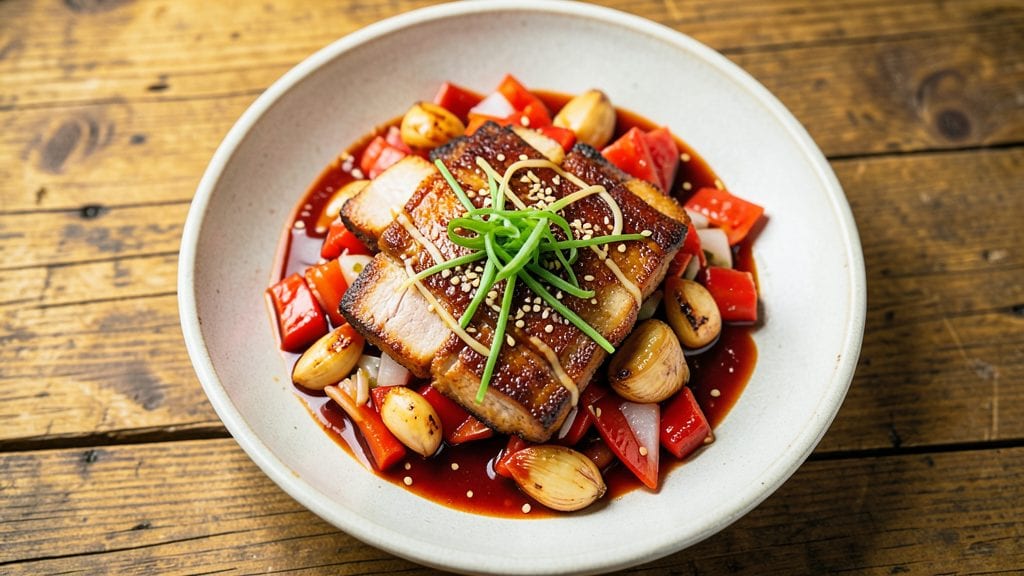
This kimchi pork stir-fry recipe delivers bold Korean flavors in under 25 minutes—where crispy pork meets fermented kimchi for a dish that’s both restaurant-worthy and weeknight-friendly.
Standing on a step stool in my grandmother’s kitchen in Sicily taught me how bold flavors transform simple ingredients, and this recipe proves the same principle works across cuisines. The secret lies in quick marinating and high-heat stir-frying to preserve texture while building layers of umami and spice.
What makes this recipe special is how it balances tradition with modern convenience. You’ll start with thinly sliced pork marinated in gochujang and sesame oil—a flavor bomb that infuses in just 15 minutes—then stir-fry with kimchi, garlic, and scallions until everything achieves that perfect crisp-tender contrast.
The dish comes together in one pan, making cleanup effortless while delivering restaurant-quality results.
By the time you’re done, you’ll have a plate of golden pork with vibrant kimchi pieces, glistening from a light soy-sesame glaze, and a fragrant aroma that fills your kitchen.
The texture is addictive—crispy edges on the pork, tender yet chewy kimchi, and a sauce that clings to every bite without overpowering. This is the kind of meal that feels indulgent but comes together faster than takeout.
Serve it over steamed rice for a complete meal, or pair with a simple side salad to balance the richness. The leftovers reheat beautifully, making it perfect for meal prep. Let’s get cooking—this stir-fry is a game-changer for busy weeknights.
Ingredients for kimchi pork stir fry
Bold flavors meet quick prep in this umami-packed stir-fry.
| Ingredient | Amount | Notes |
|---|---|---|
| Boneless Pork Shoulder 🐷 | 1 ½ lb | Thinly sliced, 1/8-inch thick |
| Kimchi 🥬 | 2 cups | Store-bought or homemade, drained |
| Gochujang 🌶️ | ¼ cup | Fermented chili paste |
| Sesame Oil 🫒 | 2 tbsp | Toasted for aroma |
| Soy Sauce 🧂 | ¼ cup | Low-sodium preferred |
| Garlic Cloves 🧄 | 4 cloves | Minced, fresh preferred |
| Green Onions 🌱 | 4 whole | Scallions, sliced thin |
| Sesame Seeds 🌾 | 2 tbsp | Toasted for garnish |
| Sugar 🍚 | 1 tbsp | For balance, not sweetness |
| Sesame Oil 🫒 | 1 tbsp | Additional for cooking |
| Neutral Oil 🫒 | 2 tbsp | Avocado or vegetable oil |
| White Rice 🍚 | 2 cups | Cooked, for serving |
The pork is everything here. Thin slices cook in minutes and stay juicy—ask your butcher for pork shoulder pre-sliced, or use a sharp knife and a cutting board to slice it yourself. For the best kimchi, Trader Joe's or H Mart carry vibrant, tangy varieties that make all the difference. If you’re using store-bought gochujang, look for the red-paste kind—it’s thicker and more flavorful than the thin sauces. Sesame oil should be toasted for that nutty aroma, which you can achieve by microwaving it for 10 seconds or letting it sit in a warm place for 10 minutes.
No sesame seeds? Toasted pine nuts or chopped peanuts add crunch and a similar nutty flavor. Short on garlic? Garlic powder at half the amount works, but fresh is always better. Want to dial up the heat? Add 1 tbsp of gochujang or a dash of cayenne. The sugar balances the acidity in kimchi, so if your kimchi is extra tangy, reduce the sugar to 1 tsp. And if you’re in a pinch, substitute low-sodium soy sauce for regular—just taste as you go to avoid salt overload.
This stir-fry tastes even better the next day, as the flavors meld. Store leftovers in an airtight container for up to 5 days in the fridge. For freezing, let it cool completely, then portion into containers—reheat in the microwave or skillet for 2-3 minutes. The rice should be cooked separately and added just before serving to keep it fluffy. Garnish with sesame seeds right before eating—they’ll crisp up beautifully from the residual heat.
Why You'll Love This Recipe
- One-Pan Magic: I’ve got a secret—this dish lives on my sheet pan while I’m still deciding what to watch. Chop the pork into thin strips, toss it with kimchi and gochujang, and in 15 minutes, you’ve got dinner. No extra pots, no stress.
- Spicy-Sweet Bliss: That first bite? The tangy crunch of kimchi paired with the smoky depth of gochujang is exactly what comfort food should be. My husband always steals the last piece—no joke.
- Meal Prep Hero: I pack this for lunches three days a week. The flavors get even better the next day, and reheating is a breeze. Plus, it’s the kind of dish that tastes better cold, honestly.
- Budget-Friendly Feast: For less than $10, I feed my family of three and have leftovers for lunch. Pork shoulder is cheap, kimchi lasts forever, and you’ll use up whatever’s in your fridge. Win-win.
Step-by-step instructions for kimchi pork stir-fry
Here's how to transform simple ingredients into a bold, flavorful stir-fry that balances heat and umami perfectly.
Prepare the Pork for Optimal Texture
Slice the 1.5 lb boneless pork shoulder against the grain into 1/8-inch thick strips. The thinner the slices, the more tender the final result—this prevents chewy bites. Place the sliced pork in a bowl and add 0.25 cup soy sauce, 1 tablespoon sugar, and 1 tablespoon sesame oil. Mix well to coat evenly, then let it marinate for at least 15 minutes (up to 30 minutes for deeper flavor). This step ensures the pork absorbs enough liquid to stay juicy during the high-heat stir-fry.
While the pork marinates, drain the 2 cups kimchi thoroughly using a fine-mesh strainer. Press down gently with a spoon to remove excess liquid—wet kimchi will steam instead of crisp up during cooking. Set aside the drained kimchi and reserve any juices that collect in the strainer for later use if needed.
Build the Flavor Base in the Wok
Heat a large skillet or wok over medium-high heat until it's visibly shimmering. Add 2 tablespoons neutral oil and swirl to coat the pan evenly. Once the oil is hot (but not smoking), add the marinated pork in a single layer, spreading it out to avoid crowding. Let the pork sear undisturbed for 2-3 minutes until the edges turn golden brown and crispy.
Stir the pork occasionally with tongs, breaking it into smaller pieces as it cooks. Once the pork is 80% cooked through (it should still have a slight pink center), remove it from the pan and set it aside on a plate. This prevents overcooking while you build the sauce base. In the same pan, add 1 tablespoon sesame oil and the 4 minced garlic cloves. Sauté for 30 seconds until the garlic becomes fragrant but doesn't brown—burnt garlic adds bitterness, not flavor.
Combine and Finish the Stir-Fry
Return the pork to the pan and add the drained 2 cups kimchi, spreading it evenly over the pork. Stir everything together and let it cook for 2-3 minutes until the kimchi softens slightly but still retains its texture. Here's the thing—you want the kimchi to contribute its crunch and tang, not turn into a mushy sauce.
Pour in the 0.25 cup gochujang and stir vigorously to combine. The gochujang will darken the sauce and deepen its umami profile. Let the mixture simmer for 1-2 minutes until the gochujang melts into the kimchi-pork mixture and coats everything evenly. Taste and adjust seasoning if needed—add a splash of the reserved kimchi juices if the stir-fry seems too dry.
Garnish and Serve Over Rice
Turn off the heat and stir in the 4 sliced green onions and 2 tablespoons toasted sesame seeds. The green onions add a fresh contrast to the bold flavors, while the sesame seeds contribute a nutty crunch. Let the stir-fry sit for 1 minute to allow the aromas to meld together—this is when the dish truly comes alive.
Serve the kimchi pork stir-fry immediately over 2 cups cooked white rice, spooning generous portions onto each serving. The rice acts as a neutral base that lets the vibrant flavors of the stir-fry shine. For extra authenticity, drizzle a little more sesame oil over the top before serving. This dish is best enjoyed fresh while the pork is still warm and the kimchi retains its crisp texture.
Pro Tips For Making Kimchi Pork Stir Fry
- Slice Pork Thin: Pork shoulder is forgiving, but thinner slices cook faster and soak up the kimchi’s flavor better. Aim for ¼-inch thickness—any thicker and you’ll end up with chewy bits. I used to fight this step, but now I just freeze the meat for 20 minutes first, making it easier to slice evenly.
- Drain Kimchi Well: That kimchi juice is salty and watery, and it’ll dilute your stir-fry. Drain it in a colander for 10 minutes, then press out excess liquid with a paper towel or clean kitchen towel. Trust me, your sauce won’t be watery and sad if you do this.
- Brown Pork First: Tossing raw pork into the pan with kimchi means you’re basically boiling it. Sear the pork in a hot, oiled pan until it’s browned on all sides—about 3-4 minutes per side—before adding anything else. That crust adds depth, and it won’t fall apart when you stir-fry.
- Simmer Gochujang: Gochujang isn’t just a paste—it’s thick and stubborn. After adding it to the pan, let the sauce bubble gently for 1-2 minutes so it emulsifies with the pork juices. I used to rush this, and the sauce would clump like a gluey mess. Now I just wait, and it comes together smoothly.
Regional styles of this kimchi pork stir fry
Korean BBQ Twist
In Korea, this dish often incorporates bulgogi-style marinades—swap the soy sauce for ½ cup soy sauce + 2 tbsp brown sugar + 1 tbsp pear juice (the acidity tenderizes the pork). I’ve made this version with ribeye steak instead of pork shoulder, and it’s a crowd-pleaser for special occasions.
Serve with ssamjang (Korean dipping sauce) on the side for wrapping in lettuce leaves. The key is keeping the pork thinly sliced and cooking it over high heat to mimic grilled bulgogi texture. 🔥
Japanese Okonomiyaki Fusion
For a Japanese-inspired take, stir in ½ cup shredded cabbage and 2 tbsp okonomiyaki sauce (find it in Asian grocery stores) after adding the kimchi. Top with bonito flakes and Kewpie mayo for a sweet-savory balance.
I love this version because it’s less spicy but still packed with umami. Use pork belly instead of shoulder for extra richness—just slice it ⅛-inch thick and sear until crispy. 🌶️
Thai-Inspired Spicy Kick
Add 1 tbsp fish sauce and 1 tsp palm sugar to the marinade, then finish with 2 tbsp Thai chili sauce (like Sriracha) and 1 tbsp lime juice at the end. Garnish with cilantro and crushed peanuts for texture.
This version is a game-changer if you love bold, tangy heat. I first tried it after a trip to Bangkok and now make it weekly—it’s like a kimchi-pork pad Thai! 🌶️
Vegan Adaptation
Replace pork with extra-firm tofu pressed for 30 minutes and sliced into matchsticks. Marinate in ¼ cup soy sauce + 1 tbsp maple syrup + 1 tbsp rice vinegar for 20 minutes.
Stir-fry until crispy, then proceed with the kimchi and gochujang as directed. For extra protein, add ½ cup chickpeas at the end. This version keeps all the tangy, umami flavors without meat. 🌱
Korean Army Stew Style
Simmer the stir-fry with 1 cup beef broth instead of rice, adding ½ cup sliced mushrooms and 1 tbsp gochugaru (Korean chili flakes) for depth. Serve in a deep bowl with steamed rice on top—this is how Korean army stews are traditionally presented.
The broth soaks into the rice, creating a flavorful "rice soup" experience. I first learned this technique from my friend who grew up in a Korean military base kitchen. 🍲
Note: Okonomiyaki sauce, bonito flakes, Kewpie mayo, fish sauce, palm sugar, and gochugaru are available at Asian grocery stores or online. For substitutions, use Worcestershire sauce for okonomiyaki, dried seaweed for bonito, mayonnaise for Kewpie, and regular sugar for palm sugar.
Nutrition facts
Frequently asked questions
Why does the pork need to be sliced so thin?
Thin slices cook in 2-3 minutes on high heat, keeping the pork juicy while developing crispy edges. Thicker cuts risk drying out, ruining the texture. Ask your butcher for pre-sliced pork shoulder or use a sharp knife for even cuts.
Can I use pre-cooked kimchi?
Yes! Pre-cooked kimchi works perfectly—just drain it well to avoid a soggy stir-fry. If using refrigerated kimchi, let it sit at room temperature for 10 minutes before draining to soften. Store-bought kimchi often has more moisture, so press it extra firmly in a strainer.
What if my kimchi is too spicy?
Balance the heat by reducing the gochujang to 2 tablespoons or add 1 tablespoon sugar to the sauce. You can also stir in 1 teaspoon honey or 1 tablespoon rice vinegar to mellow the spice. Taste as you go!
How do I store leftovers without soggy kimchi?
Let the stir-fry cool completely, then store in an airtight container for up to 5 days. Reheat gently in a skillet with a splash of water to restore crispness. For freezing, portion before reheating—microwave on high for 2 minutes with a damp paper towel over the top.