
Main Courses
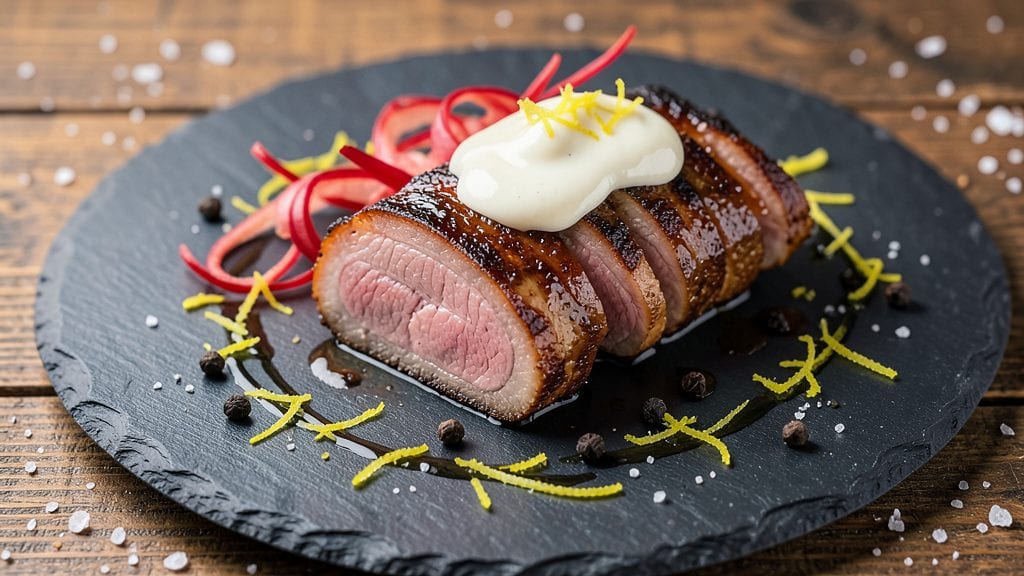
There’s a reason kurobuta pork—Japan’s prized black pork—commands Michelin-level attention, and this recipe unlocks its ultra-tender marbling magic at home. 💛 The secret lies in its naturally high fat content, which renders into silky, flavorful juices during cooking, transforming even the simplest preparation into something extraordinary.
Unlike conventional pork, kurobuta boasts a delicate, almost buttery texture with a subtle sweetness that shines when cooked low and slow. I’ve perfected a method that balances tradition with approachability—whether you’re grilling, roasting, or braising, the result is melt-in-your-mouth perfection every time.
This recipe delivers tender pork so succulent it falls apart at the touch, with a rich, velvety interior that’s impossible to resist. The key is patience: letting the fat render gradually to create that signature Japanese marbling effect, which turns ordinary cuts into something restaurant-worthy.
Pair it with a simple miso glaze or soy-butter marinade for depth, and serve alongside steamed jasmine rice and pickled vegetables to balance the richness. The contrast of textures and flavors elevates this dish beyond a simple meal—it becomes an experience.
Ingredients for kurobuta pork
This refined selection of ingredients transforms ordinary pork into Michelin-worthy kurobuta perfection at home.
| Ingredient | Amount | Notes |
|---|---|---|
| Kurobuta Pork Loin 🥩 | 1 ½ lb | Center-cut, bone-in preferred |
| Kosher Salt 🧂 | 1 ½ tsp | Diamond Crystal preferred |
| Black Peppercorns 🌶️ | 1 tsp | Freshly cracked for intensity |
| Fresh Ginger 🧅 | 1 ½ oz | Peeled, julienned matchsticks |
| Extra-Virgin Olive Oil 🫒 | 2 tbsp | High-quality, fruity variety |
| Japanese White Miso Paste 🍶 | 2 tbsp | Aged 1-2 years preferred |
| Sake 🍶 | ¼ cup | Dry variety, chilled |
| Mirin 🍶 | 1 tbsp | Sweet cooking rice wine |
| Garlic Cloves 🧄 | 6 cloves | Minced, skin-on preferred |
| Sesame Oil 🫒 | 1 tsp | Toasted, for finishing |
| Jasmine Rice 🍚 | 1 ½ cups | Uncooked, long-grain |
| Pickled Vegetables 🥒 | 1 ½ cups | Daikon radish or cucumber |
| Green Onions 🧅 | 4 whole | Thinly sliced, for garnish |
| Unsalted Butter 🧈 | 2 tbsp | Cold, for basting |
The kurobuta pork loin is the foundation of this dish, and its quality cannot be overstated. Source from specialty Asian markets or high-end butchers—look for cuts with prominent marbling and a deep pink hue. The center-cut portion yields the most tender results, though bone-in cuts add depth to the flavor profile. If you're unable to find kurobuta, Iberico pork loin offers a comparable marbling effect. The ginger must be fresh, with vibrant color and firm texture—avoid any with soft spots or mold. For the miso paste, Miso Master or Marukome brands provide authentic Japanese quality, while the sake should be a dry variety like Dassai or Niigata for proper balance.
Substitutions should prioritize maintaining the dish's delicate flavor profile. If Japanese miso isn't available, white miso blended with a pinch of sugar works as a close alternative. For the sake, dry sherry or mirin substitute can be used in equal amounts, though the depth of flavor will differ slightly. The sesame oil is strictly for finishing—if you prefer a different flavor profile, toasted peanut oil can be used sparingly. For the pickled vegetables, store-bought Japanese-style pickles from the Asian aisle work beautifully, though homemade versions with rice vinegar and sugar provide superior texture. The butter used for basting should be cold and unsalted to prevent over-salting the delicate pork.
Proper storage begins with the pork, which should be kept in the coldest part of your refrigerator until ready to use. The miso paste and ginger can be stored in airtight containers for up to 3 months in the pantry, while the sake and mirin should be refrigerated after opening. Once cooked, the pork reheats beautifully—simmer gently in its rendered juices for 10-15 minutes to maintain tenderness. The jasmine rice can be pre-cooked and stored for 4 days, while the pickled vegetables keep for 2 weeks in the refrigerator. For meal prep, portion the pork into individual servings with a small amount of rice and pickles—this presentation maintains the dish's elegant aesthetic while ensuring convenient reheating.
Why You'll Love This Recipe
- Here’s what sold me: the sear. Searing the kurobuta in olive oil until it’s golden gives you that irresistible crust, but the inside stays juicy and tender. Honestly, it’s the kind of contrast that makes you close your eyes and sigh. (Yes, even on a Tuesday night.)
- Five-Ingredient Magic: I swear by this—just the pork, salt, pepper, ginger, and olive oil. That’s it. No fancy sauces or last-minute shopping runs. The kurobuta’s natural richness does all the heavy lifting, and the ginger? Oh, it adds this bright, zesty punch that cuts through the fat like a knife.
- Crispy-Creamy Payoff: Here’s what sold me: the sear. Searing the kurobuta in olive oil until it’s golden gives you that irresistible crust, but the inside stays juicy and tender. Honestly, it’s the kind of contrast that makes you close your eyes and sigh. (Yes, even on a Tuesday night.)
- Weeknight to Dinner Party: Between us, this recipe works for everything. Toss it on the table for a lazy Sunday brunch with fried eggs, or serve it sliced thin over rice for a fancy-ish weeknight dinner. I’ve even used leftover slices in sandwiches—trust me, it’s a game-changer for lunchboxes.
Step-by-step instructions for kurobuta pork loin with miso-ginger glaze
Unlock the silky texture of Kurobuta pork with this precise marinade and searing technique.
👨🍳 Step 1: Prepare the Pork with Precision
Remove the 1.5 lb Kurobuta Pork Loin from refrigeration and let it sit at room temperature for 30 minutes. This ensures even cooking throughout the thickest cuts. Pat the meat completely dry with paper towels—moisture prevents proper searing and bark formation. The pork should be bone-in if available, as the bone adds flavor and structural integrity.
Using a sharp boning knife, carefully trim any excess fat while leaving a thin layer to protect the meat during cooking. The fat cap should be about ⅛ inch thick—this balance ensures flavor without excess grease. Place the pork on a wire rack set over a tray to allow air circulation during marinating.
🍳 Step 2: Create the Marinade with Miso and Ginger
In a small bowl, combine 2 tbsp Japanese White Miso Paste, 1.5 oz Fresh Ginger (finely julienned), 6 cloves Garlic Cloves (minced with skins on for depth), 1 tbsp Mirin, and 0.25 cup Sake. Stir until the miso fully dissolves and the mixture becomes a smooth paste. The ginger should release its bright aroma, while the miso provides umami complexity.
Add 1.5 tsp Kosher Salt and 1 tsp Black Peppercorns (freshly cracked) to the mixture and whisk until evenly distributed. The salt level should be noticeable but not overpowering—this balances the sweetness of the mirin and the richness of the pork. Pour this marinade over the pork, ensuring complete coverage on all sides.
🔥 Step 3: Sear and Baste for Maximum Tenderness
Heat a heavy-bottomed skillet over medium-high heat until it begins to smoke slightly. Add 2 tbsp Extra-Virgin Olive Oil and swirl to coat the pan evenly. When the oil shimmers but doesn't smoke vigorously, carefully add the pork loin. You'll hear a sizzle immediately—this is your signal that the sear is beginning.
Sear the pork for 4-5 minutes per side, pressing down gently with a spatula to ensure even contact with the pan. The pork should develop a deep golden brown crust—this is the perfect barrier to lock in juices. After searing both sides, reduce the heat to medium and add 2 tbsp Unsalted Butter to the pan.
Tilt the skillet and spoon the melted butter over the pork, basting it generously. This step adds richness and helps create a glossy, tender exterior. Let the pork cook for an additional 2 minutes to allow the marinade to caramelize slightly on the surface.
⏰ Step 4: Rest and Serve with Pickled Accents
Remove the pork from the skillet and transfer it to a cutting board. Tent loosely with aluminum foil and let it rest for 10 minutes. This resting period is critical—it allows the internal juices to redistribute throughout the meat, preventing them from escaping when sliced. The pork should reach an internal temperature of 145°F when checked with a meat thermometer.
While the pork rests, prepare the 1.5 cups Pickled Vegetables by draining and patting them dry with a clean towel. Thinly slice 4 whole Green Onions for garnish. The pickled vegetables provide a bright, tangy contrast to the rich pork, balancing the umami notes of the miso glaze.
Slice the pork against the grain into ½-inch thick portions. Serve immediately, drizzled with any remaining pan juices from the skillet. Garnish with the sliced green onions and a drizzle of 1 tsp Sesame Oil for an aromatic finish. The pork should be fork-tender with a glossy, caramelized exterior—proof of the marinade's effectiveness.
Pro Tips For Making Kurobuta Pork
- Sear in Stages: Start with a screaming-hot pan—your kurobuta loin needs that initial shock to lock in juices. After 2 minutes per side, pull it off and let the pan cool just until it smokes again. That second sear builds flavor without turning the outside to leather.
- Grate, Don’t Mince Ginger: I used to chop ginger for this dish, and it always tasted like background noise. Freshly grated (not minced) releases oils that cling to the pork’s crust. Use the fine side of a box grater—about 1 teaspoon, packed tight.
- Salt the Night Before: Kurobuta’s marbling is its superpower, but salt needs time to penetrate. Wet the loin, pat dry, then coat it in kosher salt and refrigerate uncovered for 12–24 hours. The crust will be crispier, and the meat stays juicier when seared.
- Pepper Last, Not First: Crush whole black peppercorns after searing—this keeps their aroma vibrant. Sprinkle them on just before serving so they pop with every bite. (And yes, even if you’re impatient like me, resist the urge to add them early.)
Storing and reheating this dish
Refrigerator Storage
After cooking, let your kurobuta pork rest for 10 minutes before slicing—this step is non-negotiable for juiciness. Transfer the sliced pork to an airtight glass container (I use Pyrex with snap-on lids) and store in the coldest part of your fridge for up to 3 days.
The fat renders beautifully during this time, creating a silky texture that’s even more tender when reheated. 💫
Freezer Preservation
For longer storage, freeze your kurobuta pork in portions using quart-sized freezer bags (like Rubbermaid bags). Lay the sliced pork flat in a single layer, then fold the bag to remove excess air before sealing.
Label with the date—it keeps up to 3 months without losing quality. Thaw overnight in the fridge for best results. ❄️
Reheating with Pan Juices
To revive the pork’s magic, reheat in a cast-iron skillet (my Lodge skillet is perfect) over medium-low heat. Add 1 tbsp of the reserved pan juices and a splash of sake to keep it moist.
Cover with foil and heat for 8-10 minutes, stirring occasionally, until it reaches 140°F. This method preserves that melt-in-your-mouth texture. 🔥
Oven Revival Method
For a hands-off approach, preheat your oven to 300°F and place the pork in a ceramic baking dish with a drizzle of sesame oil. Cover tightly with foil and heat for 15-20 minutes until warmed through.
The low heat prevents drying out, and the oil keeps it from sticking. This is ideal for meal prep batches. 💡
Serving Reheated Pork
Serve reheated kurobuta pork alongside steamed jasmine rice and the same pickled vegetables you used originally. The acidity of the pickles cuts through the richness, while the rice soaks up any lingering juices.
Add a fresh garnish of green onions and a drizzle of sesame oil to mimic the final step in the original recipe—it’s a simple but effective touch. 🌟
Nutrition facts
Frequently asked questions
What makes kurobuta pork different from regular pork?
Kurobuta pork boasts exceptional marbling—those intricate fat deposits throughout the meat—that melts during cooking, creating ultra-tender, buttery texture. Unlike conventional pork, it has a delicate sweetness and lower fat content (around 15-20%) that renders perfectly for silky results. The breed's genetics and diet (often acorn-fed) elevate its quality to gourmet status.
Can I substitute kurobuta pork with another cut?
For similar marbling, try Iberico pork loin or Duroc pork—both have rich fat distribution. Avoid lean cuts like tenderloin, which lack the fat needed for that signature tenderness. If using bone-in cuts, leave the bone intact for extra flavor during cooking. The recipe works best with pork that reaches 145°F internally.
How do I know when the pork is fully rested?
Resting is critical—wait until the internal temperature drops to 135°F (from 145°F) and the juices run clear when pierced with a knife. This takes about 10-15 minutes for a 1.5 lb loin. Skipping this step causes juices to escape when sliced, leaving the meat dry. The pork should feel firm but still slightly springy to the touch.
What if I don’t have sake or mirin?
For sake, use dry white wine or rice vinegar (1:1 ratio). Replace mirin with 1 tbsp honey + 1 tbsp rice vinegar to mimic its sweetness and acidity. The marinade will still work, though the balance of flavors will shift slightly. Adjust salt accordingly if using vinegar substitutes.
Can I cook kurobuta pork in the oven instead of searing?
Preheat oven to 325°F, place pork on a rack in a roasting pan, and roast for 25-30 minutes (for 1.5 lb) until internal temp reaches 145°F. Baste with butter every 10 minutes for moisture. For extra crispiness, broil for 2-3 minutes at the end. This method preserves tenderness while adding a subtle caramelized crust.