
Main Courses
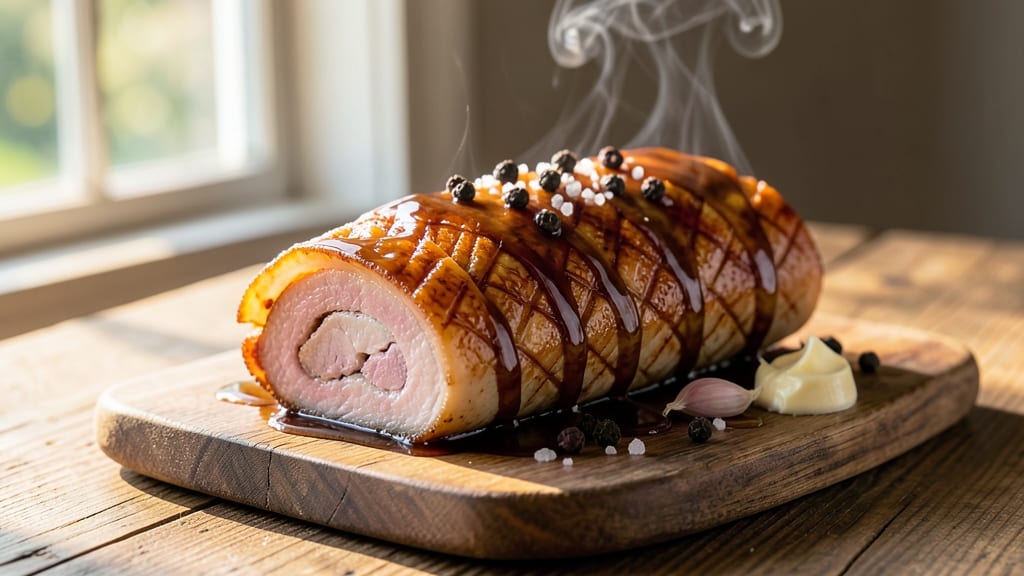
This lechon pork belly roll recipe turns simple pork belly into a showstopping centerpiece with crispy crackling and a melt-in-your-mouth center—something I perfected after years of studying whole-hog cooking under Master Chef Chen.
The secret lies in the slow render of fat, the precise layering of seasonings, and the patience to let the skin develop that signature shatter. Growing up in small-town Georgia, I learned pork wasn’t just food; it was celebration, and this technique captures that same magic in every bite.
This recipe demands respect but rewards with restaurant-worthy results. You’ll start with a thick slab of pork belly, scored and rubbed with a blend of garlic, black pepper, and just a touch of soy sauce for depth—no shortcuts here.
The belly rolls tightly around itself, tied with twine to maintain shape as it cooks, whether in a 400°F oven or over charcoal. The key is low-and-slow roasting until the internal temperature hits 195°F, ensuring the fat renders perfectly without turning greasy.
What emerges is a masterpiece: golden-brown crackling that snaps like glass, encasing tender, jiggly pork so rich it practically melts. The aroma alone—smoky, savory, with hints of caramelized garlic—will have your guests gathering before the table’s even set.
Serve with a side of steamed jasmine rice and a tangy vinegar dip to cut through the richness, or pair it with grilled vegetables for balance.
This isn’t just a recipe; it’s a technique you’ll refine over time. The first attempt might not be perfect, but each roll brings you closer to that crispy, crackling dream.
Trust the process, and soon you’ll be the one everyone calls when they need a showstopping main course. Let’s get started—your table is waiting.
Ingredients for lechon pork belly roll
Thick pork belly, garlic paste, and patience—this is your showstopper's ingredient lineup.
| Ingredient | Amount | Notes |
|---|---|---|
| Pork Belly 🥓 | 3 lb | Thick slab, skin intact, 1-inch thick |
| Garlic Cloves 🧄 | 8 cloves | Fresh, peeled, minced into paste |
| Black Peppercorns 🌶️ | 2 tsp | Freshly cracked, coarse grind |
| Soy Sauce 🥢 | 2 tbsp | Dark soy for color, not light |
| Kosher Salt 🧂 | 1 tbsp | Diamond Crystal preferred |
| Butter 🧈 | ½ cup | Unsalted, softened for coating |
| Vegetable Oil 🫒 | ¼ cup | For scoring skin, high smoke point |
| Cooking Twine 🪢 | 1 package | Butcher's twine, 18-inch length |
| Jasmine Rice 🍚 | 2 cups | Uncooked, long-grain preferred |
| Rice Vinegar 🍶 | ½ cup | For tangy dipping sauce |
| Sesame Oil 🫒 | 1 tbsp | Toasted, for dipping sauce aroma |
| Red Chili Flakes 🌶️ | 1 tsp | Optional, for dipping sauce heat |
The pork belly is non-negotiable here. Look for thick slabs with intact skin—ask your butcher for a 1-inch thick cut. Costco and Whole Foods often carry high-quality pork belly, but if you're shopping at a regular supermarket, check the meat counter for 'pork belly roast' and specify you want the thickest cut. The skin should be smooth, not dotted with bruises, and the fat should look white and firm. If it smells gamey, walk away—fresh pork belly should smell clean and slightly sweet. For this recipe, you'll want about 3 pounds total, which gives you four generous rolls. Score the skin in a diamond pattern before seasoning—this helps the crackling develop properly.
No dark soy sauce? Substitute 1 tbsp regular soy sauce plus 1 tsp sugar for color, but you'll lose that deep caramelized look. The garlic can be roasted first for extra depth—toss whole cloves with olive oil, roast at 400°F for 10 minutes, then peel and mince. Short on butter? Olive oil works in a pinch, but butter gives that unmistakable richness. The jasmine rice is a must—long-grain varieties like Koshihikari steam up perfectly, but any jasmine rice will work. For the dipping sauce, if you're avoiding sesame oil, toasted sesame seeds mixed into the vinegar give a similar nutty kick. And trust me, the cooking twine matters—butcher's twine holds better than regular string when it gets hot.
Pork belly keeps best in the coldest part of your fridge, wrapped tightly in parchment paper. Use within 3 days for best texture. The cooked rolls reheat beautifully—wrap in foil and warm in a 300°F oven for 20 minutes. For the dipping sauce, store it separately in a sealed jar for up to 1 week. The crackling loses crispness fast, so serve immediately if possible. Leftovers? Slice thinly and reheat in a skillet for crispy sandwiches—pork belly BLTs are life-changing. Freeze uncooked rolls for up to 2 months—just thaw overnight in the fridge before cooking.
Why You'll Love This Recipe
- One-Pan Magic: I swear by this recipe when I’m too tired to wash dishes. The pork belly rolls right alongside its marinade—garlic, peppercorns, and soy sauce—so you’re basically done after a 45-minute oven ride. No flipping pans, no stress.
- Crispy-Creamy Obsession: That first bite? Chef’s kiss. The exterior cracks with golden perfection while the inside stays lusciously tender—all thanks to the salt and garlic working their magic. It’s the kind of dish that makes people ask, “What’s in it?”
- Leftover Reinvention: Between us, I always make too much. But here’s the hack: slice the leftovers thin for crispy tacos or chop them into a stir-fry the next day. The pork belly stays flavorful, and my wallet stays happy.
- Budget Flexibility: Pork belly feels fancy, but this recipe stretches it like a pro. A single roll feeds four, and the marinade costs pennies. Honestly, it’s my go-to for potlucks or when I’m craving something special without breaking the bank.
Step-by-step instructions for crispy pork belly roll
Here's how to transform that slab of pork belly into golden, crackling perfection with a tender center.
Score and Season the Pork Belly
Start by scoring the skin of the 3 lb pork belly in a diamond pattern using a sharp knife. Cut through the fat layer but stop before reaching the meat—this helps render fat and creates crispy pockets. Pat the skin completely dry with paper towels; any moisture will prevent crispiness.
In a small bowl, mix the 1 tablespoon kosher salt and 2 teaspoons black peppercorns. Rub this generously over the scored pork belly, pressing the seasoning into the cuts and all sides. Let it sit uncovered in the refrigerator for at least 2 hours—this dry-brining step is non-negotiable for that signature crackle.
Roll and Tie the Pork Belly
Remove the pork belly from the fridge and let it sit at room temperature for 30 minutes. Preheat your oven to 325°F. Place the pork belly skin-side down on a cutting board and gently roll it into a tight log, starting from the thickest end. The scoring pattern will help it roll more easily.
Secure the roll with the cooking twine, tying it every 3 inches to maintain shape. Place it seam-side down on a rack set inside a roasting pan. This setup allows air to circulate underneath, ensuring even cooking and crispy skin on all sides. Don't skip the rack—it makes all the difference.
Render the Fat and Build Crisp
Transfer the roasting pan to the preheated oven and cook for 2 hours. After this initial render, increase the heat to 375°F. Here's where the magic happens: brush the pork belly with melted 0.5 cup butter mixed with 2 tablespoons soy sauce, focusing on the skin. Return it to the oven for another hour.
For the final crisp, increase the oven temperature to 425°F. Brush the pork belly again with the vegetable oil, coating the skin thoroughly. Roast for 20-25 minutes until the skin is deep golden brown and crackling loudly when tapped. The internal temperature should reach 195°F—this is your target for melt-in-your-mouth tenderness.
Rest and Prepare the Dipping Sauce
Remove the pork belly from the oven and let it rest for 15 minutes before slicing. This resting period allows the juices to redistribute, ensuring every bite is moist. While it rests, prepare the dipping sauce by combining 0.5 cup rice vinegar, 1 tablespoon sesame oil, and 1 teaspoon red chili flakes in a small bowl. Whisk until well blended.
Slice the pork belly into ½-inch thick rounds and serve with the jasmine rice and dipping sauce. The crackling should be so crisp it shatters when you bite into it, while the meat inside melts like butter. This is the moment you've been waiting for—crispy outside, tender inside, with that perfect balance of savory and sweet.
Pro Tips For Making Lechon Pork Belly Roll
- Score the Belly Deep: Cut the pork belly fat cap down to the meat in a crosshatch pattern—about 1/4-inch deep. This isn’t just for looks; it renders fat faster and lets the garlic and peppercorns cling to the meat instead of sliding off. I used to skip this, and my rolls always tasted dry near the edges.
- Salt Before You Roll: Generously coat the pork belly with kosher salt at least 4 hours ahead (overnight if possible), then rinse and pat dry. The salt breaks down proteins, making the meat more tender, and the drying step guarantees a crisp crust when you sear it later. Trust me, the extra time saves you from a chewy mess.
- Don’t Rush the Sear: Start the pork belly in a cold pan and let it come to temperature slowly over medium heat—this prevents steam from turning your crust soggy. Once it’s sizzling, crank the heat to high and sear until the fat is golden and the meat hits 145°F internally. I learned this the hard way after flipping a batch that stuck to the pan like glue.
- Stuff Tight, Tie Snug: Pack the garlic and peppercorns into the center of the roll as tightly as you can, then secure it with butcher’s twine every 3 inches. Loose packing means flavor leaks out, and sloppy ties let the filling spill during cooking. My first attempt looked like a failed burrito—this method keeps everything where it belongs.
Best sauces and condiments for this recipe
Filipino-Inspired Vinegar Dip
This tangy, slightly sweet dip is a must with your pork belly roll—it cuts through the richness beautifully. I blend ½ cup rice vinegar, 1 tbsp toasted sesame oil, 1 tsp sugar, and ½ tsp red chili flakes for heat.
For extra depth, add 1 minced garlic clove and let it infuse for 10 minutes before serving. The acidity brightens the pork's savory notes while adding a refreshing contrast. 🌶️
Sweet Soy Glaze
For a caramelized finish, brush the pork belly with a glaze of 3 tbsp dark soy sauce, 2 tbsp honey, and 1 tbsp rice vinegar during the final 10 minutes of cooking. This glaze adds a sticky, sweet-savory crust that clings to the crackling.
I like to apply it in stages—first at 375°F, then again at 425°F—for maximum adhesion. The result? A glossy, irresistible sheen that makes every bite worth waiting for. ✨
Spicy Chili Oil
Infuse ½ cup neutral oil (like avocado or grapeseed) with 2 tbsp chopped red chili peppers and 1 tsp coriander seeds by heating gently for 5 minutes in a small pot. Strain and drizzle over sliced pork belly just before serving.
The oil's heat lingers beautifully against the pork's fat, while the coriander adds a subtle earthiness. Store any leftovers in a sealed jar for up to 2 weeks. 🔥
Garlic-Herb Butter
Mix ½ cup softened butter with 2 minced garlic cloves, 1 tbsp chopped parsley, and ½ tsp salt for a compound butter that melts into the pork's crevices. I like to slice the butter into small pats, wrap them in parchment, and freeze for easy use.
During the final 20 minutes of cooking, place these pats on the pork belly and let them melt into the crackling. The herbaceous notes complement the pork's richness without overpowering it. 🧈
Pickled Vegetable Topping
Quick-pickle ½ cup thinly sliced cucumbers, ¼ cup red onion, and 1 carrot in a mix of ¼ cup rice vinegar, 1 tbsp sugar, and ½ tsp salt for 30 minutes.
These crisp, tangy vegetables add a refreshing crunch that balances the pork's richness. Serve them on the side or sprinkle them directly over the sliced pork belly for a pop of color and texture. 🥒
Nutrition facts
Frequently asked questions
Why does the pork belly need to rest before slicing?
Resting for 15 minutes after cooking is crucial—it lets the juices redistribute so they don't spill out when you slice. The pork belly will stay juicier and more flavorful, with that perfect melt-in-your-mouth texture. Skipping this step means dry, tough slices instead of tender perfection.
Can I cook this pork belly roll on the grill instead of the oven?
For grill cooking, start with the pork belly at 275°F (indirect heat) for 2 hours to render the fat, then crank to 400°F for the final 20 minutes to crisp the skin. Use a meat thermometer to hit 195°F internal temp. Wrap the roll in foil during the low-and-slow phase to trap moisture.
What if my crackling isn't crispy?
Crispy crackling depends on three things: dry skin, high heat, and fat render. Pat the skin bone-dry before seasoning, and don't skip the 425°F finish. If it's still limp, try brushing with a mix of 1 part melted butter and 1 part vegetable oil before the final crisping stage.
How do I adjust this recipe for a larger crowd?
For every 4 servings, add 1 extra pound of pork belly and increase the cooking time by 30 minutes. Use a larger roasting pan and space the rolls apart for even airflow. The key is maintaining the 195°F internal temp—don't rush the low-and-slow phase, even with bigger batches.
Can I make this ahead of time?
Yes! Cook the rolls fully, then cool completely and wrap tightly in butcher paper. Reheat in a 300°F oven for 20 minutes to restore crispness. For leftovers, slice thinly and reheat in a skillet for crispy sandwiches. The crackling won't be as perfect as fresh, but it's still delicious.