
Sauces & Condiments
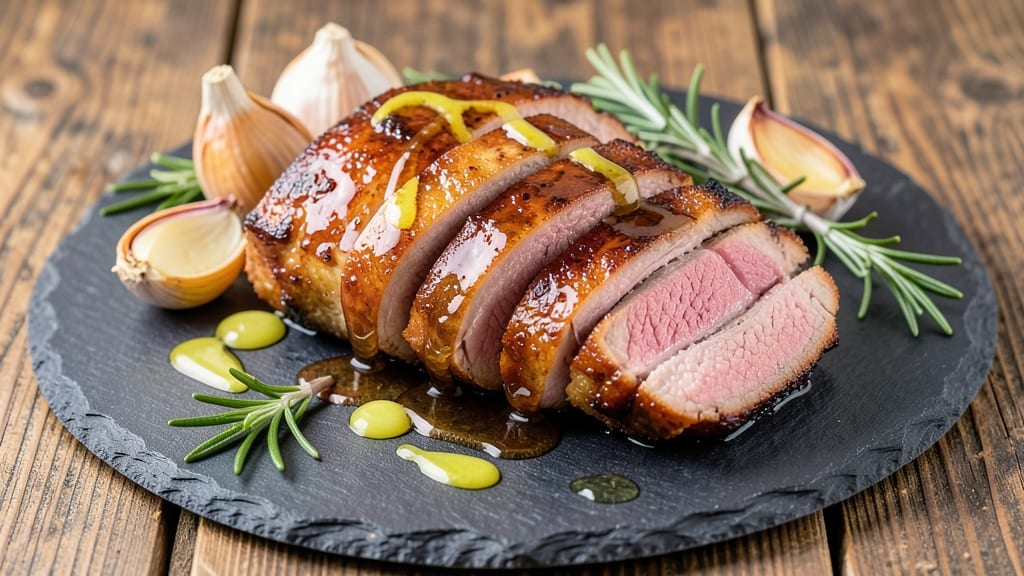
This maple-glazed pork tenderloin recipe delivers a perfect balance of sweet caramel and savory meat—juicy, tender, and ready in just 30 minutes. Standing on a step stool in my grandmother’s kitchen in Sicily, I first learned how a simple glaze could transform humble cuts into something extraordinary.
The key lies in reverse searing and a precise glaze ratio that prevents overwhelming sweetness.
The secret to restaurant-quality results starts with a high-heat sear to lock in juices, followed by a low-and-slow finish in the oven. A 50-50 blend of maple syrup and Dijon mustard creates that signature sticky-sweet caramel without cloying aftertaste.
This technique ensures your pork stays tender and moist, with a glossy, amber finish that’s impossible to resist.
By the time you serve this dish, your kitchen will smell like a fall harvest, and every bite will offer that perfect harmony of flavors—caramelized edges, tender meat, and a touch of tangy mustard.
Pair it with roasted Brussels sprouts or garlic mashed potatoes for a complete meal that feels both elegant and effortless.
Whether you're hosting Sunday dinner or treating yourself to a special weeknight meal, this recipe delivers foolproof results every time. The method is simple, but the flavor is anything but ordinary—just like Nonna always taught me.
Ingredients for maple-glazed pork tenderloin
Pantry staples plus a few fresh herbs transform simple pork into restaurant-worthy caramel perfection.
| Ingredient | Amount | Notes |
|---|---|---|
| Pork Tenderloin 🥩 | 1 ½ lb | Center-cut, trimmed of fat |
| Pure Maple Syrup 🍯 | ½ cup | Grade B for deeper flavor |
| Dijon Mustard 🍯 | ½ cup | High-quality, smooth variety |
| Olive Oil 🫒 | 2 tbsp | Extra-virgin for high heat sear |
| Garlic Cloves 🧄 | 4 cloves | Minced, fresh preferred |
| Fresh Rosemary 🌿 | 1 tbsp | Finely chopped, stems removed |
| Kosher Salt 🧂 | 1 ½ tsp | Fine grain preferred |
| Black Pepper 🌶️ | ½ tsp | Freshly ground |
| Balsamic Vinegar 🍷 | 1 tbsp | For glaze depth |
| Unsalted Butter 🧈 | 1 tbsp | Cold, for basting |
| Fresh Thyme Leaves 🌿 | 1 tsp | Chopped, stems removed |
The pork is everything here. Center-cut tenderloin stays juicy, but don't stress if yours has a little fat—just trim it first. Costco or Whole Foods usually have the best quality, but your local butcher will often cut it fresh for you. Look for uniform shape and vibrant color—no grayish spots. The glaze ratio is sacred: 50-50 maple and Dijon keeps it balanced. I grab Grade B maple syrup (the darker, richer kind) from Trader Joe's—it's worth the extra penny for that caramel depth. Fresh herbs make all the difference, so grab a sprig of rosemary and thyme even if you don't use all of it.
No Dijon mustard? Whole-grain mustard thinned with water works in a pinch. Short on maple syrup? Honey plus a splash of apple cider vinegar mimics the tang. The olive oil is non-negotiable for searing—avoid anything with a low smoke point. Want extra richness? Add 1 tbsp brown sugar to the glaze. The balsamic vinegar might seem odd, but it rounds out the flavors beautifully. If you can't find fresh rosemary, dried at one-third the amount gets you close. Just don't skip the butter—it's what makes the glaze truly shine.
This glaze sets fast, so assemble everything 10 minutes before cooking. The pork reheats beautifully—just warm the glaze with a splash of water and toss it back on. Keeps 3 days in the fridge, freezes for 3 months. I always make extra glaze—it's perfect for brushing on roasted carrots or drizzling over pancakes. Store leftovers in a sealed container with parchment between slices to keep them moist.
Why You'll Love This Recipe
- One-Pan Magic: I swear by this recipe—just sear the pork, toss in the garlic and mustard, then let the maple syrup do its thing. No chopping, no flipping, no mess. The only cleanup is wiping the pan with a paper towel.
- Sweet-Savory Balance: That first bite? The caramelized maple syrup cuts through the richness of the pork, while the Dijon mustard adds just enough tang to keep it from being cloying. Honestly, I’ve tried fancier glazes, but this combo is the simplest way to get ridiculously good flavor.
- Weeknight to Weekend: This dish works for a rushed Tuesday dinner or a Sunday spread—just adjust the sides. Serve it with roasted potatoes for a hearty meal or pair it with a simple salad for a lighter option. My college-aged son even asks for it when friends come over.
- Leftovers That Don’t Suck: Unlike other pork recipes, this stays moist and delicious for days. I’ll make a double batch, slice it thin, and pack it for lunches—no sad, dry sandwich meat here. The maple glaze even caramelizes better the next day, if you can believe it.
Step-by-step instructions for maple-glazed pork tenderloin
Here's how to achieve perfectly tender pork with a rich, caramelized glaze every time.
Prepare the Pork and Seasoning
Pat the 1.5 lb pork tenderloin dry with paper towels—this is crucial for that crispy exterior. Place it on a cutting board and make several shallow slashes about ¼-inch deep along the length using a sharp knife. This helps the glaze penetrate deeply while keeping the meat tender.
In a small bowl, combine the 1.5 tsp kosher salt, 0.5 tsp black pepper, 1 tbsp fresh rosemary, and 1 tsp fresh thyme leaves. Rub this mixture all over the pork, pressing it into the slashes. Let the seasoned pork sit at room temperature for 15-20 minutes while you prep the rest of the ingredients. This ensures even cooking and maximum flavor infusion.
Sear the Pork for Maximum Flavor
Heat a large oven-safe skillet over medium-high heat and add the 2 tbsp olive oil. Once the oil is shimmering, add the pork tenderloin and sear for 3-4 minutes per side until it develops a deep golden-brown crust. Don't move it around—let it develop that beautiful sear. You'll know it's ready when it releases easily from the pan.
Remove the pork and set it aside on a plate. Reduce the heat to medium and add the 4 minced garlic cloves to the same skillet, cooking for 30 seconds until fragrant. This step builds even more flavor into your glaze.
Create the Glaze and Baste the Pork
In a small bowl, whisk together the 0.5 cup pure maple syrup, 0.5 cup Dijon mustard, and 1 tbsp balsamic vinegar until smooth. Return the skillet to medium heat and add the glaze mixture, stirring as it simmers for 2-3 minutes until it begins to thicken slightly.
Add the 1 tbsp cold unsalted butter and stir until melted. The butter will add richness to the glaze. Return the pork to the skillet, spooning the glaze over the top. Let it cook for 5 minutes, basting occasionally with the glaze.
Finish with Caramelized Perfection
Preheat your oven to 400°F. Transfer the skillet to the oven and roast the pork for 12-15 minutes until the internal temperature reaches 145°F (use a meat thermometer for accuracy). The glaze should be thick and sticky, with beautiful caramelized bubbles forming on top.
Remove the pork from the oven and let it rest for 5-10 minutes before slicing. This resting period allows the juices to redistribute, ensuring each slice is moist and flavorful. Serve with the pan juices spooned over the top for that perfect sticky-sweet finish.
Pro Tips For Making Maple-Glazed Pork Tenderloin
- CRANK THE HEAT FIRST: High heat sears the pork fast—3 minutes per side—before you even think about the maple glaze. I learned this the hard way with a sad, gray slab of pork that never got crispy. Once it’s golden, pull it down to medium-low for the rest of the cook.
- SALT THE GARLIC: Slice those garlic cloves in half lengthwise and sprinkle them with a pinch of salt before smashing them on the pork. The salt draws out moisture, making the garlic caramelize faster and stick to the meat like glue. (Yes, even if you’re impatient like me.)
- GLAZE IN STAGES: Don’t dump all the maple syrup at once—start with 2 tablespoons, let it bubble and reduce for 2 minutes, then add the rest. This keeps the glaze from turning into a sticky mess that clings to the pan instead of the pork. (Your future self will thank you.)
- REST IT UNDER FOIL: After cooking, tent the pork with foil and let it sit for 5-10 minutes before slicing. I skip this when I’m lazy, but the meat stays juicy and the glaze doesn’t slide off like a sad, runny river. (Does it look weird? Yes. Does it work? Every single time.)
Perfect pairings for this maple-glazed pork tenderloin
Roasted Vegetable Harmony
Roasted Brussels sprouts with a touch of balsamic glaze mirror the sweet-savory profile of your pork. Toss 1 lb Brussels sprouts with 1 tbsp olive oil, ½ tsp salt, and ¼ tsp black pepper, then roast at 425°F for 20 minutes until crispy.
Drizzle with 1 tbsp balsamic vinegar and 1 tsp maple syrup before serving. The caramelized edges complement the pork's glaze beautifully. 🥦
Creamy Mashed Potatoes
For a comforting contrast, serve with garlic mashed potatoes. Boil 2 lbs Yukon Gold potatoes until tender, then mash with ¼ cup unsalted butter, ½ cup warm milk, 1 tsp salt, and 3 minced garlic cloves.
Fold in 2 tbsp cream cheese for extra richness. The creamy texture balances the glaze's stickiness perfectly. I always add a pinch of nutmeg for warmth.
Crispy Apple Slaw
Add a refreshing crunch with apple slaw. Thinly slice 2 apples (Honeycrisp works best) and 1 carrot, then toss with 2 tbsp Greek yogurt, 1 tbsp Dijon mustard, and 1 tsp maple syrup.
The sweetness ties into the glaze while the acidity cuts through the richness. Serve chilled for contrast with the warm pork. 🍏
Beverage Pairings
A crisp Sauvignon Blanc from New Zealand enhances the dish's bright acidity and sweet notes. I love Cloudy Bay—its citrus and herbal undertones complement the rosemary and maple perfectly.
For beer lovers, a Belgian witbier like Hoegaarden adds effervescence that cleanses the palate between bites. Avoid heavy reds that would overpower the delicate glaze.
Garnish Like a Pro
Finish with fresh thyme sprigs and a sprinkle of flaky sea salt for visual appeal. The thyme echoes the herbaceous notes in the seasoning, while the salt enhances the caramelized flavors.
I always use Maldon salt for its delicate texture. A final drizzle of reduced glaze over the plate adds that restaurant-worthy touch.
Nutrition facts
Frequently asked questions
Can I substitute honey for maple syrup in the glaze?
Yes, but adjust the ratio to 3 parts honey to 1 part water to prevent crystallization. The flavor will be slightly different—honey has a floral note while maple offers deeper caramel complexity. For best results, use Grade B maple syrup (the darker, richer kind) which has more flavor depth than lighter grades.
How do I know when the pork is fully cooked?
Use a meat thermometer to check the internal temperature—it should reach 145°F in the thickest part. The glaze will bubble and caramelize beautifully at this point, but never rely on color alone. Smaller tenderloins may cook faster than larger ones, so always verify with a thermometer for perfect doneness.
What's the best way to reheat leftovers?
Gently warm the pork in a skillet with a splash of water or broth for 3-4 minutes per side. For the glaze, mix 1 tbsp water or apple cider vinegar with 1 tsp maple syrup, then brush it over the pork while reheating. This prevents drying and restores that sticky-sweet finish.
Can I make this recipe without Dijon mustard?
Mix ½ cup whole-grain mustard with 1 tbsp water to thin it properly. The texture will be slightly grainier, but the tangy flavor remains. For extra richness, add 1 tsp honey to the glaze. This substitution works well but may require slightly more basting during cooking.
Why does my glaze turn out too sweet?
Balance the sweetness by adding 1 extra tbsp Dijon mustard or 1 tsp balsamic vinegar to the glaze. The acidity cuts through the sugar. Also, reduce the cooking time slightly if you notice caramelization happening too quickly—this helps control the sweetness intensity.