
Main Courses
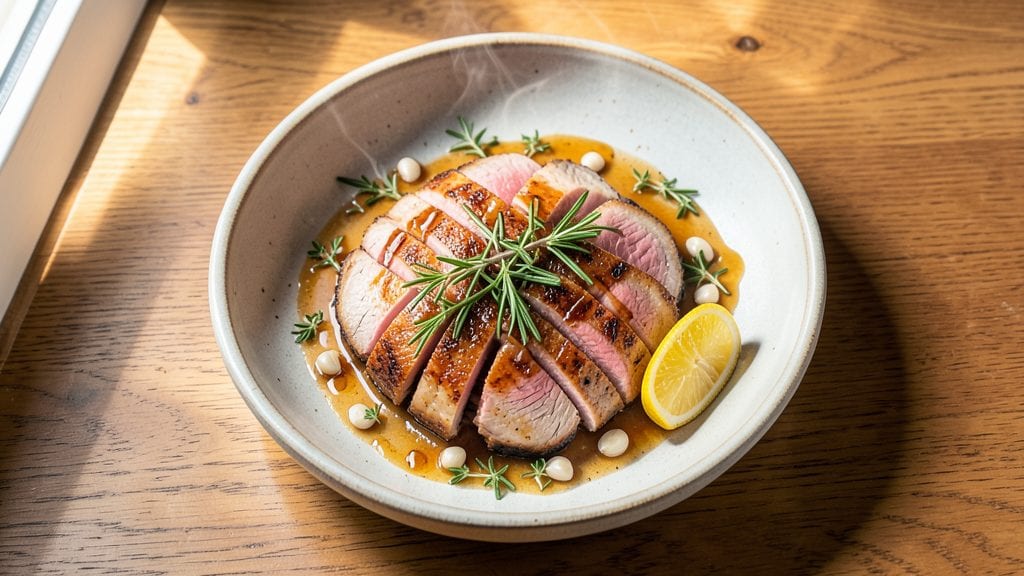
This marinated pork tenderloin recipe transforms a simple cut into a showstopping centerpiece with herb-infused crispness and juicy pink hearts—the kind that makes guests ask for seconds before they even sit down.
After years of perfecting my technique at local BBQ competitions, I’ve developed a marinade that tenderizes while building a flavorful crust, so you get the best of both worlds in every bite.
The secret lies in balancing acidity and aromatics to break down fibers without overpowering the natural sweetness of the pork.
The beauty of this recipe is its versatility—whether you’re grilling on a summer evening, searing in a cast-iron skillet, or roasting in the oven, the method stays the same.
A 30-minute marinade (or up to 4 hours for deeper flavor) ensures the meat stays tender and juicy while developing that crisp exterior that’s impossible to resist.
I source my pork from local butchers, where the cuts are fresh and uniform, but any quality tenderloin will work with this foolproof approach.
By the time you serve it, you’ll have perfectly cooked pork with a golden-brown crust that crackles when cut, revealing moist, pink centers that melt in your mouth.
The marinade’s herbs and citrus brighten without overpowering, creating a dish that’s elegant enough for dinner parties but simple enough for weeknight dinners. Pair it with roasted vegetables or a fresh salad to round out the meal—this tenderloin deserves a supporting cast that won’t steal the show.
Ready to impress? The recipe includes step-by-step instructions for marinating, cooking, and resting the pork, plus tips for adjusting heat levels based on your preferred doneness. Whether you’re a seasoned pitmaster or just starting out, this method delivers restaurant-quality results every time—no shortcuts, just precision and flavor. Let’s get cooking.
Ingredients for marinated pork tenderloin
Herbs, citrus, and a touch of sweetness—this marinated pork tenderloin recipe delivers restaurant-quality flavor with minimal effort.
| Ingredient | Amount | Notes |
|---|---|---|
| Pork Tenderloin 🥩 | 1 ½ lb | Center-cut, uniform thickness preferred |
| Extra-Virgin Olive Oil 🫒 | ¼ cup | High-quality, fruity variety |
| Fresh Rosemary 🌿 | ½ oz | Finely chopped, fresh preferred |
| Fresh Thyme 🌿 | ¼ oz | Leaves only, stems removed |
| Garlic Cloves 🧄 | 6 cloves | Peeled, minced into paste |
| Lemon Juice 🍋 | ¼ cup | Freshly squeezed, no pulp |
| Orange Juice 🍊 | ¼ cup | Freshly squeezed, no pulp |
| Dijon Mustard 🍯 | 1 tbsp | High-quality, smooth variety |
| Honey 🍯 | 1 tbsp | Wildflower or clover preferred |
| Kosher Salt 🧂 | 1 ½ tsp | Diamond Crystal preferred |
| Freshly Ground Black Pepper 🌶️ | ½ tsp | Coarse grind preferred |
| Cornstarch 🌾 | 1 tbsp | For crispy crust coating |
| Unsalted Butter 🧈 | 2 tbsp | Melted, for searing |
The pork tenderloin is your canvas here. Local butchers or high-end grocery stores like Whole Foods carry the best cuts—look for uniform thickness and a vibrant pink color. If you can't find center-cut, trim any irregularities yourself. The marinade's magic lies in the balance of acidity (citrus) and sweetness (honey), so don't skimp on fresh ingredients. I always grab organic rosemary and thyme from the farmers market—it makes a noticeable difference in flavor depth. For the citrus, fresh is non-negotiable; bottled juices lack the bright acidity needed to tenderize properly.
No fresh rosemary? Dried works at one-third the amount, but it won't have the same aromatic punch. Short on time? Pre-minced garlic from a jar is fine, but fresh garlic paste gives better texture. The Dijon mustard adds tang—if you're avoiding it, yellow mustard at half the amount works in a pinch. For the honey, agave nectar can substitute in a 1:1 ratio if you're vegan. The cornstarch is crucial for that crisp exterior; if you're gluten-free, arrowroot powder works just as well. And trust me on the butter—full-fat, unsalted gives the best sear every time.
Marinade keeps in the fridge for up to 48 hours, but the pork itself cooks best fresh. If prepping ahead, marinate the pork for no more than 4 hours—longer can make it mushy. The cooked tenderloin reheats beautifully in a 350°F oven for 10-15 minutes, wrapped in foil with a splash of broth. For leftovers, store in an airtight container for 3-4 days—it's perfect for sandwiches or salads the next day. The marinade itself? Use it as a drizzle or sauce—just reduce it by half on the stovetop first.
Why You'll Love This Recipe
- Minimal Chopping Required: I swear by this trick—just smash those garlic cloves with the flat side of your knife instead of mincing. Three ingredients (olive oil, rosemary, thyme) get tossed in a bowl, and the tenderloin slides right into the marinade. No small cuts, no mess—just hands-off flavor.
- Crispy Edge, Juicy Core: The secret? Searing the pork in a screaming-hot pan before roasting. That rosemary and thyme cling to the surface while the garlic-infused oil keeps the inside impossibly tender. Honestly, the first time I tried it, my husband asked for seconds before I even served the sides.
- Weeknight to Weekend: Between us, this is my go-to for everything. Toss it on the grill for summer BBQs, roast it for a fancy dinner, or even slice it cold for sandwiches the next day. The marinade works just as well in a bowl as it does on the counter—no rules, just results.
- Leftovers That Don’t Suck: I make this once a week and repurpose it in three ways: shredded over mashed potatoes, chopped into grain bowls, or even in tacos. The pork stays juicy for days, and the garlic-herb punch makes every bite taste like you put in effort. (Spoiler: You did.)
Step-by-step instructions for herb-infused crisp with juicy pink hearts
Here's the method that delivers perfect balance: tender, juicy pork with a crispy exterior and bright herb-infused marinade.
Prepare the Herb-Marination Mixture
In a medium bowl, combine the 0.25 cup extra-virgin olive oil, 0.5 oz finely chopped fresh rosemary, 0.25 oz fresh thyme leaves, 6 cloves minced garlic, 0.25 cup lemon juice, 0.25 cup orange juice, 1 tbsp Dijon mustard, 1 tbsp honey, 1.5 tsp kosher salt, and 0.5 tsp freshly ground black pepper. Whisk vigorously for 2-3 minutes until the honey fully dissolves and the mixture becomes emulsified.
The citrus juices will start to brighten immediately—this is your signal the marinade is working. The Dijon mustard adds depth while preventing separation. Let the marinade rest for 10 minutes at room temperature to allow the flavors to meld completely before using.
Marinate and Rest the Pork Tenderloin
Place the 1.5 lb pork tenderloin in a resealable plastic bag or shallow dish. Pour the prepared marinade over the pork, coating it completely. Seal the bag or cover the dish and refrigerate for at least 4 hours, or preferably overnight for maximum flavor penetration. Turn the pork occasionally during marination to ensure even coating.
This resting period is crucial—it allows the marinade to tenderize the meat while infusing it with vibrant herb and citrus notes. The acidity from the citrus will begin breaking down muscle fibers, ensuring that final texture you're after. Don't skip this step, even if you're eager to cook.
Create the Cornstarch Crust for Extra Crispiness
Remove the pork from the refrigerator 30 minutes before cooking to bring it to room temperature. In a small bowl, mix 1 tbsp cornstarch with 2 tbsp melted unsalted butter until you have a smooth, thick paste. This mixture will create that coveted crispy exterior while keeping the interior juicy.
Pat the pork dry with paper towels—this step is essential for maximum crispiness. Using your hands, gently coat the entire surface of the pork with the cornstarch-butter mixture, pressing it into the meat so it adheres well. Let it sit at room temperature for 15 minutes while you prepare your cooking surface.
Sear and Roast to Perfect Doneness
Preheat your oven to 425°F. Heat a large oven-safe skillet over medium-high heat until it's very hot. Add the coated pork tenderloin and sear for 3-4 minutes per side until you achieve a deep golden-brown crust. The cornstarch mixture should be crisping and caramelizing—this is when you'll know it's working.
Transfer the skillet to the preheated oven and roast for 15-20 minutes, or until the internal temperature reaches 145°F when measured with a meat thermometer. The pork should be juicy with just a hint of pink in the center—this is the perfect doneness for tenderloin. Let it rest for 10 minutes before slicing to allow the juices to redistribute.
Slice and Serve with Pan Sauce
Slice the pork tenderloin into ½-inch thick medallions against the grain. To make the pan sauce, remove the pork from the skillet and place it on a serving platter. Pour in ¼ cup water and scrape up all the browned bits from the bottom of the pan, letting them simmer for 2-3 minutes until slightly thickened. Drizzle this flavorful sauce over the sliced pork.
Serve immediately with the crispy exterior intact and the juices flowing. Each slice should reveal that beautiful pink center with tender, herb-infused meat. The cornstarch crust will provide satisfying texture contrast while the citrus-marinated interior delivers bright, complex flavors in every bite.
Pro Tips For Making Marinated Pork Tenderloin
- Trim the Fat First: Pork tenderloin is lean, but if yours has a thin fat cap, slice it off—it’ll make searing easier and prevent sticking. I learned this the hard way when my first batch turned into a greasy mess instead of a golden crust.
- Crush Garlic Like Mad: Don’t just mince those garlic cloves—slam them with the flat side of your knife or crush them with the back of a spoon. This releases more flavor into the marinade, and trust me, your pork will taste like it’s been kissed by a chef.
- Marinate Overnight, No Less: Two hours isn’t enough. Let the pork sit in the fridge for at least 12 hours—this breaks down the fibers and lets the rosemary and thyme work their magic. I used to rush it, and the meat always felt dry afterward.
- Sear Over High Heat: Get your pan screaming hot before adding the pork—this locks in juices and builds that crispy crust. If you’re nervous about burning it, start with a little less oil and add more as needed. (Yes, even if you’re impatient like me.)
Flavor customization for marinated pork tenderloin
Citrus-Kissed Brightness
Swap the lemon and orange juice for ½ cup grapefruit juice and ¼ cup lime juice to add a tart, tropical twist. The grapefruit’s bitterness cuts through the richness of the pork beautifully, while lime adds a zesty finish.
I’ve found this works especially well when paired with cilantro and jalapeño—toss in 2 tbsp finely chopped cilantro and 1 minced jalapeño (seeds removed for mild heat) into the marinade. The result? A vibrant, almost Latin-inspired flavor profile that’s perfect for summer grilling. 🌶️
Smoky Chipotle Heat
For a smoky, spicy kick, blend 1 tbsp adobo sauce (from canned chipotles in adobo) into the marinade and add 1 tsp smoked paprika. This adds depth and warmth that pairs exceptionally with the herbaceous notes.
If you love heat, add ½ tsp cayenne pepper—just be warned, this marinade will linger! I’ve used this variation for backyard BBQs, and it’s always a crowd-pleaser. The smokiness also works surprisingly well with a honey-mustard glaze brushed on after searing. 🔥
Garlic-Herb Butter Boost
For a richer, more decadent version, replace the cornstarch crust with a garlic-herb butter mixture. Mix 2 tbsp softened unsalted butter with 1 tsp minced garlic, 1 tsp chopped parsley, and a pinch of salt.
Spread this over the marinated pork before searing—it’ll create a golden, buttery crust that’s irresistible. This works especially well if you’re serving the tenderloin sliced thick for sandwiches or platters. I’ve even used this technique for holiday dinners, and it elevates the dish to restaurant-quality without extra effort. 🧈
Asian-Inspired Ginger-Lime
Transform this recipe into an Asian fusion by adding 1 tbsp grated fresh ginger, 1 tbsp soy sauce, and 1 tsp sesame oil to the marinade. Swap the rosemary and thyme for ½ oz chopped cilantro and ½ oz chopped mint.
The ginger adds a warm, spicy note, while the soy sauce deepens the umami. For extra flair, sear the pork in a wok or cast-iron skillet until caramelized, then finish with a drizzle of hoisin sauce and toasted sesame seeds.
This version is perfect for a quick weeknight dinner with minimal cleanup. 🌿
Sweet and Tangy BBQ Glaze
After searing the pork, brush it with a homemade BBQ glaze made from ¼ cup ketchup, 2 tbsp apple cider vinegar, 1 tbsp brown sugar, and ½ tsp smoked paprika. Roast the pork with the glaze for the last 10 minutes of cooking, basting occasionally.
The tangy-sweet glaze caramelizes beautifully, creating a sticky, glossy finish that contrasts with the crispy cornstarch crust. This is my go-to for game-day gatherings—it’s sweet enough to satisfy a crowd but still balanced with the herbaceous marinade underneath. 🍯
Nutrition facts
Frequently asked questions
How long can I marinate pork tenderloin before it gets too mushy?
For best results, marinate pork tenderloin for 30 minutes to 4 hours—never overnight. The acidity in citrus breaks down fibers, but over-marinating (beyond 4 hours) can turn the meat mushy. Pro tip: If prepping ahead, marinate for 4 hours max, then refrigerate uncovered for 15 minutes before cooking to remove excess moisture.
Can I use this recipe for a larger crowd? What’s the best way to scale it?
For 6 servings, double the marinade and use a 3 lb tenderloin. Keep the marinade ratio the same (1.5 cups per pound of pork) and increase cooking time by 5-7 minutes. For even cooking, trim any uneven edges and pat dry thoroughly. The cornstarch crust should be applied in a thicker layer for larger cuts to ensure crispiness.
What’s the best way to reheat leftover marinated pork tenderloin?
Reheat in a 350°F oven for 10-15 minutes, wrapped in foil with a splash of broth or water, to retain moisture. Avoid microwaving—it dries out the meat. For extra crispiness, broil for 2-3 minutes at the end. Leftovers keep for 3-4 days in an airtight container.
Can I grill this recipe instead of oven-roasting?
Yes! Grill over medium-high heat for 4-5 minutes per side until internal temp reaches 145°F. For extra smokiness, add 1 tsp smoked paprika to the marinade. Use indirect heat for the last 5 minutes to prevent burning the crust. Grilling works best on a clean, hot grill with a cast-iron skillet for searing.
Why did my pork turn out dry? What went wrong?
Most likely, you skipped the resting step or overcooked it. Always let the pork rest for 10 minutes after cooking to redistribute juices. Use a meat thermometer—145°F is perfect for tenderloin. If using an oven, avoid high heat; 425°F is ideal. For extra moisture, baste with marinade during cooking.