
Main Courses
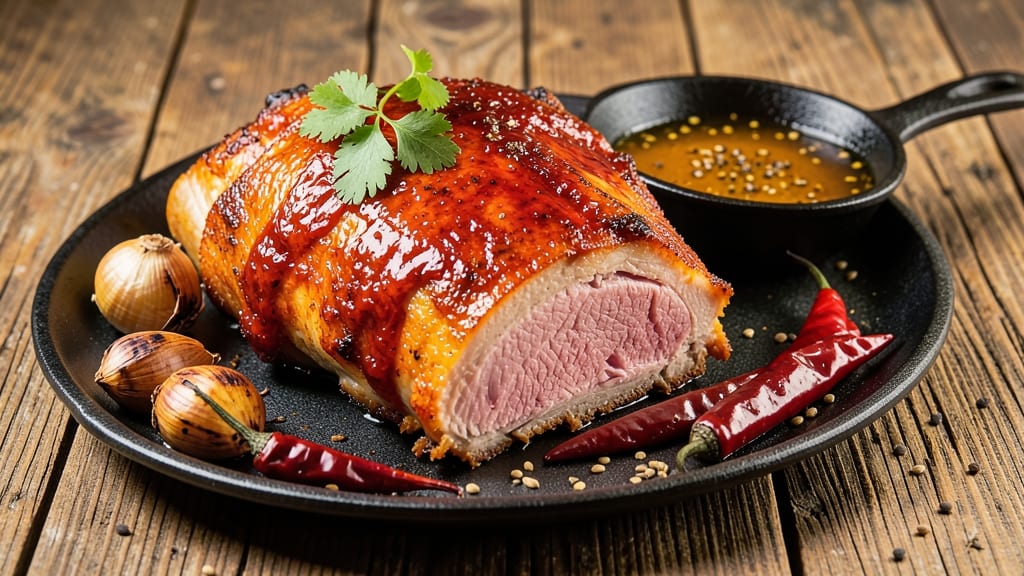
This Mexican smoked pork shoulder transforms tough cuts into melt-in-your-mouth tenderness with a bold adobo-chipotle flavor profile that’s impossible to resist. Growing up in small-town Georgia, I learned pork’s transformative power—now I’ve perfected this technique for smoky, aromatic results that honor both traditions and innovation.
The key lies in the marinade: achiote paste, garlic, and citrus work together to create a vibrant crust while keeping the meat impossibly juicy.
What sets this recipe apart is the two-stage cooking process: a sous vide pre-cook ensures even tenderness before the final smoke, while oak and mesquite wood chips deliver that signature Mexican campfire aroma.
At 225°F, the pork shoulder cooks low and slow for 10-12 hours, developing deep flavor without drying out. The chipotle smoke infuses every bite with a subtle heat that lingers just enough to satisfy.
By the time you slice into that golden-brown bark, you’ll reveal meat so tender it practically falls apart—a testament to the power of patience and precision. Serve it with charro beans, grilled corn, and warm tortillas for a meal that feels both rustic and refined.
This isn’t just smoked pork; it’s a celebration of technique and tradition, elevated for modern tastes.
The beauty of this method is its versatility—use it for tacos, burritos, or sandwiches, and pair it with a cold Mexican lager for the full experience. Once you master this technique, you’ll never buy store-bought again. Let’s get started on creating pork that’s worth the wait.
Ingredients for mexican smoked pork shoulder
Pork shoulder, achiote paste, and chipotle peppers create a smoky, citrusy marinade that transforms tough meat into melt-in-your-mouth perfection.
| Ingredient | Amount | Notes |
|---|---|---|
| Pork Shoulder (Bone-In) 🐖 | 6 lb | Well-marbled, 3-4 inches thick |
| Achiote Paste 🌶️ | ½ cup | Natural or store-bought, vibrant color |
| Garlic Cloves 🧄 | 12 cloves | Fresh, peeled, minced |
| Orange Juice 🍊 | ½ cup | Freshly squeezed, no pulp |
| Lime Juice 🍋 | ¼ cup | Freshly squeezed |
| Cumin Seeds 🌿 | 1 tbsp | Toasted for deeper flavor |
| Ground Cumin 🌿 | 1 tbsp | Freshly ground preferred |
| Dried Oregano 🍃 | 1 tbsp | Mexican oregano if available |
| Smoked Paprika 🌶️ | 1 tbsp | For vibrant color and smoke |
| Chipotle Peppers in Adobo 🌶️ | 4 whole | 2 tbsp adobo sauce reserved |
| Brown Sugar 🍚 | ¼ cup | Light or dark, packed |
| Salt 🧂 | 1 ½ tbsp | Diamond Crystal preferred |
| Black Peppercorns 🌶️ | 1 tsp | Freshly cracked |
| Oak Wood Chips 🌳 | 1 cup | Food-grade, soaked 1 hour |
| Mesquite Wood Chips 🌳 | ½ cup | Food-grade, soaked 1 hour |
The pork shoulder is the star—look for a well-marbled, bone-in cut with at least 3-4 inches of thickness for even cooking. Costco or local butchers often carry the best quality, but any grocery store's pork shoulder works if it's fresh. The achiote paste is non-negotiable for that signature color and flavor; Goya or authentic Mexican brands are my go-to, but you can make your own with annatto seeds if you're ambitious. Fresh chipotle peppers in adobo are worth hunting down at a Latin market—they pack more heat and complexity than store-bought blends. Toast your cumin seeds in a dry pan for 30 seconds until fragrant—this simple step makes a world of difference.
No chipotle peppers? Adobo sauce plus a pinch of cayenne gets you close, though the texture won't be the same. Running short on achiote? Paprika plus a pinch of turmeric mimics the color, but the flavor won't be identical. The citrus juices should be freshly squeezed—bottled juice lacks the brightness. For the wood chips, Trader Joe's or specialty smoke shops have great options, but any food-grade hardwood works in a pinch. If you're short on time, pre-marinate the pork overnight—it develops deeper flavor, but even 4 hours makes a difference. The brown sugar caramelizes beautifully during smoking, so don't skip it, but don't overdo it either.
This marinade keeps for up to 5 days in the fridge, though the pork should go in the smoker within 24 hours for best results. The wood chips can be soaked in water for 1 hour before use—just drain them well before adding to the smoker. Once smoked, the pork keeps for 4-5 days in the fridge or 3 months in the freezer. I always slice it against the grain and portion it into individual meal-sized containers for easy leftovers. The bark will crisp up beautifully when reheated—just add a splash of broth or water to the pan.
Why You'll Love This Recipe
- One-Pan Magic: I swear by this method—just slather that achiote paste on the bone-in pork, toss in crushed garlic, and let the smoker do the rest. No flipping, no fussing, and that deep, smoky crust forms without me lifting a finger after the first hour.
- Citrus Kiss: The orange and lime juices cut through the richness like a bright, zesty hug. That tangy balance? It’s what turns this from "smoked pork" to "oh-my-god-I-need-more" in one bite—especially when the fat renders and the meat stays juicy.
- Weeknight Workhorse: I keep a batch in the fridge for tacos, nachos, or even breakfast hash. The leftovers? They’re my secret weapon for lazy Sundays when I don’t want to cook but still crave something hearty and satisfying.
- Budget Stretch: A bone-in pork shoulder is cheaper than you’d think, and this recipe makes enough to feed four people with room for seconds. Plus, the achiote paste adds instant depth without breaking the bank—no fancy rubs needed.
Step-by-step instructions for Mexican smoked pork shoulder
Here's how to transform a tough pork shoulder into melt-in-your-mouth tenderness using smoke and adobo magic.
Create the Adobo Marinade
In a blender, combine the 0.5 cup achiote paste, 12 cloves minced garlic, 0.5 cup orange juice, 0.25 cup lime juice, 1 tbsp toasted cumin seeds, 1 tbsp ground cumin, 1 tbsp dried oregano, 1 tbsp smoked paprika, 4 whole chipotle peppers in adobo (including 2 tbsp reserved adobo sauce), 0.25 cup brown sugar, 1.5 tbsp salt, and 1 tsp freshly cracked black peppercorns. Blend until completely smooth, scraping down the sides as needed.
The marinade should be vibrant red-orange with a thick, paste-like consistency. This blend of citrus, spices, and smoky chipotle creates the perfect balance of heat and sweetness that will penetrate the pork deeply. Let the marinade sit at room temperature for 15 minutes to allow the flavors to meld before using.
Prepare the Pork and Smoker
Remove the 6 lb pork shoulder from the refrigerator and let it sit uncovered on a wire rack for 30 minutes to dry the surface slightly. This helps create a better bark during smoking. Pat the pork dry with paper towels, then generously coat it with the adobo marinade, pressing it into all surfaces and into the crevices. Place the pork in a resealable plastic bag and refrigerate for at least 4 hours, preferably overnight.
Meanwhile, prepare your smoker by soaking the 1 cup oak wood chips and 0.5 cup mesquite wood chips separately for 1 hour. When ready, set your smoker to maintain a steady temperature of 225°F. The combination of oak and mesquite creates a perfect balance of traditional smoke flavor with a touch of earthy depth.
Smoke the Pork Shoulder Low and Slow
Place the marinated pork shoulder on the smoker grates, fat side up, and close the lid. Smoke the pork undisturbed for 6 hours, maintaining the 225°F temperature. This low-and-slow approach is crucial for breaking down the connective tissue and creating that signature tender texture. Resist the urge to open the smoker during this time—each time you peek, you lose valuable heat and moisture.
After 6 hours, check the internal temperature using a meat thermometer inserted into the thickest part of the shoulder. When it reaches 165°F, you'll notice the pork has entered "the stall"—a period where the temperature stabilizes as moisture evaporates. This is normal and expected. If you prefer a thicker bark, continue smoking for another 1-2 hours before wrapping.
Wrap and Finish the Cook
Once the pork reaches 165°F, wrap it tightly in heavy-duty aluminum foil, sealing all edges completely. Return it to the smoker and continue cooking until the internal temperature reaches 203°F. This wrapping technique, known as the "Texas crutch," helps the pork overcome the stall while maintaining moisture. The cooking process should take an additional 4-6 hours, depending on your smoker's consistency.
You'll know the pork is perfectly tender when it reaches 203°F and a meat thermometer slides in like butter with no resistance. The bark should be dark and slightly crispy, while the interior remains juicy and rich. Remove the pork from the smoker and let it rest for 1 hour before slicing, allowing the juices to redistribute throughout the meat.
Slice and Serve
Unwrap the pork shoulder and slice it against the grain into ½-inch thick slices. The meat should be so tender it practically falls apart with gentle pressure, yet still hold together when sliced. Serve immediately with your favorite sides, such as warm tortillas, pickled onions, or a fresh slaw, to complement the rich, smoky flavors.
The result should be a perfectly tender, flavorful pork shoulder with a beautiful dark bark and a rich, smoky aroma that fills your kitchen. Each bite should deliver a harmonious blend of citrus, spice, and smoky depth that makes this dish unforgettable.
Pro Tips For Making Mexican Smoked Pork Shoulder
- Trim the Fat First: Cut away the thickest layer of fat from the pork shoulder before smoking—it’s not just about looks. I learned this the hard way when my first batch rendered so much grease it drowned the smoker’s heat, and the crust never formed properly.
- Blend the Achiote: Whisk the achiote paste into the orange juice before brushing it on the meat. I used to apply it dry, and it clumped like dust—now it sticks evenly and infuses deeper into the pork.
- Don’t Rush the Rest: Let the pork rest for at least 45 minutes after pulling it from the smoker. I know, you’re hungry, but skipping this step means shredding dry, sad meat instead of tender, juicy perfection.
- Use Fresh Lime Zest: Grate a little lime zest into the final marinade or rub—it brightens the flavor without overpowering. Store-bought juice lacks the punch, and fresh zest adds a subtle citrus kick that makes all the difference.
Perfect pairings for these flavors
Side Dish Harmony
Charro beans are the classic pairing—creamy, smoky, and studded with bacon and jalapeños. I make mine with 1 cup dried pinto beans, ½ lb bacon, 3 cloves garlic, and 1 chipotle pepper—the smoky depth mirrors the pork perfectly.
For a lighter option, try grilled hatch chiles and zucchini with a sprinkle of cotija cheese—the charred flavors cut through the richness. 🌶️
Tortilla Perfection
Warm corn tortillas—homemade if possible—are non-negotiable. Brush them with garlic-infused oil and grill until slightly charred for that authentic texture. For a modern twist, serve with blue corn tortilla chips and pickled red onions on the side—great for scooping up juices.
I always keep a batch of flour tortillas on hand too for burritos or quesadillas. 🌽
Fresh Contrast
A crisp mango-avocado salsa—diced mango, avocado, red onion, cilantro, and lime—adds bright acidity to balance the smoky pork. I like to add ½ tsp Tajín for a tangy kick.
For a heartier option, try grilled asparagus with a squeeze of lime and chili powder—the natural sweetness pairs beautifully. 🥑
Beverage Pairings
A cold Mexican lager—like Modelo Especial or Pacífico—cleanses the palate between bites. The crisp, slightly bitter notes complement the smoky sweetness of the pork. For something lighter, try horchata—its cinnamon and rice sweetness contrasts perfectly with the heat.
If you prefer cocktails, a Paloma—tequila, grapefruit juice, and soda—elevates the meal to restaurant-level sophistication. 🍹
Cheese and Toppings
Finish with crumbled queso fresco and pickled jalapeños for a classic Mexican touch. The tangy cheese brightens each bite, while the jalapeños add a subtle heat. For extra indulgence, drizzle with crema or sour cream—both add richness without overpowering the smoky flavors. 🧀
Make-Ahead Sides
Prep sides in advance to streamline serving. The charro beans can be made 2 days ahead—the flavors deepen over time. Grill the vegetables the day of, but store the salsa in an airtight container for up to 3 days.
Keep tortillas wrapped in a towel to stay soft. This way, you only need to focus on the star: that perfectly smoked pork shoulder. ✨
Nutrition facts
Frequently asked questions
Can I substitute regular paprika for smoked paprika in the marinade?
The smoked paprika adds depth and color that regular paprika can't replicate, but you can use it in a pinch. For best results, add ½ teaspoon liquid smoke to regular paprika to mimic the smoky flavor. The color will be less vibrant, but the taste will still be delicious.
How do I know when the pork shoulder is done without a meat thermometer?
When the pork reaches 203°F, it should pull away from the bone with gentle pressure and feel tender when pierced with a fork. The bark should be dark and crispy, while the meat inside should be fork-tender. For extra assurance, press your finger into the meat—if it leaves a deep indentation, it's ready.
Can I make this recipe in an oven instead of a smoker?
Yes! Use a meat thermometer to monitor temperature. Place the pork on a rack in a roasting pan with a water bath (add 1 cup water to the bottom) to maintain moisture. Cook at 275°F until it reaches 203°F, about 8-10 hours. For smoky flavor, add soaked wood chips to the pan or use a smoker box with wood chips. The bark won't be as crispy, but the meat will be tender.
What's the best way to reheat leftovers without drying them out?
Slice the pork and reheat in a skillet with 2 tablespoons of broth or water over medium-low heat for 3-5 minutes, just until warmed through. For oven reheating, wrap slices in foil with a splash of broth and bake at 300°F for 15 minutes. Never microwave—it makes the meat rubbery.
Can I use bone-in or boneless pork shoulder?
Bone-in pork shoulder is ideal because the bone helps retain moisture and adds flavor. If using boneless, expect slightly faster cooking time (6-8 hours total). The texture will be just as tender, but the bark may be less crispy. For best results, choose a well-marbled cut with visible fat cap.