
Main Courses
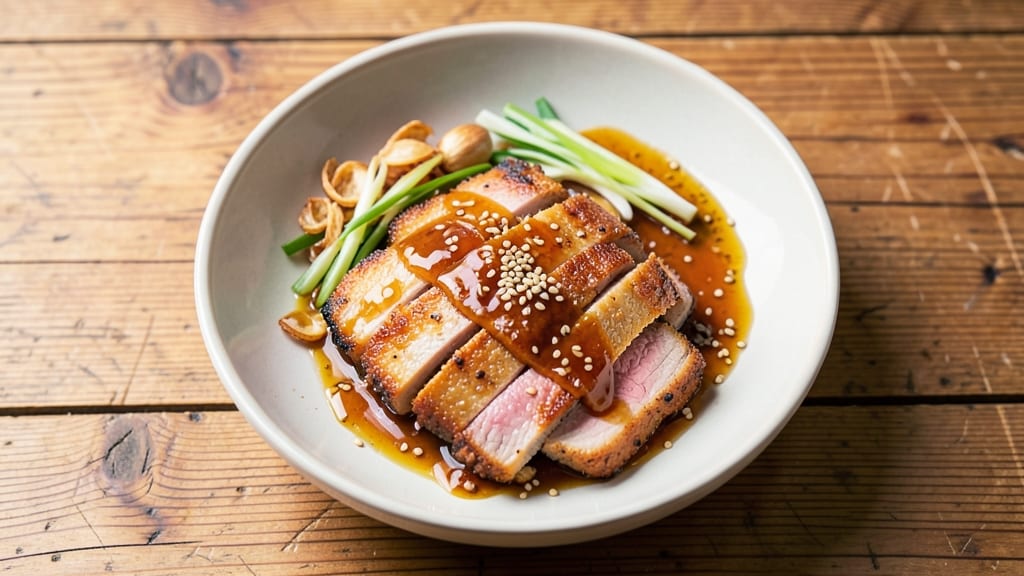
This miso-glazed pork belly recipe delivers crispy edges and a silky interior that balances umami richness with tender perfection. After years of perfecting the technique, I’ve cracked the code for achieving that coveted contrast—crunchy exterior, melt-in-your-mouth center—without drying out the meat.
The key lies in precise timing and temperature control, ensuring every bite is a harmonious blend of textures and flavors.
The process begins with a high-heat sear to lock in juices, followed by a slow roast that renders fat while keeping the meat tender. A homemade miso glaze—sweet, salty, and aromatic—caramelizes beautifully during the final stages, creating a sticky, flavorful crust.
This isn’t just another pork belly recipe; it’s a restaurant-quality dish you can master at home with the right method and patience.
By the time you serve it, you’ll have golden, crackling skin that gives way to tender, buttery layers beneath. The miso glaze adds depth, cutting through the richness with its fermented complexity.
Pair it with steamed bok choy, pickled vegetables, or a simple bed of jasmine rice to complete the meal. Every element comes together for a dish that’s both impressive and deeply satisfying.
Ready to transform a simple cut of pork into a showstopper? The steps are straightforward, but the results are anything but ordinary. Let’s get started—your table is about to get an upgrade.
Ingredients for miso pork belly
Four ingredients transform pork belly into crispy, silky perfection—just add patience and precision.
| Ingredient | Amount | Notes |
|---|---|---|
| Pork Belly 🥓 | 2 lb | Skin-on, cut into 1-inch thick slabs |
| White Miso Paste 🍶 | ½ cup | High-quality, fermented deeply |
| Honey 🍯 | ¼ cup | Raw, unfiltered preferred |
| Soy Sauce 🥢 | ¼ cup | Kosher or Japanese preferred |
| Rice Vinegar 🍶 | 2 tbsp | Seasoned or unseasoned |
| Sesame Oil 🫒 | 1 tbsp | Toasted, for finishing |
| Garlic Cloves 🧄 | 6 cloves | Peeled, minced finely |
| Fresh Ginger 🌿 | 1 tbsp | Grated, fresh preferred |
| Neutral Oil 🫒 | ½ cup | Avocado or vegetable oil |
| Diamond Crystal Kosher Salt 🧂 | 1 ½ tbsp | For curing, coarse grain |
| Black Peppercorns 🌶️ | 1 tsp | Freshly cracked |
| Bok Choy 🥬 | 2 whole | Baby or regular, for serving |
| Jasmine Rice 🍚 | 1 ½ cups | Uncooked, for serving |
The pork belly is non-negotiable here—thick slabs with skin intact are key for that iconic crackling. Whole Foods or your butcher shop will have the best cuts; look for marbling that looks like tiny pools of fat. If you can’t find it pre-slabs, ask for a 2-pound piece to cut yourself. The miso? White miso from Japan (like Mame Miso) has the right fermented depth—avoid the red or barbecue blends. Store-bought miso paste keeps for up to 6 months once opened, but fresh is always better.
No white miso? Substitute with a mix of 3 parts white and 1 part red, but expect a deeper color. Honey can be swapped for maple syrup or agave, though it’ll shift the flavor slightly. Soy sauce? Japanese tamari works too, but kosher is fine. The sesame oil is purely for aroma—skip it if you’re avoiding oil, but trust me, a few drops at the end elevate everything. For the rice vinegar, seasoned adds a subtle sweetness that pairs perfectly with the miso’s saltiness. Fresh ginger? Dried works at half the amount, but fresh is worth it here.
Pork belly keeps 3-4 days in the fridge if wrapped tightly in parchment, but it’s best used fresh. The miso glaze can be prepped a day ahead—just store it in a sealed jar in the fridge. Once roasted, the pork belly reheats beautifully—350°F for 10-15 minutes wrapped in foil. The bok choy and rice? Cook them fresh when serving. Bok choy steams in 5 minutes, and jasmine rice takes 15 minutes—simple sides that let the pork belly shine.
Why You'll Love This Recipe
- Five-Ingredient Magic: The miso and honey do all the heavy lifting—just slice the pork, toss it in the marinade, and bake. No chopping, no fuss, no stress. My lazy Sundays just got a whole lot tastier.
- Umami Bomb: That white miso paste? It’s the secret weapon—deep, salty-sweet richness that clings to every crispy bite. The honey cuts through the richness while the rice vinegar adds a bright, tangy lift that makes it impossible to stop at one piece.
- Weeknight to Dinner Party: Same recipe, different vibes. Slap it on rice for a quick weeknight meal, or slice it thin for elegant bites at your next gathering. The leftovers? Even better the next day when the flavors meld together.
- Budget Luxury: Pork belly feels fancy, but this recipe stretches it far without breaking the bank. A single slab feeds four, and the miso-soy glaze makes every bite taste like you spent hours in the kitchen. (Between us, it’s my go-to for feeding a crowd on a tight budget.)
Step-by-step instructions for miso glazed pork belly
Here's the method for achieving that perfect balance of crispy edges and tender interior.
Cure and Marinate the Pork Belly
In a large bowl, combine the 2 lb pork belly with the 1.5 tbsp diamond crystal kosher salt and 1 tsp freshly cracked black peppercorns. Massage the salt and pepper into the meat, working it into all the crevices and fat layers. This curing process helps tenderize the meat and creates the perfect foundation for crispy skin.
Transfer the pork belly to a sealable container or re-sealable plastic bag and refrigerate for 24 hours. This resting period allows the salt to penetrate deeply and break down some of the connective tissue. After 24 hours, rinse the pork belly thoroughly under cold water and pat it completely dry with paper towels—moisture is the enemy of crispy skin. Let it sit at room temperature for 30 minutes before proceeding.
Build the Miso Glaze and Cook the Pork Belly
In a small saucepan, combine the 0.5 cup white miso paste, 0.25 cup honey, 0.25 cup soy sauce, 2 tbsp rice vinegar, and 1 tbsp freshly grated ginger. Cook over medium-low heat, stirring constantly, until the mixture thickens slightly and becomes smooth—about 5-7 minutes. Remove from heat and let cool for 10 minutes. This glaze should be thick enough to cling to the pork belly but still spreadable.
Preheat your oven to 325°F. Place the pork belly fat-side up on a wire rack set over a baking sheet lined with parchment paper. Brush the cooled miso glaze generously over the pork belly, coating all surfaces. Roast for 1 hour and 15 minutes, basting with additional glaze every 20 minutes to ensure even coverage and maximum crispiness. The internal temperature should reach 195°F—this is when the collagen fully breaks down, creating that silky interior.
Crisp the Skin and Finish with Sesame Oil
Once the pork belly reaches 195°F, remove it from the oven and increase the heat to 450°F. Place the pork belly back in the oven and roast for an additional 15-20 minutes until the skin is deep golden brown and crispy. You'll see the fat begin to render and the edges turn almost caramelized—this is your signal that it's ready. The high heat at the end is crucial for achieving that perfect crispy texture.
Remove the pork belly from the oven and let it rest for 15 minutes before slicing. While it rests, heat the 1 tbsp toasted sesame oil in a small pan over low heat until fragrant. Drizzle this oil over the sliced pork belly just before serving. The sesame oil adds a nutty depth that complements the umami-rich miso glaze beautifully.
Prepare the Jasmine Rice and Bok Choy
Rinse the 1.5 cups jasmine rice under cold water until the water runs clear. Combine the rice with 2 cups water in a pot and bring to a boil. Once boiling, reduce heat to low, cover, and simmer for 15 minutes. Remove from heat and let it steam, covered, for an additional 10 minutes. Fluff the rice with a fork and keep it warm until serving.
While the rice cooks, separate the 2 whole bok choy into individual leaves and stems. Blanch them in boiling water for 1 minute, then immediately transfer to an ice bath to stop the cooking process. Drain and pat dry. The bok choy should retain a vibrant green color and crisp texture, providing a refreshing contrast to the rich pork belly.
Pro Tips For Making Miso Pork Belly
- CRISP THE BELLY FIRST: Tenderize that thick pork belly by scoring it in a diamond pattern—about ½-inch apart—before searing. I learned this the hard way: skipping it leaves you with a chewy mess instead of melt-in-your-mouth bites. Use a sharp knife and don’t rush; precision matters more than speed here.
- DILUTE THE MISO: Mix your white miso paste with a splash of warm water (about 2 tablespoons) before adding honey and soy sauce. This prevents clumping and helps it blend smoothly into the glaze. I used to just stir it dry, and it always looked grainy—now it’s silky every time.
- LOW AND SLOW FOR CORE: After searing, drop the heat to 275°F (135°C) and cook the pork belly until the internal temp hits 195°F (90°C). Rushing this step means tough, stringy meat—your patience here is what turns it into buttery, pull-apart perfection.
- GLAZE IN STAGES: Brush on the miso-honey glaze halfway through cooking, then again in the last 10 minutes. This builds layers of flavor without burning the sauce. I used to dump it all at once, and it’d either scorch or taste bland—now it’s balanced and sticky just right.
Creative variations of these flavors
Asian-Inspired Fusion
For a bold twist, add 2 tbsp gochujang to the miso glaze along with the ginger and vinegar. This Korean fermented chili paste brings heat and depth, balancing the sweetness of the honey.
I like to finish with 1 tsp toasted sesame seeds and 1 tbsp chopped scallions for texture and freshness. The result? A dish that’s equal parts umami and spicy kick—perfect for those who love a little fire. 🔥
Smoky BBQ Twist
Swap out 1 tbsp miso paste for 2 tbsp smoked paprika and add 1 tbsp liquid smoke to the glaze. This Southern-inspired variation creates a caramelized, smoky crust that pairs beautifully with the pork’s natural fat.
I recommend serving it over cornbread instead of rice for a true Southern-meets-Asian fusion. The smoky notes complement the crispy skin without overpowering it.
Spicy Miso with Chili Crisp
For a crunchy, spicy contrast, mix 1 tbsp chili crisp (like Sichuan Peppercorn Chili Crisp) into the miso glaze before applying it to the pork. The oil-based crispiness adds a delightful texture, while the heat from the Sichuan peppercorns creates a tingling sensation.
Garnish with pickled red onions and fresh cilantro for a vibrant finish that’s both spicy and refreshing.
Miso Butter Glaze
For a richer, creamier variation, replace half the soy sauce in the glaze with 2 tbsp melted unsalted butter and add 1 tsp Dijon mustard. This creates a velvety glaze that clings to the pork beautifully, adding a subtle tang.
I like to finish with a drizzle of honey and cracked black pepper for a touch of elegance. The butter adds a luxurious mouthfeel that’s hard to resist. ✨
Miso-Glazed Pork Belly Tacos
Transform this dish into tacos by slicing the pork belly thinly and serving it on corn tortillas with pickled jalapeños, cotija cheese, and lime crema. The crispy edges and silky interior hold up perfectly to the taco format, while the miso glaze adds an unexpected depth.
I recommend using charred corn salsa on the side to balance the richness—it’s a game-changer for a casual yet impressive meal.
Nutrition facts
Frequently asked questions
Can I substitute regular miso for white miso in this recipe?
White miso is ideal for its delicate, fermented sweetness, but you can use a mix of 3 parts white miso to 1 part red miso for deeper color and richer flavor. Just reduce the honey slightly to balance the increased saltiness from red miso. Avoid using only red miso—it can overpower the dish with its strong umami.
Why does the pork belly need to cure overnight before cooking?
The 24-hour cure with salt breaks down connective tissue, making the meat more tender while also drawing out moisture to create crispy skin. Skipping this step risks dry, chewy results. After curing, always pat the pork belly completely dry—any moisture prevents proper browning and crisping.
How do I know when the pork belly is done?
Use a meat thermometer to check the internal temperature—it should reach 195°F for silky perfection. The skin will also turn deep golden brown and crispy. Pro tip: The fat should render and separate easily when the pork is done. If it’s still slightly pink at the bone, it’s safe to eat but may be less tender.
Can I make the miso glaze ahead of time?
The glaze keeps well in an airtight container in the fridge for up to 5 days. Reheat gently before using to maintain its thickness. For best results, let it cool completely before storing—condensation can make it watery. You can even freeze the glaze for 3 months if needed!
What’s the best way to reheat leftover miso pork belly?
Wrap slices in foil and reheat at 350°F for 10-15 minutes to restore crispiness. For extra crunch, broil for 2-3 minutes at the end. Avoid microwaving—it turns the skin soggy. Store leftovers in the fridge for 3-4 days or freeze for up to 2 months.