
Main Courses
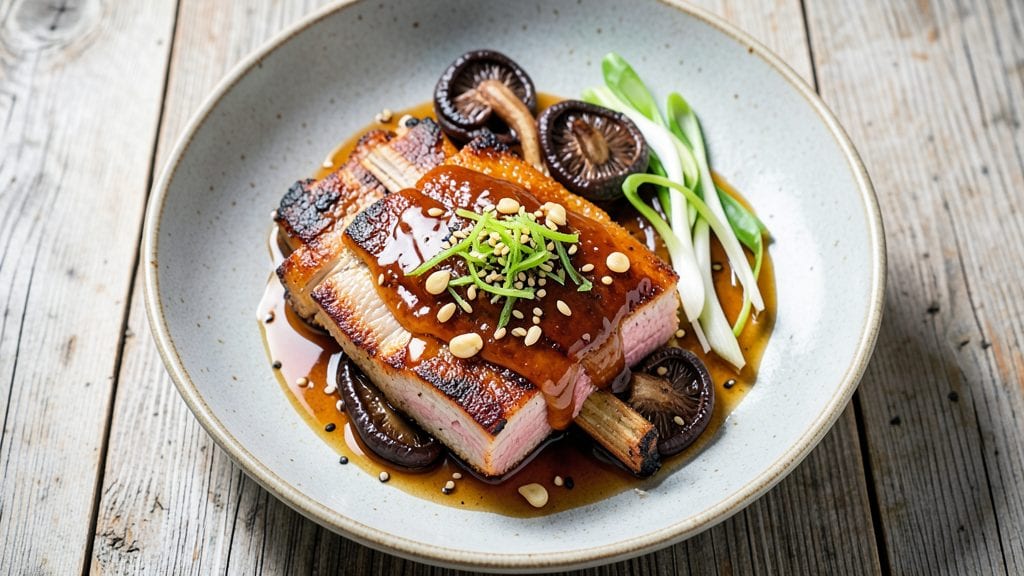
This miso pork recipe transforms simple pork chops into a restaurant-worthy dish with a glossy, umami-rich glaze that caramelizes in just 30 minutes.
Growing up in small-town Georgia, I learned how fermented miso could elevate humble cuts of pork into something extraordinary—now I’m sharing the exact technique I’ve perfected over years of cooking.
The balance of sweet, salty, and savory creates a glaze so addictive, it’ll disappear faster than you can say "second helping."
What makes this recipe work is the marinating process, where miso’s deep umami flavor penetrates the meat while a touch of honey ensures that perfect caramelized crust.
Unlike many miso dishes that require hours of simmering, this method delivers restaurant-quality results in under an hour—ideal for weeknight dinners when you crave something impressive. The pork stays tender and juicy while developing a sticky, glossy exterior that’s impossible to resist.
By the time you plate this dish, you’ll have golden-brown pork chops with a glaze that clings like liquid gold, offering bursts of sweetness and umami in every bite.
Serve over steamed jasmine rice or with roasted vegetables to round out the meal—each component designed to complement the star of the show. This isn’t just a recipe; it’s a foolproof technique that turns ordinary pork into something unforgettable.
The beauty of this dish lies in its versatility—swap pork chops for tenderloin or ribs, adjust the glaze sweetness to your taste, and even double the batch for meal prep.
Whether you’re feeding a family or treating yourself to a special night in, this recipe delivers professional-quality results without the fuss. Let’s get cooking.
Ingredients for miso pork
Simple ingredients, restaurant-quality results—this miso pork recipe delivers umami perfection in under 30 minutes.
| Ingredient | Amount | Notes |
|---|---|---|
| Bone-In Pork Chops 🥩 | 1 ½ lb | Center-cut, 1-inch thick preferred |
| White Miso Paste 🍶 | ½ cup | High-quality, fermented miso preferred |
| Honey 🍯 | ¼ cup | Wildflower or clover preferred |
| Soy Sauce 🍶 | ¼ cup | Japanese-style soy sauce preferred |
| Rice Vinegar 🍶 | 2 tbsp | Seasoned rice vinegar for balance |
| Sesame Oil 🫒 | 1 tbsp | Toasted sesame oil for aroma |
| Garlic Cloves 🧄 | 6 cloves | Minced finely for depth |
| Fresh Ginger 🌿 | 1 tbsp | Finely grated, peel included |
| Neutral Oil 🫒 | 2 tbsp | Avocado or vegetable oil |
| Diamond Crystal Kosher Salt 🧂 | 1 tsp | For seasoning and glaze |
| Black Peppercorns 🌶️ | ½ tsp | Freshly cracked for heat |
| Jasmine Rice 🍚 | 1 ½ cups | Uncooked, for serving |
| Green Onions 🧅 | 4 whole | Thinly sliced, for garnish |
| Toasted Sesame Seeds 🌾 | 1 tbsp | For finishing touch |
The miso paste is the heart of this dish. Miso Mart or Japanese specialty stores carry the best fermented varieties, but even the white miso from Trader Joe's works in a pinch. Look for vibrant color and a slightly grainy texture—this means it’s properly aged. The honey should be raw or wildflower for deeper flavor, though regular honey works fine. For the pork, bone-in chops stay juicier, but boneless works too if that’s what you’ve got. Pound them to even thickness—this ensures they cook uniformly.
No white miso? Red miso at half the amount adds depth, though it’ll be richer and saltier. Swap soy sauce for tamari or coconut aminos if you’re avoiding gluten. The sesame oil is non-negotiable—it carries the aroma that makes this glaze sing. No toasted sesame oil? Regular sesame oil plus a pinch of sesame seeds in the glaze does the trick. For the rice vinegar, apple cider vinegar works in a bind, but it’ll taste different. And if you’re short on time, pre-minced garlic and ginger from the jar save 5 minutes—just make sure it’s labeled "fresh."
This glaze reheats beautifully—just warm it gently in a saucepan and brush it on. The pork chops keep 3-4 days in the fridge, but they’re even better the next day as the flavors meld. For meal prep, double the batch and freeze the glaze separately—thaw and reheat as needed. The rice should be steamed just before serving to keep it light, and those green onions and sesame seeds add brightness. Garnish with a sprinkle of extra sesame seeds if you’re feeling fancy.
Why You'll Love This Recipe
- One Pan, One Sauce Magic: That bone-in pork chop? Just sear it skin-side down, flip, and boom—the miso glaze does all the work. No fancy techniques, no constant stirring. I toss everything in a bowl, coat the chops, and let the oven handle the rest. Honestly, this is the kind of recipe where you can actually make dinner while scrolling through your phone.
- Umami Bomb: The white miso and honey combo? Chef’s kiss. The miso adds that deep, savory richness, while the honey caramelizes just enough to balance the soy’s saltiness. And that rice vinegar? Tiny tang that makes every bite sing. It’s not just flavor—it’s addictive flavor.
- Leftover Powerhouse: I swear by this for lunches the next day. The pork gets even better reheated—those caramelized edges crisp up, and the sauce clings tighter. Pack it with rice and steamed veggies, and you’ve got a meal that feels like a restaurant special. My kids even ask for seconds (yes, even on a Tuesday night).
- Budget-Friendly Feast: Bone-in pork chops are cheaper than you think, and this recipe stretches them into two meals. A single sheet pan, pantry staples, and 30 minutes? That’s my kind of win. Plus, miso paste lasts forever—so you’re not buying anything you’ll waste. Solid for when you need to feed a crowd without breaking the bank.
Step-by-step instructions for miso pork with sticky glaze
Here's how to transform simple pork chops into restaurant-worthy umami bombs with a glossy, caramelized glaze.
Marinate the Pork Chops for Maximum Flavor
In a bowl, combine the 0.5 cup white miso paste, 0.25 cup honey, 0.25 cup soy sauce, 2 tbsp rice vinegar, 1 tbsp sesame oil, 6 minced garlic cloves, and 1 tbsp finely grated fresh ginger. Mix until the miso paste dissolves completely, creating a thick, glossy marinade. The miso should be fully incorporated—no lumps—so you get that deep, savory flavor throughout.
Pat the 1.5 lb bone-in pork chops dry with paper towels, then place them in a resealable plastic bag. Pour the marinade over the pork, sealing the bag tightly. Massage the marinade into the meat, ensuring it coats all sides evenly. Let the chops marinate in the refrigerator for at least 30 minutes, but I recommend up to 2 hours for maximum flavor penetration. The longer they marinate, the more tender and flavorful they'll become.
Sear the Pork Chops for a Perfect Crust
Heat a large skillet over medium-high heat until it's smoking slightly. Add 2 tbsp neutral oil and let it shimmer for 30 seconds—this ensures the oil is hot enough to create a proper sear. Remove the pork chops from the marinade (reserve the marinade for later) and place them in the skillet. Press down gently on each chop with a spatula to ensure even contact with the pan.
Sear the chops for 3-4 minutes per side, until they develop a deep golden-brown crust. The crust is your first indicator of flavor—don't rush this step. If the marinade starts to smoke or burn, reduce the heat slightly to medium and continue cooking. The chops should be medium-rare at this stage, with an internal temperature of 135°F when checked with a meat thermometer. Remove the chops from the skillet and let them rest on a wire rack for 5 minutes while you prepare the glaze.
Simmer the Glaze to Perfection
Return the reserved marinade to the skillet, scraping up any browned bits from the bottom with a wooden spoon—this is where all the flavor hides. Bring the marinade to a gentle simmer over medium heat, then reduce the heat to low and let it cook for 5-7 minutes, stirring occasionally. The glaze should thicken slightly and develop a glossy sheen, coating the back of a spoon.
To finish the glaze, stir in 1 tsp diamond crystal kosher salt and 0.5 tsp freshly cracked black peppercorns, then return the pork chops to the skillet. Spoon the glaze over the chops, coating them evenly. Let them simmer for 2-3 minutes to heat through and allow the glaze to caramelize further. The glaze should be sticky and glossy, clinging beautifully to the pork. If it's too thick, add 1-2 tablespoons of water to loosen it slightly.
Cook the Jasmine Rice for a Fluffy Base
While the pork chops are resting, rinse the 1.5 cups jasmine rice under cold water until the water runs clear. This removes excess starch and prevents the rice from becoming gummy. In a medium saucepan, combine the rice with 3 cups of water and bring to a boil over high heat. Once boiling, reduce the heat to low, cover the pan with a tight-fitting lid, and let the rice simmer for 15 minutes.
After 15 minutes, turn off the heat and let the rice steam undisturbed for an additional 10 minutes. The residual heat will finish cooking the rice perfectly. Fluff the rice with a fork, then cover it with a clean kitchen towel to keep it warm and fluffy. The rice should be light and separate—no mushy bits—ready to serve as a perfect base for your miso pork.
Garnish and Serve with Confidence
Slice the 4 whole green onions thinly and sprinkle them over the pork chops. Drizzle any remaining glaze from the skillet over the top, then finish with 1 tbsp toasted sesame seeds. The green onions add a fresh contrast to the rich, umami flavors, while the sesame seeds bring a nutty crunch. Serve the pork chops immediately over the jasmine rice, ensuring each bite delivers that perfect balance of sweet, salty, and savory.
Here's the thing—this dish tastes even better the next day, as the flavors continue to meld. If you have leftovers, store them in an airtight container in the refrigerator for up to 3 days. Reheat gently in a skillet over low heat with a splash of water to prevent drying out. You'll love how the glaze becomes even more concentrated and sticky as it rewarms.
Pro Tips For Making Miso Pork
- SEAR THE CHOPS FIRST: Bone-in pork chops need that caramelized crust before miso hits. Hit them hard in a screaming-hot pan for 3-4 minutes per side—no crowding, or you’ll steam them instead of sear. I used to skip this and wondered why my sauce never stuck to the meat like it should.
- WHISK THE MISO: White miso paste is thick—just slapping it on won’t dissolve. Mix it with a splash of warm water (about 2 tablespoons) and a quick whisk before adding other liquids. My grandmother swore by this, and she was right: smooth sauce means even flavor, not globs.
- LOW AND SLOW FINISH: After searing, crank the heat down to medium-low and let that miso glaze simmer for 8-10 minutes. Too high, and the honey burns before the pork tenderizes. I learned this the hard way—my first batch tasted bitter because I rushed it.
- ACID BALANCE MATTERS: Rice vinegar cuts through the richness, but too much turns the sauce sharp. Start with 1 tablespoon, taste, then add another if needed. Sounds weird, but it works: the pork stays juicy, and the glaze stays balanced—not overpowering, not bland.
Dietary considerations for this miso pork
Gluten-Free Adaptations
This recipe is naturally gluten-free if you use tamari instead of soy sauce and ensure your miso is certified gluten-free. I always check the label—Miso Mart’s white miso is a safe bet, but brands vary.
The rice vinegar and honey are typically gluten-free, so no substitutions are needed there. Just swap the regular soy sauce for tamari, and you’re good to go. 💡
Low-Sodium Options
Store-bought miso and soy sauce can be shockingly high in sodium, so I adjust by reducing the 1 tsp salt in the glaze to just ½ tsp. For extra flavor without the salt, add 1 tsp fish sauce or ½ tsp smoked paprika to deepen the umami.
Always taste as you go—this glaze is forgiving, and you can tweak it to your preference.
Dairy-Free Considerations
This recipe is already dairy-free, but if you’re serving it alongside creamy sides (like mashed potatoes or mac and cheese), keep it separate. The miso glaze has a rich, savory depth that pairs beautifully with dairy-free alternatives like cashew cream or coconut yogurt.
For extra richness, drizzle a touch of toasted coconut oil over the pork before serving.
Protein Swaps
Want to make this vegetarian? Swap the pork for extra-firm tofu or mushroom caps (like king oyster). Press the tofu to remove excess water, then marinate and sear it just like the pork.
For a meatier texture, use seitan, but marinate it for at least 4 hours to absorb the flavors. The glaze works beautifully on all these alternatives—just reduce the cooking time by 2-3 minutes to avoid overcooking.
Allergen-Friendly Adjustments
For nut allergies, skip the sesame oil and seeds—replace them with 1 tsp avocado oil and a sprinkle of sunflower seeds for crunch. If you’re avoiding soy entirely, use coconut aminos instead of soy sauce and ensure your miso is soy-free (some brands offer this).
Always double-check labels, as cross-contamination is a risk with fermented ingredients like miso.
Meal Prep for Dietary Needs
This dish reheats beautifully for meal prep, but adjust storage based on dietary needs. For gluten-free or low-sodium versions, store components separately—keep the pork and glaze in one airtight container and the rice in another.
Reheat the pork and glaze together over low heat with a splash of water to maintain moisture. The flavors actually improve overnight, making it perfect for lunches or dinners all week. ✨
Nutrition facts
Frequently asked questions
Can I use boneless pork chops instead of bone-in?
Boneless chops work perfectly—they cook faster (2-3 minutes per side) and stay juicy. Just reduce the sear time slightly to avoid overcooking. The sticky glaze still clings beautifully, so you’ll get that same restaurant-quality finish.
What if my glaze turns out too thick?
No problem! Just add 1-2 tablespoons of water while simmering, stirring until it reaches your desired consistency. The glaze should coat the back of a spoon but still be pourable enough to drizzle. If it’s too thin, let it reduce over low heat for another 2 minutes.
How do I store leftovers for best results?
Keep the pork and glaze in an airtight container in the fridge for up to 3 days. Reheat gently in a skillet over low heat with a splash of water to revive the glaze’s stickiness. The flavors actually deepen overnight, so leftovers often taste even better the second day.
Can I make this dish ahead of time?
Yes! Prep the glaze and marinate the pork up to 24 hours ahead, then refrigerate. When ready to cook, sear the chops and finish with the glaze. For meal prep, cook the pork and glaze separately, then reheat together. The umami flavors intensify with time, making it perfect for busy weeks!
What’s the best way to serve this miso pork?
Pair it with steamed jasmine rice for a classic combo, or serve over noodles for a stir-fry twist. Garnish with green onions and sesame seeds for freshness and crunch. For extra richness, add a side of roasted sweet potatoes or a simple cucumber salad. The balance of textures makes every bite satisfying.