
Main Courses
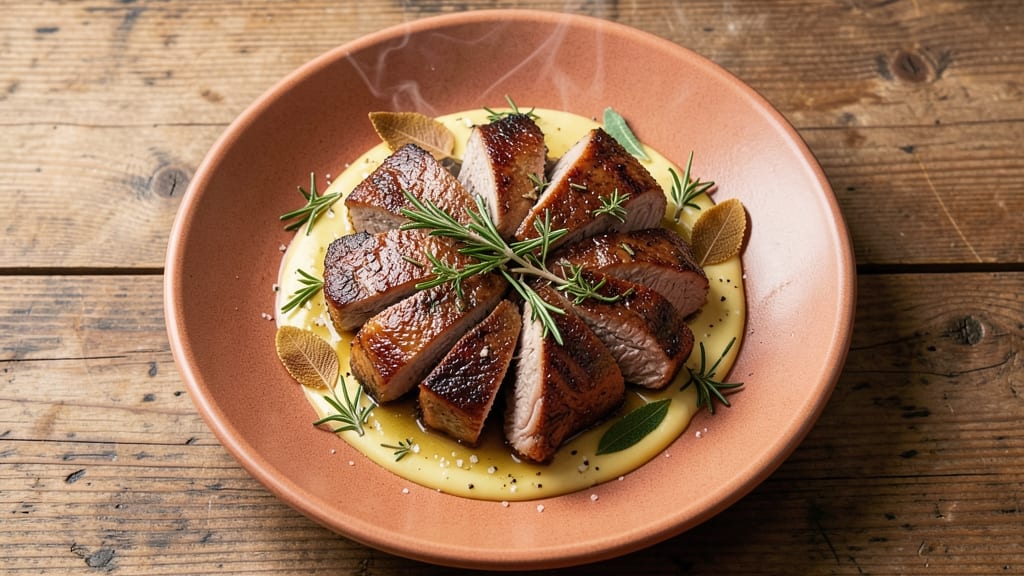
A moist pork tenderloin recipe that delivers juicy, herb-kissed perfection in just 30 minutes is the secret weapon I developed after years of perfecting whole-hog techniques. Growing up in small-town Georgia, I learned that pork's tenderness comes from respect—not rushing.
This method combines dry-brining and careful searing to lock in moisture while building flavor through aromatic herbs and a simple butter baste.
The key to success lies in the preparation: a 1-hour dry brine transforms tough cuts into melt-in-your-mouth tenderness, while searing in a hot cast-iron skillet creates that coveted caramelized crust. We'll use a reverse sear technique—starting low and finishing high—to ensure the interior hits 145°F without drying out.
The herb butter basting during the final minutes adds layers of savory depth that elevate this dish from simple to extraordinary.
What you'll achieve is a perfectly moist pork tenderloin with a golden crust, where each slice stays juicy and flavorful from edge to edge. The herb-infused butter creates pockets of richness that balance the natural sweetness of the pork, making every bite worth the effort.
This recipe isn't just about technique—it's about recreating that homey, Southern comfort that makes pork the star of any meal.
Serve with roasted root vegetables or a crisp apple slaw to complement the tenderloin's richness. The leftovers reheat beautifully, making this an ideal recipe for meal prep or special occasions. Let's create a pork tenderloin that rivals any restaurant's version—without the fuss.
Ingredients for moist pork tenderloin
Eleven simple ingredients transform into a restaurant-quality pork tenderloin with melt-in-your-mouth tenderness.
| Ingredient | Amount | Notes |
|---|---|---|
| Pork Tenderloin 🥩 | 1 ½ lb | Center-cut, trimmed of silver skin |
| Diamond Crystal Kosher Salt 🧂 | 2 tbsp | For dry-brine, fine grain preferred |
| Fresh Rosemary 🌿 | ¼ cup | Finely chopped, stems removed |
| Fresh Thyme 🌿 | ¼ cup | Leaves only, stems discarded |
| Fresh Sage 🌿 | ¼ cup | Leaves only, finely chopped |
| Unsalted European-Style Butter 🧈 | ½ cup | Cold, cubed for basting |
| Extra-Virgin Olive Oil 🫒 | 1 tbsp | For searing, high smoke point |
| Garlic Cloves 🧄 | 4 cloves | Minced for herb butter |
| Fresh Lemon Juice 🍋 | 1 tbsp | Bright, freshly squeezed |
| Ground Black Pepper 🌶️ | 1 tsp | Freshly cracked, coarse grind |
| Yellow Onion 🧅 | 1 whole | Thinly sliced, for optional garnish |
The pork tenderloin must be center-cut and free of silver skin for optimal tenderness. Source from a trusted butcher or high-quality grocer like Whole Foods or Kroger—look for uniform, pale pink color with minimal marbling. Trim any excess fat or connective tissue before brining. Fresh herbs are non-negotiable here; Whole Foods' bulk section or a local farmers market deliver the most vibrant rosemary, thyme, and sage. If using dried herbs, reduce to one-third the amount and toast them lightly in a dry pan before adding to the butter.
For the dry brine, Diamond Crystal kosher salt is ideal due to its fine texture, which dissolves completely. If substituting, use half the amount of table salt. The herb butter should incorporate unsalted European-style butter—its high fat content ensures rich basting without overpowering the pork. Plugrá or Miyoko's brands excel in this application. Fresh lemon juice must be used; bottled versions lack the bright acidity needed to balance the richness. If unavailable, pasteurized lemon juice works in a pinch, though flavor will be slightly muted.
Store fresh herbs in airtight containers wrapped in damp paper towels for up to 5 days. The dry-brined pork tenderloin can rest uncovered in the refrigerator for 1 hour before cooking, then proceed immediately. Leftovers reheat beautifully—wrap tightly in foil and warm in a 350°F oven for 10-15 minutes to preserve moisture. For meal prep, portion into single-serving containers and freeze for up to 3 months, thawing overnight in the refrigerator before reheating.
Why You'll Love This Recipe
- No Fuss, No Mess: I swear by this—just a quick rub with salt and herbs, then a 20-minute roast. The tenderloin stays juicy, and honestly? The prep couldn’t be simpler if I tried.
- Herb Magic Happens: That trio of rosemary, thyme, and sage? It’s like a little flavor explosion in every bite. Between us, the fresh herbs make this taste way better than any store-bought seasoning packet ever could.
- Weeknight to Dinner Party: I serve this sliced over crusty bread for a quick lunch or carved for guests—same recipe, totally different vibes. (Yes, even on a Tuesday night, it feels special.)
- Leftovers That Don’t Suck: Cook once, eat twice. The pork reheats beautifully in the oven or pan, and I’ll be real: the second day is often my favorite—tender, flavorful, and zero waste. Budget win.
Step-by-step instructions for herb-kissed pork tenderloin
This method guarantees perfectly moist, herb-infused pork every time—no guesswork involved.
Prepare the Dry Brine and Herb Butter
In a small bowl, combine the 2 tablespoons Diamond Crystal Kosher Salt, 1 teaspoon Ground Black Pepper, 0.25 cup Fresh Rosemary, 0.25 cup Fresh Thyme, and 0.25 cup Fresh Sage. Mix thoroughly to distribute the herbs evenly. This dry brine will enhance flavor while preventing the pork from drying out during cooking.
In another bowl, create the herb butter by combining the 0.5 cup Unsalted European-Style Butter (cold and cubed), 4 cloves Garlic Cloves (minced), and 1 tablespoon Fresh Lemon Juice. Use a fork to mash the mixture until the butter softens slightly but remains pea-sized. This compound butter will baste the pork, locking in moisture and adding rich herbal notes.
Sear the Pork for Maximum Flavor
Pat the 1.5 lb Pork Tenderloin dry with paper towels—this step is non-negotiable for crispy skin. Heat 1 tablespoon Extra-Virgin Olive Oil in a large skillet over medium-high heat until shimmering. Place the pork in the skillet and sear for 2-3 minutes per side until the exterior develops a deep golden-brown crust. The reason for high heat here is to create a flavorful barrier that traps juices inside.
Remove the pork from the skillet and let it rest on a wire rack for 5 minutes. This brief rest prevents the juices from escaping when you cut into it later. While it rests, reduce the skillet heat to medium and add the herb butter mixture. Let it melt for 1 minute, then remove from heat.
Roast to Perfect Doneness
Preheat your oven to 400°F. Return the pork to the skillet and spoon the melted herb butter evenly over the surface. Transfer the skillet to the oven and roast for 15-20 minutes, or until the internal temperature reaches 145°F when measured with a meat thermometer. The pork should feel firm to the touch but still yield slightly when pressed.
Here's the thing—pork tenderloin cooks quickly, so don't walk away. If the exterior begins to darken too much before reaching 145°F, tent loosely with aluminum foil to prevent over-browning while allowing the interior to finish cooking. The herb butter will bast the pork as it roasts, ensuring every bite stays moist and infused with flavor.
Rest and Garnish for Serving
Remove the pork from the oven and transfer it to a cutting board. Let it rest for 10-15 minutes before slicing—this critical step allows the juices to redistribute, preventing them from pooling on the plate. During this time, thinly slice the 1 whole Yellow Onion (if using) for garnish.
Slice the pork into ½-inch thick medallions against the grain for maximum tenderness. Arrange the slices on a warmed platter, drizzle with any remaining herb butter from the skillet, and garnish with the sliced yellow onion. Serve immediately with roasted vegetables or a fresh herb salad to complement the herb-forward flavor profile.
Pro Tips For Making Moist Pork Tenderloin
- Pat It Dry First: You’d be surprised how much moisture clings to pork tenderloin right after trimming. Grab a paper towel and pat it down—really dry it—before seasoning. This lets the salt penetrate better and ensures that golden crust instead of a steamed surface. Trust me, I once skipped this and ended up with meat that looked like it came from a soggy sandwich.
- Use Cold Knives, Hot Hands: Slice your fresh rosemary, thyme, and sage right before cooking—don’t chop them hours ahead. Cold knives bruise herbs, making them bitter and releasing too much liquid. Instead, let your hands warm up (yes, even if you’re impatient like me) and chop them crisply just as you’re about to season the meat. Freshness matters more than you think.
- Salt the Meat Like You Mean It: Diamond Crystal Kosher Salt is not mild—it’s potent, so use about 1.5–2 teaspoons per pound of pork, pressed firmly into the meat. I learned this the hard way when I halved the recipe and ended up with bland, dry slices. Press the salt into the tenderloin like you’re kneading dough; this guarantees flavor and moisture retention.
- Start with High Heat, End Low: Sear the pork tenderloin over medium-high heat for 2–3 minutes per side to build a crust, then finish in a 300°F (150°C) oven for the rest of the cook time. Skipping the sear means no flavor lock-in, and going straight to the oven turns your meat into a sad, juicy puddle. The crust isn’t just for show—it’s what holds everything together.
Perfect pairings for moist pork tenderloin
Herb Butter Sauce
Elevate your tenderloin with the herb butter you made earlier—simply melt it in a small saucepan over low heat for 2-3 minutes until fully liquid. The infusion of rosemary, thyme, and sage creates a fragrant sauce that pairs perfectly with the pork.
I like to drizzle it over the sliced tenderloin just before serving, or use it as a dipping sauce for crusty bread. For extra richness, add a splash of dry white wine (like Sauvignon Blanc) while melting the butter. 💫
Roasted Root Vegetables
Nothing complements the tender texture of pork tenderloin like caramelized root vegetables. Toss 1 lb each of carrots, parsnips, and sweet potatoes in 1 tbsp olive oil, 1 tsp kosher salt, and ½ tsp black pepper.
Roast at 400°F for 25-30 minutes until tender and golden. The natural sweetness of the vegetables balances the savory herbs in the pork. I often add a pinch of cinnamon to the mix for warmth. 🥕
Apple and Walnut Slaw
For a refreshing contrast, try a crisp apple slaw with 3 cups shredded green cabbage, 1 cup thinly sliced apples (like Honeycrisp or Fuji), and ½ cup chopped walnuts.
Toss with a dressing of 2 tbsp apple cider vinegar, 2 tbsp olive oil, 1 tsp Dijon mustard, and 1 tsp honey. The acidity cuts through the richness of the pork while adding a satisfying crunch. 🍏
Wine Pairings
A crisp Chardonnay from California or a Viognier from the Rhône Valley complements the herbaceous notes of the pork beautifully. The acidity in these whites refreshes your palate between bites.
For red wine lovers, a Pinot Noir with its bright fruitiness works surprisingly well. Avoid heavy, oaked wines—they can overpower the delicate herb flavors. 🍷
Creamy Polenta
Transform simple polenta into a luxurious side by stirring in 2 tbsp butter and ¼ cup grated Parmesan cheese while it cooks. The creamy texture soaks up any remaining herb butter from the pork, making every bite satisfying.
For extra depth, fold in 2 tbsp chopped chives at the end. This Italian classic adds a comforting element to the meal. 🍚
Garnish Ideas
Fresh herbs like parsley or cilantro add a pop of color and brightness to your plate. I also love finishing with toasted breadcrumbs mixed with crushed red pepper flakes for a subtle crunch and heat.
For a touch of elegance, a few lemon zest strips add a citrusy contrast. These garnishes not only look beautiful but also enhance the overall flavor profile. 🌿
Nutrition facts
Frequently asked questions
Why does pork tenderloin dry out so easily?
Pork tenderloin has minimal fat and connective tissue, which means it lacks natural moisture retention. The key to keeping it juicy is the dry brine (salt draws out moisture, then reabsorbs it) and the herb butter basting during roasting. Without these steps, the high heat causes the juices to escape quickly.
Can I substitute fresh herbs with dried ones?
Yes, but use only one-third the amount of dried herbs (e.g., 1 teaspoon dried thyme instead of ¼ cup fresh). For best results, toast the dried herbs in a dry pan for 30 seconds before mixing into the butter to wake up their flavors. Fresh herbs always deliver brighter taste, though.
What if my pork tenderloin doesn't hit 145°F?
If the exterior browns too quickly before reaching 145°F, tent loosely with aluminum foil and return to the oven. The internal temperature should climb steadily. If it's still undercooked after 20 minutes total, increase the oven to 425°F for the final 5 minutes to finish without over-browning.
How do I adjust this recipe for a larger crowd?
Double the recipe, but increase the dry-brine time to 2 hours for thicker cuts. Use a meat thermometer to check doneness—pork tenderloin over 2 lbs may need an extra 5-10 minutes in the oven. For serving, divide the herb butter into separate bowls to baste each piece individually.
Can I make this ahead of time?
Cook the pork fully, then let it cool to room temperature. Store in an airtight container in the fridge for up to 3 days or freeze for 3 months. Reheat gently in a skillet with a splash of water or broth to restore moisture. For serving, reheat to 165°F and baste with fresh herb butter.