
Main Courses
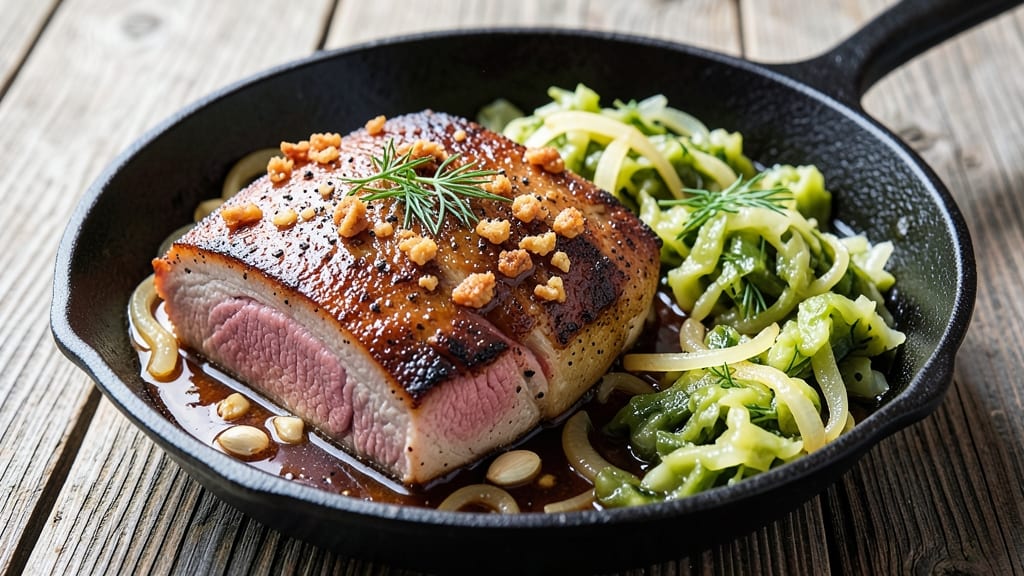
Old-fashioned pork and sauerkraut is the kind of hearty, comforting dish that turns weeknight dinners into family feasts. Growing up in small-town Georgia, I learned this recipe from my grandmother, who swore by its ability to stretch a modest pork shoulder into enough meals for a week. The magic lies in slow-braising the pork until it's fork-tender while letting the sauerkraut mellow into a sweet-tangy sauce that clings to every bite.
This recipe delivers restaurant-quality results without requiring special skills—just patience and a heavy pot. The pork develops deep, smoky flavors as it cooks low and slow, while the sauerkraut transforms from sharp to mellow, creating a sauce that's both vibrant and complex.
I've perfected this method over years of testing, and it never fails to impress even the most skeptical eaters.
By the time you're done, you'll have perfectly tender pork that falls apart at the touch of a fork, all swimming in a rich, tangy-sweet sauce. The aroma alone will have everyone gathering at the table, and the leftovers—if there are any—make the best sandwiches the next day.
This is the kind of dish that feels like a hug on a plate.
Serve it with crusty bread for soaking up every last bit of that flavorful sauce, or pair it with mashed potatoes for a complete Southern-style meal. The beauty of this recipe is its versatility—it works as a main course for a crowd or a cozy weeknight dinner for two.
Let's get started on making this old-fashioned classic your new go-to recipe.
Ingredients for old fashioned pork and sauerkraut
Pork shoulder, sauerkraut, and a few pantry staples—this old-fashioned combo turns into a crowd-pleasing feast.
| Ingredient | Amount | Notes |
|---|---|---|
| Pork Shoulder 🍖 | 3 lb | Bone-in for flavor, cut into chunks |
| Sauerkraut 🥬 | 2 cups | Unopened jar, drained slightly |
| Yellow Onion 🧅 | 1 whole | Medium, sliced into half-moons |
| Garlic Cloves 🧄 | 4 cloves | Peeled, smashed slightly |
| Apple Cider Vinegar 🍏 | ¼ cup | For tangy depth |
| Brown Sugar 🍯 | ½ cup | Packed, for caramelized sweetness |
| Smoked Paprika 🌶️ | 1 tbsp | For that smoky aroma |
| Ground Black Pepper 🌶️ | 1 tsp | Freshly cracked for heat |
| Bay Leaves 🍃 | 2 whole | For subtle earthy flavor |
| Apple Juice 🍎 | ½ cup | Sweetens the braise |
| Fresh Thyme 🌿 | ¼ cup | Chopped, or 1 tsp dried |
| Salt 🧂 | 1 ½ tsp | Kosher or sea salt |
| Olive Oil 🫒 | 2 tbsp | For searing pork |
The pork shoulder is the star here—bone-in cuts add rich flavor, and you can often find them pre-cut at Costco or Walmart for great prices. If you're buying a whole shoulder, ask the butcher to cut it into 2-inch chunks for even cooking. Trader Joe's has pre-cut chunks too, which saves time. The sauerkraut should be unopened and packed tightly—the kind in glass jars keeps best. For the apple cider vinegar, I grab the Bragg brand from the health food aisle, but any organic version works. The brown sugar? Muscovado has deeper molasses notes, but regular light brown sugar is fine.
No smoked paprika? Regular paprika plus a pinch of liquid smoke gets you close. Short on apple juice? White grape juice or even apple cider works in a pinch. The thyme can be dried, but use one-third the amount—fresh has way more punch. If you're out of bay leaves, dried thyme at double strength is a decent swap. For the onions, video or sweet onions add natural sweetness, but yellow works fine. The pork can be prepped ahead—sear it, then refrigerate overnight for even better flavor when braising.
This dish tastes even better the next day, so make extra. Pork keeps 3-4 days in the fridge, and the sauce thickens as it sits. For leftovers, I like to shred the pork and mix it with the sauce for sandwiches—add a slice of sharp cheddar for next-level flavor. The sauce freezes beautifully too, just reheat it with a splash of water. If you're serving a crowd, double the recipe—it's that good.
Why You'll Love This Recipe
- One-Pan Magic: I swear by this recipe when I’m too tired to scrub pots—just brown the pork shoulder, toss in the onions and garlic, add the sauerkraut and vinegar, then let it slow-cook. The acid from the vinegar tenderizes the meat while the kraut soaks up all the flavor, and honestly? I’ve never had a dish this simple that tastes so good.
- Tangy-Sweet Crunch: That first bite where the crispy pork meets the briny, slightly sweet sauerkraut? It’s like a flavor explosion in your mouth. The apple cider vinegar adds this bright, almost caramelized edge that cuts through the richness, and the garlic? Oh, it’s there—just enough to make you go back for seconds.
- Weeknight to Potluck: Between us, this is my go-to when I need something hearty but won’t take all day. Double the batch, and you’ve got leftovers for lunch the next day—or bring it to a gathering, and people will ask for the recipe before dessert. (Yes, even on a Tuesday night.)
- Budget-Friendly Feast: Pork shoulder is cheap, sauerkraut lasts forever, and onions/garlic don’t break the bank. I’ve fed six people for under $15 with this, and the leftovers? They’re even better the second day. Plus, it’s one of those dishes that screams “homemade” without needing fancy ingredients.
Step-by-step instructions for old fashioned pork and sauerkraut
Here's how to make this hearty, smoky-sweet braise that tastes like grandma's kitchen.
Sear the Pork Shoulder for Deep Flavor
Pat the 3 lb pork shoulder completely dry with paper towels. Heat a large Dutch oven over medium-high heat and add the 2 tbsp olive oil. Once shimmering, add the pork shoulder in a single layer and let it sear undisturbed for 5 minutes until a deep golden-brown crust forms. Flip and sear the other side for another 5 minutes.
This initial sear creates the Maillard reaction that builds rich, caramelized flavors. Don't rush this step—patience here makes all the difference. Once browned, remove the pork from the pot and set it aside on a plate.
Build the Flavor Base with Aromatics
In the same Dutch oven, add the sliced 1 whole yellow onion and cook for 5 minutes until softened and translucent. Add the 4 smashed garlic cloves and cook for another 30 seconds until fragrant. Sprinkle in the 1 tbsp smoked paprika and stir for 10 seconds to toast the spices.
Here's where the magic happens: the paprika releases its smoky aroma while the onions caramelize slightly. Don't let the garlic burn—watch it carefully as it turns from pale to golden. This aromatic foundation will infuse the entire braise with its deep, savory notes.
Create the Braising Liquid
Pour in the 0.5 cup apple juice, 0.25 cup apple cider vinegar, and 0.5 cup brown sugar. Stir well to combine, then add the 2 whole bay leaves, 1.5 tsp salt, and 1 tsp ground black pepper. Bring the mixture to a simmer over medium heat, scraping up any browned bits from the bottom of the pot.
This liquid will become the rich, tangy-sweet base of your braise. The vinegar adds brightness while the brown sugar helps create that classic caramelized glaze. Let it bubble gently for 2 minutes to meld the flavors before adding the sauerkraut.
Braise Until Tender and Saucy
Return the pork shoulder to the Dutch oven, fat-side up. Add the 2 cups sauerkraut and the 0.25 cup chopped fresh thyme. Pour in enough water to come about halfway up the pork—approximately 2 cups. Bring to a simmer, then reduce heat to low, cover, and let it cook for 2 hours.
After 2 hours, check the pork for tenderness. It should pull apart easily with a fork. If not, continue cooking for another 30-60 minutes. The pork will develop that irresistible fall-apart texture while the sauerkraut softens and absorbs all those amazing flavors. Real talk: resist the urge to peek or stir—this disrupts the cooking process.
Finish and Serve with Crispy Top
Once the pork is fork-tender, remove it from the pot and set it aside. Increase the heat to medium-high and let the braising liquid reduce for 5-7 minutes until it thickens slightly. Return the pork to the pot and spoon the reduced sauce over the top.
For the perfect finish, transfer the pork and sauerkraut to a serving platter. Let it rest for 5 minutes before serving. The sauce will thicken further as it cools, creating that perfect balance of tender pork, tangy sauerkraut, and sweet-smoky flavors. Serve with crusty bread to soak up every last bit of that delicious braising liquid.
Pro Tips For Making Old Fashioned Pork And Sauerkraut
- Brown the Pork First: Skip the slow start—sear that pork shoulder in a hot skillet with a splash of apple cider vinegar until it’s deep golden. I learned this the hard way: rushing straight to the Dutch oven means bland, pale meat instead of rich, caramelized flavor that cuts through the sauerkraut’s tang.
- Rinse, Then Squeeze: Drain the sauerkraut, then give it a quick rinse under cold water to cut the sharpness—but don’t skip the squeeze. Wring it out in a clean towel like you’re wringing out a wet shirt. Wet sauerkraut steams instead of crisping, and no one wants soggy cabbage in their pork dish.
- Don’t Crowd the Pot: Pork shoulder needs room to breathe, especially when it’s fat-capped. If your Dutch oven is packed tight, the meat will steam instead of brown. Cut it into even chunks, and if needed, work in batches—trust me, the extra 10 minutes saves you from mushy pork later.
- Deglaze with Vinegar: After browning the pork, don’t just add water to the pot. Splash in ¼ cup of apple cider vinegar, scrape up those browned bits, and let it simmer for 2 minutes. That sticky, tangy residue is pure flavor—it’s the difference between "meh" and "worth making again."
Essential equipment for this dish
Dutch Oven Essentials
My go-to for this recipe is a 5.5-quart Lodge cast iron Dutch oven—it handles the high heat for searing and distributes it evenly during braising. Lodge's pre-seasoned models are my top pick because they're already ready to use straight out of the box.
If you don't have one, a Le Creuset stoneware Dutch oven works beautifully too, though it requires more careful temperature management. For budget-conscious cooks, a 5-quart stainless steel Dutch oven from All-Clad is a great alternative that still delivers excellent results. 🔥
Precision Thermometer
Never skip the instant-read thermometer—I swear by the ThermoWorks Smoke for its fast response time and accuracy. You'll want to check that pork's internal temperature reaches 195-203°F for perfect tenderness. The probe should go through the thickest part of the meat to get an accurate reading.
If you're new to braising, this tool prevents overcooking or undercooking that can ruin your entire dish.
Heavy-Duty Tongs
For flipping that 3 lb pork shoulder during searing, I reach for OXO Good Grips—their silicone tips protect your hands while providing a secure grip. These tongs handle the weight of the pork without bending, and the non-slip coating means no accidental drops.
If you're working with a larger cut, consider 12-inch stainless steel tongs from Mercer Culinary for better leverage. Trust me, nothing's more frustrating than struggling with flimsy tongs mid-cook.
Measuring Tools
Precision matters when balancing the apple cider vinegar and brown sugar—I use a stainless steel liquid measuring cup from Farberware for the liquids and a spoon rest with built-in measuring spoons from OXO for the spices.
The Farberware's pour spout makes adding liquids to the Dutch oven effortless, while the OXO spoon rest keeps my countertop organized during prep. For brown sugar, I use a small scoop to ensure consistent packing—this makes all the difference in achieving that perfect caramelized sweetness.
Sauerkraut Drainer
Draining sauerkraut efficiently is key—I use a colander with a pour spout from Chicago Metallic to quickly remove excess liquid while keeping the sauerkraut contained. This prevents messes and ensures you're using the right amount for your recipe.
If you don't have one, a fine-mesh strainer works in a pinch, though you'll need to transfer the sauerkraut carefully. Pro tip: Rinse the colander thoroughly after use—sauerkraut juice can leave a funky residue if left to dry.
Optional: Meat Mallet
If you're using a larger pork shoulder or tougher cuts, a meat mallet helps tenderize the meat before cooking. I prefer the Mercer Culinary model with a 4.5-inch head—it's heavy enough to break down fibers without crushing the meat.
Pound the pork to an even ½-inch thickness before searing for more consistent cooking. This step is especially useful if you're working with a whole shoulder that hasn't been pre-cut by the butcher. 💪
Nutrition facts
Frequently asked questions
Can I use pork chops instead of pork shoulder for this recipe?
Pork chops work differently—they cook much faster and won't develop the same tender, fall-apart texture. For best results, use bone-in pork chops (about 1-inch thick) and reduce the braising time to 45-60 minutes. Sear them first, then braise with the same sauce ingredients. The sauerkraut will still soften beautifully, but you'll miss that rich, slow-cooked depth.
How do I make the sauerkraut less tangy?
To mellow the sharpness, rinse the sauerkraut under cold water before using, but drain it well. For extra sweetness, add 1 extra tablespoon of brown sugar or 2 tablespoons of apple juice to the braising liquid. The longer you cook it (up to 3 hours total), the more the acidity will mellow into a tangy-sweet flavor. If you prefer it milder, reduce the cooking time to 90 minutes instead of 2 hours.
Can I prepare this dish ahead of time?
This recipe tastes even better the next day! Cook the pork and sauerkraut as directed, then let it cool completely. Store in an airtight container in the fridge for up to 4 days. The flavors deepen as it sits, and the sauce thickens into a glorious glaze. Reheat gently on the stove with a splash of water or broth to restore moisture. For leftovers, shred the pork and mix it with the sauce for amazing sandwiches.
What's the secret to perfectly tender pork?
The key is low-and-slow cooking to 203°F internal temperature. Use a meat thermometer to check the thickest part—the pork should feel tender when pierced with a fork. Never rush the process: 2 hours minimum for shoulder cuts. The fat renders slowly, creating a rich sauce that keeps the meat moist. If your pork feels tough after 2 hours, add ½ cup more liquid and cook another 30 minutes.
Can I substitute sauerkraut with another fermented cabbage?
While traditional sauerkraut is ideal, you can use kimchi (reduce by ¼ cup due to moisture) or fermented green cabbage in a pinch. For best results, drain well and add 1 extra tablespoon of vinegar to maintain acidity. The flavor profile will differ—kimchi adds spice, while green cabbage stays milder. If using kimchi, reduce the brown sugar by 1 tablespoon to balance sweetness.