
Main Courses
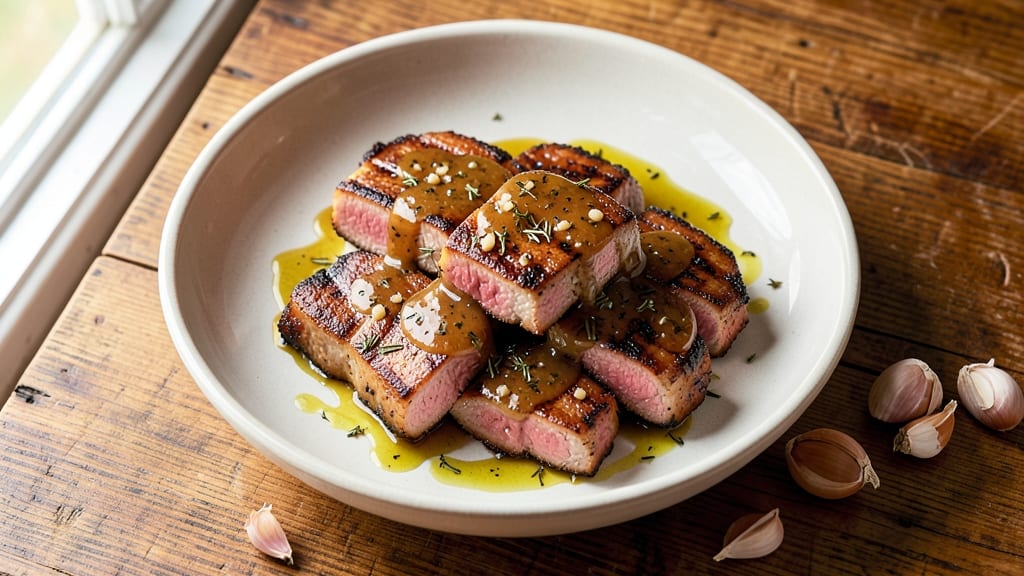
Mastering Omaha Steaks pork loin chops boneless delivers that perfect balance of smoky crust and juicy pink centers—just like the legendary steakhouse cuts they're named after.
Growing up in small-town Georgia, I learned pork chops deserved the same respect as whole hogs, and this recipe pays homage to that tradition with Nebraska-inspired techniques. The secret lies in a mustard-garlic marinade that tenderizes while building flavor, paired with a high-heat sear that creates that signature crust.
What sets this method apart is the reverse sear approach—starting low and slow to ensure even cooking, then finishing with a cast-iron blast to lock in moisture and create that restaurant-quality crust.
With just 5 simple ingredients and 30 minutes of active time, you'll achieve results that rival Omaha's finest, but with the flexibility to cook on any stovetop or grill. The smoky aroma alone will have everyone asking for seconds.
By the time you plate these chops, you'll have perfectly seared edges with a juicy pink center that practically melts at the touch of your fork. The mustard-garlic crust adds a tangy depth that complements the tender meat, while the herbaceous finish ties it all together.
This is the kind of dish that transforms a weeknight dinner into something special—no fancy equipment required.
Pair with grilled asparagus and roasted potatoes for a complete Nebraska-style meal. The techniques here work just as well for boneless pork chops as they do for steaks, making this a versatile addition to your repertoire. Let's get cooking—your taste buds will thank you.
Ingredients for omaha steaks pork loin chops boneless
Five ingredients transform simple pork chops into Nebraska-inspired showstoppers with smoky crust and juicy pink centers.
| Ingredient | Amount | Notes |
|---|---|---|
| Boneless Pork Loin Chops 🥩 | 4 pieces | 1-inch thick, center-cut preferred |
| Dijon Mustard 🍯 | ¼ cup | High-quality, smooth variety |
| Garlic Cloves 🧄 | 6 cloves | Fresh, minced for marinade |
| Extra-Virgin Olive Oil 🫒 | ¼ cup | Light fruity flavor preferred |
| Fresh Rosemary 🌿 | ¼ cup | Finely chopped, stems removed |
| Kosher Salt 🧂 | 1 ½ tsp | Diamond Crystal preferred |
| Freshly Ground Black Pepper 🌶️ | 1 tsp | Coarsely ground for texture |
| Smoked Paprika 🌶️ | ½ tsp | For smoky depth |
| Unsalted Butter 🧈 | ½ cup | Cold, cubed for searing |
| Fresh Thyme Leaves 🌿 | ¼ cup | Chopped, for finishing |
The pork loin chops are the star—look for center-cut pieces with good marbling for that steakhouse quality. Omaha Steaks sells pre-portioned boneless chops if you want consistency, but any quality butcher will have them. Thickness matters: 1-inch chops cook more evenly. Pat them dry before marinating—this helps the crust form better. I like to trim any excess fat, but leave a little for flavor. Freshness is key here: use within 3 days of purchase for best results.
No Dijon mustard? Dijon-style yellow mustard works in a pinch, but the texture's different. The garlic can be roasted for a sweeter flavor—just toss whole cloves with olive oil and roast at 400°F for 10 minutes before mincing. Swapping rosemary? Fresh thyme at the same amount gives a similar earthy note. For the smoked paprika, regular paprika plus a pinch of liquid smoke mimics the effect. The butter should be cold and cubed—don't melt it beforehand, or you'll lose that beautiful crust when it hits the pan.
Marinade keeps 2 days in the fridge, but the chops themselves? 1 day max—pork doesn't play well with long marinating. After cooking, let them rest 5 minutes before serving—this keeps all that juicy goodness inside. The finished chops reheat beautifully: 350°F for 8-10 minutes wrapped in foil. I like to portion them with extra marinade for leftovers, which keeps them moist for 3 days in the fridge. Freeze for up to 2 months if you're prepping ahead.
Why You'll Love This Recipe
- No Fuss, Big Payoff: I swear by this recipe because it’s the kind of meal that makes you feel like you’ve cooked a fancy dinner—without the fuss. Just sear those chops in olive oil until they’re golden, slather on that Dijon and crushed garlic, and let the rosemary work its magic while you sip your wine. The crust forms in minutes, and the inside stays juicy. That’s the kind of win I’ll take any day.
- Umami Bomb: Between us, this combo of Dijon and fresh rosemary is ridiculously good. The mustard cuts through the richness of the pork, while the garlic and rosemary add layers of earthy, herby depth. It’s not just flavor—it’s the kind of taste that makes you pause mid-bite and think, “Wait, why don’t I do this more often?” (Yes, even on a Tuesday night.)
- Weeknight or Weekend: Honestly, I make these for everything. Weeknights when I’m too tired to think? Check. Weekend brunch when my in-laws are over? Still check. The chops reheat beautifully for lunch the next day, and the leftovers? They disappear faster than I can say “second helping.” Plus, they’re the kind of dish that feels special without requiring a holiday.
- Budget Hero: Here’s what sold me—they’re cheaper than steak but just as satisfying. A few pork chops stretch across meals, and the ingredients? Olive oil, garlic, and rosemary are pantry staples that don’t break the bank. I’ve fed four people for under $15 with this, and no one ever complains. That’s my kind of meal—great taste, lighter wallet.
Step-by-step instructions for Omaha Steaks pork loin chops
Here's the method for achieving that signature Omaha Steaks crust—crispy, smoky, and perfectly balanced with juicy pink centers.
Create the Smoky-Garlic Marinade
In a small bowl, combine the 0.25 cup Dijon mustard, 6 cloves minced garlic cloves, 0.25 cup finely chopped fresh rosemary, 1.5 teaspoons kosher salt, 1 teaspoon freshly ground black pepper, and 0.5 teaspoon smoked paprika. Whisk until smooth—this blend forms the aromatic foundation that will penetrate every inch of the pork loin chops.
Next, slowly drizzle in the 0.25 cup extra-virgin olive oil while continuing to whisk. The marinade should coat a spoon easily but still cling to the back of it—this indicates proper consistency. Pour this mixture into a resealable plastic bag and place the 4 boneless pork loin chops inside. Seal tightly, remove excess air, and massage the marinade over the chops to ensure full coverage.
Refrigerate for at least 4 hours or up to overnight—this extended marination ensures maximum flavor penetration while keeping the chops tender. I like to marinate overnight because the flavors meld beautifully, but even 4 hours will give you excellent results. Turn the bag occasionally during marination to ensure even exposure to the marinade.
Sear the Chops for Maximum Crust Development
Remove the chops from the refrigerator and let them sit at room temperature for 30 minutes before cooking. This step is crucial for even cooking—cold meat can cause uneven searing. Pat the chops dry with paper towels, removing any excess marinade that might prevent proper browning.
Heat a heavy skillet over medium-high heat until it's very hot—you should see a slight shimmer when you hold your hand about 2 inches above it. Add the 0.5 cup cubed unsalted butter and let it melt completely, then add the chops. Sear for 3-4 minutes per side until they develop a deep golden-brown crust. Don't move them around—let them sit undisturbed to develop that perfect crust.
During the last minute of searing, you'll notice the butter foaming and turning golden. This is the signal that the crust is forming. If the butter starts to smoke excessively, reduce the heat slightly to medium to prevent burning while still allowing the chops to brown properly. The internal temperature should reach 135°F at this point—just before they're fully cooked.
Finish with Herb Butter and Rest
Transfer the seared chops to a warm plate and tent loosely with foil. In the same skillet (no need to clean it—the browned bits add flavor), reduce heat to low and add the 0.25 cup chopped fresh thyme leaves. Cook for 30 seconds until fragrant, then remove from heat and stir in 2 tablespoons of the rendered butter from the pan.
Spoon this herb butter mixture over each chop, allowing it to melt and create a glossy finish. The thyme adds a bright, aromatic note that complements the smoky crust. Let the chops rest for 5-7 minutes before serving—this resting period allows the juices to redistribute throughout the meat, ensuring each bite is moist and flavorful.
To serve, slice each chop diagonally against the grain for maximum tenderness. The exterior should be crispy with a smoky aroma, while the interior remains juicy with that signature pink center. The herb butter will have created a beautiful sheen on the surface, tying all the flavors together in one perfect bite.
Pro Tips For Making Omaha Steaks Pork Loin Chops Boneless
- Sear First, Finish Slow: Hit those pork chops with a screaming-hot pan—cast iron if you’ve got it—until they’re deep golden brown on both sides. Then, drop the heat to medium-low and let them cook through; rushing the finish turns them tough. I learned this the hard way when my chops came out chewy instead of tender.
- Smash That Garlic: Don’t just mince those cloves—smash them with the flat side of your knife first. It releases more flavor and blends better into the Dijon mustard marinade. (Yes, even if you’re impatient like me.) Trust me, your chops will taste like they came from a restaurant.
- Skip the Overcrowding: Resist the urge to pile all the chops in the pan at once. Cook them in batches—even if it means an extra minute of waiting—so they sizzle properly. Crowding steams them instead of searing, and nobody wants sad, soggy pork.
- Rosemary Needs Love: Fresh rosemary is stubborn—strip the needles off the stems and chop them fine, not coarse. If you’re lazy, a quick pulse in the food processor works, but don’t skip this step. Whole sprigs burn too fast and leave your chops underflavored.
Essential equipment for great omaha steaks pork loin chops boneless
Cast-Iron Skillet
My Lodge Pre-Seasoned 12-inch Cast Iron Skillet is non-negotiable for this recipe—its thick walls distribute heat evenly, creating that perfect crust on pork chops. Preheat it over medium-high heat until it's screaming hot before adding butter.
I season mine with flaxseed oil after each use to maintain that perfect non-stick surface while keeping the crust-building properties intact. 🔥
Meat Thermometer
Accuracy is everything when cooking pork to 135°F internal temperature for medium-rare. I trust my ThermoWorks Smoke dual-probe thermometer—it has a 1-second response time and remains stable in high-heat environments.
The instant-read probe lets me check doneness without opening the pan, preserving that crucial crust. Never guess with pork—overcooking turns tender chops into rubber.
High-Quality Butter
3>
Use European-style unsalted butter like Plugrá or Kerrygold for the best flavor and higher fat content (82% vs. 80% in American butter). The extra fat creates a richer, more stable crust during searing.
I cube it and keep it cold until the pan is ready—this prevents premature melting. For an extra touch, I sometimes add 1 teaspoon fresh thyme to the butter before cubing.
Plastic Food Bags
For marinating, I use quart-size resealable plastic bags from Hefty—they're durable enough to handle the marinade without tearing, yet flexible enough to massage the meat thoroughly. The vacuum-seal effect ensures maximum surface contact between the marinade and chops.
I double-bag them for extra security, especially when marinating overnight. Never use metal containers—they can react with acidic ingredients.
Tongs for Handling
Stainless steel tongs (I use OXO Good Grips) are essential for flipping chops without piercing the meat. Their long handles keep your fingers safe from the intense heat, and the serrated edges grip the chops securely. I keep a pair dedicated to pork cooking to prevent cross-contamination. Never use forks—piercing releases juices that prevent proper crust formation.
Cutting Board & Knife
A hardwood cutting board (I prefer maple) provides stability when slicing chops against the grain. Pair it with a Wüsthof 8-inch chef's knife—its razor-sharp edge makes clean cuts through the meat fibers.
I always slice diagonally to maximize tenderness. For extra presentation, I use a bench scraper to create perfectly uniform chop portions before marinating. 💡
Nutrition facts
Frequently asked questions
Why does this recipe use Dijon mustard instead of regular mustard?
Dijon mustard has a smoother texture and more complex flavor profile than regular yellow mustard, which creates a richer, more velvety crust on the pork chops. The finer particles blend better with the olive oil and garlic, ensuring even flavor distribution throughout the meat. This is especially important for achieving that signature Omaha Steaks restaurant-quality taste at home.
Can I cook these chops on the grill instead of a skillet?
Grilling works beautifully for this recipe. Preheat your grill to medium-high (400°F) and oil the grates thoroughly. Cook the chops for 3-4 minutes per side until they reach 135°F internal temperature. For extra smokiness, add a handful of wood chips (hickory or apple works well) to the grill 10 minutes before cooking. Just be careful not to overcrowd the grill, or you'll lose that perfect crust.
What's the best way to serve these pork chops with Omaha Steaks flavors?
Pair these chops with classic Nebraska-inspired sides like creamy mashed potatoes with roasted garlic and chives, or grilled asparagus with lemon zest. For a true Omaha Steaks experience, serve with a red wine reduction sauce made from the same red wine used in their famous steakhouse sauces. The smoky-sweet contrast complements the pork perfectly.
How do I prevent the chops from drying out?
Never skip the resting period—always let the chops rest for 5-7 minutes after cooking before slicing. This allows the juices to redistribute throughout the meat. Also, avoid overcooking: pork chops should reach 135°F internal temperature for medium-rare, not 160°F. Using a meat thermometer is essential for accuracy. Finally, pat the chops very dry before searing to ensure a proper crust forms.
Can I make this recipe ahead of time?
The marinade can be prepared 2 days in advance and stored in the refrigerator. However, the chops themselves should only marinate for 1 day maximum to prevent over-tenderizing. For make-ahead convenience, cook the chops completely, let them cool, then refrigerate in an airtight container with extra marinade. Reheat in the oven at 350°F for 8-10 minutes wrapped in foil before serving. The flavors actually improve overnight!