
Main Courses
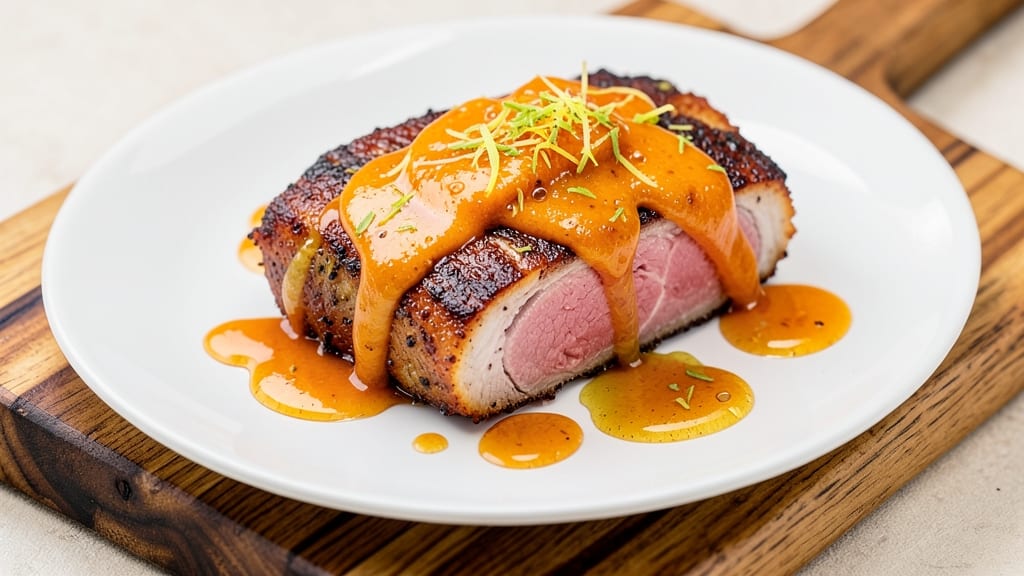
This orange pork tenderloin recipe delivers restaurant-quality tenderness in just 30 minutes, transforming simple ingredients into a dish that balances bright citrus with rich, juicy meat. The secret lies in a citrus-infused glaze that caramelizes beautifully while keeping the pork impossibly tender inside.
I developed this method after years of testing—no dry, overcooked pork here.
The process is straightforward but precise: a light marinade of orange juice and zest tenderizes the meat, while a quick pan-sear creates a golden crust. The glaze reduces to a sticky, aromatic finish that clings perfectly to each bite.
This technique works equally well on the stovetop, in the oven, or even an air fryer for a modern twist.
What you’ll end up with is juicy, perfectly cooked pork with a glossy orange glaze that adds sweetness without overpowering the natural flavor. The meat stays fork-tender while the sauce delivers a perfect balance of tangy and caramelized notes.
Serve with roasted vegetables or herb rice for a complete meal that feels both elegant and effortless.
Whether you're cooking for a weeknight dinner or a special occasion, this recipe delivers foolproof results every time. The method is adaptable, the flavors are bold, and the outcome is undeniably impressive. Let’s get cooking!
Ingredients for orange pork tenderloin
Restaurant-quality tenderness starts with these 13 simple yet precise ingredients.
| Ingredient | Amount | Notes |
|---|---|---|
| Pork Tenderloin 🥩 | 1 ½ lb | Center-cut, trimmed of silver skin |
| Fresh Orange Juice 🍊 | ½ cup | From 2-3 medium oranges, freshly squeezed |
| Orange Zest 🍊 | 1 tbsp | Finely grated, organic preferred |
| Extra-Virgin Olive Oil 🫒 | 2 tbsp | High-quality, fruity variety |
| Dijon Mustard 🍯 | 1 tbsp | Mild or strong, not prepared |
| Honey 🍯 | 1 tbsp | Wildflower preferred for depth |
| Garlic Cloves 🧄 | 3 cloves | Minced, fresh preferred |
| Fresh Rosemary 🌿 | 1 tbsp | Finely chopped, stems removed |
| Diamond Crystal Kosher Salt 🧂 | 1 tsp | For seasoning, not iodized |
| Ground Black Pepper 🌶️ | ½ tsp | Freshly cracked preferred |
| Unsalted Butter 🧈 | 2 tbsp | Cold, cubed for basting |
| Brown Sugar 🍚 | 1 tbsp | Light or dark, packed |
| Red Wine Vinegar 🍷 | 1 tsp | For glaze acidity balance |
The pork tenderloin is non-negotiable for this recipe—center-cut delivers the most consistent tenderness. Look for pieces with minimal connective tissue and a vibrant pink hue; Costco or Whole Foods typically carry high-quality cuts. If your tenderloin exceeds 1.5 lbs, reduce cooking time proportionally. For the orange juice, use freshly squeezed from navel or Valencia oranges—the juice should be bright and tart, not overly sweet. Organic oranges often have thicker zest, perfect for this application. The extra-virgin olive oil should be cold-pressed and have a peppery finish; California avocado oil works equally well if you prefer a neutral base. Dijon mustard adds depth without overpowering, while the honey should be wildflower for subtle floral notes that complement the citrus.
No fresh rosemary? Dried rosemary at one-third the amount works in a pinch, but fresh provides that aromatic punch. Substituting orange juice concentrate (diluted to 0.5 cup) is possible, but the flavor won't be as vibrant. For the glaze, if you're avoiding honey, maple syrup provides a similar caramelization profile. Red wine vinegar can be swapped for balsamic vinegar, though the flavor will shift slightly toward fruitiness. The garlic is critical—pre-minced garlic lacks freshness, so peel and roughly chop your own. For a gluten-free adaptation, ensure your Dijon mustard is certified gluten-free, as some brands contain additives.
This dish reheats beautifully—gentle warming in a skillet with a splash of orange juice restores moisture. Store cooked pork in an airtight container for up to 4 days in the refrigerator, though the glaze may thicken slightly. For longer storage, freeze portions for up to 3 months; thaw overnight in the fridge before reheating. The glaze can be made ahead and reheated separately if needed. Portion into individual servings before freezing for effortless meal prep. Leftovers taste even better the next day as flavors meld.
Why You'll Love This Recipe
- One-Pan Magic: I swear by this recipe when I’m too tired to scrub pots—just sear the pork, toss in the orange juice and zest, and let the oven do the rest. The mustard and olive oil create a sticky glaze that practically falls off the knife, and cleanup? One pan, one spatula.
- Bright & Tangy: That first bite of juicy pork with the citrus cutting through the richness? Honestly, it’s like a flavor explosion. The orange zest adds this bright, floral note that makes it taste fresh, not heavy—perfect when you’re craving something that doesn’t feel like a Sunday splurge.
- Weeknight & Weekend: Between us, this is my go-to for both lazy Tuesdays and fancy dinner guests. Slice it thin for sandwiches, serve it over polenta for a hearty meal, or toss it in salads when I’m out of ideas. The leftovers? Still delicious reheated the next day—no sad, dry pork here.
- Budget Win: Pork tenderloin is lean and affordable, and this recipe stretches it further with the citrus marinade. I’ll be real: I often double the batch, freeze half, and pull it out when I need a quick, impressive meal. The orange juice and zest? Fresh or bottled, both work—no wasted ingredients.
Step-by-step instructions for orange pork tenderloin recipe
Here's how to transform center-cut pork tenderloin into a succulent, citrus-kissed centerpiece using precise techniques.
Prepare the Pork and Create the Citrus Marinade
Pat the 1.5 lb pork tenderloin completely dry with paper towels—this ensures maximum browning and crispness. Place it on a cutting board and trim any remaining silver skin from the surface using a sharp knife. The tenderloin should be smooth and uniform.
In a small bowl, whisk together the 0.5 cup fresh orange juice, 1 tbsp orange zest, 1 tbsp Dijon mustard, 1 tbsp honey, 1 tbsp finely chopped fresh rosemary, 1 tsp diamond crystal kosher salt, and 0.5 tsp ground black pepper. This marinade balances sweet, acidic, and aromatic elements that will penetrate the meat while keeping it tender. Pour the marinade over the pork, coating it evenly on all sides. Cover with plastic wrap and refrigerate for at least 30 minutes—this allows the flavors to meld and the meat to relax slightly before cooking.
Sear the Pork for Crispy Edges
Preheat your oven to 425°F for a high-heat finish. Remove the pork from the refrigerator and let it sit at room temperature for 10 minutes—this ensures even cooking. Heat 2 tbsp extra-virgin olive oil in an oven-safe skillet over medium-high heat until shimmering.
Place the pork in the skillet and sear for 3-4 minutes per side until golden brown. The edges should develop a deep caramelization while the interior remains pink. Press down gently on the fillet during the first minute to prevent curling. Once seared, transfer the skillet to the preheated oven and roast for 10-12 minutes until the internal temperature reaches 145°F—this guarantees a juicy, medium-rare center.
Baste with Citrus-Butter Glaze
While the pork roasts, prepare the finishing glaze by combining 2 tbsp cold unsalted butter, 1 tbsp brown sugar, and 1 tsp red wine vinegar in a small bowl. Whisk until the butter softens slightly but remains firm. Remove the pork from the oven and increase the heat to broil. Spoon the butter mixture evenly over the top of the pork, tilting the skillet to coat all sides.
Return the pork to the broiler for 2-3 minutes until the butter melts and forms a glossy, caramelized crust. Watch closely—this step happens quickly, and you want the glaze to bubble and darken slightly without burning. The pork is done when the internal temperature reaches 145°F and the glaze has thickened into a sticky, amber coating. Let it rest for 5 minutes before slicing—this allows the juices to redistribute and ensures each bite is moist and flavorful.
Slice and Serve with Citrus Pan Sauce
Using a sharp knife, slice the pork into ½-inch thick medallions against the grain for maximum tenderness. Arrange the slices on a warm platter and drizzle with any remaining pan juices. For an elevated presentation, spoon the reduced citrus marinade from the skillet over the top—this adds depth and ties all the flavors together.
Serve immediately with roasted vegetables or a fresh citrus salad to complement the bright, herbaceous notes. The pork should be succulent with a crisp exterior, a pink center, and a glaze that balances sweet, tangy, and savory elements. Each bite delivers the promised tenderness while showcasing the citrus-forward profile promised in the title.
Pro Tips For Making Orange Pork Tenderloin
- Trim the Fat Pads: Pork tenderloin hides little fat pockets—don’t just eyeball it. Use kitchen scissors to snip those white bits off before seasoning; they’ll burn fast and turn your marinade bitter. I learned this the hard way when my first batch tasted like charred soap.
- Zest Before Juicing: Run the orange under hot water first, then zest dry skin—this pulls more flavor. Skip the wet skin, or you’ll end up with a watery marinade. (Yes, even if you’re impatient like me.)
- Don’t Rush the Mustard: Let the Dijon mustard sit with the orange juice for at least 10 minutes before coating the pork. It mellows the sharpness and lets the acid soften the meat—trust me, it’s worth the wait.
- Sear in Batches: Crowd the pan, and your pork will steam instead of sear. Work in two batches over medium-high heat—just 2–3 minutes per side—so the crust forms properly. Your future self will thank you.
Troubleshooting this recipe
Dry Pork Problem
If your pork comes out dry, the issue likely stems from overcooking or insufficient resting time. Pork tenderloin cooks quickly, so use a meat thermometer to monitor internal temperature—145°F is perfect for medium-rare.
I’ve found that Lodge cast iron skillets retain heat better, helping maintain moisture. Always let the meat rest for 5-10 minutes before slicing to allow juices to redistribute. 💡
Glaze Too Thin
A runny glaze usually means too much liquid or insufficient reduction. For a thicker consistency, reduce the glaze on the stovetop over medium-low heat for 3-5 minutes until it coats the back of a spoon.
If using honey or brown sugar, ensure they’re not too wet—wildflower honey works best. For extra thickness, add 1 tsp cornstarch mixed with 1 tbsp water and stir into the glaze. 🍯
Uneven Cooking
Uneven doneness often happens when the pork isn’t at room temperature before cooking. Let it sit for 10-15 minutes before searing to ensure even heat penetration. If using an oven-safe skillet, avoid overcrowding—leave space for heat circulation.
For thicker tenderloins (over 1.5 lbs), consider butterflying the meat to create an even surface. 🔥
Citrus Flavor Fading
If the orange flavor seems weak, freshness is key. Use navel or Valencia oranges for brightness, and zest only the outer layer (avoid the bitter white pith). For extra depth, add 1 tsp orange liqueur (like Cointreau) to the marinade.
If the glaze tastes bland, boost acidity with an extra ½ tsp red wine vinegar. 🍊
Skillet Too Hot
Burnt edges or a bitter glaze mean the skillet was too hot. Sear pork over medium-high heat—it should sizzle but not smoke excessively. For the glaze, keep heat at medium-low to prevent burning. A wire cooling rack under the skillet helps dissipate excess heat if needed. 🌡️
Glaze Not Sticking
A glaze that won’t adhere usually lacks fat or sugar. Ensure your butter is cold but softened when mixing, and use brown sugar for caramelization. For extra cling, brush the pork with 1 tbsp orange juice before applying the glaze.
If the pork is still dry, baste it 2-3 times during cooking. 🧈
Nutrition facts
Frequently asked questions
Can I substitute chicken for pork in this recipe?
While you can use chicken breast, it won't be as tender or flavorful as pork tenderloin. Chicken cooks faster and has a different texture—opt for bone-in, skin-on chicken thighs if you want a similar experience. The citrus glaze will work, but the meat's natural juiciness will differ. For best results, stick with pork tenderloin for that signature melt-in-your-mouth texture.
How do I adjust this recipe for an air fryer?
Preheat your air fryer to 375°F. Lightly coat the pork with olive oil and season with salt and pepper. Air fry for 12-15 minutes, flipping halfway, until the internal temperature reaches 145°F. For the glaze, brush it on during the last 3 minutes of cooking. The air fryer delivers crispy edges while keeping the inside juicy—just watch closely to avoid overcooking.
Can I make this recipe ahead of time?
Cook the pork fully and let it cool, then refrigerate in an airtight container for up to 4 days. To reheat, warm in a skillet over low heat with a splash of orange juice to restore moisture. The glaze may thicken slightly—simmer it with a bit of water to loosen. For make-ahead convenience, prepare the marinade and glaze ingredients separately and assemble when ready to cook.
What's the best way to store leftovers?
Store cooked pork in an airtight container in the fridge for up to 4 days. For longer storage, freeze portions for 3 months. Thaw overnight in the refrigerator before reheating. To maintain texture, reheat gently in a skillet with a splash of orange juice or broth—never microwave directly. The glaze can be reheated separately if needed.
Can I use bottled orange juice instead of fresh?
Freshly squeezed orange juice delivers the brightest flavor, but bottled will work in a pinch. Opt for 100% orange juice with no added sugar for best results. If using bottled juice, add an extra ½ tsp orange zest to compensate for the lack of freshness. For extra depth, stir in 1 tsp orange liqueur or a pinch of cinnamon to mimic fresh citrus notes.