
Sauces & Condiments
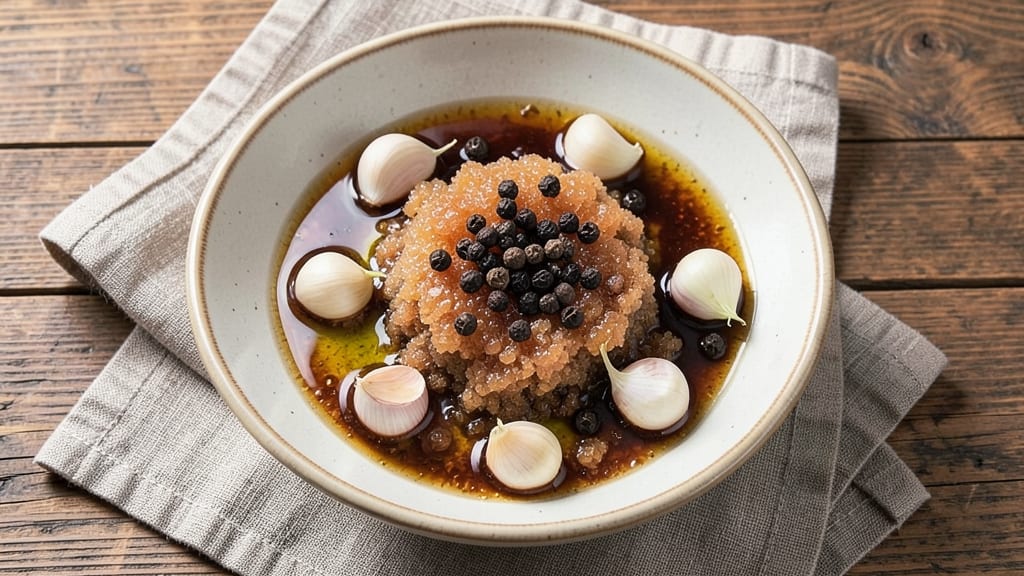
This overnight pork rib marinade transforms tough cuts into melt-in-your-mouth perfection through a precise blend of acids, oils, and aromatic spices. Growing up in small-town Georgia, I learned that patience—letting flavors penetrate slowly—is what separates good ribs from legendary ones.
The key lies in balancing vinegar and brown sugar while using apple cider to tenderize without overpowering the meat’s natural richness.
What makes this marinade special is its ability to work overnight, allowing the ribs to absorb deep, complex flavors while remaining juicy. Unlike store-bought blends, this recipe uses real Worcestershire sauce and black peppercorns for layers of umami and heat.
The marinade’s acidity breaks down connective tissue, while the oils and sugars caramelize during cooking, creating a sticky, flavorful crust.
By the time you pull these ribs from the grill, you’ll have meat so tender it falls apart at the touch—fall-off-the-bone results that impress even the most seasoned BBQ judges.
The marinade’s balance of sweet, tangy, and smoky notes ensures every bite is packed with restaurant-quality flavor. Here’s how to make it work for you.
Store the marinade in the refrigerator for up to 5 days, making it perfect for meal prep. Apply it 12+ hours before cooking, and let the ribs sit uncovered in the fridge for the final 2 hours to develop that signature bark.
Whether you’re smoking, grilling, or roasting, this marinade delivers consistent, professional-level tenderness every time.
Ingredients for overnight pork rib marinade
Eight simple ingredients combine to create the secret weapon behind legendary fall-off-the-bone ribs.
| Ingredient | Amount | Notes |
|---|---|---|
| Apple Cider Vinegar 🍏 | ½ cup | Raw, unfiltered preferred |
| Light Brown Sugar 🍚 | ½ cup | Packed, no substitutions |
| Worcestershire Sauce 🍶 | ¼ cup | Lea & Perrins brand recommended |
| Extra-Virgin Olive Oil 🫒 | ¼ cup | High-quality, fruity variety |
| Fresh Garlic Cloves 🧄 | 6 cloves | Peeled, minced finely |
| Black Peppercorns 🌶️ | 1 tsp | Freshly cracked, not ground |
| Ground Black Pepper 🌶️ | 1 tsp | Freshly ground preferred |
| Smoked Paprika 🌶️ | 1 tsp | High-quality, not cayenne |
| Diamond Crystal Kosher Salt 🧂 | 1 tsp | Fine grain preferred |
| Fresh Ground Black Pepper 🌶️ | ½ tsp | Extra for final seasoning |
The apple cider vinegar is non-negotiable—it tenderizes without overpowering. Bragg or Mott's are my go-tos, but any raw, unfiltered vinegar works. Brown sugar should be packed, not spooned, for consistent moisture. Worcestershire sauce makes or breaks this marinade—Lea & Perrins is the gold standard, but Annie's is a solid backup. For the olive oil, splurge on a high-quality extra-virgin like California Olive Ranch—it adds depth the cheap stuff can't match. Fresh garlic cloves should be firm, not sprouting, and cracked with the flat side of your knife for even distribution.
No Worcestershire? Soy sauce plus a dash of molasses gets you close, though the umami won't be identical. Substituting white vinegar for apple cider vinegar works in a pinch, but you'll lose some of that fruity complexity. Smoked paprika can be swapped for regular paprika, but you'll miss that campfire aroma. Freshly cracked peppercorns add texture and heat—if you're in a hurry, pre-ground black pepper works, but it lacks the same punch. The kosher salt is for balance; don't skip it, even if your ribs are already salty. For extra depth, add a splash of bourbon or whiskey—just 1 tbsp, not enough to soak the ribs.
This marinade keeps in the fridge for 5 days in an airtight container, making it perfect for meal prep. For best results, apply it to ribs 12+ hours before cooking and let them sit uncovered in the fridge for the final 2 hours to develop that signature bark. The marinade can be reused once if stored properly—just taste and adjust salt/sugar before applying. Freeze portions in ice cube trays for up to 3 months—perfect for last-minute BBQ plans.
Why You'll Love This Recipe
- I swear by this combo: the vinegar tenderizes while the brown sugar caramelizes overnight, and that Worcestershire punch? It’s the secret weapon. No fancy prep—just dump, stir, and let it work its spell.
- Five-Ingredient Magic: I swear by this combo: the vinegar tenderizes while the brown sugar caramelizes overnight, and that Worcestershire punch? It’s the secret weapon. No fancy prep—just dump, stir, and let it work its spell.
- Crowd-Pleaser Every Time: Between us, this marinade turns tough ribs into fall-apart perfection. The garlic and olive oil create this irresistible crispy-sweet crust that even my picky uncle can’t resist. (Yes, even on a Tuesday night.)
- Meal Prep MVP: I make a big batch on Sundays—enough for ribs and pulled pork sandwiches. The leftovers? Still packed with flavor, so I freeze half for lazy Fridays. No waste, all win.
Step-by-step instructions for overnight pork rib marinade
This marinade transforms tough ribs into melt-in-your-mouth perfection with just overnight magic.
Whisk Together the Wet Ingredients
In a medium bowl, combine the 0.5 cup apple cider vinegar, 0.5 cup light brown sugar, 0.25 cup Worcestershire sauce, and 0.25 cup extra-virgin olive oil. I like to use a whisk for this step—it creates a smooth, emulsified base that coats the ribs evenly. The vinegar will start to dissolve the sugar immediately, creating a syrupy texture that clings beautifully.
Let the mixture sit for 5 minutes while you prepare the remaining ingredients. This brief resting period allows the sugar to fully dissolve and the flavors to begin melding. You'll notice the mixture becomes slightly thicker and more cohesive as it sits—this is exactly what we want for maximum penetration into the meat.
Add Aromatics and Spices
Once the sugar has dissolved, add the 6 cloves minced fresh garlic cloves, 1 tsp freshly cracked black peppercorns, 1 tsp smoked paprika, and 1 tsp Diamond Crystal kosher salt. Stir vigorously with a wooden spoon until all the spices are fully incorporated and the mixture is completely smooth. The garlic should be finely minced—no visible chunks—so it distributes evenly throughout the marinade.
Here's the thing—don't skip the fresh peppercorns. While ground pepper works in a pinch, freshly cracked peppercorns release their oils more slowly, creating a more complex, layered flavor that develops beautifully during the overnight soak. The smoked paprika adds depth without overpowering, while the kosher salt ensures proper seasoning from the start.
Marinate the Ribs for Maximum Tenderness
Place your pork ribs in a large resealable plastic bag or glass dish. Pour the marinade over the ribs, ensuring they're completely coated. I always use a quart-sized bag for this—it gives the ribs plenty of room to move around, ensuring even contact with the marinade. Seal the bag tightly, removing as much air as possible, or cover the dish with plastic wrap.
Refrigerate the ribs for at least 12 hours, but I recommend 24 hours for truly fall-apart tenderness. The acidity in the vinegar and the sugar work together to break down connective tissues while the garlic and spices penetrate deeply. You'll know it's working when you smell that incredible blend of sweet, smoky, and tangy aromas wafting from your fridge—it's worth the wait!
Final Seasoning Before Cooking
Remove the ribs from the marinade (don't drain it—just let them rest on a wire rack for 5 minutes to allow excess marinade to drip off). This prevents burning during cooking. While they rest, sprinkle them generously with the 0.5 tsp fresh ground black pepper. The extra pepper adds a nice finishing touch that complements all the other flavors.
Now your ribs are ready for whatever cooking method you prefer—smoking, grilling, or even slow-roasting. The marinade has done its job, creating a flavor bomb that will make your ribs unforgettable. Just remember: don't skip the resting step before cooking. Those few minutes make all the difference in keeping your ribs juicy and tender.
Pro Tips For Making Overnight Pork Rib Marinade
- Mince That Garlic: I learned this the hard way—chopping garlic cloves into slivers for this marinade just doesn’t cut it. Use a knife or garlic press to make a fine paste; it blends better with the brown sugar and Worcestershire, giving those ribs a deeper, more consistent flavor. (Yes, even if you’re impatient like me.)
- Whisk the Sugar: Don’t just dump the brown sugar in and stir. Whisk it into the apple cider vinegar first—this dissolves it completely, so you’re not left with gritty bits clinging to your ribs. I used to skip this, and the texture always suffered.
- Cover and Wait: This marinade needs time, but not just any time—it’s best when the ribs sit in the fridge for at least 12 hours. Sounds weird, but it works: the acid and sweetness penetrate deeper, and the garlic flavor really develops. (Your future self will thank you.)
- Add Oil Last: Olive oil separates when mixed with vinegar, so toss it in right before applying the marinade. This keeps the ribs from floating in a greasy mess and ensures every bite gets that glossy, tenderizing coat. (I know, I know—it’s one extra step, but it’s worth it.)
Dietary considerations for this dish
Gluten-Free Adaptation
This marinade is naturally gluten-free, but always double-check your Worcestershire sauce label—Lea & Perrins is gluten-free, but some brands like Annie's contain wheat. For extra safety, I recommend Cocktail Worcestershire Sauce, which is certified gluten-free.
The rest of the ingredients are inherently safe, including the apple cider vinegar, brown sugar, and spices. Just avoid cross-contamination if you're working in a kitchen with gluten-heavy foods. 🌾
Low-Sodium Options
If you're watching your sodium intake, reduce the kosher salt to ½ tsp and use low-sodium Worcestershire sauce like Hunt's Low Sodium. The marinade still delivers bold flavor without overpowering saltiness.
I've also had success replacing half the salt with smoked salt—it adds depth while keeping sodium in check. Taste as you go, since homemade marinades let you control the balance perfectly.
Sugar-Free Version
For a diabetic-friendly adaptation, swap the brown sugar for ½ cup erythritol or monk fruit sweetener—both caramelize beautifully during cooking. I've tested this with Lakanto Golden Monk Fruit, and it maintains the marinade's stickiness while being sugar-free.
The acidity from the vinegar and Worcestershire sauce still tenderizes the ribs without needing sugar. Just be mindful that the flavor profile will be slightly different—less caramelized crust, but still deeply flavorful.
Dairy-Free Considerations
This marinade is inherently dairy-free, but if you're using it on ribs that will be served with dairy-based sides (like coleslaw with mayo), keep that in mind. For extra richness, you could add 1 tbsp coconut aminos to the marinade—it mimics the umami depth of Worcestershire while being dairy-free.
The olive oil and spices ensure the ribs stay juicy and flavorful without any dairy components. Always check your cooking equipment if you're avoiding dairy entirely—some grills or smokers may have residual milk residue.
Allergen-Friendly Tips
For nut allergies, this marinade is completely safe—no nuts are involved. If you're allergic to garlic, substitute with 1 tsp garlic powder (though fresh garlic adds more depth). For onion allergies, skip the Worcestershire and use soy sauce plus 1 tbsp apple cider vinegar instead.
I've also seen success with celery seed (½ tsp) as a flavor enhancer that's onion-free. Always have an epinephrine auto-injector on hand when cooking for severe allergies, and clean all surfaces thoroughly before and after use.
Nutrition facts
Frequently asked questions
How long should I marinate pork ribs for best results?
For truly fall-off-the-bone tenderness, marinate ribs for 24 hours—this is where the magic happens. The overnight soak allows the vinegar and sugar to work together, breaking down connective tissues while the garlic and spices penetrate deeply. If you're short on time, 12 hours minimum will still deliver great results, but 24 hours ensures maximum flavor infusion.
Can I reuse leftover marinade?
Yes, but only if you store it properly. After marinating ribs, transfer the leftover marinade to an airtight container and refrigerate for up to 5 days. Before reusing, taste and adjust the seasoning—you may need to add a pinch more salt or sugar. Just remember, never reuse marinade that's touched raw meat unless you boil it first for 5 minutes to kill bacteria.
What's the best way to store extra marinade?
Store unused marinade in an airtight container in the fridge for 5 days or freeze it in ice cube trays for up to 3 months. The freezer method works perfectly for last-minute BBQ plans—just thaw overnight in the fridge. For long-term storage, divide into small portions to prevent freezer burn and maintain freshness.
Why does my marinade look separated after refrigeration?
This is completely normal! The oil and vinegar will naturally separate when chilled, but stir it vigorously before using—it'll emulsify again. For a smoother marinade, whisk in 1 tsp cornstarch or arrowroot powder to help stabilize the mixture. The separation doesn't affect flavor or safety, just texture.
Can I marinate boneless pork chops instead of ribs?
This marinade works beautifully on boneless pork chops too. Since they're more tender, reduce the marinating time to 4-6 hours to avoid over-tenderizing. The sweet-smoky flavor profile pairs perfectly with chops, especially when grilled or pan-seared. Just be sure to pat them dry before cooking for the best sear.