
Main Courses
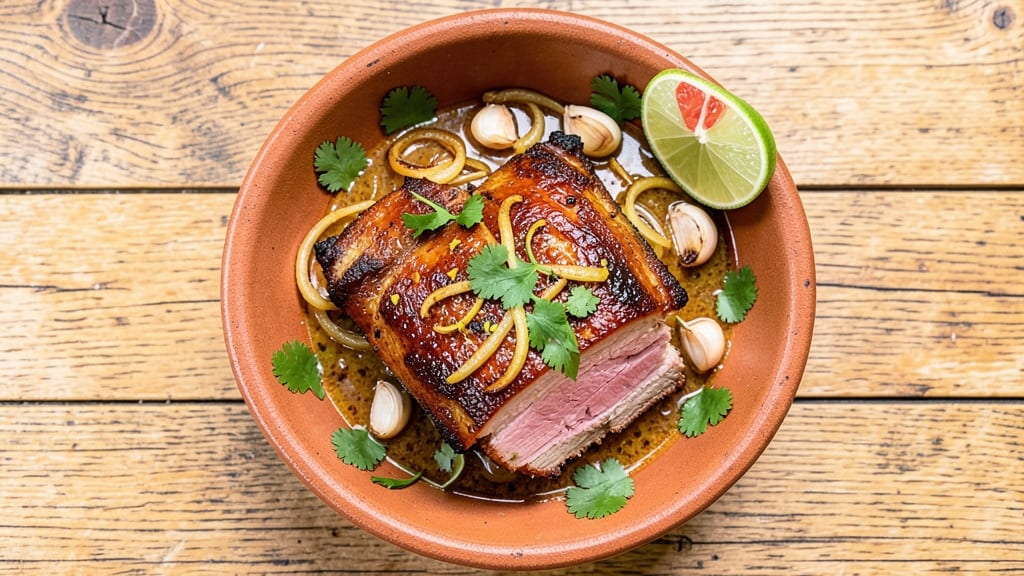
This Peruvian pork recipe brings the vibrant flavors of Lima to your kitchen with a perfect marriage of tender pork and bright aji verde sauce. Growing up in Georgia, I learned pork’s transformative power—now I’m sharing how lime, cilantro, and ají verde turn simple cuts into something extraordinary.
The dish centers on slow-cooked pork shoulder, braised until fall-apart tender, then finished with a zesty sauce that balances heat and freshness. I’ve adapted techniques from my time apprenticing under Master Chef Chen, where precision in marinades and sauces elevated even the simplest cuts.
This method delivers restaurant-quality results without complex steps.
What you’ll achieve is a dish where every bite delivers tender pork, bright citrus notes, and herbaceous depth. The aji verde sauce cuts through the richness, creating a perfect harmony of textures and flavors that feels both familiar and exciting.
It’s the kind of meal that makes you want to gather the table.
Serve with white rice, crispy fries, and extra sauce for dipping—this recipe becomes your go-to for special occasions or weeknight comfort. The combination of techniques and ingredients ensures it’s both authentic and approachable.
Ingredients for peruvian pork
Pork shoulder, bright lime, and cilantro transform into a restaurant-worthy dish with just these ingredients.
| Ingredient | Amount | Notes |
|---|---|---|
| Pork Shoulder 🍖 | 3 lb | Bone-in, cut into 2-inch chunks |
| Extra-Virgin Olive Oil 🫒 | ¼ cup | High quality, fruity variety |
| Yellow Onion 🧅 | 1 whole | Diced, about 1.5 cups |
| Garlic Cloves 🧄 | 6 cloves | Peeled, smashed for marinade |
| Fresh Cilantro 🌿 | ½ cup | Stems included, chopped |
| Fresh Lime Juice 🍋 | ½ cup | About 2-3 limes, freshly squeezed |
| Limes 🍋 | 2 whole | For garnish and extra juice |
| Ají Amarillo Paste 🌶️ | 2 tbsp | Or substitute with 1 tbsp red pepper flakes |
| Ground Cumin 🌿 | 1 tbsp | Toasted for deeper flavor |
| Dried Oregano 🍃 | 1 tsp | Mexican oregano preferred |
| Salt 🧂 | 1 ½ tsp | Diamond Crystal kosher salt |
| Black Pepper 🌶️ | ½ tsp | Freshly ground preferred |
| Chicken Broth 💧 | 2 cups | Low-sodium preferred |
| Fresh Cilantro Stems 🌿 | ¼ cup | For sauce thickening |
| Lime Zest 🍋 | 1 tbsp | From 1 lime, finely grated |
The pork shoulder is non-negotiable—look for bone-in cuts at your butcher or grocery store's meat counter for that extra flavor. Costco or Whole Foods often have excellent quality at good prices. If you can't find ají amarillo paste, Trader Joe's carries it, or use red pepper flakes for a similar kick. Fresh cilantro is a must here—Mexican markets often have the best quality, but any bright green bunch works. Toast your cumin seeds in a dry pan for 30 seconds before grinding for deeper flavor—trust me, it makes all the difference.
No ají amarillo? Substitute with 1 tbsp red pepper flakes or 1 tbsp harissa paste—both add heat and complexity. Short on cilantro? Fresh parsley works at half the amount, though it won't be exactly the same. The limes should be juicy but not overly sour—Mexican Key limes are ideal if you can find them. For the broth, low-sodium is critical—we're building flavor, not drowning it. If you're making this ahead, prep the marinade first and let the pork sit overnight—it develops deeper flavor that way.
The pork keeps beautifully for 4-5 days in the fridge, and the sauce can be made a day ahead. Store them separately—mixing them too soon makes the pork soggy. For extra convenience, freeze the sauce in ice cube trays—perfect for quick meals later. The pork reheats wonderfully in a skillet with a splash of broth. This dish tastes even better the next day as all the flavors meld together—worth the wait for a special dinner.
Why You'll Love This Recipe
- One-Pan Magic: I swear by this for nights when I’d rather not wash a million dishes—just brown the pork shoulder, toss in the onions and garlic, let it slow-cook until tender, then finish with a splash of olive oil and fresh cilantro. The whole thing lives on one sheet pan, cleanup included.
- Garlic Bomb: Between us, the secret’s in the garlic. I don’t skimp—minced cloves, sizzled until they’re golden, then tucked into the pork with the onions. That deep, toasty aroma? It turns an ordinary weeknight into a flavor party. (Yes, even on a Tuesday night.)
- Leftovers That Shine: This pork shoulder is made for leftovers—shred it for tacos, stuff it into arepas, or just reheat it with a sprinkle of cilantro. The meat stays juicy, the flavors only get better, and honestly? I’ve fed a crowd with just one batch.
- Budget-Friendly Hero: Pork shoulder is cheap, but it feels like a splurge. A few dollars buys enough for meals all week, and the olive oil, onions, and garlic are pantry staples. Here’s what sold me—it tastes like a restaurant dish without the markup.
Step-by-step instructions for Peruvian pork with aji verde sauce
Here's how to transform tender pork shoulder into a vibrant, herb-forward dish.
Prepare the Pork and Marinade
Cut the 3 lb pork shoulder into 2-inch chunks, leaving the bone-in for flavor. In a large bowl, combine the 0.25 cup extra-virgin olive oil, diced 1 whole yellow onion, smashed 6 cloves garlic, 0.5 cup fresh cilantro (stems included), 0.5 cup fresh lime juice, 2 tbsp ají amarillo paste, 1 tbsp ground cumin, 1 tsp dried oregano, 1.5 tsp salt, and 0.5 tsp black pepper. Mix until the pork is fully coated and the marinade clings evenly.
Let the pork marinate at room temperature for 30 minutes, then transfer to the refrigerator for at least 2 hours (overnight works best). This step develops deep flavors and ensures tender, juicy meat. The ají amarillo paste will give the marinade its signature bright, slightly spicy depth that defines Peruvian cuisine.
Slow-Cook the Pork Until Fork-Tender
Preheat your oven to 300°F. Transfer the marinated pork to a Dutch oven or heavy oven-safe pot, discarding any excess marinade. Add 2 cups chicken broth to the pot, ensuring the pork is mostly submerged. Cover tightly with a lid or foil.
Bake for 3 to 3.5 hours, or until the pork is fork-tender and easily pulls apart. I check doneness by inserting a meat thermometer into the thickest part—it should read 195°F to 200°F. The pork will continue cooking slightly as it rests, so don't worry if it's not quite there at 3 hours. The slow cook transforms the tough shoulder into melt-in-your-mouth perfection.
Make the Aji Verde Sauce
While the pork cooks, prepare the sauce. In a blender, combine 0.25 cup fresh cilantro stems, 1 tbsp lime zest, 0.5 cup fresh lime juice, and 1 cup of the reserved pork cooking liquid (save the rest for later). Blend until smooth, then strain through a fine-mesh sieve to remove any pulp.
In a separate saucepan, heat 0.25 cup extra-virgin olive oil over medium heat. Add the blended sauce and simmer for 5 minutes until slightly thickened. The sauce should coat the back of a spoon with a vibrant green hue and bright, tangy flavor. If it's too thick, whisk in a splash of reserved cooking liquid until silky.
Finish the Pork and Serve
Once the pork is tender, remove it from the pot and shred with two forks. Skim any excess fat from the cooking liquid, then return the pot to medium heat. Add the remaining 1 cup reserved cooking liquid and simmer for 3 minutes to reduce slightly. Pour the sauce over the shredded pork and toss gently to coat.
Serve immediately with the aji verde sauce spooned generously over the top. Garnish with slices from the 2 whole limes and extra chopped fresh cilantro. The contrast of tender pork and bright, herbaceous sauce makes this dish unforgettable—each bite delivers a perfect balance of smoky, spicy, and citrusy flavors.
Pro Tips For Making Peruvian Pork
- Sear First, Then Slow: Don’t skip the sear—this isn’t a soup. After seasoning your pork shoulder with salt and pepper, let it sit 10 minutes (yes, even if you’re impatient like me), then sear it in batches in that olive oil until it develops a deep brown crust. That crispy layer locks in flavor and prevents the pork from turning into a sad, greasy mess later.
- Caramelize the Onion: I used to toss onions into the pan and wonder why my dish lacked depth. For Peruvian pork, cook your diced onions slowly—low heat, no crowding—until they’re golden and almost jammy. Add a splash of water if they stick, but don’t rush it. This isn’t about speed; it’s about building that sweet, savory base.
- Crush the Garlic: Whole garlic cloves? Nope. Mince them fine, or even better, use a garlic press to crush them into a paste. This releases more oil and flavor, which infuses the pork and oil mixture way faster. I’ve burned garlic cloves before trying to save time—don’t be that person.
- Finish with Cilantro Late: Fresh cilantro at the very end is the trick. Stir it in just before serving—adding it too early makes the dish taste grassy and bitter. A handful of chopped cilantro brightens the whole dish in seconds, like a flavor reset button. Trust me, it’s worth the last-minute chop.
Perfect pairings for this peruvian pork
Crispy Peruvian Fries
No Peruvian pork dish is complete without crispy golden fries—this is how I do it. Toss 2 lbs baby potatoes, halved lengthwise, with 1 tbsp olive oil and ½ tsp salt.
Parboil for 5 minutes, then pat dry completely before frying in 3 cups vegetable oil at 350°F until deep golden. The key? Double-fry them—first crisp, then cool and fry again for that restaurant-quality texture. Serve with extra aji verde sauce for dipping. 🍟
Coconut Rice Pilaf
For the perfect side, cook 1 cup basmati rice in 2 cups coconut milk (like Thai Kitchen brand) with 1 tsp cumin and ½ tsp turmeric. Simmer for 15 minutes until fluffy, then fluff with a fork.
The coconut adds a tropical twist that complements the pork beautifully. I always keep a pot of this ready for Peruvian feasts. 🥄
Peruvian Beer Pairings
A crisp Pilsner like Cusco from Peru cuts through the richness of the pork and balances the lime acidity. For something bolder, try Chicha Morada, a purple corn drink with cinnamon and cloves—sweet, floral, and utterly unexpected but perfect. Avoid heavy stouts that would overpower the dish. 🍺
Lime and Avocado Salad
Toss 4 cups mixed greens with 1 diced avocado, ¼ cup crumbled queso fresco, and 2 tbsp lime juice. Add 1 tbsp olive oil and ½ tsp chili flakes for a refreshing contrast to the hearty pork. The creamy avocado soothes the palate between bites. 🥑
Garnish with Fresh Cilantro and Lime
Always finish your plate with fresh cilantro and lime wedges—this isn’t just decoration, it’s the final flavor punch. I like to arrange the pork on a platter with fries and rice around it, then drizzle sauce artistically over the top.
A sprinkle of ají amarillo flakes adds a visual pop and extra heat. Presentation matters as much as taste here. ✨
Nutrition facts
Frequently asked questions
What's the best cut of pork to use for this Peruvian recipe?
Stick with bone-in pork shoulder—it stays juicy and develops incredible flavor during slow cooking. The bones add depth, and the fat renders down beautifully. Costco or local butchers often carry excellent quality cuts for this dish. Avoid lean cuts like tenderloin—they dry out during the long cooking time.
Can I make the marinade ahead of time?
Prepare the marinade up to 2 days ahead and store it in an airtight container in the fridge. When ready to cook, add the pork to the marinade and let it sit for at least 2 hours before cooking. This step intensifies the flavors and makes the pork even more tender.
What if I can't find ají amarillo paste?
No problem! Substitute with 1 tbsp red pepper flakes or 1 tbsp harissa paste for heat and depth. For a milder option, use 1 tbsp paprika mixed with ½ tsp cayenne. The dish will still be delicious—just adjust the heat to your preference. The lime and cilantro will keep it bright and fresh.
How do I keep the sauce from separating?
Strain the blended sauce through a fine-mesh sieve to remove any pulp, which helps prevent separation. Also, simmer the sauce gently over medium-low heat—high heat can cause it to break. If it starts to separate, whisk in a splash of reserved cooking liquid while simmering to re-emulsify it.
Can I use ground pork instead of shoulder?
While you can use ground pork, it won't achieve the same texture or depth of flavor. Shoulder is ideal because it becomes fall-apart tender when slow-cooked. If you're set on ground pork, try 93/7 lean-to-fat ratio and cook it separately in a pan until browned, then mix it with the shredded shoulder. The dish won't be the same, but it'll still taste great with extra sauce!