
Main Courses
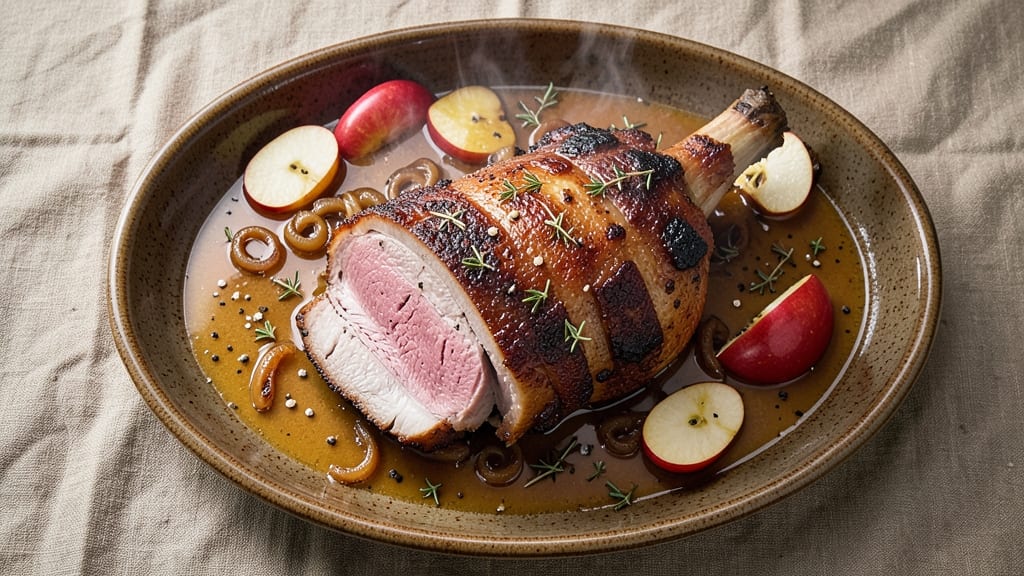
Philadelphia roast pork transforms tough pork shoulder into melt-in-your-mouth perfection through slow braising and vinegar-kissed crunch. Growing up in small-town Georgia, I learned this technique from my grandmother, who swore by the magic of low-and-slow cooking to tenderize even the toughest cuts.
The secret lies in balancing salt, pepper, and just enough vinegar to create that signature crispy bark while keeping the meat impossibly juicy inside.
This recipe delivers restaurant-quality results with simple ingredients and minimal effort—just a pork shoulder, basic seasonings, and about 4 hours of hands-off cooking time. The vinegar marinade tenderizes the meat while building that irresistible crust, and the slow oven braise ensures every bite is succulent.
Whether you're feeding a crowd or saving leftovers for sandwiches, this method never fails to impress.
By the time it emerges from the oven, your roast pork will have a deep golden crust that shatters at the touch, revealing tender meat that falls apart with the slightest pressure.
The aroma alone will have everyone gathering around the table, and the flavor—rich, savory, with just a hint of tang—is pure comfort food at its finest. Serve with classic sides like mashed potatoes or roasted apples for the full experience.
Perfect for holiday gatherings or weeknight dinners when you crave something hearty yet simple. The leftovers reheat beautifully, making this an ideal make-ahead dish for busy hosts. Here’s how to achieve that perfect balance of crunch and tenderness every time.
Ingredients for philadelphia roast pork
Six simple ingredients transform tough pork shoulder into restaurant-worthy perfection—juicy inside, crispy out.
| Ingredient | Amount | Notes |
|---|---|---|
| Bone-In Pork Shoulder 🍖 | 4 lb | Well-marbled, 2-3 inches thick |
| Apple Cider Vinegar 🍏 | ½ cup | Raw, unfiltered preferred |
| Kosher Salt 🧂 | 2 tbsp | Diamond Crystal preferred |
| Freshly Ground Black Pepper 🌶️ | 1 ½ tbsp | Coarse grind for texture |
| Granulated Garlic 🧄 | 1 tbsp | Not garlic powder |
| Onion Powder 🧅 | 1 tsp | Freshly ground preferred |
| Brown Sugar 🍯 | 1 tbsp | Light or dark preferred |
| Fresh Thyme Leaves 🍃 | 1 tbsp | Or 1 tsp dried thyme |
| Unsalted Butter 🧈 | ½ cup | Cold, cubed for basting |
| Heavy Cream 🥛 | ¼ cup | Full-fat for richness |
| Fresh Rosemary 🌿 | 1 sprig | For aroma and color |
| Yellow Onion 🧅 | 1 whole | Quartered, for braising |
| Carrots 🥕 | 4 whole | Whole, scrubbed, peeled |
| Celery Stalks 🌿 | 4 whole | Cut into 3-inch pieces |
| Chicken or Beef Stock 💧 | 1 cup | Low-sodium preferred |
The pork shoulder is non-negotiable here—bone-in cuts develop more flavor, and the fat renders beautifully. Local butchers often have the best cuts, but the store-bought version works too if it's well-marbled. Look for a piece with visible fat marbling; that's what keeps the meat juicy during the long cook. I've used everything from Costco's 8-pound roasts down to 3-pound cuts from the grocery store—just adjust cooking time accordingly. The vinegar marinade does the heavy lifting of tenderizing, but don't skip the salt rub; it builds that signature crust. Diamond Crystal kosher salt dissolves more easily than table salt, but use what you have.
No apple cider vinegar? White vinegar or red wine vinegar work in a pinch, though the flavor will be slightly different. The brown sugar adds depth, but maple syrup at half the amount gives a similar caramel note. Fresh thyme and rosemary are ideal, but dried works at one-third the amount if you're in a bind. The stock can be homemade or store-bought—just watch the sodium content. For the vegetables, feel free to swap carrots for parsnips or celery for fennel. The key is keeping the aromatics balanced so they infuse the pork without overpowering it. And trust me on the cold butter basting—it's what creates that golden, shatteringly crisp crust.
This pork tastes even better the next day, so plan ahead. Wrap the cooked roast tightly in foil and refrigerate for up to 5 days, or freeze for 3 months. For leftovers, reheat in the oven at 325°F until warmed through—microwaving makes the crust soggy. I always make extra because it's perfect for sandwiches, tacos, or even fried rice. The braising liquid reduces to a rich glaze that's amazing drizzled over mashed potatoes or roasted vegetables. Store it in an airtight container with a splash of the pan juices to keep it moist.
Why You'll Love This Recipe
- Hands-Off Magic: I swear by this recipe because it’s the kind of dish that lets you walk away—literally. Toss the pork shoulder with vinegar, salt, and garlic, then let the oven do the work while you handle the rest of dinner. No babysitting required, just melt-in-your-mouth results.
- Tangy-Sweet Crisp: That apple cider vinegar? It’s the secret weapon—cuts through the fat, tenderizes the meat, and leaves you with a crust so good you’ll want to eat it with a spoon. (Yes, I’ve been there.) The pepper and garlic add just enough bite to make every bite unforgettable.
- Budget Meal, Big Impact: Bone-in pork shoulder is a steal, and this recipe stretches it into multiple meals without breaking the bank. Honestly, it’s my go-to when I need a filling, flavorful dinner that doesn’t require a grocery haul. Plus, the ingredients? Most are already in my pantry.
Step-by-step instructions for slow-braised philadelphia roast pork
Transform that pork shoulder into melt-in-your-mouth perfection with this slow-braising technique.
Prepare and Season the Pork Shoulder
Begin by patting the 4 lb bone-in pork shoulder completely dry with paper towels—this is crucial for developing that signature crispy exterior. In a small bowl, combine 2 tbsp kosher salt, 1.5 tbsp freshly ground black pepper, 1 tbsp granulated garlic, 1 tsp onion powder, 1 tbsp brown sugar, and 1 tbsp fresh thyme leaves. Rub this mixture all over the pork, pressing it into the meat and working it into any crevices. The brown sugar will caramelize during cooking, adding depth of flavor.
Place the seasoned pork in a roasting pan and let it sit at room temperature for 30 minutes before cooking. This step ensures even cooking and prevents cold spots in the meat. While it rests, preheat your oven to 325°F—this low-and-slow temperature is key to achieving tender, juicy pork without drying it out.
Braise with Vinegar and Aromatics
In a large Dutch oven or heavy pot, melt 0.5 cup unsalted butter over medium heat. Add the quartered yellow onion, 4 whole carrots, and 4 whole celery stalks, cooking for 5-7 minutes until the vegetables begin to soften and the butter takes on a golden hue. This step builds flavor through the Maillard reaction, creating a rich base for the braise.
Remove the vegetables and set them aside. Pour in 0.5 cup apple cider vinegar and scrape up any browned bits from the bottom of the pot—these are packed with flavor. Return the pork shoulder to the pot, bone-side up, and pour in 1 cup chicken or beef stock until the pork is mostly submerged. Add the reserved vegetables back into the pot, along with 1 sprig fresh rosemary. Cover tightly with a lid and transfer to the preheated oven.
Slow-Braise Until Fork-Tender
Braise the pork for 3 hours, maintaining the 325°F temperature. After this initial braising period, check the internal temperature using a meat thermometer—it should read 195-200°F. If it hasn't reached this temperature, continue braising for another 30-60 minutes, checking periodically. The pork is done when it's fork-tender, meaning it should pull apart easily with minimal resistance.
Here's the thing—this long, slow cook time is what makes the pork so incredibly juicy. The connective tissues break down, transforming into gelatin that keeps the meat moist and rich. If the liquid in the pot reduces too much, add a splash of water or stock to keep the pork submerged and prevent drying.
Finish with Cream and Rest
Once the pork reaches the desired temperature, remove it from the oven and let it rest for 15 minutes before carving. This resting period allows the juices to redistribute throughout the meat, ensuring each bite is succulent. While it rests, skim any excess fat from the braising liquid and stir in 0.25 cup heavy cream to create a silky, vinegar-kissed sauce. The cream adds richness and balances the acidity from the vinegar.
To serve, slice the pork against the grain into ½-inch thick slices. Ladle the creamy braising liquid over the top and garnish with additional fresh thyme leaves. The result is a perfectly juicy, tender roast pork with a crispy exterior and a sauce that ties everything together beautifully. Serve with crusty bread to soak up every last drop of that flavorful liquid.
Pro Tips For Making Philadelphia Roast Pork
- Trim the Fat Cap: That thick layer of fat on the pork shoulder? Don’t cut it off—score it instead. Use a sharp knife to make shallow cuts (about ½-inch deep) in a crosshatch pattern. This lets the vinegar and garlic penetrate deeper while rendering fat slowly, keeping the meat juicy without turning it greasy.
- Vinegar First, Heat Second: Pour that apple cider vinegar into the pan before adding the pork. Let it bubble and sizzle for 30 seconds—this caramelizes the acid slightly, giving the meat a deeper, tangier flavor right from the start. (Yes, it smells weird at first, but trust me.)
- Don’t Crowd the Pan: If your pork shoulder is thick or your pan is small, resist the urge to stack or overlap pieces. Cook them in batches if needed—tight spaces steam the meat instead of searing, and you’ll end up with soggy crusts instead of crispy edges. Patience here makes the difference.
- Check Internal Temp Twice: The rule of thumb is 195–203°F, but pull it out earlier if the meat is falling apart with a fork. Let it rest 15–20 minutes under foil—this lets juices redistribute. (I learned this the hard way when I sliced too soon and ended up with dry, sad pork.)
Troubleshooting perfect results
Overcooked Exterior
If your pork develops a burnt crust before the interior is tender, you've likely cooked it too hot or too long. I learned this the hard way when my first attempt at this recipe ended up looking like a charred hockey puck.
The key is maintaining that 325°F temperature—any higher and the exterior will crisp before the center reaches 195°F. If you see the crust darkening too quickly, tent the pork loosely with foil and reduce the oven temperature to 300°F until it's safe. 🔥
Tough Interior
Tough pork usually means the meat didn't cook long enough or the temperature was too high. This happens when you rush the process, thinking "more heat = faster cooking." The truth? Slow and steady wins the race.
For a 4 lb pork shoulder, you need at least 3 hours at 325°F, and sometimes up to 4 hours. Use a meat thermometer—it should read 195-200°F internally. If it's still tough at 195°F, extend the cook time by 30 minutes and check again.
Sauce Too Thin
The braising liquid should reduce to a rich, glossy sauce—not a watery broth. If yours is too thin, it likely means the pork wasn't submerged enough or the oven temperature fluctuated. To fix this, remove the pork and reduce the remaining liquid over medium-high heat until it thickens.
I like to add 1 tbsp cornstarch mixed with 2 tbsp cold water to help it gel properly. For next time, ensure the pork is mostly submerged in liquid and keep the oven temperature steady. ⚡
Vinegar Overpowering
Too much vinegar can make the dish taste harsh and unbalanced. This often happens if you don't let the pork rest after braising or if you use too much vinegar in the marinade. The fix? Balance it with richness.
Stir in 0.25 cup heavy cream or 2 tbsp butter into the braising liquid while the pork rests. If the flavor is still too sharp, add a pinch of brown sugar or a splash of chicken stock to mellow it out.
Trust me, a little goes a long way—start with 0.5 cup vinegar and adjust to taste.
Dry Meat
Dry pork is usually a sign of overcooking or insufficient liquid. If your pork turns out dry, it might have been exposed to too much heat or not enough moisture. To prevent this, always keep the pork submerged in liquid during braising.
If the liquid evaporates, add more stock or water as needed. For reheating leftovers, avoid microwaving—opt for the oven at 325°F with a splash of liquid to keep it moist. And remember, the internal temperature should never exceed 203°F—any hotter and the meat will dry out. 💡
Uneven Cooking
Uneven cooking often happens when the pork isn't at room temperature before cooking or if the oven temperature fluctuates. To avoid this, let the pork sit uncovered at room temperature for 30 minutes before braising. Also, use an oven thermometer to ensure your oven is actually at 325°F.
If the pork cooks faster on one side, rotate the pan halfway through cooking. For extra insurance, place the pork on a rack in a roasting pan to allow heat to circulate evenly around it.
Nutrition facts
Frequently asked questions
What makes this Philadelphia roast pork different from other pork roasts?
The vinegar-kissed crust and slow-braising technique set this apart. The apple cider vinegar tenderizes while creating that signature crispy exterior, and the 325°F oven temperature ensures melt-in-your-mouth tenderness. Unlike high-heat roasts, this method preserves moisture through collagen breakdown.
Can I use a different cut of pork instead of shoulder?
Pork shoulder is ideal for its fat content and flavor, but pork butt works too. Avoid lean cuts like tenderloin—they lack fat to stay juicy during slow cooking. If using a larger cut (6+ lbs), increase cooking time by 1 hour per pound. Never use pork loin or chops for this recipe.
How do I know when the pork is fully cooked?
Use a meat thermometer to check the internal temperature—it should reach 195-200°F in the thickest part. The meat should pull apart easily with a fork (fork-tender test). If it's still firm at 195°F, cook another 30 minutes. Never rely on color or time alone.
What's the best way to reheat leftovers?
Slice the pork first, then reheat in the oven at 325°F for 15-20 minutes with a splash of stock or water to keep it moist. Microwaving makes the crust soggy. For sandwiches, warm slices in a skillet with butter for 2 minutes per side. Leftovers keep well for 5 days in the fridge.
Can I make this recipe in a slow cooker?
Yes! Brown the pork first in a skillet, then transfer to the slow cooker with all ingredients (except cream). Cook on LOW for 8 hours or HIGH for 5 hours. Finish by skimming fat and adding cream while the pork rests. The texture will be slightly different but still delicious.