
Main Courses
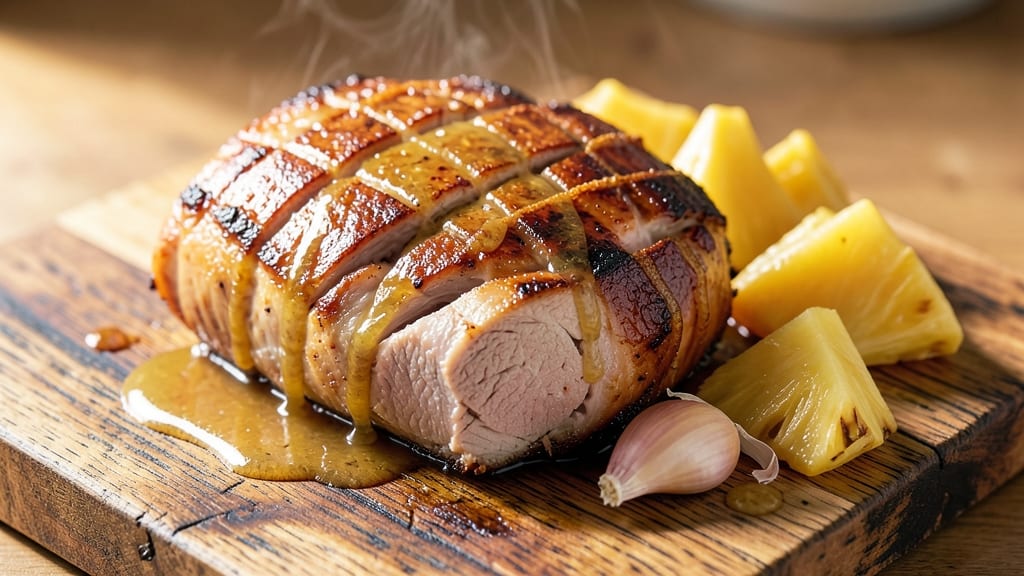
This Pioneer Woman pineapple pork shoulder recipe delivers the perfect balance of slow-cooked tenderness and caramelized edges—just like my great-grandmother used to make, but with a modern twist. Growing up in small-town Georgia, I learned that pork shoulder transforms into melt-in-your-mouth perfection when braised with sweet pineapple and aromatic spices.
The key? A long, low cook that renders fat into golden, crispy bark while keeping the meat juicy and flavorful.
The secret starts with a marinade of pineapple juice, brown sugar, and bold spices that infuse the pork overnight, ensuring deep flavor penetration. Then, it’s all about patience—slow cooking until the pork nearly falls apart, then finishing with a crispy edge by basting with the caramelized glaze.
This isn’t just a recipe; it’s a celebration of Southern comfort food elevated to restaurant-quality results.
By the time you serve it, you’ll have a dish that’s rich, sweet, and smoky—with that coveted crispy crust that makes every bite worth the wait. The pineapple glaze adds a bright tang that cuts through the richness, while the tender meat soaks up all the flavors.
Pair it with roasted sweet potatoes or a tangy cabbage slaw for a complete meal that feels like a hug on a plate.
This recipe is foolproof, whether you’re feeding a crowd or saving leftovers for sandwiches the next day. The slow-cooked method means you can prep ahead and let the flavors develop fully—just like my grandmother taught me. Let’s get cooking!
Ingredients for pioneer woman pineapple pork shoulder
Six ingredients transform humble pork shoulder into restaurant-worthy sweet-and-smoky perfection.
| Ingredient | Amount | Notes |
|---|---|---|
| Pork Shoulder 🐖 | 4 lb | Bone-in, skin-on preferred |
| Fresh Pineapple 🍍 | 1 whole | Juicy variety like Gold or Red |
| Brown Sugar 🍯 | ¾ cup | Packed for accurate measure |
| Pineapple Juice 💧 | 1 cup | Freshly squeezed preferred |
| Apple Cider Vinegar 🍎 | ¼ cup | For tangy depth |
| Garlic Cloves 🧄 | 6 cloves | Minced for marinade |
| Ground Black Pepper 🌶️ | 1 tbsp | Freshly cracked preferred |
| Ground Cumin 🌿 | 1 tbsp | Toasted for warmth |
| Smoked Paprika 🌶️ | 1 tbsp | For smoky flavor |
| Onion Powder 🧅 | 1 tbsp | Freshly ground preferred |
| Salt 🧂 | 1 ½ tsp | Kosher or sea salt |
| Olive Oil 🫒 | 2 tbsp | For crispy edges |
| Honey 🍯 | ¼ cup | For glaze sweetness |
The pork shoulder is the star—bone-in, skin-on cuts render more fat for that coveted crispy bark. Costco or local butchers often have the best prices for larger cuts. Look for good marbling, not a lean cut. I usually grab a 4-pound bone-in shoulder—it’s perfect for feeding a crowd and gives you more surface area for caramelization. If you’re using a pre-cut bone-in roast, trim any excess fat to about 1/4-inch thickness—this helps the skin crisp up better without turning greasy. The pineapple? Fresh is non-negotiable—canned juice lacks the bright acidity that balances the sweetness. Grab a Gold or Red variety from the produce section, not the pre-cut chunks. They’re juicier and sweeter.
No fresh pineapple juice? Coconut water or apple juice works in a pinch, but add a splash of lemon juice for brightness. Running short on apple cider vinegar? Balsamic vinegar at half the amount gives similar depth. The spices are flexible—swap smoked paprika for regular if you’re out, but toast the cumin seeds in a dry pan for 30 seconds before grinding if you’ve got time. Trader Joe’s has pre-ground cumin that’s decent, but bulk bins at natural markets are fresher. For the glaze, if you’re avoiding honey, maple syrup works beautifully—just reduce it slightly longer to thicken. The brown sugar? Light or dark doesn’t matter here, but pack it tightly when measuring to avoid under-sweetening.
This marinade keeps 3-4 days in the fridge—make it a day ahead so the pork soaks up all the flavors. The pork shoulder itself? 2-3 days max in the fridge before cooking. For leftovers, the meat gets even better—shred it for tacos, sandwiches, or mac and cheese. The glaze? Store it in a jar in the fridge for up to 2 weeks—perfect for drizzling over roasted veggies or grilled chicken. Freeze portions of the cooked pork for up to 3 months—just thaw overnight in the fridge before reheating. Pro tip: Baste the pork with the cooking juices during the last 30 minutes to lock in moisture and boost that crispy crust.
Why You'll Love This Recipe
- One-Pan Magic: Honestly, this recipe lives on a single sheet pan—no fancy gadgets, no extra pots. Toss the pork shoulder with pineapple chunks, a drizzle of that tangy vinegar, and the brown sugar glaze, then let the oven do the work. I’m talking zero cleanup, just pure, sticky-sweet satisfaction waiting for you.
- Tropical Twist: Between us, the pineapple isn’t just decoration—it’s the star. The fresh chunks caramelize into little bursts of sweetness while the pork shoulder stays juicy, and that apple cider vinegar? It cuts through the richness like a bright summer breeze. Every bite tastes like a vacation you didn’t have to book.
- Budget Meal, Big Flavor: Pork shoulder is the ultimate wallet-friendly cut, and pineapple’s in season half the year—so this dish won’t break the bank. Plus, the brown sugar and vinegar are pantry staples you’re probably already using. Solid, reliable, and it feeds a crowd without emptying your wallet. (Yes, even on a Tuesday night.)
Step-by-step instructions for slow-cooked pineapple pork shoulder
Here's how to transform a simple pork shoulder into tender, sweet, and crispy perfection.
Prepare the Pork Shoulder and Dry Rub
Begin by patting the 4 lb pork shoulder completely dry with paper towels—this is crucial for crispy edges later. Place it fat-side up on a cutting board and score the fat cap in a crosshatch pattern, being careful not to cut into the meat. This helps render the fat more evenly.
In a small bowl, combine the 1 tbsp ground black pepper, 1 tbsp ground cumin, 1 tbsp smoked paprika, 1 tbsp onion powder, and 1.5 tsp salt. Rub this mixture all over the pork, pressing firmly so the spices adhere. Let it sit at room temperature for 30 minutes while you prep the rest of the ingredients. This resting time helps the rub penetrate and develop flavor.
Create the Pineapple Marinade
Peel and roughly chop the 1 whole fresh pineapple, reserving the juices. You should have about 1 cup pineapple juice—if not, add fresh pineapple juice to reach that amount. In a mixing bowl, combine the chopped pineapple, 0.75 cup brown sugar, 0.25 cup apple cider vinegar, 0.25 cup honey, and the 6 minced garlic cloves. Mix well until the sugar dissolves completely.
Transfer half of this marinade to a zip-top bag and add the seasoned pork shoulder. Massage the marinade into the meat, coating it thoroughly. Place the remaining marinade in a separate container—you'll use this later for basting. Let the pork marinate for at least 2 hours (overnight works best) in the refrigerator. The acidity in the vinegar and pineapple will tenderize the meat while the sweet components caramelize.
Slow-Cook Until Fork-Tender
Preheat your oven to 275°F. Remove the pork from the marinade (reserve the marinade) and place it fat-side up in a heavy-duty Dutch oven or roasting pan. Pour the reserved marinade over the pork, then cover tightly with foil. Place the Dutch oven in the oven and cook for 4 hours, or until the internal temperature reaches 195°F and the meat is fork-tender.
Here's the thing—you want to avoid the "stall" where the temperature plateaus. If you notice the temperature stopping around 160°F, that's normal. Just be patient. The pork will continue cooking and the internal temperature will eventually rise. Every 30 minutes, carefully spoon some of the juices from the pan over the pork to keep it moist.
Crisp the Edges and Glaze
Once the pork reaches 195°F, remove it from the oven and increase the heat to 425°F. Uncover the pork and let it sit for 15 minutes to crisp the fat cap. Then, brush the entire surface with the remaining marinade, focusing on the fat cap. Return it to the oven for 10-15 minutes until the edges are deep golden brown and the glaze has caramelized.
Watch closely during these final minutes—you want that beautiful contrast of crispy, caramelized edges with tender meat underneath. The pork should have a glossy sheen from the glaze and the fat cap should be crackling. If it starts to darken too quickly, tent it loosely with foil to prevent burning.
Rest and Slice for Maximum Juiciness
Transfer the pork to a cutting board and tent it loosely with foil. Let it rest for 30 minutes before slicing. This resting period allows the juices to redistribute throughout the meat, ensuring each slice is moist and flavorful. Don't skip this step—it's what separates good pulled pork from exceptional pulled pork.
When ready to serve, slice the pork against the grain into ¼-inch thick pieces. The meat should pull apart easily with a fork, and each bite should deliver a perfect balance of sweet pineapple, smoky spices, and tender pork. Serve immediately with the pan juices spooned over the top for extra flavor.
Pro Tips For Making Pioneer Woman Pineapple Pork Shoulder
- Trim the Pineapple Right: Cut the core out in one clean slice—no need to hack through it. The recipe calls for fresh pineapple, and pre-slicing it into even chunks (about ½-inch thick) makes it cook faster and soak up the glaze better. I used to peel and dice it like an apple, but this way saves time and keeps the texture consistent.
- Don’t Rush the Braise: The pork shoulder needs low and slow—aim for 225°F and let it cook until it falls apart at 203°F internal temp. I learned this the hard way: skipping the overnight braise (or rushing it to 3 hours) leaves the meat tough. If you’re short on time, start it before bed and wake up to tender perfection.
- Deglaze with Vinegar First: After searing the pork, splash in the apple cider vinegar before adding pineapple juice. The acid cuts through the browned bits and builds a richer base for the sauce. I used to skip this, and the glaze always tasted flat—now it’s tangy and balanced.
- Use Less Sugar Early: Add only half the brown sugar upfront—hold the rest for the last 30 minutes. This prevents a sticky, caramelized mess and lets the pineapple’s natural sweetness shine. (Yes, it’s weird, but the sauce stays glossy and not cloying.)
Troubleshooting your pioneer woman pineapple pork shoulder
Stuck in the Stall
If your pork shoulder's internal temperature plateaus around 160°F for hours, don't panic—this is the infamous "stall" where moisture evaporates and cooking slows. My secret weapon? Butcher paper wrapping.
After 4 hours at 275°F, remove the pork, wrap it tightly in pink butcher paper (like Scharffen Berger brand), and return it to the oven. This traps steam, pushing the temp back up to 203°F in 1-2 hours. I've saved many a pork shoulder this way! 🌡️
Glaze Too Thin?
If your pineapple glaze isn't thickening enough during the final crisping stage, reduce it on the stovetop first. Simmer ½ cup of the reserved pan juices with 1 tbsp brown sugar over medium-high heat for 5-7 minutes until syrupy.
Then brush it on the pork during the last 10 minutes at 425°F. For extra shine, add 1 tsp cornstarch mixed with 1 tbsp water to the glaze before brushing. This trick works every time for that restaurant-quality finish.
Fat Cap Not Crispy
The fat cap needs proper scoring and high heat to crisp. After your pork reaches 195°F, increase oven temp to 425°F and let it sit uncovered for 15 minutes before glazing. For extra crispiness, I sometimes broil for 2-3 minutes at the very end—watch it like a hawk!
If your fat cap is still soft, try this: Score it deeper in a diamond pattern (about ¼-inch deep cuts) and render it uncovered at 300°F for 30 minutes before glazing. This renders the fat while keeping the meat tender.
Pineapple Too Sweet
Balance that sweetness with acid! If your glaze tastes cloying, add 1 tbsp apple cider vinegar or ½ tsp smoked salt to the final glaze mixture. For heat, stir in ½ tsp cayenne pepper or 1 tsp hot sauce.
I keep Cholula hot sauce on hand for this—just ½ teaspoon adds perfect tangy heat. The key is contrast: sweet, smoky, and a little tangy makes this dish sing. 🌶️
Meat Too Dry
Overcooking is the usual culprit here. Pull your pork when it hits 195°F—no higher! If it's still dry, you likely cooked it too long.
For future attempts, try this: After reaching 190°F, wrap the pork in heavy-duty foil with ½ cup apple juice and cook at 250°F for 1 more hour. The moisture keeps it tender. Also, never skip the 30-minute rest—juices redistribute during this time, making each bite juicy.
If all else fails, shred the pork and mix it with some of the pan juices to moisten.
Uneven Cooking
Large pork shoulders can cook unevenly if the oven isn't properly calibrated. Rotate your Dutch oven 180 degrees halfway through cooking to ensure even heat distribution.
For extra insurance, use an oven thermometer (Thermoworks OvenTherm is my favorite) to verify your oven's actual temperature—many run 25°F hotter or colder than set. If the edges cook faster, tent the pork loosely with foil during the first 2 hours of cooking.
And always use a meat thermometer in the thickest part, avoiding fat or bone. 💡
Nutrition facts
Frequently asked questions
Can I use a different cut of pork for this recipe?
A bone-in pork shoulder is ideal, but you can adapt this recipe for pork butt (Boston butt) or even a pork loin roast. For pork loin, reduce cooking time to 1.5-2 hours at 325°F and avoid the high-heat crisping step—it's leaner and doesn't need the same bark. The pineapple glaze still works beautifully, though!
How far ahead can I prep this dish?
This recipe is perfect for meal prep! Marinate the pork overnight for maximum flavor. You can also fully cook it 2 days ahead—store it in the fridge with the juices, then reheat in a 350°F oven for 20 minutes before crisping the edges. The glaze can be made 1 week ahead and stored in the fridge.
What's the best way to serve the leftovers?
Shred the cooked pork and use it for tacos, sandwiches, or loaded baked potatoes. The pineapple glaze makes amazing dipping sauce for fries or grilled veggies. For extra richness, mix shredded pork with 1 tbsp apple cider vinegar and ½ tsp smoked paprika—this keeps it tender and flavorful for days.
Can I make this in a slow cooker?
Brown the pork in a skillet first, then transfer it to your slow cooker with the marinade. Cook on Low for 8 hours or High for 5-6 hours. In the last 30 minutes, transfer to a baking sheet and broil at 500°F for 5-10 minutes to crisp the edges. The slow cooker method is even more hands-off!
Why does the recipe call for fresh pineapple?
Fresh pineapple adds vibrant acidity and natural sweetness that canned versions lack. The enzymes in fresh pineapple also help tenderize the meat during marinating. If you must use canned juice, add 1 tbsp lemon juice to mimic the fresh pineapple's brightness. For the best results, always use fresh when possible!