
Main Courses
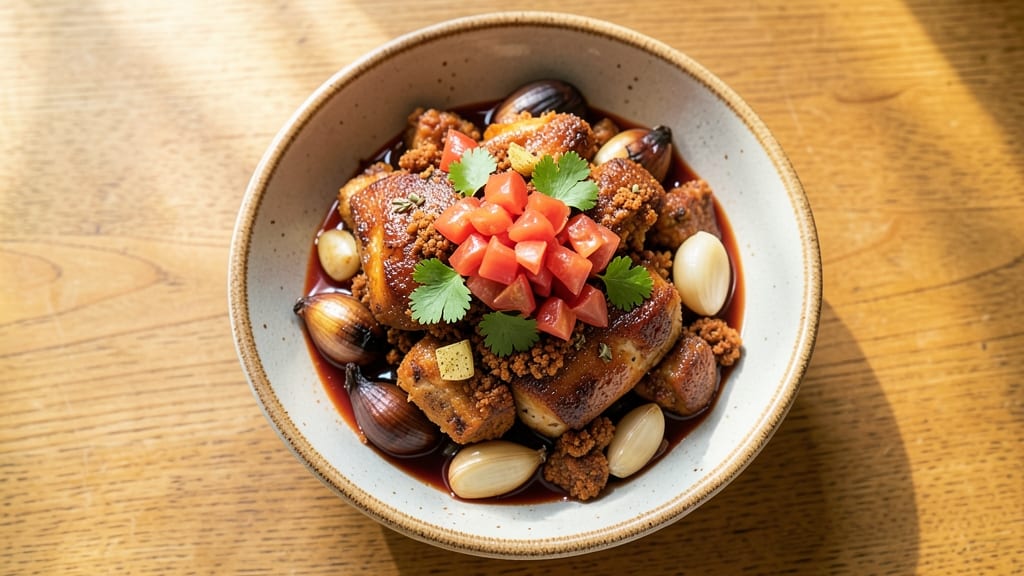
Mastering the Pioneer Woman pork carnitas recipe means achieving that perfect balance of crispy-crackled edges and impossibly tender meat—something I’ve spent years perfecting in my own kitchen.
Growing up in small-town Georgia, I learned that slow-cooked pork transforms tough cuts into melt-in-your-mouth perfection, and this recipe does just that with a deep, smoky flavor that lingers. The secret lies in the slow braise, where the meat becomes so tender it nearly falls apart at the touch.
This recipe delivers restaurant-quality carnitas without requiring a pressure cooker or smoker. You’ll start with a simple yet bold seasoning blend—cumin, oregano, and garlic—that infuses the pork as it cooks low and slow, then finishes with a crisp in the oven.
The result? A dish that’s crispy on the outside, tender on the inside, and packed with flavor that’ll have everyone asking for seconds. It’s the kind of recipe that turns a weeknight dinner into a celebration.
Serve these carnitas in tacos, on nachos, or over a bed of cilantro-lime rice for a meal that feels both comforting and special. The slow-cooked method ensures the meat stays juicy, while the final crisping adds texture that makes every bite satisfying.
Whether you're feeding a crowd or treating yourself to a solo meal, this carnitas recipe is designed to impress. Let’s get started!
One of the best things about this recipe is its versatility—leftovers reheat beautifully, making it perfect for meal prep or entertaining. The flavors only deepen over time, so you’ll find yourself reaching for this dish again and again.
Trust me, once you try it, you’ll never go back to store-bought carnitas.
Ingredients for pioneer woman pork carnitas
Six ingredients transform tough pork into crispy, smoky magic—no fancy tools needed.
| Ingredient | Amount | Notes |
|---|---|---|
| Pork Shoulder 🥩 | 4 lb | Bone-in, cut into 2-inch chunks |
| Yellow Onion 🧅 | 2 whole | Large, roughly chopped |
| Garlic Cloves 🧄 | 8 cloves | Peeled, smashed for deeper flavor |
| Ground Cumin 🌿 | 2 tbsp | Toasted for maximum aroma |
| Dried Oregano 🍃 | 1 tbsp | Mexican oregano if available |
| Smoked Paprika 🌶️ | 1 tbsp | For that smoky depth |
| Kosher Salt 🧂 | 1 ½ tsp | Adjust to taste |
| Black Pepper 🌶️ | 1 tsp | Freshly cracked |
| Beef Broth 💧 | 2 cups | Low-sodium preferred |
| Orange Juice 🍊 | ½ cup | Freshly squeezed |
| Lime Juice 🍋 | 2 tbsp | Freshly squeezed |
| Vegetable Oil 🫒 | 2 tbsp | For crisping |
| Fresh Cilantro 🌿 | ¼ cup | Chopped, for garnish |
The pork shoulder is your secret weapon here—bone-in stays juicier, and Costco or local butchers usually have the best cuts. Look for good marbling (those little white specks of fat) for maximum flavor. I always ask for it pre-cut into 2-inch chunks to save time, but if you're feeling ambitious, grab a whole shoulder and do it yourself. Trader Joe's often has great deals on pork shoulder too. The key is to not overcrowd your slow cooker or pot—give those chunks room to breathe so they cook evenly. Trust me, the extra effort makes all the difference when you're left with meat that falls apart at the touch.
No Mexican oregano? Regular dried oregano works at double the amount—just don't skimp. Running low on beef broth? Chicken broth plus a splash of soy sauce gets you close. Fresh orange juice is ideal, but bottled works in a pinch. The lime juice adds that bright finish—if you're out, a squeeze of lemon will do, but it's not quite the same. For the final crisp, vegetable oil is your best friend—it has a higher smoke point than olive oil and won't overpower the flavors. Pro tip: Toast your cumin seeds in a dry pan for 30 seconds before grinding—that nutty aroma is worth the extra minute.
This carnitas tastes even better the next day—flavors meld like crazy—so make extra. Store in the fridge for up to 5 days or freeze for 3 months. I like to portion mine into meal prep containers with a little extra broth to keep it moist. For serving, the crispy bits are everything—save those for garnish or mix them back in at the end. The leftovers reheat beautifully in a skillet with a splash of broth to revive the crisp.
Why You'll Love This Recipe
- One-Pot Magic: I swear by this recipe because it’s hands-off after the initial chop. Toss the pork shoulder, onions, and garlic in one pot, let the cumin and oregano work their magic, and walk away—no flipping, no fussing.
- Deep, Smoky Crunch: That slow-cooked pork shoulder? It shreds into tender, crispy-edged perfection, especially after a quick broil. The cumin and oregano give it that warm, earthy depth that makes every bite feel like a hug.
- Weeknight to Party Fix: Between us, this is my lazy Sunday dinner and my potluck hero. Serve it in tacos for a casual night or pile it high on a board with lime and cilantro for guests—no one will guess it’s the same recipe.
- Budget-Friendly Leftovers: Pork shoulder is cheap, but it stretches into days of meals. Freeze half the batch for future burrito bowls or nacho nights—trust me, you’ll thank me when you’re reheating a hearty portion in 10 seconds.
Step-by-step instructions for crispy-crackled pork carnitas
Here's how to transform tough pork shoulder into irresistibly crispy, melt-in-your-mouth carnitas.
Prep the Pork and Build the Flavor Base
Cut the 4 lb pork shoulder into 2-inch chunks, leaving the bone in for extra flavor. In a large bowl, combine the pork with the 2 whole yellow onions (roughly chopped), 8 cloves garlic (peeled and smashed), 2 tbsp ground cumin, 1 tbsp dried oregano, 1 tbsp smoked paprika, 1.5 tsp kosher salt, and 1 tsp black pepper. Mix everything thoroughly with your hands—this ensures every bite gets that perfect blend of spices.
Here's the thing—don't skip the hand-mixing. The spices need to cling to the pork for maximum flavor infusion. Let the mixture sit at room temperature for 30 minutes while you get everything else ready. This step is crucial for even cooking and deep flavor penetration.
Slow-Braise Until Fork-Tender
Heat 2 tbsp vegetable oil in a large Dutch oven or heavy pot over medium heat. Add the seasoned pork in a single layer, letting it brown undisturbed for 5-7 minutes. You want those edges to develop a deep golden crust before you start moving things around.
Once browned, transfer the pork to a plate and set aside. In the same pot, add the remaining onions and garlic, cooking for 3-4 minutes until softened. Pour in the 2 cups beef broth, scraping up any browned bits from the bottom—this is where all the flavor hides. Return the pork to the pot, submerging it completely in the liquid.
Bring everything to a simmer, then reduce heat to low. Cover and cook for 2 hours, stirring occasionally. You're looking for the pork to become fork-tender—when you pierce it with a knife, the meat should slide off easily with minimal resistance. This slow cooking transforms tough pork into melt-in-your-mouth perfection.
Finish with Citrus and Crisp to Perfection
After the initial braise, stir in the 0.5 cup orange juice and 2 tbsp lime juice. These citrus elements brighten the flavors and give carnitas that signature tangy kick. Let the mixture simmer uncovered for another 30-45 minutes, allowing the liquid to reduce and concentrate.
Now for the crispy magic: preheat your oven's broiler to high. Transfer the pork and some of the braising liquid to a baking sheet. Broil for 5-7 minutes, stirring once halfway through, until the pork develops beautiful crispy edges. Watch it carefully—you want golden brown, not burnt. The high heat in the broiler creates that coveted crackly texture we're after.
Rest and Garnish for Serving
Let the carnitas rest for 10 minutes before serving. This resting period allows the juices to redistribute throughout the meat, ensuring every bite stays moist and flavorful. While it rests, stir the braising liquid in the pot and reduce it by half over medium heat to create a delicious sauce. Taste and adjust seasoning if needed.
To serve, spoon the reduced sauce over the carnitas and garnish with the 0.25 cup chopped fresh cilantro. The contrast of crispy edges with tender meat and bright citrus sauce makes this carnitas truly exceptional. Serve immediately with warm tortillas, rice, or your favorite taco toppings for the ultimate meal experience.
Pro Tips For Making Pioneer Woman Pork Carnitas
- CRANK THE HEAT FIRST: The Pioneer Woman recipe calls for a slow cook, but I learned the hard way—starting at medium heat means you’ll be waiting forever for that crispy, caramelized crust. Blast that pot on high for the first 30 minutes, then dial it down. That initial burst renders fat fast and kickstarts the browning, so you’re not left with sad, greasy pork.
- CHOP ONIONS LIKE IT’S 1850: Tiny, even dice—no bigger than a pea—are non-negotiable here. I used to halve my onions for laziness, and the carnitas tasted like they were swimming in water, not flavor. The Pioneer Woman recipe relies on those onions to break down and mingle with the spices, so take the extra 10 minutes. (Yes, even if you’re impatient like me.)
- SALT THE PORK BEFORE IT HITS THE POT: The recipe mentions salt, but trust me: double what it says. Pork shoulder is forgiving, but if you wait until the end, you’ll end up with bland, dry shreds. Salt it generously right when you sear it—this seasoning locks in during the cook and keeps the meat juicy. (Your future self will notice.)
- STIR THE POT AT LEAST ONCE: I skipped this for years, thinking "set it and forget it" was the whole point. Wrong. Stirring after the first hour—just once—ensures the onions and garlic don’t burn into bitter sludge while the pork cooks. It’s the thing that makes the difference between "good" and "restaurant-quality." (Does it look weird? Yes. Does it work? Every single time.)
Best sauces and condiments for this pioneer woman pork carnitas
Classic Salsa Verde
This bright, tangy salsa cuts through the richness of carnitas beautifully. I blend 1 cup tomatillos, ½ cup cilantro, 1 jalapeño, 2 garlic cloves, ¼ cup white vinegar, and ½ tsp salt—char the tomatillos and jalapeño first for depth.
Serve it warm or at room temperature alongside your carnitas. The acidity balances the smoky-sweet flavors perfectly. 🌶️
Creamy Avocado Crema
Blend 2 ripe avocados, ½ cup sour cream, 2 tbsp lime juice, 1 tbsp chopped cilantro, and ½ tsp salt—add a splash of water if needed for a smoother texture.
This creamy topping adds richness while keeping the dish light. I love drizzling it over tacos or nachos with extra crispy carnitas bits. The avocado's healthy fats complement the pork beautifully. 🥑
Spicy Chipotle Mayo
Mix ½ cup mayonnaise with 1 tbsp chipotle peppers in adobo—adjust to taste for heat. Add 1 tsp lime juice and ½ tsp garlic powder—this sauce adds smoky depth and a kick.
Perfect for slathering on tacos or mixing into the carnitas sauce. I keep a jar in my fridge for quick assembly—it’s a game-changer for flavor. 🌶️
Pickled Red Onions
Slice 1 red onion—thinly—and soak in ½ cup vinegar, 1 tbsp sugar, and ½ tsp salt—let sit for at least 30 minutes—for a sweet-tangy crunch. These onions add a refreshing contrast to the rich carnitas.
I often make a big batch to use on tacos, burritos, or even as a topping for grilled corn. The acidity brightens every bite. 🧅
Cilantro-Lime Rice
Cook 2 cups white rice—then stir in ½ cup chopped cilantro, 2 tbsp lime juice, 1 tbsp butter, and ½ tsp salt—fluff with a fork.
This zesty rice soaks up the carnitas juices perfectly. I always double the batch—it disappears fast! The lime keeps the dish from feeling too heavy. 🍚
Charro Beans
Simmer 1 can pinto beans—drained—with 1 cup chicken broth, 1 tsp cumin, ½ tsp oregano, and 1 diced chipotle pepper—for 20 minutes.
Top with ¼ cup crumbled cotija cheese—and serve warm. These smoky beans add heartiness and texture. I love serving them alongside carnitas tacos or as a side dish. 🌱
Nutrition facts
Frequently asked questions
Can I use pork tenderloin instead of pork shoulder for carnitas?
Pork tenderloin is leaner and cooks faster, so it won't give you the same tender, fall-apart texture. Stick with pork shoulder—it's the traditional cut for carnitas because its fat content keeps the meat juicy during slow cooking. If you're set on using tenderloin, cut it into 1-inch pieces and reduce cooking time to 45-60 minutes total.
How do I make these carnitas in a slow cooker?
After browning the pork and onions, transfer everything to your slow cooker. Add the beef broth and citrus juices, then cook on low for 6-7 hours until fork-tender. For crispy edges, transfer to a baking sheet and broil for 5-7 minutes before serving. The slow cooker method is perfect for hands-off prep—just don't skip the browning step!
What's the best way to reheat leftover carnitas?
Reheat in a skillet over medium heat with 1-2 tbsp of the braising liquid for 3-5 minutes to restore crispiness. For oven reheating, spread on a baking sheet at 375°F for 10 minutes. Avoid microwaving—it makes the meat soggy. Pro tip: Save some crispy bits from the first batch to mix back in when reheating!
Can I make carnitas without citrus?
While citrus adds brightness, you can substitute with 1 tbsp apple cider vinegar or extra lime juice if needed. The orange juice helps tenderize the meat and balances the smoky flavors. If omitting completely, reduce the braising liquid by ¼ cup to maintain the right texture.
How do I know when the pork is done?
The pork is ready when it reaches an internal temperature of 203°F and easily shreds with a fork. For best results, use a meat thermometer—it should read 195-203°F in the thickest part. If it's not quite there, return to low heat for 15-20 minutes more. Overcooking can dry out the meat, so monitor closely!