
Main Courses
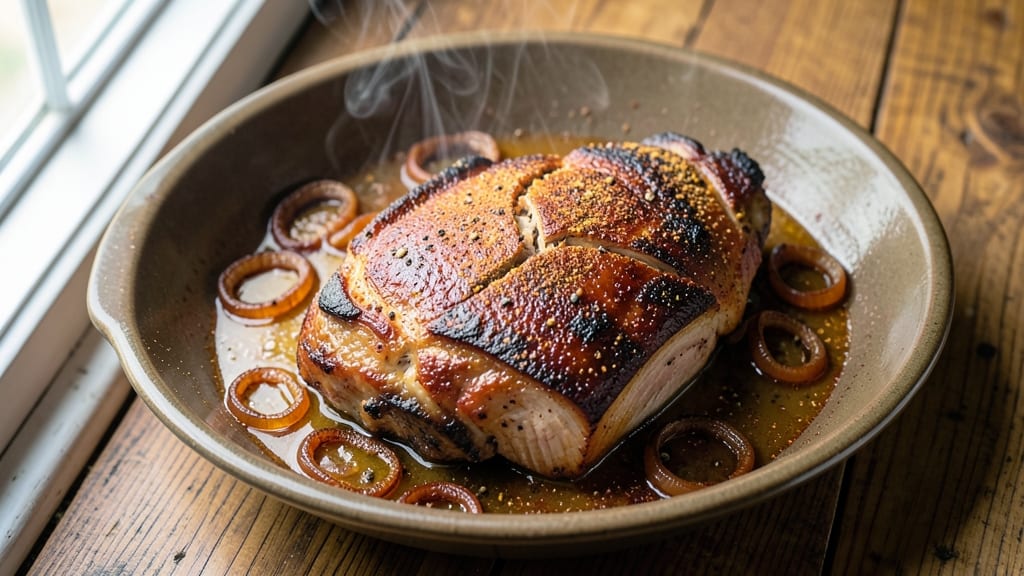
This pioneer woman’s pork shoulder roast recipe—the one that taught me how to turn good pork into showstopping perfection—starts with a crispy crust worth every minute of the wait.
Growing up in small-town Georgia, I watched my grandmother transform tough cuts into tender, flavor-packed masterpieces, and this recipe is her method refined through years of pitmaster trials and triumphs.
The secret isn’t just the slow cook, but the crispy bark that forms when you nail the final hour in a screaming-hot oven.
This isn’t your average pulled pork—it’s a foolproof roast that delivers restaurant-quality results with minimal fuss. Start with a dry rub of salt, pepper, and smoked paprika, then let the pork cook low and slow until it’s fork-tender.
The magic happens in the last 60 minutes, when you crank the oven to 450°F and let that crust form into something irresistible. No fancy equipment needed—just time, patience, and a cast iron skillet for that perfect sear.
By the time you’re done, you’ll have a crispy, caramelized exterior that shatters at the touch and a tender, juicy interior that melts in your mouth. The aroma alone will have your whole house gathering around the table, and every slice will be worth the wait.
Serve it with roasted potatoes or a tangy apple slaw for the full experience—this is the kind of pork that turns weeknights into celebrations.
Leftovers reheat beautifully, making this the ultimate meal-prep hero. Whether you’re feeding a crowd or treating yourself to a Sunday feast, this recipe delivers crispy-crusted perfection every time. Let’s get to work—your taste buds will thank you.
Ingredients for pioneer woman pork shoulder roast
Six ingredients for the dry rub, plus a few extras for that legendary crispy crust and tender interior.
| Ingredient | Amount | Notes |
|---|---|---|
| Pork Shoulder 🐖 | 4 lb | Bone-in, well-marbled cut preferred |
| Kosher Salt 🧂 | 1 ½ tbsp | Diamond Crystal preferred |
| Smoked Paprika 🌶️ | 1 tbsp | High-quality for deep flavor |
| Freshly Ground Black Pepper 🌶️ | 1 tsp | Freshly cracked for best flavor |
| Garlic Powder 🧄 | 1 tsp | Not garlic salt |
| Onion Powder 🧅 | 1 tsp | For subtle sweetness |
| Brown Sugar 🍚 | 1 tbsp | Light or dark works |
| Apple Cider Vinegar 🍎 | 2 tbsp | For tangy depth |
| Yellow Onion 🧅 | 1 whole | Sliced for pan sear |
| Extra-Virgin Olive Oil 🫒 | 2 tbsp | For searing pork |
| Fresh Rosemary 🌿 | 1 sprig | For aromatic finish |
| Fresh Thyme 🌿 | 1 sprig | Or 1 tsp dried |
| Apple Juice 🍎 | 1 cup | For moisture during cook |
| Beef Broth 🍲 | 1 cup | Low-sodium preferred |
The pork shoulder is the star—look for a cut with good marbling (that white fat streaked through) for juiciness. Costco or Whole Foods usually have the best quality, but any grocery store with a butcher counter will work. Bone-in is ideal because it adds flavor and helps retain moisture. If you're buying pre-cut, check the weight—you want about 4 pounds for this recipe. Pat it dry before seasoning; moisture is your enemy when building that crispy crust. I always buy mine a day ahead and let it sit uncovered in the fridge to dry out the surface—trust me on this.
No smoked paprika? Regular paprika plus a pinch of cayenne works in a pinch. Fresh herbs? Dried thyme at one-third the amount gets you close. Short on apple cider vinegar? Red wine vinegar or lemon juice does the trick—just use the same amount. The onions can be yellow or red, but yellow has a little more sweetness. For the apple juice, unsweetened works best—avoid those sweetened varieties. If you're making this ahead, prep the dry rub and store it in a jar for up to 3 months. The pork itself can sit seasoned for 12 hours before cooking—great for overnight prep.
This roast reheats like a dream—better the next day, honestly. Store leftovers in the fridge for up to 5 days or freeze for 3 months. For crispy reheats, broil for 3-4 minutes with a splash of apple juice. I like to portion mine into individual containers so I can grab and go. The crust will soften slightly when reheated, but a quick broil brings it back to glory. If you're feeding a crowd, double the recipe—this scales beautifully.
Why You'll Love This Recipe
- Five-Ingredient Magic: This isn’t one of those recipes where you need a pantry full of exotic spices. Just pork shoulder, salt, smoked paprika, black pepper, and garlic powder—stuff you already have. That’s it. No fancy prep, no stress, just pure, smoky-savory goodness with minimal effort.
- Smoky Comfort in Every Bite: The smoked paprika and garlic powder work together like a dream—deep, warm, and just a little bit addictive. It’s not overpowering, but it lingers in that perfect way, making this roast taste like it’s been slow-cooked for hours (even though it’s not).
- Leftovers That Don’t Lie: Between us, this recipe actually improves the second day. Shred that pork shoulder, toss it in a pan with a splash of broth, and suddenly you’ve got pulled pork for tacos, sandwiches, or even a hearty soup. No waste, just more meals out of one simple roast.
- Weeknight Workhorse: Honestly, I make this when I’m too tired to think. Toss the pork in the spices, pop it in the oven, and walk away. It’s forgiving—even if you forget it for an hour, it’ll still turn out tender and delicious. That’s the kind of recipe I can rely on when life gets chaotic.
Step-by-step instructions for slow-cooked crispy-crusted pork shoulder
Here's how to transform a simple pork shoulder into a showstopping centerpiece with irresistible crispy edges.
Prepare the Pork Shoulder with Dry Rub
Pat the 4 lb pork shoulder completely dry with paper towels—this is crucial for that crispy crust. In a small bowl, combine the 1.5 tbsp kosher salt, 1 tbsp smoked paprika, 1 tsp freshly ground black pepper, 1 tsp garlic powder, 1 tsp onion powder, and 1 tbsp brown sugar. Rub this mixture all over the pork shoulder, pressing it into the meat so it sticks. Pay extra attention to the fat cap and any crevices where the rub can nestle.
Let the seasoned pork shoulder sit at room temperature for 30 minutes while you prep the rest of your ingredients. This step ensures even cooking and helps develop that coveted crispy exterior. I like to place it on a wire rack set over a baking sheet to allow air circulation on all sides, which helps with browning later.
Sear the Pork for Maximum Flavor
Heat the 2 tbsp extra-virgin olive oil in a large oven-safe skillet over medium-high heat until shimmering. Add the sliced 1 whole yellow onion and cook for 5-6 minutes until softened and slightly caramelized. Remove the onions and set aside, leaving the oil in the pan.
Place the pork shoulder fat-side down in the hot skillet and sear for 8-10 minutes until the fat is golden brown and crispy in spots. Flip the pork and sear the other side for another 6-8 minutes. The goal is to create a deep, flavorful crust that will carry through the slow cooking process. If you notice the onions sticking to the bottom, add a splash of apple cider vinegar to deglaze and create a flavorful base.
Slow Cook with Moisture and Aromatics
Preheat your oven to 275°F. Return the seared pork shoulder to the skillet and add the 1 cup apple juice and 1 cup beef broth. Tuck the 1 sprig fresh rosemary and 1 sprig fresh thyme into the meat, then cover the skillet tightly with foil. Place the skillet in the oven and cook for 3 hours, maintaining the 275°F temperature.
After 3 hours, remove the foil and increase the oven temperature to 425°F. This is where the magic happens—the pork will develop that beautiful crispy crust while staying tender inside. Return the skillet to the oven and cook uncovered for 30-45 minutes, until the internal temperature reaches 195-203°F. You'll know it's ready when the meat is fork-tender and the crust is deep golden brown and crispy.
Rest and Serve for Perfect Texture
Transfer the pork shoulder to a cutting board and tent loosely with foil. Let it rest for at least 30 minutes before slicing—this allows the juices to redistribute throughout the meat, ensuring every bite is moist and flavorful. The resting time also makes the pork easier to slice and prevents juices from running out onto your cutting board.
Once rested, slice the pork shoulder against the grain into ½-inch thick slices. Serve with the pan juices spooned over the top, the caramelized onions, and any crispy herbs from the skillet. The contrast of crispy edges and tender meat is what makes this dish truly special. Leftovers? Store them in the refrigerator for up to 4 days or freeze for up to 3 months.
Pro Tips For Making Pioneer Woman Pork Shoulder Roast
- Pat Dry First: I learned this the hard way—skipping this step means your smoked paprika and black pepper won’t stick. Use paper towels to wipe the pork shoulder thoroughly before seasoning, especially if it’s fresh from the fridge. The crust won’t form right if it’s damp, and that’s when you get sad, bland meat.
- Salt in Layers: Don’t just sprinkle salt once. After searing the pork shoulder, hit it with another generous layer of kosher salt before adding the garlic powder and smoked paprika. The Pioneer Woman’s method relies on that deep seasoning—let it penetrate while it rests.
- Skip the Crowding: If you’re roasting this on a sheet pan, resist the urge to stack or overcrowd. The pork shoulder needs room to breathe, or you’ll end up with uneven cooking and a sad, steamed texture. Give it space—even if it looks lonely.
- Probe Like a Pro: Your instant-read thermometer should hit 195–203°F in the thickest part, but don’t just stab it once. Twist the probe gently—if it slides in like butter, it’s done. If it fights you, it needs more time. (Yes, even if you’re impatient like me.)
Perfect pairings for pioneer woman pork shoulder roast
Classic Southern Sides
Nothing beats creamy macaroni and cheese with a crispy breadcrumb topping—it soaks up those delicious pan juices like a dream. I make mine with a mix of sharp cheddar and Gruyère, then bake it until golden.
For extra richness, stir in a splash of whole milk before baking. A side of collard greens braised with apple cider vinegar and smoked turkey neck complements the pork beautifully, adding tangy depth. 🍽️
Cornbread is another Southern staple that pairs perfectly. I use a buttermilk batter with a touch of honey and black pepper for warmth. Serve it warm with a pat of cultured butter melting on top. For a heartier option, try smashed potatoes roasted with garlic, rosemary, and olive oil—their crispy edges mirror the pork’s crust.
Tangy Fresh Salads
A shredded cabbage slaw with apple cider vinegar, Dijon mustard, and a touch of honey cuts through the richness. I add thinly sliced radishes and fresh dill for crunch and brightness.
For something lighter, a watermelon-feta salad with mint and lime offers refreshing contrast. The juicy sweetness balances the savory pork beautifully. 🥗
Beverage Pairings
An iced sweet tea with a splash of lemon is my go-to Southern drink—its tartness cleanses the palate between bites. For something stronger, a bourbon cocktail like an Old Fashioned (with maple syrup and orange bitters) elevates the meal.
If you prefer beer, a crisp American lager like Bud Light or a hoppy IPA (like New Belgium Fat Tire) works wonders. 🍺
Dessert Showstoppers
End the meal with peach cobbler—warm, spiced, and drizzled with vanilla ice cream. The juicy peaches and cinnamon stick with the pork’s smoky notes. For something lighter, lemon bars with a buttery shortbread crust provide a bright finish.
If you’re feeling fancy, a bourbon pecan pie with a flaky crust ties back to the Southern roots of this dish. 🍰
Nutrition facts
Frequently asked questions
Can I use a different cut of pork instead of pork shoulder?
Pork shoulder is ideal for this recipe because of its fat content, which keeps the meat juicy during long cooking. However, you can use pork butt (another name for shoulder) or even pork loin—just reduce cooking time to 2-2.5 hours at 275°F since loin is leaner. Never use pork tenderloin, as it's too delicate for this method.
Why does my pork shoulder come out dry even after slow cooking?
Dry pork usually means either not enough fat or improper resting. First, ensure your cut has visible marbling. Second, never skip the 30-minute rest—this lets juices redistribute. Third, check your internal temp: 195-203°F is perfect. If it's over 205°F, it's likely overcooked. Pro tip: Pat the meat dry before seasoning to help crisp the crust.
Can I make this in a slow cooker instead of the oven?
Brown the pork first in a skillet, then transfer to your slow cooker with 1 cup apple juice and 1 cup broth. Cook on low for 8 hours or high for 5 hours. For crispy edges, finish under a broiler for 5-10 minutes before serving. The texture won't be identical, but it's still delicious.
How do I know when the pork shoulder is done?
Use a meat thermometer—insert it into the thickest part, avoiding fat. The pork is ready when it reaches 195-203°F. If it's below 195°F, it's undercooked; if it's above 205°F, it's likely dry. The probe should slide in like butter—no resistance means perfect tenderness.
Can I prep the dry rub ahead of time?
Yes! Store the dry rub in an airtight container for up to 3 months. For best flavor, let the pork sit seasoned in the fridge for 12 hours before cooking—this enhances the bark. Just pat it dry before searing to avoid steam blocking the crust.