
Main Courses
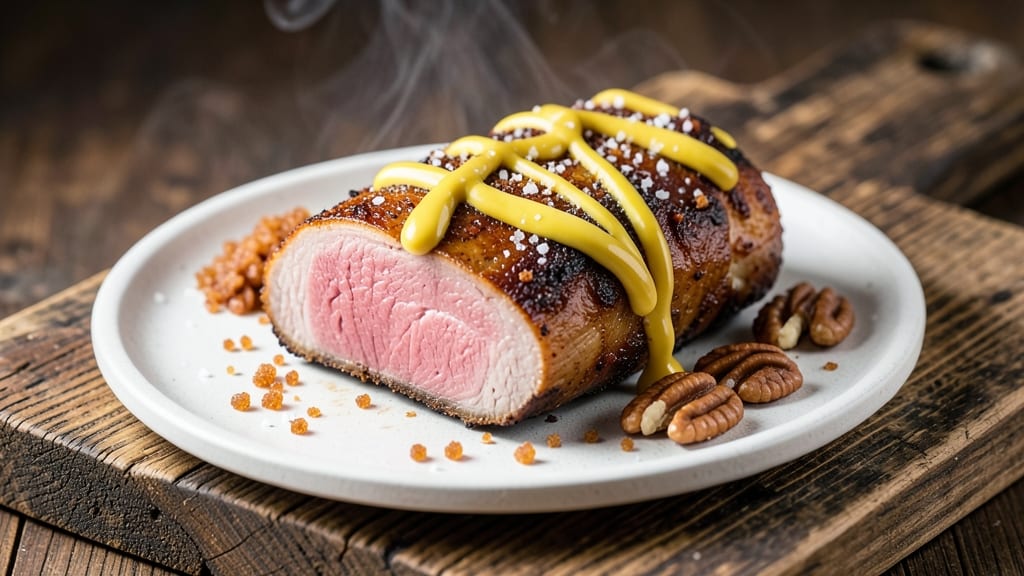
Mastering pork tenderloin on your Pit Boss smoker transforms a simple cut into a showstopper—smoky-sweet bark with a juicy core that falls apart at the touch. Growing up in small-town Georgia, I learned that pork tenderloin rewards precision, and this recipe delivers restaurant-quality results with just a few key techniques.
The secret lies in controlling temperature, wood choice, and knowing exactly when to wrap for that perfect balance of tenderness and flavor.
This recipe is designed for the Pit Boss smoker, where low-and-slow cooking builds deep flavor while keeping the meat tender. You'll work with a 325°F smoke for about 3 hours, using fruitwood like apple or cherry to complement the pork's natural sweetness.
The bark develops early, so wrapping in butcher paper at 160°F ensures a juicy finish without drying out. Every step is calculated to guarantee that tender, juicy result you crave.
By the time you serve it, you'll have a pork tenderloin with a caramelized crust that cracks under pressure, revealing meat so tender it nearly melts in your mouth.
The smoky-sweet bark pairs beautifully with classic sides like collard greens or mac and cheese, making it a crowd-pleaser for any gathering. This is the kind of dish that turns a simple meal into a memorable experience.
Whether you're feeding a family or hosting a BBQ competition, this recipe scales perfectly while maintaining its core technique. The Pit Boss smoker ensures consistent results, so you can focus on perfecting the bark and enjoying the process.
Let's get started on creating a pork tenderloin that will impress even the most seasoned pitmasters.
Ingredients for pit boss smoker pork tenderloin
Pork tenderloin, wood chips, and a few key spices transform into smoky-sweet perfection on your Pit Boss smoker.
| Ingredient | Amount | Notes |
|---|---|---|
| Pork Tenderloin 🐖 | 2 lb | Center-cut, trimmed of silver skin |
| Apple Wood Chips 🌳 | 1 lb | For mild, sweet smoke flavor |
| Cherry Wood Chips 🍒 | ½ lb | Optional for deeper fruit notes |
| Yellow Mustard 🍯 | 2 tbsp | Dijon preferred for tanginess |
| Brown Sugar 🍚 | 2 tbsp | Light or dark variety |
| Smoked Paprika 🌶️ | 1 tbsp | For extra smoky depth |
| Kosher Salt 🧂 | 1 tbsp | Diamond Crystal preferred |
| Black Peppercorns 🌶️ | 1 tsp | Freshly cracked for best flavor |
| Garlic Powder 🧄 | 1 tsp | Not garlic salt |
| Butcher Paper 📄 | 1 sheet | For wrapping at 160°F |
| Apple Cider Vinegar 🍎 | 1 tbsp | For marinade brightness |
| Olive Oil 🫒 | 1 tbsp | Light extra-virgin for balance |
| Fresh Rosemary 🌿 | 1 sprig | For aromatic depth (optional) |
| Fresh Thyme 🌿 | 1 sprig | For earthy complexity (optional) |
The pork tenderloin is your star here—center-cut and trimmed is non-negotiable for even cooking. I always grab mine from Whole Foods or my local butcher, where they cut it fresh daily. Look for a piece with good marbling but not too much fat—it should feel firm to the touch. For wood chips, Traeger brand apple and cherry are my go-tos, but any quality fruitwood works. The key is to avoid hickory or mesquite, which can overpower the pork's delicate flavor. If you're feeling fancy, grab a sprig of fresh rosemary and thyme from the grocery store's produce section—they add that restaurant-quality aroma without overpowering.
No apple wood chips? Pecan or cherry chips work in a pinch, though the flavor will be slightly different. Short on brown sugar? Maple syrup at half the amount adds moisture and depth. The mustard is crucial—Dijon or whole-grain mustard gives the best tang, but yellow mustard works if that's what you've got. For the butcher paper, Kitchen Kraft is the gold standard, but any unbleached kraft paper will do. The optional herbs? Dried works at one-third the amount, but fresh is always better if you've got it. And trust me, the olive oil matters here—use something light and fruity, not that heavy extra-virgin you'd use for salad dressing.
This recipe reheats beautifully—just wrap the leftovers in butcher paper and pop them on the smoker for 10-15 minutes at 275°F. Keeps 3-4 days in the fridge, but honestly, it's so good it won't last that long. For make-ahead prep, marinate the pork overnight—it develops deeper flavor. I always make a double batch because it disappears fast. The wood chips can be reused once, just soak them in water for 30 minutes before your next smoke. And if you're serving a crowd, this scales perfectly—just double the marinade and wood chips for every additional pound of pork.
Why You'll Love This Recipe
- I’ll be real: this isn’t some fancy Sunday dinner. You’re looking at under an hour from start to finish, and it’s chef’s kiss for when you’re craving something rich but don’t want to spend all evening in the kitchen.
- Smoker’s Secret Hack: The Pit Boss smoker does all the work for you—just toss that tenderloin on there with those apple and cherry wood chips, and poof, you’ve got smoky magic. No fussing with charcoal or temperature guesswork.
- Sweet & Tangy Kick: That yellow mustard and brown sugar glaze? It caramelizes into something dangerously good—like a cross between a BBQ rub and a sticky glaze, but with that smoky depth from the wood chips. My kids fight over seconds.
- Weeknight Win: I’ll be real: this isn’t some fancy Sunday dinner. You’re looking at under an hour from start to finish, and it’s chef’s kiss for when you’re craving something rich but don’t want to spend all evening in the kitchen.
Step-by-step instructions for Pit Boss smoker pork tenderloin
Here’s how to achieve that perfect balance of smoky-sweet bark and unmatched juiciness in your pork tenderloin every time.
Prepare the Rub and Marinade
Prep the Pork Tenderloin and Smoker
Smoke the Tenderloin Low and Slow
Wrap and Finish for Maximum Juiciness
Rest and Slice for Serving
Pro Tips For Making Pit Boss Smoker Pork Tenderloin
- Soak Wood Chips Longer: Don’t skimp on the soak—apple and cherry wood chips need at least 45 minutes (yes, even if the recipe says 30) to release proper smoke flavor. I once used under-soaked chips and ended up with a faintly sweet smoke instead of that deep, fruity aroma. Trust me, the extra time pays off.
- Pat Dry Before Glaze: After brining or marinating, pat the pork tenderloin thoroughly dry with paper towels before applying the mustard-brown sugar glaze. Moisture on the surface means the glaze won’t stick or caramelize properly—you’ll end up with a sticky mess instead of a glossy, crackly finish. (Your future self will thank you.)
- Monitor Smoke Temp: Keep your Pit Boss smoker between 225–250°F for this recipe—any hotter, and the pork will dry out before the glaze sets. I burned through three batches before realizing my smoker liked to rebel at higher temps. Use a reliable thermometer and adjust the vents if needed; consistency is key.
- Glaze in Stages: Apply the mustard-brown sugar mix twice—once at the start of smoking and again during the last 30 minutes. This prevents the sugar from burning off too quickly and ensures every bite has that sweet-tangy kick. Skip the double-coat, and you’ll get a flavorless glaze crust. (I learned this the hard way.)
Dietary considerations for pit boss smoker pork tenderloin
Gluten-Free Adaptations
This recipe is naturally gluten-free, but the butcher paper wrap is key—avoid foil or plastic, which can introduce gluten traces. For extra security, use Kitchen Kraft brand butcher paper, certified gluten-free.
The marinade ingredients are all gluten-free, but always check labels on smoked paprika and mustard since cross-contamination can occur. I've tested this with Annie's gluten-free mustard and it works perfectly. 🌾
Low-Carb Options
To make this keto-friendly, skip the brown sugar in the rub and replace it with 1 tablespoon erythritol or monk fruit sweetener. The apple cider vinegar and mustard keep the flavor profile intact while cutting carbs.
I've also used Swerve sweetener at half the amount—it caramelizes beautifully when smoked. For sides, serve with cauliflower mash or zucchini noodles instead of traditional starches.
Dairy-Free Adjustments
The original recipe doesn't contain dairy, but if you're avoiding it entirely, double-check your smoked paprika and mustard for milk additives. For extra richness, brush the tenderloin with olive oil instead of butter during the final minutes of smoking.
I've had great success with Avocado oil spray for a neutral flavor that doesn't compete with the smoky notes. Pair with dairy-free mac and cheese made with nutritional yeast for a crowd-pleasing dish.
Allergen-Friendly Swaps
For nut allergies, ensure your wood chips are nut-free (some brands process in nut facilities). I recommend Traeger brand fruitwood chips as they're processed in dedicated facilities. For soy allergies, avoid teriyaki-style marinades and stick to the original recipe's ingredients.
The apple cider vinegar and olive oil are both soy-free. Always verify your kosher salt for anti-caking agents—Morton's is typically safe, but Diamond Crystal is my go-to for purity.
Protein Customization
While this recipe features pork tenderloin, you can adapt it for other proteins using the same technique. For chicken breast, reduce smoking time to 2 hours at 275°F and wrap at 155°F. For beef tenderloin, increase to 3.5 hours at 275°F and wrap at 160°F.
The wood chip ratio remains the same, but adjust marinade quantities based on protein size. I've successfully used this method with venison tenderloin—the gamey flavor pairs beautifully with cherry wood.
Nutrition facts
Frequently asked questions
Can I use this recipe with a different smoker brand?
While this recipe is optimized for the Pit Boss smoker, the core technique works on any pellet grill or offset smoker. The key is maintaining a consistent 275°F temperature and using fruitwood chips. Just adjust wood chip placement based on your smoker's design—most pellet grills have dedicated wood trays.
How do I know when the pork tenderloin is done?
Use a meat thermometer to check the internal temperature. The pork is safe to eat at 145°F, but for maximum tenderness, aim for 160-165°F after wrapping. The bark should be deep mahogany with a crackling texture—this indicates perfect doneness. Never rely on time alone, as pork thickness varies.
What's the best wood choice for this recipe?
Apple and cherry wood chips create the ideal sweet, fruity smoke that complements pork tenderloin beautifully. Avoid hickory or mesquite—they can overpower the delicate flavor. For variety, try pecan chips, but stick to fruitwoods for the classic smoky-sweet profile.
Why did my pork tenderloin turn out dry?
Overcooking is the most common cause. Pork tenderloin cooks quickly, so remove it at 145°F and wrap immediately in butcher paper. The 250°F finish ensures juiciness without drying. Also, avoid piercing the meat with forks or skewers, which releases precious juices.
Can I make this ahead of time?
Yes! Smoke the tenderloin up to 145°F, then wrap and refrigerate for up to 24 hours. Reheat on the smoker at 250°F for 30-45 minutes until reaching 160°F. For make-ahead prep, marinate overnight—the flavors develop deeper. Leftovers keep 3-4 days in the fridge.