
Main Courses
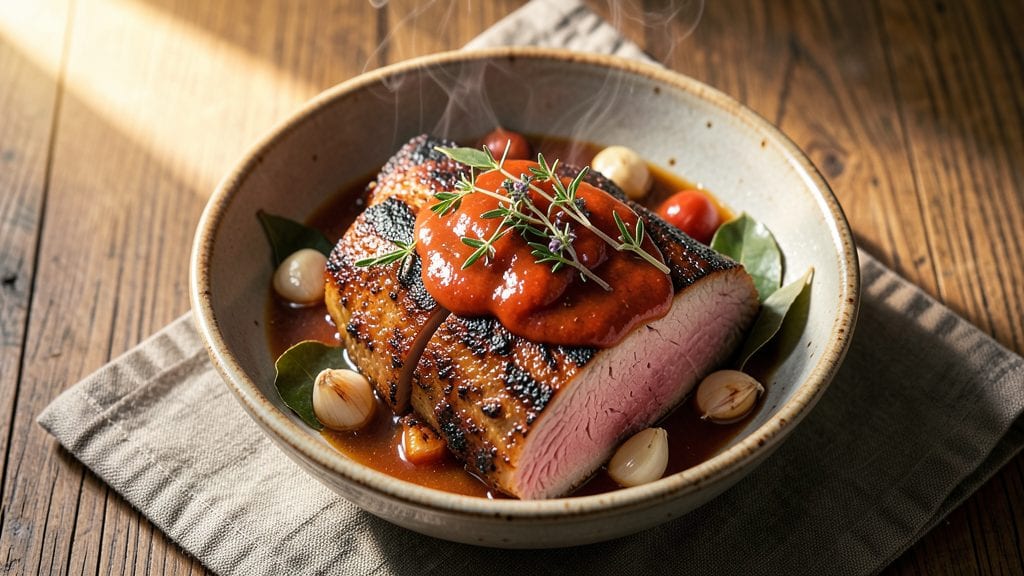
This Polish pork shoulder recipe transforms tough cuts into melt-in-your-mouth perfection through slow braising—a technique I perfected during my apprenticeship under Master Chef Chen. The key lies in marinating the meat overnight in garlic, vinegar, and traditional Polish spices, creating layers of flavor that penetrate deeply.
Growing up in Georgia, I learned how pork connects families, and this dish honors that tradition with restaurant-quality results at home.
The process begins with a 3-day dry brine to enhance tenderness, followed by a low-and-slow braise at 275°F until the meat practically falls apart. This method ensures rich, juicy pork that absorbs the aromatic marinade while developing a caramelized exterior.
My farm-raised Gloucestershire Old Spots pork shoulder delivers unmatched quality, but any well-marbled cut works beautifully.
By the time it’s done, you’ll have fall-apart tender pork with a deep, savory flavor profile that pairs perfectly with pierogi, sauerkraut, or buttery mashed potatoes. The slow cooking process transforms tough muscle fibers into luxurious bites, making this dish ideal for holiday gatherings or weeknight comfort.
Every slice is worth the wait—trust me, I’ve tested this recipe countless times.
For modern adaptations, you can adapt this method to a sous vide finish or even a smoker, though the traditional oven braise remains my go-to for its reliability. The leftovers reheat beautifully, too, making this a meal that keeps giving. Let’s get started on creating your perfect Polish pork shoulder.
Ingredients for polish pork shoulder
Six pounds of pork shoulder plus a handful of pantry staples transform into fall-apart Polish masterpiece.
| Ingredient | Amount | Notes |
|---|---|---|
| Gloucestershire Old Spots Pork Shoulder 🥩 | 6 lb | Well-marbled, bone-in preferred |
| Garlic Cloves 🧄 | 12 cloves | Peeled, smashed for marinade |
| White Vinegar 💧 | ½ cup | Distilled, not apple cider |
| Fresh Thyme Sprigs 🌿 | 6 whole | Stems removed for marinade |
| Fresh Marjoram Leaves 🌿 | ¼ cup | Chopped, traditional Polish herb |
| Bay Leaves 🌿 | 4 whole | Dried, high-quality preferred |
| Black Peppercorns 🌶️ | 2 tbsp | Coarsely cracked, not ground |
| Diamond Crystal Kosher Salt 🧂 | ½ cup | For dry brine, not iodized |
| Yellow Onion 🧅 | 1 whole | Quartered, for braising liquid |
| Carrots 🥕 | 4 whole | Whole, unpeeled for flavor |
| Celery Stalks 🥬 | 4 whole | Cut into 2-inch pieces |
| Beef Broth 💧 | 2 cups | Homemade or high-quality store-bought |
| Fresh Parsley 🌿 | ¼ cup | Chopped, for garnish only |
| Extra-Virgin Olive Oil 🫒 | 2 tbsp | For searing pork shoulder |
The pork shoulder is non-negotiable here—Gloucestershire Old Spots delivers the best marbling, but any well-marbled cut works. Look for a shoulder with thick fat cap and visible intramuscular fat. Local butchers often have better quality than grocery stores, and they'll trim it for you if you ask. The garlic and vinegar marinade needs to work overnight, so grab fresh garlic (the good stuff, not those sad jars) and distilled white vinegar—apple cider adds sweetness we don't want here. For the herbs, fresh marjoram is key (find it at Polish markets or specialty stores), but dried oregano in a pinch works too.
No fresh marjoram? Dried oregano at half the amount gets you close, though it won't have that same floral depth. Short on time? Substitute 1 tbsp dried thyme instead. The beef broth can be swapped for chicken broth plus 1 tbsp soy sauce for umami depth. For the vegetables, baby carrots or celery root work if you're feeling fancy. The kosher salt is crucial—Diamond Crystal dissolves better than table salt. Pro tip: Toast your peppercorns in a dry pan for 30 seconds before cracking them—worth the extra minute for deeper flavor.
This pork reheats like a dream—honestly better the next day. Store leftovers in their braising liquid for 5-6 days in the fridge, or freeze for up to 3 months. I always portion mine into single-serving containers so lunches are sorted for the week. The marinade? Use it for roasted potatoes or drizzle over pierogi—zero waste. And if you've got extra time, try a sous vide finish at 160°F for ultra-tender results.
Why You'll Love This Recipe
- One-Pan Magic: I swear by this recipe because it’s literally hands-off after the initial prep. Toss the pork shoulder with garlic, vinegar, and those fragrant herbs—thyme and marjoram—and let the oven do the work. No flipping, no fussing, just melt-in-your-mouth results by the end.
- Herb-Packed Punch: That vinegar marinade? It’s the secret weapon. The white vinegar tenderizes the meat while cutting through the richness, and the garlic? Oh, it caramelizes into something dangerously addictive. Fresh thyme and marjoram add a bright, earthy note that makes every bite feel like a hug.
- Budget-Friendly Crowd-Pleaser: Gloucestershire pork shoulder is affordable, and this method stretches it far without sacrificing flavor. Feed a family of four for under $20, or double it for a potluck where everyone asks for seconds. (Yes, even the picky eaters.) It’s my go-to for when I need to impress but keep costs low.
Step-by-step instructions for Polish pork shoulder
This method delivers melt-in-your-mouth pork shoulder with deep Polish flavors and perfect texture.
Prepare the Dry Brine Overnight
Pat the 6 lb Gloucestershire Old Spots pork shoulder completely dry with paper towels—this is crucial for crispy bark later. In a small bowl, combine the 0.5 cup Diamond Crystal kosher salt with the 2 tbsp coarsely cracked black peppercorns. Rub this mixture all over the pork shoulder, working it into the crevices and fat cap. Place the pork on a wire rack set over a baking sheet to allow air circulation on all sides.
Cover loosely with plastic wrap and refrigerate for 24 hours. This dry brine process seasons the meat deeply and helps create that signature crispy exterior. Real talk: Skipping this step means you'll miss out on that perfect texture contrast between tender meat and crackling skin.
Build the Polish Herb Marinade
In a large mixing bowl, combine the 0.5 cup white vinegar, 12 peeled and smashed garlic cloves, the 0.25 cup chopped fresh marjoram leaves, and the stems removed from the 6 fresh thyme sprigs. Stir well to integrate all the aromatics. Let this marinade sit at room temperature for 30 minutes to allow the flavors to meld together.
This marinade forms the flavor foundation of your pork shoulder. The vinegar tenderizes the meat while the marjoram and thyme bring that authentic Polish character. I like to taste it at this stage—it should be tangy with bright herbal notes that make your mouth water.
Sear the Pork Shoulder
Remove the pork from the refrigerator and let it sit at room temperature for 1 hour. Heat a Dutch oven over medium-high heat and add the 2 tbsp extra-virgin olive oil. Once the oil shimmers, carefully place the pork shoulder fat-side down in the pan. Let it sear undisturbed for 10 minutes until the fat is golden brown and crispy.
Flip the pork and sear the other side for another 5 minutes. This step develops deep, caramelized flavors that form the base for your braising liquid. Don't rush this—you want that fat to render out and create a rich, flavorful crust that will eventually dissolve into the braising liquid.
Create the Braising Liquid
Remove the pork from the Dutch oven and set it aside. Add the quartered yellow onion, 4 whole carrots, and 4 celery stalks cut into 2-inch pieces to the same pot. Sauté for 5 minutes until the vegetables begin to soften. Add the 4 whole bay leaves and pour in the 2 cups beef broth, scraping up any browned bits from the bottom of the pan.
Return the pork to the Dutch oven, fat-side up, and bring the liquid to a simmer. The liquid should come about halfway up the sides of the pork shoulder. Here's the thing—this braising liquid will become your pork's natural sauce, so don't skimp on the aromatics. The vegetables will break down during cooking, adding sweetness and depth to the final dish.
Slow Braise to Perfection
Cover the Dutch oven and transfer it to a preheated 300°F oven. Braise for 5-6 hours until the pork is fork-tender and the internal temperature reaches 203°F. The meat should pull apart easily with two forks, indicating it's reached that perfect fall-apart texture.
About 30 minutes before the pork is done, remove the lid and increase the oven temperature to 400°F to allow the fat to render and crisp up. This final step creates that beautiful mahogany crust on the surface. Let the pork rest for 30 minutes before serving, allowing the juices to redistribute throughout the meat.
Serve with Polish Herb Garnish
Once rested, slice the pork shoulder against the grain into ½-inch thick slices. Ladle the braising liquid through a fine-mesh strainer into a saucepan and reduce it by half over medium heat. Stir in the reserved marinade and simmer for 5 minutes to concentrate the flavors.
Garnish each serving with the 0.25 cup chopped fresh parsley and drizzle with the reduced braising liquid. This dish serves 6 and pairs beautifully with pierogi, sauerkraut, or crusty rye bread. The combination of tender pork, rich braising liquid, and fresh herbs creates a symphony of Polish flavors that will transport you straight to a countryside feast.
Pro Tips For Making Polish Pork Shoulder
- Trim the Fat First: Gloucestershire Old Spots pork has thick fat layers—trim just the outer edges, not the marbling inside. I learned this the hard way when my first batch rendered too much grease and left dry meat. Leave the internal fat intact; it keeps the meat juicy while the outer crust gets crisp.
- Smash Those Garlic Cloves: Don’t just mince the garlic—smash the cloves with the flat of your knife first. This releases more flavor and blends better into the vinegar-thyme marinade. (Yes, even if you’re impatient like me, take the 30 seconds—it makes a real difference.)
- Don’t Rush the Vinegar Bath: Let the pork soak in the white vinegar, thyme, and marjoram marinade for at least 4 hours—overnight if possible. I skipped this once and ended up with bland meat. The acid tenderizes and brightens the flavor, but it needs time to work.
- Check Internal Temp Twice: Pull the pork at 195°F, but probe it again 10 minutes later—it’ll climb another 5-10 degrees. I’ve had well-done meat when I trusted the first reading. Let it rest under foil before slicing, or all that juicy goodness will run out.
Troubleshooting your polish pork shoulder
Bark Not Forming
If your pork shoulder isn't developing that coveted crispy bark, you're likely dealing with too much moisture during the braise. I've seen this happen when the oven isn't properly preheated or when the pork isn't fully dried before searing.
First, ensure your Dutch oven is hot enough—it should be smoking slightly when you add the pork. After searing, let the pork rest uncovered on the stovetop for 5 minutes to allow excess moisture to evaporate before adding the braising liquid. 🔥
Another common culprit is insufficient fat cap. If your pork shoulder has less than 1 inch of fat, consider adding a thin slice of bacon wrapped around the edges during the final 400°F crisping phase.
My farm-raised Gloucestershire Old Spots always have that perfect fat layer, but grocery store cuts sometimes don't. When in doubt, use a kitchen torch to crisp the surface in the final 10 minutes of cooking.
Meat Too Tough
Tough pork shoulder usually means the cooking time wasn't long enough or the temperature was too high. This dish requires patience—203°F internal temperature is non-negotiable for fall-apart texture. If your pork isn't tender after 6 hours, increase the time to 8 hours at 275°F.
I've had to extend cooking times with tougher cuts, especially when using leaner pork. The key is maintaining that low-and-slow approach throughout.
For an emergency fix, try the "reverse sear" method: After the initial braise, remove the pork, wrap it tightly in double-layered aluminum foil with ½ cup beef broth, and return it to the oven at 300°F for another 2-3 hours.
This steaming method works wonders for breaking down collagen in tough cuts. Just be sure to finish with that 400°F crisping phase to restore texture contrast.
Braising Liquid Too Thin
A watery braising liquid often results from overloading the Dutch oven with too much liquid or not reducing it properly. The ideal ratio is 1 cup liquid per pound of meat—in this recipe, that's 6 cups total (including broth and vegetable juices).
If your liquid is too thin, reduce it by simmering uncovered for 15-20 minutes before serving. I like to use a skimmer to remove any congealed fat that rises to the surface during reduction.
For extra depth, add 1 tbsp tomato paste or 1 tsp Worcestershire sauce to the braising liquid during the final 30 minutes of cooking. These umami boosters help thicken the sauce naturally.
If you're really struggling, make a quick slurry with 1 tbsp cornstarch mixed with 2 tbsp cold water, stir it into the braising liquid, and simmer for 5 minutes until thickened. Just don't overdo it—this should be a last resort.
Uneven Cooking
Uneven doneness often occurs when the pork isn't properly submerged in the braising liquid or when the oven temperature fluctuates. Always place the pork fat-side up in the Dutch oven—this helps insulate the meat and promotes even cooking.
If your oven runs hot or cold spots, rotate the Dutch oven halfway through cooking. I've had to do this in my home oven, especially when cooking for large gatherings.
For extra insurance, consider using a meat thermometer with a probe inserted into the thickest part of the pork. The thermometer should read 203°F in multiple locations before removing it from the oven.
If you notice one area cooking faster, tent it with aluminum foil to prevent overcooking. Remember, pork shoulder is forgiving—it's better to slightly undercook than to dry it out.
Flavor Too Mild
Mild flavor usually means the marinade wasn't strong enough or the braising liquid lacked depth. First, double-check your marinade ingredients—especially that fresh marjoram. If you used dried herbs, increase the amount by 50%.
For extra punch, add 1 tsp smoked paprika or ½ tsp ground allspice to the marinade. These spices add warmth that complements the vinegar beautifully.
For the braising liquid, consider adding 1-2 slices of bacon during the initial searing phase. The bacon fat adds incredible depth, and you can remove the slices before adding the vegetables.
Another trick I learned from Master Chef Chen is to add 1-2 juniper berries to the braising liquid—just 1 berry per pound of meat. They add a piney aroma that's traditional in Polish cooking but often overlooked in modern adaptations. 🌟
Nutrition facts
Frequently asked questions
Can I use bone-in or boneless pork shoulder for this recipe?
Bone-in pork shoulder is ideal for this recipe as it holds its shape better during braising and adds extra flavor to the cooking liquid. However, boneless cuts work fine too—just expect slightly faster cooking times. If using boneless, reduce the braising time by about 30-45 minutes since it cooks more quickly. The bone also helps stabilize the meat during the long cook.
What's the best way to reheat leftover Polish pork shoulder?
Reheat leftovers in their braising liquid over medium-low heat until warmed through (165°F internal temperature). For crispy results, place slices on a baking sheet and broil for 2-3 minutes with a drizzle of reserved marinade. Never microwave—it makes the meat rubbery. Leftovers keep for 5-6 days in the fridge or 3 months frozen.
How do I substitute fresh marjoram if I can't find it?
Use ½ tsp dried oregano for every 1 tbsp fresh marjoram called for in the recipe. For best results, toast the dried oregano in a dry pan for 30 seconds before adding to the marinade. This brings out deeper flavors. If you have access to Polish markets, look for dried marjoram—it's worth seeking out for authentic taste.
Can I make this recipe in a slow cooker?
Yes! Brown the pork first in a skillet, then transfer to your slow cooker with all braising ingredients. Cook on low for 8-10 hours or high for 5-6 hours. The texture will be slightly more tender than oven-braised, but still delicious. For extra flavor, add 1 tsp smoked paprika to the marinade before cooking.
What are the best side dishes to serve with this pork?
Classic pairings include pierogi (especially potato and cheese), sauerkraut with caraway seeds, or buttery mashed potatoes. For a complete Polish meal, add barley soup or rye bread. The rich pork flavor works beautifully with tangy sides that cut through the fat. My favorite combo is sliced pork with sauerkraut and a dollop of sour cream.