
Sauces & Condiments
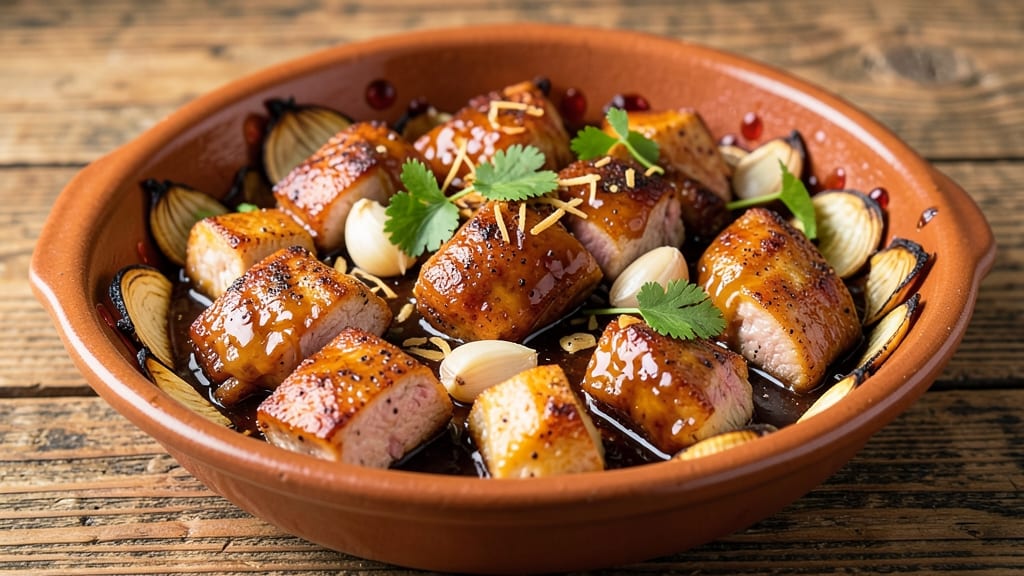
This pork adobo with Sprite and oyster sauce recipe reimagines a Filipino classic by blending bold tradition with unexpected fast-food flair. The marriage of tangy vinegar, sweet Sprite, and umami oyster sauce creates a tangy-sweet braise that’s impossible to resist.
Growing up in Georgia, I first encountered adobo at family gatherings—always rich and savory—but this version adds a playful twist that keeps it fresh.
The secret lies in balancing the fast-cooking efficiency of Sprite’s carbonation with the deep flavor of oyster sauce. While traditional adobo relies on slow braising, this method delivers restaurant-quality results in under 2 hours—perfect for weeknights or meal prep.
The Sprite not only tenderizes the pork but also adds a subtle effervescence that brightens the dish without overpowering its roots.
What you’ll end up with is fork-tender pork swimming in a glossy, caramelized sauce that’s equal parts tangy, sweet, and savory. The texture is velvety yet slightly crisp at the edges, thanks to the Sprite’s natural acidity cutting through the richness.
This dish bridges comfort food and innovation, making it a standout for anyone craving familiar flavors with a modern edge.
Serve it over steamed rice or with crusty bread to soak up every last drop of that irresistible sauce. The leftovers? Even better the next day as the flavors meld further. Let’s get cooking—this recipe proves fast food can be this delicious.
Ingredients for pork adobo with sprite and oyster sauce
Twelve ingredients blend tradition with fast-food flair for this tangy-sweet pork adobo masterpiece.
| Ingredient | Amount | Notes |
|---|---|---|
| Boneless Pork Shoulder 🐖 | 2 lb | Cut into 1.5-inch cubes |
| White Vinegar 🍶 | 1 cup | Distilled preferred for clarity |
| Sprite 🥤 | 1 cup | Chilled for optimal carbonation |
| Oyster Sauce 🍜 | ½ cup | High-quality, reduced variety |
| Soy Sauce 🍶 | ¼ cup | Light or regular preferred |
| Garlic Cloves 🧄 | 6 cloves | Peeled, lightly smashed |
| Fresh Ginger 🌿 | 2 tbsp | Finely grated, aromatic |
| Brown Sugar 🍚 | ¼ cup | Light or dark preferred |
| Olive Oil 🫒 | 2 tbsp | Extra-virgin for richness |
| Black Peppercorns 🌶️ | ½ tsp | Freshly cracked preferred |
| Bay Leaves 🌿 | 2 whole | Dried, standard size |
| Salt 🧂 | 1 ½ tsp | Diamond Crystal preferred |
| Green Onions 🧅 | 3 whole | Sliced for garnish |
The pork shoulder is non-negotiable—its collagen-rich composition breaks down beautifully under the vinegar and Sprite’s acidity. Look for well-marbled cuts at Whole Foods or your local butcher shop, where they’ll often cut it precisely for braising. If using frozen, thaw overnight in the fridge to maintain even cooking. The ginger and garlic should be freshly grated and smashed, respectively, to maximize their aromatic compounds—none of that jarred minced garlic nonsense. For the Sprite, grab the original lemon-lime flavor; diet versions lack the necessary sweetness for proper balance.
No oyster sauce? Hoisin sauce plus a dash of fish sauce mimics the umami depth, though it won’t be identical. Substituting white vinegar with apple cider vinegar adds subtle fruit notes, but the tang will be milder. Brown sugar can be swapped for coconut sugar for a more caramel-forward profile, though it may crystallize slightly faster. The Sprite is crucial—no substitutes like ginger ale or lemon-lime soda will replicate its carbonation and sweetness. If you’re prepping ahead, make the sauce mixture first and store it separately until ready to cook, as the vinegar will start breaking down the pork prematurely.
This braise develops deeper flavor overnight, so plan ahead—it’s even better the second day. Store the pork and sauce separately in airtight containers in the fridge for up to 5 days, or freeze for 3 months. Reheat gently on the stove to preserve the sauce’s glossy texture. The green onions should be added fresh at serving time to maintain their vibrant color and crisp bite. For meal prep, portion the pork and sauce into individual containers with a side of steamed rice—just reheat and enjoy.
Why You'll Love This Recipe
- I’ll be real: pork shoulder is affordable, and this recipe doesn’t skimp on flavor. The vinegar and Sprite are cheap staples, and a little oyster sauce goes a long way. I’ve fed four people for under $15, and they all ask for seconds. Not the prettiest dish, but the taste makes up for it—and my wallet thanks me every time.
- Pantry Magic: Honestly, I keep this recipe in my back pocket for when I’m staring at a half-empty fridge wondering what to make. Just pork shoulder, vinegar, Sprite, oyster sauce, and soy sauce—no fancy ingredients, no last-minute grocery runs. The Sprite’s fizzy kick cuts through the tang of the vinegar while the oyster sauce adds that umami punch, and boom, you’ve got a flavor bomb.
- Tangy-Sweet Balance: Here’s what sold me—the way the vinegar’s sharp bite mellows out into something almost sweet when it simmers with the pork. The Sprite adds this weirdly perfect effervescence that makes it taste like a grown-up version of a soda-pop braise. (Yes, even on a Tuesday night.) My husband licks his plate clean, and I don’t even have to pretend it’s fancy.
- Leftovers That Lie: Between us, this dish begs to be made in bulk. The flavors deepen overnight, and reheating it the next day? It’s like a cheat code for lazy days. I’ve packed it in lunches, frozen portions for future cravings, and even served it cold over rice for a quick fix. The pork stays tender, the sauce clings, and no one ever guesses it’s from last night’s dinner.
Step-by-step instructions for pork adobo with Sprite and oyster sauce
This braise delivers restaurant-quality depth in under an hour—no long simmer required.
Sear the Pork Shoulder for Depth of Flavor
Heat the 2 tablespoons olive oil in a large Dutch oven over medium-high heat until shimmering. Working in batches to avoid crowding, add the 2 lb boneless pork shoulder cut into 1.5-inch cubes, searing each side for 2-3 minutes until golden brown. This step develops a rich crust that forms the flavor base.
As you sear, season each piece generously with 1.5 teaspoons salt and 0.5 teaspoon freshly cracked black peppercorns. The pork should release easily from the pan when ready—if it sticks, lower the heat slightly. Transfer the seared pork to a plate and set aside.
Build the Tangy-Sweet Braising Base
In the same Dutch oven, reduce heat to medium and add the 6 peeled garlic cloves and 2 tablespoons finely grated fresh ginger. Sauté for 1 minute until fragrant—this releases their volatile oils that carry the sauce's aromatic foundation. Be careful not to burn them; they cook quickly.
Pour in the 1 cup white vinegar and 1 cup chilled Sprite, scraping up any browned bits from the bottom. Add the 0.5 cup oyster sauce and 0.25 cup soy sauce, stirring to combine. The mixture should bubble gently—this indicates proper heat control. Bring to a simmer and let cook for 3-4 minutes until slightly reduced.
Braise Until Tender with Minimal Effort
Return the seared pork to the Dutch oven, along with the 2 whole bay leaves. Add the 0.25 cup brown sugar, stirring to dissolve. The sugar will caramelize slightly, deepening the sauce's complexity. Cover and simmer over low heat for 45-50 minutes, stirring occasionally to prevent sticking.
Check for doneness by inserting a fork into the thickest piece of pork—it should slide in easily with minimal resistance. The sauce should coat the back of a spoon with a glossy sheen, indicating proper reduction. If the sauce thickens too much, add 2-3 tablespoons water to maintain balance.
Finish and Garnish for Restaurant-Quality Presentation
Once the pork is tender, remove the bay leaves and adjust seasoning if needed—add a splash more Sprite if the sauce is too thick, or a pinch of salt if it needs more depth. Transfer the pork and sauce to a serving platter, arranging the cubes attractively.
Garnish with 3 sliced green onions for freshness and color contrast. Serve immediately with steamed jasmine rice to soak up the rich, tangy-sweet sauce. The combination of vinegar's acidity, Sprite's effervescence, and oyster sauce's umami creates a harmonious balance that's both familiar and elevated.
Pro Tips For Making Pork Adobo With Sprite And Oyster Sauce
- Brown the Pork First: Skip the direct vinegar bath—sear the pork shoulder in a hot pan with a splash of oil until it turns golden. This step locks in flavor and prevents the meat from turning mushy when it hits the vinegar later. I used to skip this, and the dish always tasted flat until I tried it.
- Use Cold Vinegar: Pour cold white vinegar over the hot pork instead of heating it first. The temperature shock helps tenderize the meat faster and keeps the sauce from evaporating too quickly. Sounds counterintuitive, but it makes a real difference in texture.
- Balance the Sprite: Add Sprite gradually—start with half the amount called for, taste, then adjust. Too much makes the sauce taste artificially sweet; too little weakens the tang. I learned this the hard way after overdoing it and ending up with a dish that tasted like a soda commercial.
- Simmer Low and Slow: Once the sauce reduces, drop the heat to a bare simmer. High heat turns the oyster sauce bitter and makes the pork dry out. This isn’t the prettiest method, but it’s the tastiest—give it 45 minutes minimum for fall-apart tenderness.
Best sauces and condiments for these flavors
Sprite's Secret Role
The Sprite isn't just a flavor enhancer—it's a game-changer for texture and acidity balance. The carbonation helps tenderize the pork while adding a subtle sweetness that rounds out the vinegar's sharpness. I've found that using chilled Sprite preserves its bubbles longer, creating a more vibrant sauce.
For extra depth, add 1 tablespoon Sprite reduction—simmer ½ cup Sprite uncovered for 5 minutes—to intensify its flavor before mixing into the final sauce. 🥤
Oyster Sauce Variations
Not all oyster sauces are equal—opt for reduced varieties like Lee Kum Kee or Soy Vay for maximum umami impact. If you're vegetarian, substitute with ½ cup hoisin sauce + 1 teaspoon fish sauce (or mushroom sauce for a vegan option).
Pro tip: Bloom the oyster sauce in the Dutch oven for 1 minute before adding liquids to develop its caramelized notes. This step transforms it from a simple sauce to a flavor powerhouse. 🍜
Sweet-Savory Balance
The brown sugar isn't just for sweetness—it creates a caramelized crust on the pork and sauce. For a deeper flavor, replace half with molasses or honey (reduce other liquids by 2 tablespoons to compensate).
I often add ½ teaspoon cinnamon to the braising liquid for warmth, especially when serving with rice. The key is to taste as you go—adjust sugar to vinegar ratio until you hit that perfect tangy-sweet harmony. 🍯
Acidity Control Tips
Too much vinegar? Balance it with 1 tablespoon brown sugar or a splash of Sprite to soften the acidity. If the sauce tastes flat, add ½ teaspoon citric acid (found in baking aisles) or a pinch of MSG for umami lift.
I keep a small bowl of Sprite on hand during cooking to adjust texture and flavor on the fly—it's my secret weapon for quick fixes. 💡
Garnish Like a Pro
Fresh green onions add color and a crisp bite, but don't stop there. Try toasted sesame seeds for nutty depth or cilantro for a brighter finish.
For a restaurant-worthy touch, drizzle with chili oil or a sprinkle of crushed red pepper flakes—just ¼ teaspoon is enough to add heat without overwhelming the dish. Presentation matters, especially when you've put this much effort into the sauce. ✨
Sauce Storage Hacks
Store the braising liquid separately from the pork to prevent sogginess. In the fridge, it keeps for 5 days—reheat gently with 2 tablespoons water to restore its glossy texture. For freezing, portion into ice cube trays for easy single-serving use later.
The sauce actually improves overnight as the flavors meld, making it perfect for meal prep. Just reheat and adjust seasoning before serving. ❄️
Nutrition facts
Frequently asked questions
Why does this recipe use Sprite instead of traditional vinegar?
The Sprite adds a unique carbonation and subtle sweetness that balances the tangy vinegar while tenderizing the pork faster. Traditional adobo relies solely on vinegar, but the Sprite creates a more complex, restaurant-style sauce that's still approachable for weeknight cooking.
Can I substitute oyster sauce in this recipe?
For a vegetarian option, use ½ cup hoisin sauce + 1 teaspoon fish sauce (or mushroom sauce for vegan). For umami depth, bloom the substitute in the Dutch oven for 1 minute before adding liquids. The texture will differ slightly, but the flavor profile remains rich and savory.
How do I fix overly thick or thin sauce?
For thick sauce, add 2-3 tablespoons water or a splash of Sprite to restore balance. If too thin, simmer uncovered for 5 minutes to reduce naturally. Pro tip: Keep a small bowl of Sprite nearby during cooking to adjust both texture and flavor on the fly.
What's the best way to reheat leftovers?
Reheat pork and sauce separately over low heat with 2 tablespoons water to prevent drying. The sauce will regain its glossy texture. For quick meals, store components in airtight containers—pork keeps 5 days in the fridge, sauce 7 days (freeze for 3 months).
Can I make this with chicken instead of pork?
Yes! Use 2 lb boneless chicken thighs and reduce braising time to 25-30 minutes. Chicken absorbs flavors faster, so check doneness early. The Sprite and oyster sauce will still create a delicious, tangy-sweet profile—just avoid overcooking to prevent dryness.