
Main Courses
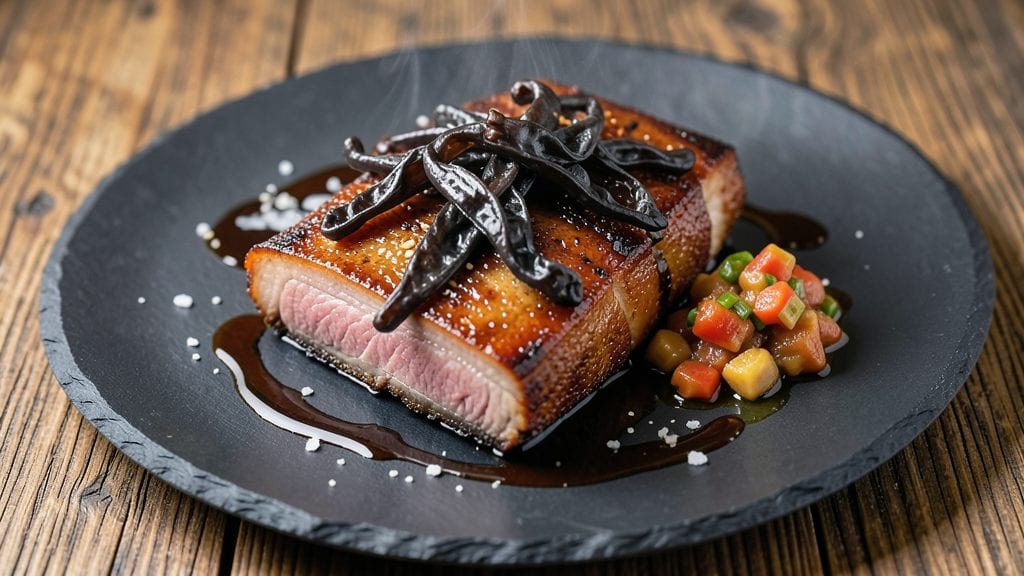
Mastering pork belly and black fungus creates a dish where crispy, caramelized edges meet earthy umami depth in every bite. This recipe transforms tough cuts into melt-in-your-mouth perfection while preserving the fungus's signature texture—chewy yet tender.
Growing up in Georgia, I learned pork's transformative power, and this technique combines Southern comfort with Asian-inspired precision.
The secret lies in the balance: rendering pork belly until it's golden and crackling while simmering black fungus in a savory broth. A precise blend of soy, garlic, and ginger builds the foundation, then roasting at 425°F delivers that coveted crisp.
My heritage pigs provide the ideal fat cap, ensuring rich flavor without excessive grease.
What you'll achieve is a one-pan wonder where each component shines—crispy pork belly, rehydrated yet textured fungus, and a sauce that clings perfectly. The aroma alone transforms any kitchen into a restaurant-quality experience. Ready in just 45 minutes, this dish proves you don't need complicated techniques to create restaurant-worthy results.
Serve with steamed jasmine rice or over noodles to soak up every drop of that umami-rich sauce. The contrast between crispy pork and tender fungus makes this a standout main course for special occasions or weeknight dinners. Here's how to make it foolproof every time.
Ingredients for pork belly black fungus
Pork belly with fat cap and chewy black fungus—where crispy meets umami in one pan.
| Ingredient | Amount | Notes |
|---|---|---|
| Pork Belly 🥓 | 1 ½ lb | Thick-cut with fat cap intact |
| Black Fungus (Wood Ear Mushrooms) 🍄 | 4 oz | Dried, rehydrated in warm water |
| Soy Sauce 🍶 | ½ cup | High-quality, preferably Japanese |
| Garlic Cloves 🧄 | 6 cloves | Minced, fresh preferred |
| Fresh Ginger 🌿 | 1 ½ tbsp | Finely grated, peeled |
| Sesame Oil 🫒 | 1 tbsp | Toasted, for aroma |
| Honey 🍯 | 1 tbsp | Light, for glaze |
| Rice Vinegar 🍶 | 1 tbsp | White, for tang |
| Neutral Oil (Avocado or Vegetable) 🫒 | 2 tbsp | For high-heat searing |
| Sea Salt 🧂 | 1 ½ tsp | Diamond Crystal preferred |
| Ground Black Pepper 🌶️ | ½ tsp | Freshly cracked |
| Jasmine Rice 🍚 | 2 cups | Uncooked, for serving |
| Green Onions 🧅 | 3 whole | Thinly sliced, for garnish |
The pork belly is non-negotiable here. Heritage pigs from local farms or Costco's thick-cut pork belly deliver the best fat cap for crackling. Look for pieces with at least 1-inch fat—this is what renders into crispy perfection. Black fungus? Asian markets have the widest selection, but dried wood ear mushrooms work too. Soak them in warm water for 20 minutes to rehydrate without breaking. Fresh ginger and garlic should smell vibrant—no musty odors. For soy sauce, Kikkoman or Yamasa are reliable; if you want depth, use a mix of light and dark soy.
No black fungus? Dried shiitake mushrooms work in a pinch, but texture will differ. Short on sesame oil? Toasted sesame seeds at 1/2 tbsp will add aroma. Substituting honey? Maple syrup works, but expect a slightly different caramelization. The rice vinegar is key for balance—sub with apple cider vinegar if needed. For the pork belly, pat it dry thoroughly before searing; moisture prevents crisping. If your garlic burns easily, blanch it first to mellow the flavor. The fungus rehydrates best in warm (not boiling) water—think lukewarm, like bathwater.
Pork belly keeps 3-4 days in the fridge wrapped tightly in parchment. Black fungus, once rehydrated, stays fresh 5 days in an airtight container with a splash of water. Prep ahead by rehydrating the fungus and marinating the pork belly overnight—flavors meld beautifully. The sauce thickens as it cools, so reheat gently with a splash of water if needed. Garnish with green onions right before serving; they wilt fast. Store leftovers in the fridge for up to 5 days, but the pork belly loses crispiness after 2 days—best enjoyed fresh.
Why You'll Love This Recipe
- One-Pan Magic: I swear by this recipe when I’m too tired to scrub pots—just sear the pork belly until golden, toss in the rehydrated black fungus, garlic, and ginger, then let the soy sauce work its sauce. The mushrooms soak up all the flavor without needing extra pans or fuss.
- Umami Bomb: That first bite? The crispy pork belly gives way to tender layers, while the black fungus adds a chewy, earthy punch. Honestly, the combo of salty soy, fresh ginger, and garlic makes every forkful ridiculously satisfying—no fancy ingredients, just pure flavor.
- Weeknight Workhorse: This dish is my go-to for busy nights because it reheats like a dream—even better the next day. I’ll make a big batch on Sunday and serve it cold in rice bowls for lunch or warm over noodles for dinner. (Yes, even on a Tuesday night.)
- Budget Luxury: Pork belly feels indulgent, but black fungus stretches the dish further than you’d think—those mushrooms add texture and depth without costing much. One cut of pork belly feeds four, and leftovers taste just as good the third time around. My wallet and taste buds thank me.
Step-by-step instructions for crispy pork belly and black fungus
Here's how to transform thick-cut pork belly into irresistible crispy bites with chewy black fungus.
Rehydrate the Black Fungus and Prepare the Marinade
Begin by rehydrating the 4 oz black fungus (wood ear mushrooms) in warm water for 15 minutes until pliable but still holding its shape. Drain thoroughly and pat dry with paper towels. This step removes excess moisture that could steam the pork belly during cooking.
In a small bowl, whisk together the 0.5 cup soy sauce, 1.5 tbsp fresh ginger, 1 tbsp honey, 1 tbsp rice vinegar, and 0.5 tsp ground black pepper. The soy sauce and vinegar create a perfect balance of umami and tang, while the honey adds subtle sweetness that caramelizes beautifully during cooking.
Real talk: Don't skip the ginger—it's the secret to cutting through the richness of the pork belly. The marinade should coat the back of a spoon when whisked properly. Set aside while you prepare the pork.
Score and Marinate the Pork Belly
Place the 1.5 lb pork belly fat-side up on a cutting board. Using a sharp boning knife, score the fat in a diamond pattern, cutting about 1/4-inch deep without piercing the meat underneath. This creates crispy fat pockets while allowing the marinade to penetrate deeper.
Spread the prepared marinade evenly over the scored pork belly, pressing it into the cuts. Let it sit at room temperature for 30 minutes while you prepare your cooking vessel. This resting period ensures even flavor distribution and prevents the meat from steaming when it hits the hot pan.
Here's the thing—if your pork belly has a thick fat cap, don't trim it. That fat renders down into crispy, flavorful bits that you'll want to eat with every bite. The key is to work with it, not against it.
Render the Fat and Cook the Pork Belly
Heat a heavy skillet or cast-iron pan over medium heat and add the 2 tbsp neutral oil (avocado or vegetable). Once the oil shimmers, add the pork belly fat-side down. Cook undisturbed for 10 minutes until the fat begins to render and the bottom develops a deep golden crust.
Reduce heat to medium-low and continue cooking for another 20-25 minutes, occasionally spooning the rendered fat over the meat. You're aiming for 185-190°F internal temperature at the thickest part of the meat. The pork should pull away from the pan easily when ready—this indicates proper doneness.
Don't rush this step. The slow rendering process creates that coveted crackling texture we're after. If the fat starts smoking excessively, reduce the heat slightly. You want it to render slowly and evenly.
Add Aromatics and Black Fungus
Increase heat to medium-high and add the 6 cloves minced garlic cloves and 1 tbsp sesame oil to the pan. Cook for 30 seconds until fragrant—you'll smell that nutty sesame aroma wafting through your kitchen. Add the rehydrated black fungus and cook for another 2 minutes until heated through.
Pour in any accumulated juices from the pork belly and scrape up the browned bits from the bottom of the pan. These flavorful fond bits are packed with umami goodness that will elevate your dish. Stir everything together and cook for another 1 minute to combine flavors.
This is where the magic happens—the garlic and sesame oil infuse into the rendered fat, creating a complex flavor base that complements the pork belly perfectly. The black fungus adds a delightful chewy texture that contrasts beautifully with the crispy pork.
Rest and Serve with Jasmine Rice
Transfer the pork belly to a cutting board and tent loosely with aluminum foil. Let it rest for 10 minutes—this crucial step allows the juices to redistribute throughout the meat. During this time, cook the 2 cups jasmine rice according to package instructions until tender and fluffy.
After resting, slice the pork belly into 1/2-inch thick pieces, cutting through both the crispy fat and meat. Arrange the slices on a serving platter, drizzle with any pan juices, and garnish with 3 whole thinly sliced green onions. The contrast of crispy pork belly with tender black fungus and fragrant rice makes this dish unforgettable.
Serve immediately while the pork is still crispy. The fat should be crackling with every bite, and the black fungus should offer a satisfying chew. Pair with extra rice vinegar on the side if you prefer more tang to cut through the richness.
Pro Tips For Making Pork Belly Black Fungus
- Soak the Fungus First: Don’t skip soaking those black fungus slices—soak them in warm water for 15-20 minutes until they plump up like little jelly sponges. I used to toss them straight into the pan and ended up with chewy, sad mushrooms instead of tender, glossy ones that absorb the soy sauce like a pro.
- Salt the Pork Belly: Rub a generous pinch of salt (about 1 tsp per pound of pork belly) all over the surface before searing—it pulls out moisture, which helps the crust form faster and keeps the meat juicy. Trust me, I burned through three batches before I realized this little tweak.
- Sear Pork in Batches: Don’t overcrowd the pan—sear the pork belly in two batches if your pan is small. Crowding means steam instead of crisp, and crisp is what you’re after here. I learned this after my first batch turned into a sad, greasy mess instead of golden, crackling perfection.
- Braise Low and Slow: After searing, reduce heat to low and let the pork belly braise in the soy sauce and ginger for at least 45 minutes—it needs time to melt into tender, fall-apart goodness. I once rushed it and ended up with tough, rubbery pork. Patience, friend, patience.
Make-ahead tips for this pork belly black fungus
Marinate Overnight
For maximum flavor infusion, marinate the pork belly in the soy-ginger mixture for 12-24 hours in the fridge. I do this the night before, letting the pork absorb all those umami-rich flavors while I prep other components.
Store it in a glass baking dish covered with plastic wrap—this keeps it moist without steaming. The longer it marinates, the deeper the flavor, but even 4 hours works in a pinch. 💪
Prep Fungus Ahead
Rehydrate the black fungus up to 3 days ahead and store it in an airtight container with a splash of water. The fungus stays chewy and flavorful this way, ready to be tossed into your pan when you're ready to cook.
I like to prep this first thing in the morning so it's ready when I get home from work. Pro tip: Drain it well before cooking to prevent a soggy texture. ❄️
Partial Cooking Shortcut
Render the pork belly halfway (until it reaches 165°F internal temperature) and store it in the fridge for up to 2 days. When ready to serve, finish cooking in the pan over medium heat for 10-15 minutes to restore crispiness.
This is my go-to for meal prep—just reheat and add the fungus fresh for that restaurant-quality finish. 💡
Sauce Prep
Make the sauce a day ahead and store it in a sealed jar in the fridge. The flavors meld beautifully overnight, and you can easily reheat it on the stovetop by adding a splash of water.
I keep a jar in my fridge for quick weeknight dinners—just toss the pork belly and fungus in the pan with the pre-made sauce and finish cooking. This cuts your active cooking time in half! 🍶
Fungus Storage Hack
If you're not using all the black fungus at once, store the dried version in a paper bag in the pantry—it keeps indefinitely. Rehydrate only what you need for each meal.
I keep a stash of dried black fungus in my pantry because it's so versatile. For extra convenience, pre-portion it into quart-sized freezer bags and label them with the date. 🌱
Reheating Leftovers
To revive crispiness in leftover pork belly, reheat it in a skillet over medium-high heat for 2-3 minutes per side until the fat crackles again. Add the black fungus back to the pan for 1-2 minutes to warm through.
I avoid the microwave—it turns the pork belly rubbery. For extra flavor, drizzle with a little sesame oil and soy sauce while reheating. 🔥
Nutrition facts
Frequently asked questions
Why does the pork belly need to be scored before cooking?
Scoring the fat creates crispy pockets while allowing marinade to penetrate deeper. This technique transforms tough pork belly into melt-in-your-mouth perfection with that coveted crackling texture. The diamond pattern ensures even cooking and maximum flavor absorption!
Can I substitute black fungus with another mushroom?
For texture, dried shiitake mushrooms work in a pinch, though they won't replicate the chewy, gelatinous quality of black fungus. If you're avoiding mushrooms entirely, try adding extra soy sauce and a splash of oyster sauce to maintain umami depth. The flavor contrast will still be delicious!
How do I prevent the pork belly from drying out during cooking?
Keep the heat moderate (medium-low) after initial rendering to avoid steam. Baste the pork with its own rendered fat every 5 minutes to lock in moisture. The 10-minute rest before slicing is also critical—it redistributes juices throughout the meat. Patience is key for perfect texture!
What's the best way to store leftovers?
Store cooked pork belly and black fungus separately in airtight containers. The pork belly should be refrigerated within 2 hours of cooking. For crispiness, reheat in a dry skillet over medium-high heat for 2-3 minutes per side—never microwave! Add the fungus back in to warm through.
Can I make this dish ahead of time?
Marinate the pork belly overnight for maximum flavor, and rehydrate the black fungus up to 3 days ahead. For meal prep, cook the pork belly halfway (165°F), refrigerate, then finish cooking when ready to serve. The fungus can be prepped completely in advance—just drain well before cooking. This method saves time without sacrificing quality!