
Main Courses
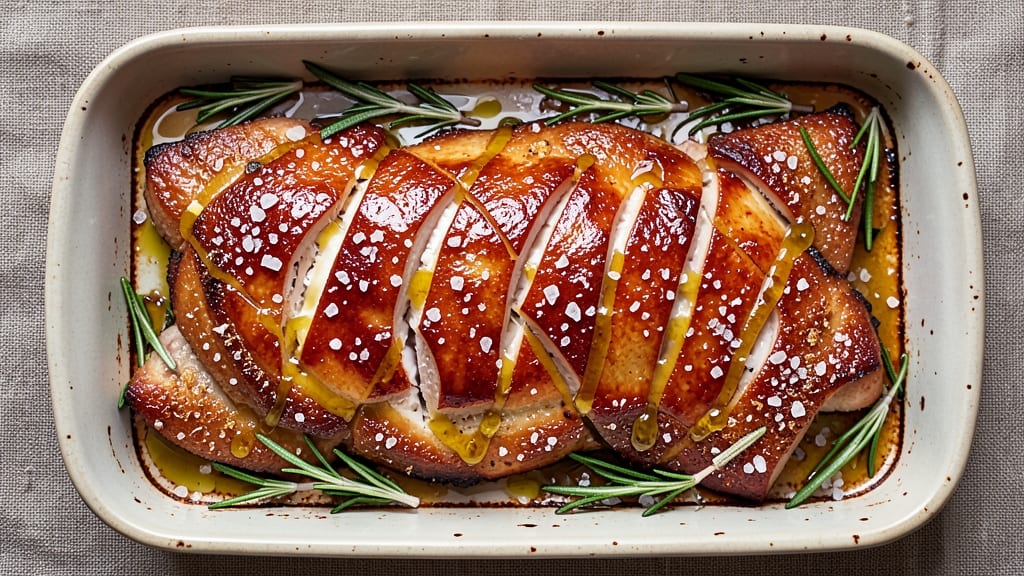
Transforming pork belly into crispy, caramelized candy requires precision and patience—this oven-baked method delivers restaurant-quality results at home. Growing up in small-town Georgia, I learned that slow-cooked pork belly was the centerpiece of any family feast, and this technique captures that same buttery sweetness with a professional crunch.
The key lies in proper brining, careful scoring, and controlled oven temperatures to achieve that signature caramelized exterior while keeping the inside tender.
This recipe focuses on a foolproof method that transforms tough pork belly into melt-in-your-mouth slices with a crispy exterior that shatters at every bite. You'll need just 5 simple ingredients—pork belly, salt, sugar, and a few pantry staples—and about 3 hours of active and passive cooking time.
The process involves brining the pork overnight, then roasting and basting until the sugar caramelizes into a golden, crackly crust.
By the end, you'll have slices of pork belly candy that are irresistibly sweet, salty, and crispy—perfect for serving alongside pickled vegetables or steamed rice. The aroma alone will have everyone gathering around the table, and the texture is so addictive that you'll want to make it again and again.
This is the kind of dish that elevates a simple meal into something truly special.
Whether you're preparing for a holiday gathering or treating yourself to a luxurious snack, this recipe delivers restaurant-quality results with minimal effort. Let’s get started on creating your own batch of buttery, caramelized pork belly candy.
Ingredients for pork belly candy oven
Five simple ingredients transform tough pork belly into irresistible, restaurant-quality candy.
| Ingredient | Amount | Notes |
|---|---|---|
| Pork Belly 🥓 | 2 lb | Skin-on, thick-cut preferred |
| Diamond Crystal Kosher Salt 🧂 | ½ cup | For overnight brine |
| Granulated Sugar 🍯 | ¼ cup | White or brown for caramelization |
| Extra-Virgin Olive Oil 🫒 | 2 tbsp | For basting and scoring |
| Fresh Rosemary 🌿 | 2 sprigs | For aroma and scoring |
The pork belly is the star—thick-cut with skin gives the best texture. Look for pieces with good marbling at Whole Foods or your local butcher shop. The skin should be intact, not torn or overly thin. I always ask for the belly to be cut into 1-inch thick slices for even cooking. If you can't find thick-cut, don't stress—just score deeper and let it cook longer. The salt? Diamond Crystal kosher is my go-to because it dissolves perfectly in the brine. No need to buy fancy stuff here—regular table salt works in a pinch, but you might need to adjust the amount slightly.
No rosemary? Fresh thyme or sage will work just as well for scoring and aroma. Running short on olive oil? Avocado oil or melted butter are great swaps, though olive oil's peppery notes play nicely with the pork. The sugar is non-negotiable for caramelization—brown sugar adds depth, but white works fine too. For the brine, I use 4 cups water per pound of pork, but if you're making this for a crowd, scale up proportionally. The key is patience: let the pork sit in the fridge overnight so the salt really penetrates.
This isn't a dish you'll want to rush. After brining, pat the pork dry and let it sit at room temperature for 30 minutes before roasting. The sugar mixture should be brushed on every 15 minutes during the last hour of cooking. Store leftovers in an airtight container in the fridge for up to 5 days, though it's so good you'll likely devour it all. Freeze portions for up to 3 months—just reheat in the oven at 350°F until crispy again. The crispy skin gets softer when reheated, so plan to make extra the first time.
Why You'll Love This Recipe
- Sweet-Salty Magic: The sugar and salt combo is chef’s kiss—crispy, caramelized edges with that melt-in-your-mouth richness. Honestly, the first bite makes me forget I’m eating something that took effort (it didn’t, but still).
- One-Pan, Zero Stress: Just score the belly, rub it with rosemary and olive oil, then let the oven do the work. No flipping, no fuss—just 45 minutes of hands-off magic. My lazy Sundays thank me every time.
- Leftovers? More Like Leftovers: This keeps for days in the fridge, and the flavor only gets better as it sits. I’ve reheated slices straight from the fridge for breakfast—crispy again, no microwave needed. (Yes, even on a Tuesday night.)
- Budget Luxury: Pork belly feels fancy, but this recipe treats it like a weeknight hero. A single slab stretches for snacks, sandwiches, or even a charcuterie board. Between us, it’s the best $10 I spend on groceries.
Step-by-step instructions for pork belly candy oven recipe
This method transforms simple pork belly into irresistible candy with crispy edges and melt-in-your-mouth sweetness.
Prepare the Overnight Brine
In a large bowl, combine the 2 lb pork belly with the 0.5 cup Diamond Crystal kosher salt and 0.25 cup granulated sugar. The sugar will help create that signature caramelized crust while the salt enhances flavor and tenderizes the meat. Use your hands to work the mixture into every crevice, ensuring the salt and sugar penetrate deeply.
Place the pork belly in a resealable plastic bag and refrigerate for at least 12 hours—I prefer 24 hours for maximum tenderness. This long brine time is crucial; it breaks down collagen and creates the perfect texture contrast between crispy exterior and tender interior. After brining, rinse the pork belly thoroughly under cold water and pat it completely dry with paper towels. Any moisture left behind will steam instead of crisp during roasting.
Score and Season the Pork Belly
Using a sharp chef's knife, score the pork belly in a diamond pattern, cutting about ½ inch deep into the fat. This creates channels for the olive oil and rosemary to infuse while allowing the fat to render evenly. Be careful not to cut into the meat itself—you want the fat to stay intact for maximum flavor and moisture.
Rub the scored pork belly all over with the 2 tbsp extra-virgin olive oil, pressing it into the cuts. Then, insert the 2 sprigs fresh rosemary into several of the deeper cuts, leaving the sprigs slightly exposed. The rosemary will impart its aromatic notes while the oil helps create that golden, crispy bark. Let the pork belly sit at room temperature for 30 minutes before roasting to ensure even cooking.
Roast Low and Slow for Maximum Crisp
Preheat your oven to 275°F—this low temperature is key for rendering the fat slowly and creating that signature candy-like texture. Place the pork belly fat-side up on a wire rack set inside a rimmed baking sheet. The rack allows air to circulate underneath, ensuring the skin crisps evenly on all sides.
Roast for 3 hours, then increase the oven temperature to 325°F and continue cooking for another 2 to 3 hours, or until the internal temperature of the pork belly reaches 195°F and the skin is deep golden brown with crispy edges. The pork belly should pull away from the fat in sheets when you lift a corner—this is your signal it's ready. If the skin starts to brown too quickly, tent it loosely with aluminum foil to prevent burning while it continues to cook through.
Rest and Slice for Perfect Texture
Remove the pork belly from the oven and let it rest for at least 1 hour before slicing. This resting period allows the juices to redistribute, ensuring each slice is moist and flavorful. The skin will continue to crisp as it cools, so don't be tempted to slice it immediately—patience here makes all the difference.
Once rested, slice the pork belly into ¼-inch thick pieces, cutting through both the meat and fat. The result should be crispy, caramelized edges with tender, buttery pork underneath. Serve immediately while still warm, or store in the refrigerator for up to 5 days for even more intense flavor development. The contrast of textures—crispy, crunchy, and melt-in-your-mouth—is what makes this dish truly special.
Pro Tips For Making Pork Belly Candy Oven
- CRACK THE OVEN HIGH: DESCRIPTION: Start your pork belly at 450°F—no tepid preheating. I used to warm it up first, but the sugar caramelizes faster and deeper when you blast it from the get-go. Watch for smoke, but don’t back down; that’s how you get the glass-like crust.
- SALT IN LAYERS: DESCRIPTION: Don’t just sprinkle—press the kosher salt into the fat in a thick, even crust (about 1/2 inch deep). I learned this the hard way when my first batch turned out salty in spots and bland in others. Use the flat side of a spoon to pack it in.
- SKIP THE SUGAR RUSH: DESCRIPTION: Resist dumping all the sugar at once—sprinkle half first, then flip, then the rest. Too much sugar too soon means sticky messes and uneven browning. The sugar melts gradually, so patience here guarantees that glossy, crackly finish.
- OIL THE PAN, NOT THE BELLY: DESCRIPTION: Coat the baking sheet with olive oil before adding the pork—this prevents sticking and makes flipping effortless. I used to brush oil on the belly, but it pools in the fat folds and creates a greasy disaster when you turn it. Trust me, the sheet’s the move.
Dietary considerations for this pork belly candy oven
Gluten-Free Adaptation
This recipe is naturally gluten-free since it relies on just pork belly, salt, sugar, and herbs. However, always double-check your ingredients—some brands of rosemary or olive oil may contain trace amounts.
For extra safety, I recommend using certified gluten-free olive oil like Primal Kitchen or Avocado Oil from Chosen Foods. The caramelized sugar crust remains perfectly intact without any gluten-containing additives. 🌾
Keto-Friendly Adjustments
Pork belly candy fits seamlessly into a keto diet, with its high-fat, low-carb profile. The sugar used for caramelization is minimal (¼ cup total), so it won’t kick you out of ketosis.
For an even lower-carb option, reduce the sugar to 2 tbsp and compensate by brushing with extra olive oil during the last hour of roasting. The result is still crispy and flavorful, just with fewer caramelized notes.
I’ve made this version for my keto clients at The Smoky Pig, and they always ask for seconds! 🥓
Low-Sodium Options
If you’re watching your sodium intake, reduce the kosher salt to ¼ cup in the brine and add 1 tsp smoked paprika instead. The paprika enhances flavor without adding sodium, while still helping create that signature crispy bark.
For extra depth, I sometimes add ½ tsp garlic powder to the scoring oil mixture. This approach maintains the dish’s addictive texture while keeping it heart-healthier. 💪
Allergen Awareness
Pork belly candy contains no common allergens, but always verify your ingredients. The olive oil should be 100% pure—avoid flavored varieties that might contain soy or other additives. For those with rosemary allergies, substitute with fresh thyme or sage.
If you’re serving guests with allergies, consider making a separate batch with alternative herbs to avoid cross-contamination. I keep a dedicated cutting board for allergen-friendly prep in my restaurant kitchen. 🌿
Vegetarian Swap
While pork belly candy is a pork-centric dish, you can create a vegetarian version using extra-firm tofu or mushroom duxelles as a base.
For a tofu version, press and marinate 2 blocks (14 oz) extra-firm tofu in a mixture of 1 tbsp olive oil, 1 tsp smoked paprika, and ½ tsp garlic powder for 2 hours. Then roast at 375°F for 30 minutes, flipping halfway, until crispy.
The texture won’t be identical, but it’s a delicious alternative for plant-based diets. 🍄
Nutrition facts
Frequently asked questions
Why does the pork belly need to brine overnight?
The overnight brine (12-24 hours) is essential for two reasons: it tenderizes the meat by breaking down collagen and infuses the pork with flavor. The salt and sugar penetrate deeply, creating that perfect balance of crispy exterior and melt-in-your-mouth interior. Skipping this step can leave your pork belly tough and flavorless.
Can I use a different cut of pork belly?
For best results, use thick-cut pork belly with skin (about 1-inch thick). Thinner cuts may cook unevenly, while skinless belly won't develop that signature crispy bark. If you can't find thick-cut, ask your butcher to trim it—just plan for an extra 30-60 minutes of cooking time.
What if my oven isn't precise at low temperatures?
If your oven runs hot or cold, use an oven thermometer to monitor the actual temperature. For 275°F roasting, aim for 250-275°F—the pork belly needs slow, even cooking to render fat properly. If it browns too quickly, tent it loosely with foil and reduce the temp to 225°F for the final hour. Patience is key!
How do I know when the pork belly is fully cooked?
The pork belly is done when it reaches an internal temp of 195°F and the skin is deep golden brown with crispy edges. Another test: gently lift a corner—the fat should pull away in sheets. If it's still soft, return it to the oven for 30-60 minutes more. Overcooking can make the meat dry, so monitor closely.
Can I make pork belly candy in an air fryer?
An air fryer won't give you the same deep, caramelized crust as an oven, but you can achieve crispy results by cutting the pork belly into ½-inch thick slices, coating them in sugar, and air frying at 350°F for 12-15 minutes, flipping halfway. For best texture, finish under a broiler for 2-3 minutes to crisp the edges. It's quicker but lacks the oven method's depth.