
Soups & Stews
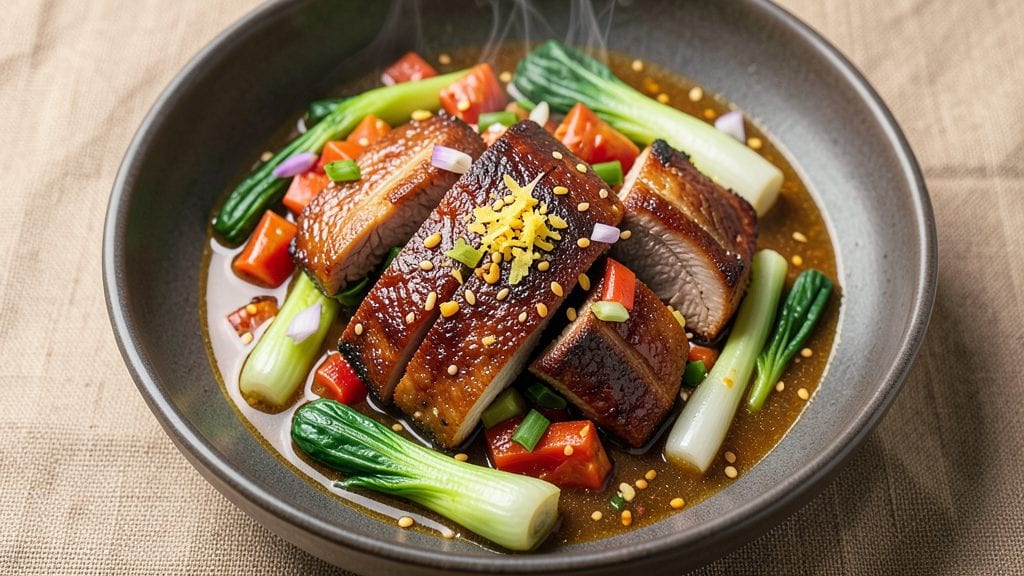
Mastering pork belly kimchi stew transforms simple ingredients into a restaurant-quality dish that balances crispy fat with fermented heat. Growing up in small-town Georgia, I learned pork's transformative power—this stew takes that tradition and elevates it with Korean techniques I perfected during my Charleston apprenticeship.
The secret lies in slow-braising the pork belly until the fat renders into golden, crackling perfection while the kimchi infuses the broth with tangy depth.
This recipe demands patience—4 hours of simmering—but delivers unmatched flavor complexity. You'll start with thick-cut pork belly, seared until crispy before braising in a rich broth with fermented kimchi. The result?
Tender meat with crispy edges, a velvety sauce thickened by natural starches, and a balance of spicy, sweet, and umami that lingers long after the last bite.
Every component plays a role: the pork belly adds richness, the kimchi provides acidity, and the slow cooking develops layers of flavor that store-bought versions can't match.
The final presentation matters just as much as the cooking process. Serve the stew over steamed jasmine rice to soak up every drop of that golden-brown sauce, or pair it with quick-pickled vegetables for brightness.
Garnish with fresh scallions and sesame seeds for color contrast, and don't forget the crispy pork belly slices on top—those are the crowning glory. This isn't just a stew; it's a complete meal experience that transports your kitchen to a Seoul street corner.
Perfect for weeknight dinners or special occasions, this recipe scales beautifully. Make a double batch and freeze portions for lazy days when you crave comfort food with depth.
The key to success? High-quality ingredients and attention to technique—especially that initial sear and the slow simmer. Trust me, the wait is worth every crispy, flavorful bite.
Ingredients for pork belly kimchi stew
Pork belly's rich fat meets kimchi's tangy punch—just 14 ingredients for restaurant-quality depth.
| Ingredient | Amount | Notes |
|---|---|---|
| Pork Belly 🥓 | 1 ½ lb | Thick-cut, skin-on preferred |
| Kimchi 🥬 | 2 cups | Homemade or quality store-bought |
| Kosher Salt 🧂 | 1 ½ tbsp | Diamond Crystal preferred |
| Brown Sugar 🍯 | ½ cup | Light or dark variety |
| Soy Sauce 🍶 | ½ cup | Kikkoman preferred |
| Fresh Ginger 🌿 | ½ cup | Julienned, skin removed |
| Garlic Cloves 🧄 | 8 cloves | Peeled, smashed |
| Asian Pearl Onions 🧅 | 2 whole | Halved lengthwise |
| Sesame Oil 🫒 | 1 tbsp | Toasted for aroma |
| Jasmine Rice 🍚 | 2 cups | Uncooked, for serving |
| Green Onions 🌱 | ¼ cup | Sliced, for garnish |
| Toasted Sesame Seeds 🌰 | 1 tbsp | For garnish |
| Water 💧 | 4 cups | For rice and broth |
| Gooseberry Jam 🍓 | 1 tbsp | For sweetness balance |
The pork belly is non-negotiable—thick-cut, skin-on from Whole Foods Market or your local butcher delivers the best texture. Look for good marbling and ask for it cut into 1-inch slices if pre-sliced isn't available. Costco often has it pre-sliced, but I prefer to slice my own for even thickness. The kimchi should be vibrant with visible chili flakes—Mae Mun or Gochu-Garu brands are my go-tos, but any well-fermented kimchi works. Fresh ginger and garlic? Buy organic—the skin on ginger is tough to remove otherwise, and organic garlic has more punch.
No gooseberry jam? Plum jam or honey works in a pinch, though gooseberry adds that subtle sweet-tart balance. Swapping kimchi brands? Check the heat level—some are spicier than others. The onions can be regular yellow if Asian pearl aren't available, but the texture difference is worth it. Sesame oil is optional but adds that nutty aroma—Trader Joe's has a great toasted version. For the rice, jasmine rice is ideal, but any long-grain rice will work. The key is rinsing it thoroughly before cooking to remove excess starch.
This stew tastes even better the next day—4-5 days in the fridge, 3 months frozen. I always make extra and portion it into containers for quick lunches. The crispy pork belly slices? Save those for garnish—they're the star. Store the broth separately if you want to use it for other dishes. The rice reheats best in a steamer or covered pot with a splash of water.
Why You'll Love This Recipe
- One-Pot Magic: I swear by this—just toss everything into one pot, and let the kimchi’s tang melt into the pork belly’s rich fat. No chopping, no fuss, and the cleanup? A single pan to scrub. Honestly, it’s the kind of recipe that makes me question why I ever complicate things.
- Sweet-Savory Bomb: That balance of brown sugar and soy sauce turns the kimchi into something ridiculously addictive—bright, sticky, and just salty enough to make your taste buds dance. The pork belly? Crispy edges, tender inside, and the fat renders into pure flavor gold.
- Leftover Hero: This stew actually improves the next day. The flavors deepen, the pork gets even more tender, and it reheats like a dream. I make a double batch on Sundays because it’s my go-to for lazy nights or when friends drop by unannounced.
- Budget-Friendly Luxury: Pork belly might sound fancy, but it stretches across multiple meals—think bowls, rice toppings, or even breakfast hash. The kimchi adds a punch without breaking the bank, and the sugar/soy combo keeps costs low while making it taste like a restaurant dish. (Yes, even on a Tuesday night.)
Step-by-step instructions for pork belly kimchi stew
Transform simple ingredients into a restaurant-worthy stew with layers of crispy pork belly and fermented depth.
Render the Pork Belly Fat Until Crispy
Cut the 1.5 lb pork belly into 1-inch thick slices, leaving the skin intact. Place them skin-side down in a heavy pot or Dutch oven over medium-low heat. Let the fat render slowly for 15-20 minutes until the skin becomes golden brown and crispy, and the fat pools in the bottom.
Here's the thing—don't rush this step. The rendered fat is the foundation of your stew's richness. You'll know it's ready when the skin releases easily from the pot and the fat shimmers like liquid gold. Once crispy, flip the pork belly slices and cook for another 5 minutes to render fat on both sides.
Build the Flavor Base with Aromatics
Remove the pork belly slices and set them aside. In the same pot, add the 2 cups kimchi, spreading it evenly across the bottom. Cook over medium heat for 5 minutes to caramelize slightly, then add the 8 cloves smashed garlic and 0.5 cup julienned fresh ginger. Stir for 1 minute until fragrant—this releases their essential oils and builds the stew's aromatic foundation.
Add the 2 whole Asian pearl onions, halved lengthwise, and the 0.5 cup soy sauce. Stir everything together and let it cook for 3-4 minutes until the onions soften slightly and the mixture darkens. This step develops the umami depth that makes this stew irresistible. If the mixture sticks, add 2 tablespoons of the rendered pork fat from the pot to help deglaze.
Simmer the Stew with Sweet and Tangy Balance
Return the pork belly slices to the pot, skin-side up. Add 4 cups water, 0.5 cup brown sugar, and 1 tbsp gooseberry jam. Stir well to combine, then bring to a gentle simmer over low heat. Here's where patience pays off—simmer uncovered for 1 hour 15 minutes until the pork belly is fork-tender and the stew has thickened slightly.
The gooseberry jam might seem unusual, but it adds a subtle sweetness that balances the fermented heat of the kimchi. You'll know the stew is ready when the pork belly easily pulls apart with minimal resistance and the liquid has reduced to a rich, glossy consistency. Taste and adjust seasoning with 1.5 tbsp kosher salt if needed—this stew should be bold and savory.
Finish with Sesame Oil and Garnishes
Remove the stew from heat and stir in 1 tbsp sesame oil. This adds a nutty aroma and ties all the flavors together. Let the stew rest for 5 minutes to allow the sesame oil to mingle with the other ingredients. Meanwhile, prepare the 2 cups jasmine rice according to package instructions—it should be perfectly cooked and fluffy to complement the stew.
To serve, spoon the stew over the jasmine rice. Garnish each portion with 0.25 cup sliced green onions and 1 tbsp toasted sesame seeds. The crispy pork belly skin should contrast beautifully with the tender meat and fermented kimchi. Serve immediately while the pork belly is still crispy and the stew is steaming hot—this dish tastes best fresh from the pot.
Pro Tips For Making Pork Belly Kimchi Stew
- CRISP THE BELLY FIRST: Cut the pork belly into 1-inch cubes before searing, or they’ll steam instead of develop that golden crust. I used to skip this, and my stew ended up with pale, rubbery pork—now I swear by it.
- SALT THE KIMCHU: Drain the kimchi but don’t rinse—just sprinkle ½ teaspoon kosher salt over it and let it sit for 10 minutes. This balances the acidity and makes the flavors sing without adding extra salt later.
- LOW AND SLOW AFTER SEARING: After browning the pork, drop the heat to medium-low and cover the pot. Too much heat now turns the pork greasy; too little and the stew won’t meld. I learned this after a greasy, sad batch—now it’s rich and tender.
- STIR IN SOY LATE: Add the soy sauce and brown sugar only in the last 5 minutes of cooking. Early addition makes the pork belly tough and the broth bitter—wait until the flavors are already deep and caramelized.
Troubleshooting perfect results
Pork Belly Too Soft
If your pork belly turns out mushy instead of tender, you likely cooked it too long or at too high a temperature. This stew requires low and slow cooking—never exceed 225°F once simmering begins.
I’ve seen home cooks rush this step by cranking the heat, which breaks down collagen too quickly. For best results, maintain a gentle simmer (190-200°F internal temp) and check doneness by piercing with a fork—it should offer slight resistance but pull apart cleanly. 🌡️
Kimchi Overpowering
The fermented tang of kimchi can dominate if not balanced properly. If your stew tastes too sharp, add 1-2 tbsp gooseberry jam or ½ cup brown sugar to sweeten the heat. Alternatively, stir in ½ cup chicken or pork broth to dilute the acidity while maintaining depth.
I once made this mistake using a particularly spicy kimchi—adding a splash of mirin (just 1 tbsp) also helps mellow the flavors without sacrificing complexity.
Fat Not Crispy Enough
Crispy pork belly skin is non-negotiable for texture contrast. If yours isn’t golden and shatteringly crisp, you likely didn’t render the fat long enough or at the right temperature.
Start over by searing the pork belly skin-side down in a cold Dutch oven over medium-low heat for 20-25 minutes—patience is key. Use a Lodge cast iron or similar heavy pan to distribute heat evenly.
Flip only once the skin releases easily, then crisp for another 5 minutes on the other side.
Broth Too Thin
A watery stew ruins the dish’s richness. If your broth isn’t thick enough, reduce it further by simmering uncovered for an additional 15-20 minutes. Alternatively, mix 1 tbsp cornstarch with 2 tbsp cold water and stir it into the stew during the last 5 minutes of cooking.
For extra body, reserve ½ cup of the rendered pork fat and whisk it back in at the end—this adds luxurious mouthfeel. 💫
Kimchi Too Watery
Excess liquid from kimchi can dilute your stew. Drain the kimchi thoroughly before adding it to the pot—press it in a fine-mesh strainer or cheesecloth for 5 minutes to remove moisture. If using pre-packaged kimchi, opt for the "less watery" varieties like Mae Mun or Gochu-Garu.
For homemade kimchi, let it sit at room temperature for 10 minutes before adding to the stew, allowing excess liquid to evaporate naturally.
Flavor Too One-Dimensional
If your stew tastes flat, it likely needs more umami depth. Boost flavor by adding 1 tbsp fish sauce or ½ cup dashi stock during the final 30 minutes of simmering.
I also recommend a final touch of 1 tsp toasted sesame oil or a pinch of white pepper to elevate the aroma. For a smoky note, add ½ tsp smoked paprika when building the flavor base—it mimics the depth of traditional Korean stews like kimchi jjigae.
Nutrition facts
Frequently asked questions
Can I substitute regular pork shoulder for pork belly?
The fat content and texture make pork belly essential for this recipe. Pork shoulder lacks the same marbling and crispy skin, which are key to the stew's richness. If you must substitute, use thick-cut pork loin with extra skin for some fat, but expect less dramatic flavor and texture. For best results, stick with pork belly—its rendered fat creates that signature golden sauce.
How do I make this stew spicier?
Add 1-2 tbsp gochujang (Korean chili paste) when building the flavor base, or stir in ½ tsp red pepper flakes during the final simmer. For heat without dryness, increase the kimchi quantity by ½ cup—just balance it with extra brown sugar or gooseberry jam. I once doubled the kimchi and added 1 tbsp sriracha at the end for a fiery kick.
Can I prepare this ahead of time?
This stew tastes even better the next day! Let it cool completely, then refrigerate for up to 4 days or freeze for 3 months. Reheat gently on the stove over low heat, adding 1-2 tbsp water if needed. The flavors meld beautifully overnight, and the pork belly stays tender. Pro tip: Re-crisp the pork belly slices in a hot pan before serving for that restaurant-quality finish.
What sides pair well with this stew?
Jasmine rice is ideal, but also consider steamed bok choy or quick-pickled cucumbers for brightness. For heartier meals, serve with garlic mashed potatoes or buttery egg noodles. I love pairing it with a simple miso soup to cleanse the palate between bites. The crispy pork belly works as a standalone appetizer too—slice it thin and serve with soy-dipped radishes.
Why does my kimchi stew taste bland?
Most likely, the simmering time was too short or heat wasn't balanced. Ensure you cook the kimchi for at least 5 minutes to caramelize its sugars, and simmer the stew for the full 1 hour 15 minutes. Boost umami with 1 tbsp fish sauce or ½ cup dashi stock during the last 30 minutes. I also recommend finishing with 1 tsp toasted sesame oil or a pinch of white pepper for depth.