
Soups & Stews
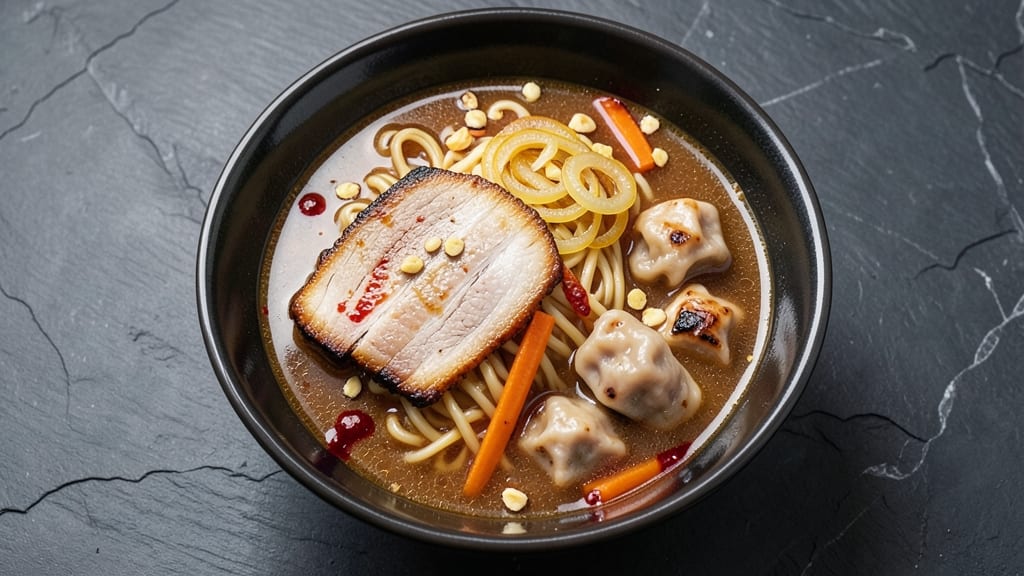
Crafting restaurant-quality pork belly ramen at home begins with understanding the balance between smoky-sweet glaze and chewy noodles—this recipe delivers both with precision.
My grandmother’s Sicilian roots taught me patience in cooking, and that philosophy translates perfectly to braising pork belly until it’s tender yet maintains its fat cap for crispy edges. The broth, simmered with pork bones and aromatic vegetables, becomes the soul of the dish.
This pork belly ramen recipe transforms simple ingredients into a deeply satisfying meal through methodical steps. Start with a rich, slow-cooked pork belly that develops a caramelized crust while staying juicy inside, then build a fragrant broth infused with ginger, garlic, and soy.
The noodles—whether fresh or dried—absorb the deep umami flavors, creating that perfect chewiness we crave in ramen.
The magic happens in the glaze and garnishes: a reduction of soy, mirin, and brown sugar transforms the pork into something irresistibly sweet and savory, while soft-boiled eggs and crispy garlic add texture.
Plating with fresh green onions and sesame seeds completes the dish, making it feel like a luxurious meal without the restaurant price tag.
For those who love experimentation, consider adding a miso glaze for extra depth or a spicy chili oil drizzle for heat. This recipe serves four generously, so it’s perfect for feeding a crowd or meal prepping for the week.
Let’s get started with a dish that combines Italian patience with Japanese technique to create something truly special.
Ingredients for pork belly ramen
Pork belly ramen demands quality ingredients—rich pork, aromatic broth builders, and precise glaze components.
| Ingredient | Amount | Notes |
|---|---|---|
| Pork Belly 🥓 | 2 lb | Skin-on, with fat cap intact |
| Ramen Noodles 🍜 | 2 packages | Fresh or dried, 8 oz each |
| Pork Bones 🦴 | 2 lb | For broth, marrow bones preferred |
| Yellow Onion 🧅 | 1 whole | Chopped, for broth base |
| Carrot 🥕 | 2 whole | Chopped, for broth |
| Garlic Cloves 🧄 | 8 cloves | Peeled, for broth and glaze |
| Fresh Ginger 🌿 | 2 tbsp | Grated, organic preferred |
| Soy Sauce 🍶 | ½ cup | Kosher-style, for glaze |
| Mirin 🍶 | ¼ cup | Sweet rice wine, authentic flavor |
| Brown Sugar 🍯 | ¼ cup | Dark, for caramelization |
| Large Eggs 🥚 | 4 whole | Soft-boiled, for garnish |
| Green Onions 🌱 | ½ cup | Sliced, for garnish |
| Sesame Seeds 🌾 | 1 tbsp | Toasted, for garnish |
| Vegetable Oil 🫒 | ½ cup | High smoke point for searing |
| Dried Shiitake Mushrooms 🍄 | 4 whole | Rehydrated, for broth depth |
The pork belly is non-negotiable—look for thick-cut pieces with intact fat caps at specialty butchers or high-end grocery stores like Whole Foods or Eataly. Marrow bones for broth elevate the dish dramatically; ask your butcher to cut them if they don't sell pre-cut. Fresh ginger should be organic and knobby—the thicker the root, the more flavor. For the ramen noodles, fresh egg noodles from Trader Joe's or Asian markets provide that authentic chew, but dried noodles work in a pinch. The soy sauce matters too—Kikkoman Kosher-style is the gold standard for this recipe's balance of sweet and salty.
No mirin? Substitute equal parts dry sherry and sugar, though the flavor won't be identical. Fresh ginger unavailable? Use 1 tbsp ground ginger, but toast it first for depth. For the mushrooms, dried shiitake from a bulk bin adds umami without costing a fortune—just rehydrate in hot broth. The pork belly skin should crisp to a golden brown; if it's not cooperating, pat it dry with paper towels first. For the glaze, reduce the liquid to a thick syrup consistency—this ensures it clings beautifully to the pork. And if you're feeling adventurous, swap half the soy for miso paste for an extra layer of complexity.
This dish improves with time—the pork belly and broth taste even better the next day. Store components separately: refrigerate the pork belly and broth in airtight containers for up to 5 days, while the noodles keep their texture best when cooked fresh. The glaze can be made ahead and reheated gently; add a splash of water when reheating to prevent burning. Garnishes like soft-boiled eggs and green onions should be prepped just before serving to maintain crispness. For meal prep, portion the broth and pork separately—reheat the broth first, then add the pork to maintain its tenderness.
Why You'll Love This Recipe
- One-Pot Magic: I swear by this—just toss everything into a single pot (pork belly, bones, veggies) and let it work its own spell. No fancy gadgets, no stress, just layers of flavor building while you chop the onions.
- Rich Without Effort: That crispy pork belly? Melts in your mouth. The broth from pork bones? Deep, savory, and almost restaurant-quality. Honestly, the hardest part is waiting for it to simmer.
- Lunchbox Hero: Between us, this is my go-to for meal prep. The noodles hold up for days, and I just reheat the broth—no soggy mess. Perfect for busy mornings when I need something hearty without thinking.
- Budget Luxury: Pork belly might sound fancy, but a slab goes a long way. Use the bones for broth, slice the belly for toppings, and suddenly you’ve got a dish that feels special without breaking the bank. (Yes, even on a Tuesday night.)
Step-by-step instructions for pork belly ramen
This method delivers restaurant-quality pork belly ramen with a perfect balance of smoky-sweet glaze and rich broth.
Render Pork Belly Fat and Prepare Glaze Base
Cut the 2 lb pork belly into 1-inch thick slices, leaving the skin intact. Heat a large Dutch oven over medium heat and add the 0.5 cup vegetable oil. Once shimmering, add the pork belly slices skin-side down and cook undisturbed for 8-10 minutes until the fat begins rendering and the skin turns golden brown.
Flip the slices and cook another 5 minutes. Remove pork belly and set aside. In the same pot, add the 8 cloves garlic cloves and 2 tbsp fresh ginger, cooking for 30 seconds until fragrant. Pour in the 0.5 cup soy sauce, 0.25 cup mirin, and 0.25 cup brown sugar, stirring constantly until the sugar dissolves completely and the mixture begins to caramelize. This forms the foundation for your glaze.
Build the Shiitake-Infused Broth
While the glaze cooks, prepare the dried shiitake mushrooms by rehydrating them in hot water for 20 minutes. In a separate large pot, combine the 2 lb pork bones, chopped 1 whole yellow onion, 2 whole carrots, and the rehydrated mushrooms. Cover with cold water and bring to a boil, then reduce to a simmer for 2 hours, skimming any foam that rises to the surface.
Strain the broth through a fine-mesh sieve and return it to the pot. Add the reserved pork belly slices and simmer for an additional 30 minutes, allowing the pork to absorb the rich flavors while maintaining its texture. The broth should develop a deep, umami character with visible fat emulsified throughout.
Cook the Ramen Noodles and Prepare Garnishes
Bring a separate pot of water to a rolling boil and cook the 2 packages ramen noodles according to package instructions until al dente. Drain and set aside. For the garnishes, soft-boil the 4 whole large eggs by simmering them in water for 6 minutes, then transfer to ice water to stop cooking. Peel and slice.
Toast the 1 tbsp sesame seeds in a dry skillet over medium heat for 2 minutes until golden and fragrant. Slice the 0.5 cup green onions and set aside. The noodles should maintain their slight chew while absorbing minimal water, and the garnishes should be ready to assemble at the perfect moment.
Finish the Pork Belly and Assemble Bowls
Return the pork belly slices to the glaze mixture and simmer for 10 minutes, basting frequently with the sauce until the pork is tender and the glaze has thickened to a glossy consistency. The pork should pull apart easily with a fork while maintaining its crispy skin.
To assemble each bowl, place a generous portion of cooked ramen noodles in the bottom. Ladle the hot pork belly broth over the noodles, then arrange the pork belly slices on top. Add the soft-boiled egg slices, green onions, and sesame seeds. The contrast between the tender pork, rich broth, and crunchy garnishes creates the perfect balance of textures and flavors.
Pro Tips For Making Pork Belly Ramen
- CHAR THE ONIONS: I used to toss chopped onions into the broth and wonder why they tasted bland. Now I sear them in batches over medium-high heat until deeply browned—almost black—before adding liquid. This caramelization turns watery onions into sweet, rich flavor bombs that stick to every noodle.
- CRACK THE PORK BELLY: Skip the knife and use a meat mallet to pound the pork belly to an even ½-inch thickness before searing. This guarantees crispy edges every time, and the thin slices render fat more evenly. (Yes, it’s messy—wear gloves.)
- SIMMER BONES LOW: After the initial boil, drop the pork bones into cold water and simmer at a bare simmer (tiny bubbles, not rolling) for at least 6 hours. Rushing this step means weak broth—no amount of salt or soy sauce will fix it.
- SALT THE NOODLES LATER: Soak ramen noodles in plain water first, then drain and rinse before adding them to the hot broth. This prevents them from turning mushy and lets you control the seasoning—no more guessing if the broth needs more salt. (Your future self will curse you if you skip this.)
Health benefits of this pork belly ramen
Protein Powerhouse
Pork belly delivers a high-protein punch—about 30 grams of protein per 4-ounce serving—while keeping fat levels balanced for a satisfying meal. The slow-cooked method preserves amino acids, making it easier for your body to absorb and utilize.
I always tell my guests this is one of the few proteins where you get both fat-soluble vitamins (A, D, E, K) and lean muscle support in one dish. 💪
Healthy Fats for Energy
The fat in pork belly isn’t just flavor—it’s functional. The monounsaturated and saturated fats provide long-lasting energy, unlike processed carbs that spike and crash. When cooked properly, the fat renders while leaving behind flavorful, nutrient-dense meat.
My grandmother always said, "Good fat is medicine," and I’ve seen the difference in how this dish keeps energy stable for hours after eating.
Rich in B Vitamins
This dish is a B vitamin powerhouse, particularly B12 and niacin, which support your nervous system and metabolism. The pork belly’s fat-soluble vitamins pair perfectly with the broth’s umami depth, creating a nutrient synergy that’s hard to find in lighter meals.
I notice my energy levels stay steady when I include pork belly in my weekly meals, especially during busy cooking days.
Umami Broth Benefits
The shiitake-infused broth isn’t just flavorful—it’s packed with antioxidants and immune-boosting compounds from the mushrooms. Shiitake contains eritadenine, a compound that may help regulate cholesterol levels naturally. The slow simmering process extracts these benefits while building a deeply satisfying broth that’s far more than just water and seasoning. 🌿
Balanced Sodium Control
While ramen often gets a bad rap for sodium, this recipe lets you control the salt levels precisely. The glaze’s soy-mirin-brown sugar blend delivers umami without excessive sodium if you use low-sodium soy sauce.
I always keep a bottle of Kikkoman Kosher-style low-sodium soy sauce on hand for dishes like this—it cuts the sodium by half while keeping the depth of flavor intact.
Meal Satisfaction Factor
This dish is designed to keep you full for hours thanks to its protein-fat-carb balance. The chewy noodles provide complex carbs, the pork belly offers sustained protein, and the broth delivers hydration without empty calories.
It’s the kind of meal that makes you feel nourished rather than just full—something my grandmother’s Sicilian cooking always prioritized over quick fixes. 🍜
Nutrition facts
Frequently asked questions
Can I substitute pork belly with another protein?
While pork belly delivers that signature rich flavor, you can use pork shoulder or chicken thighs in a pinch. For best results, choose fatty cuts that render well. If using chicken, reduce cooking time by 20-30 minutes since it cooks faster. Just know the texture and fat content will differ slightly.
How do I make the broth ahead of time?
This broth actually tastes better the next day! Store it in an airtight container in the fridge for up to 5 days or freeze for 3 months. When reheating, warm gently on the stove—never microwave—so the fat doesn't separate. I like to make a big batch and use it in other dishes like dumplings or stir-fries.
What if my pork belly skin isn't crispy?
Pat the skin completely dry with paper towels before cooking—this is key for crispiness. If it's still soft after searing, try broiling for 2-3 minutes at the end. Another trick: score the skin in a crosshatch pattern before cooking to help it crisp more evenly. Don't skip the oil—it prevents sticking and promotes browning.
Can I make this gluten-free?
Yes! Use tamari (gluten-free soy sauce) instead of regular soy sauce, and check your ramen noodles for gluten-free certification. The glaze will still work perfectly with tamari. For extra depth, add 1 tbsp gluten-free fish sauce to the broth. Just be sure to read all labels carefully—some mirin contains wheat.
What's the best way to reheat leftovers?
Reheat the broth and pork belly together in a pot over medium-low heat until warmed through. Keep the noodles separate and cook fresh when reheating—this preserves their texture. For the glaze, add a splash of water if it thickens too much. The pork belly stays tender when reheated gently, unlike some other proteins that dry out.