
Side Dishes
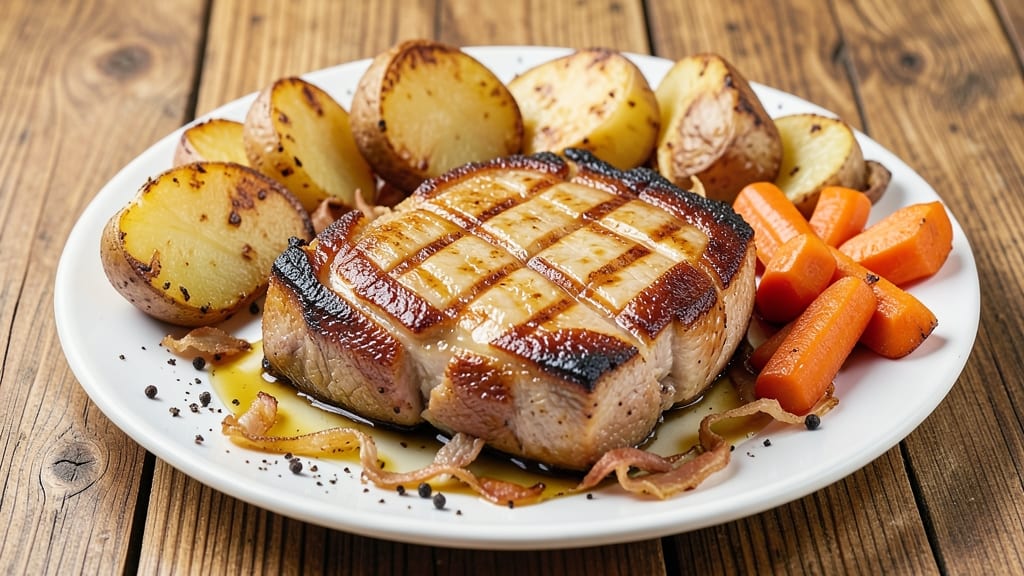
Mastering crispy pork belly with tender potatoes and carrots transforms a simple one-pan meal into a showstopper that tastes like a Sunday supper. Growing up in small-town Georgia, I learned that slow-roasted pork belly—crisped to golden perfection—paired with root vegetables creates a dish that feeds both body and soul.
The secret lies in rendering that fat properly while building layers of flavor through careful seasoning and precise heat control.
This recipe delivers restaurant-quality results without requiring specialized equipment—just a heavy pan or Dutch oven, and about 2 hours of hands-off cooking time. I score the pork belly to render fat evenly, then slow-roast it alongside potatoes and carrots until everything is caramelized and tender.
The potatoes develop a crispy exterior while staying fluffy inside, and the carrots caramelize into sweet, concentrated bites that balance the richness of the pork.
By the time you serve this dish, your kitchen will smell like a Southern kitchen should—smoky, savory, and just slightly sweet. The pork belly arrives with a crackling crust that gives way to melt-in-your-mouth fat and tender meat, while the vegetables add texture and freshness to every bite.
This is the kind of meal that makes weeknights feel special, and it's foolproof once you understand the key techniques.
Serve with a simple green salad or crusty bread to soak up the rendered juices. The leftovers reheat beautifully, making this an ideal dish for meal prep or feeding a crowd.
Let's get started with a method that's been perfected through years of cooking over open flames and in cast iron kitchens.
Ingredients for pork belly with potato and carrots
Four ingredients transform into a Southern-style feast with crispy pork belly and caramelized vegetables.
| Ingredient | Amount | Notes |
|---|---|---|
| Pork Belly 🥓 | 2 lb | Skin scored in diamond pattern |
| Russet Potatoes 🥔 | 2 lb | Cut into 2-inch chunks |
| Carrots 🥕 | 1 ½ lb | Whole, unpeeled, halved lengthwise |
| Extra-Virgin Olive Oil 🫒 | ¼ cup | For scoring and roasting |
| Kosher Salt 🧂 | 2 tbsp | Coarse grain preferred |
| Black Peppercorns 🌶️ | 1 tbsp | Freshly cracked preferred |
| Fresh Thyme Leaves 🌿 | ¼ cup | Or 1 tbsp dried thyme |
| Garlic Cloves 🧄 | 6 cloves | Smashed, not minced |
| Brown Sugar 🍯 | 1 tbsp | Light or dark preferred |
| Apple Cider Vinegar 🍎 | 1 tbsp | For caramelization |
| Smoked Paprika 🌶️ | 1 tsp | For depth of flavor |
| Ground Black Pepper 🌶️ | ½ tsp | Freshly ground |
| Fresh Rosemary 🌿 | 2 sprigs | For aroma, removed before serving |
The pork belly is everything here. Look for thick-cut pieces with good marbling from Whole Foods or local butchers—they'll have the best quality. If you can't find scored belly, use a sharp knife to make shallow cuts in a diamond pattern before cooking. The scoring lets fat render evenly, giving you that perfect crackling crust. I always grab 2 pounds for 4 people, but scale up if feeding a crowd. For storage, keep uncooked belly in the fridge for up to 5 days or freeze for 3 months—just thaw overnight in the fridge before cooking.
No smoked paprika? Regular paprika plus a pinch of liquid smoke works in a pinch. Fresh thyme is ideal, but dried at one-third the amount gets you close. The carrots can be rainbow carrots if you want color variety, but orange carrots caramelize better—they're sweeter. Subbing potatoes? Sweet potatoes or Yukon golds both work, but russets give that crispy exterior. The brown sugar might seem odd, but trust me—it helps the carrots caramelize into sweet, concentrated bites that balance the pork's richness. If you're short on time, baby carrots will work too, but they won't caramelize as beautifully.
This dish reheats like a dream—honestly better the next day as flavors meld. Portion into containers with the crispy pork belly on top for easy lunches. Store leftovers in the fridge for 4-5 days or freeze for 3 months. The rendered pork fat keeps well, so you can even use it later for frying or basting. I always make extra because it's perfect for sandwiches or hash the next day. The vegetables stay tender, but the pork belly's crispiness softens slightly—just reheat in a skillet to restore the crackling if you're feeling fancy.
Why You'll Love This Recipe
- One-Pan Magic: I swear by this—just toss the pork belly, potatoes, and carrots on one sheet pan, drizzle with olive oil, and let the oven do the work. No pots, no pans, no stress.
- Crispy-Creamy Bliss: That pork belly? Golden and crackling on the outside, tender and buttery inside. The potatoes and carrots soak up all the savory goodness, turning into melt-in-your-mouth perfection.
- Meal Prep Hero: Make a big batch on Sunday, and you’ve got dinner covered for the week. The flavors only get better as it sits—reheat and serve, or pack it for lunch (yes, even at work).
- Budget-Friendly Feast: Pork belly stretches further than you’d think, and potatoes and carrots are pantry staples. One cut of meat feeds the whole family, and leftovers taste just as good reheated as they do fresh.
Step-by-step instructions for pork belly, potatoes, and carrots
Here's how to turn simple ingredients into a showstopping one-pan meal with irresistibly crispy pork belly.
Score and Season the Pork Belly
Start by scoring the skin of the 2 lb pork belly in a diamond pattern using a sharp knife. Cut through the fat layer but stop before reaching the meat—this creates crispy pockets while keeping the interior juicy. Real talk: Don't rush this step. The scoring should be about ½-inch apart for even browning.
In a small bowl, mix together the 2 tbsp kosher salt, 1 tbsp black peppercorns (cracked), 1 tsp smoked paprika, and 0.5 tsp ground black pepper. Rub this mixture all over the pork belly, pressing it into the scored skin. Let it sit uncovered on a plate in the refrigerator for at least 1 hour—this helps the seasoning penetrate deeply and the skin crisp up beautifully.
Prep and Toss the Vegetables
Cut the 2 lb russet potatoes into 2-inch chunks and halve the 1.5 lb carrots lengthwise. In a large bowl, combine the potatoes and carrots with the 0.25 cup extra-virgin olive oil, 1 tbsp brown sugar, 1 tbsp apple cider vinegar, and 0.25 cup fresh thyme leaves. Toss everything thoroughly until every piece is well coated and the vegetables glisten slightly from the oil.
Here's the thing—don't skip the vinegar. It's not just for flavor; it helps caramelize the vegetables while they roast, giving them that perfect balance of sweet and tangy. Add the 6 smashed garlic cloves and 2 sprigs fresh rosemary to the bowl and toss again. Let the vegetables sit for 10 minutes while you preheat the oven.
Roast the Vegetables First
Preheat your oven to 425°F and arrange a rack in the middle position. Spread the seasoned vegetables on a single large sheet pan, leaving space between pieces so they roast evenly. Roast for 25 minutes, stirring once halfway through. You'll see the edges starting to brown—that's your signal they're developing flavor.
While the vegetables roast, place the pork belly fat-side down on a separate sheet pan. Roast it for 20 minutes at the same temperature. The fat should render out and the skin begin to crisp. Here's where it gets fun: Flip the pork belly halfway through so it browns evenly on both sides.
Combine and Finish Roasting
After the vegetables have roasted for 25 minutes, remove them from the oven and carefully place the pork belly on top of them. Pour any accumulated juices from the pork belly pan over the vegetables. Return everything to the oven and roast for an additional 30-40 minutes, until the pork belly reaches an internal temperature of 195-203°F and the skin is deep golden brown and crispy.
I know it seems like a long time, but patience is key here. The pork belly needs this time to become tender and the vegetables to fully caramelize. If the vegetables start to brown too quickly, tent them loosely with foil for the last 15 minutes of cooking.
Rest and Serve
Once the pork belly reaches the proper temperature, remove it from the oven and let it rest on a cutting board for 15 minutes before slicing. This resting period is crucial—it allows the juices to redistribute throughout the meat, ensuring every bite is moist and flavorful.
Slice the pork belly into ½-inch thick slices and serve it directly over the roasted potatoes and carrots. Garnish with additional fresh thyme leaves if desired. The result should be a perfect harmony of crispy pork belly, caramelized vegetables, and aromatic herbs that make this dish feel like a restaurant-quality feast.
Pro Tips For Making Pork Belly With Potato And Carrots
- Render First, Then Roast: Skip the urge to toss the pork belly straight into the oven—render the fat first. Cut the belly into 1-inch thick slices, lay them skin-side down in a cold skillet, and cook on medium-low until the fat pools and sizzles (about 10 minutes). This gives you crispy skin and prevents the potatoes from turning soggy when you add them later.
- Par-Cook the Potatoes: Russets can turn mushy if they absorb too much moisture from the pork. Boil them whole in salted water for 8-10 minutes until just fork-tender, then drain and rough up the skins with a knife. This ensures they hold their shape and soak up the pork’s rendered fat instead of turning to mush.
- Salt the Carrots Like Fries: Toss the carrots in olive oil before seasoning, then sprinkle with a full teaspoon of kosher salt per pound—more than you’d use for plain roasting. The salt caramelizes the edges while they cook, giving them that sweet, crispy bite that cuts through the richness of the pork.
- Rest the Meat Under Foil: Once the pork is done, don’t cut into it immediately. Tent it with foil and let it sit for 5-10 minutes—yes, even if you’re starving. This traps the juices so they redistribute instead of pooling out when you slice. (Trust me, your first slice will be greasy if you skip this.)
Wine and beer pairings for this dish
Red Wine Pairings
For this dish, I reach for Pinot Noir from Oregon or Burgundy—its bright acidity and red fruit notes cut through the pork belly's richness without overpowering it.
A glass of 2019 Domaine Drouhin Oregon Pinot Noir (around $30) has just the right balance of earthiness and cherry undertones that complement the caramelized carrots.
If you prefer something lighter, a Gamay from Beaujolais like Domaine Jean-Marc Burgaud offers juicy raspberry flavors that pair beautifully with the crispy pork skin. 🍷
Beer Pairings
A crisp Belgian witbier like Hoegaarden or St. Bernardus Witbier brings refreshing citrus and coriander notes that cleanse your palate between bites. The effervescence helps balance the dish's richness, while the spicy pepper notes echo the smoked paprika in the seasoning.
For a local option, try a Southern-style amber ale from Atlanta's SweetWater Brewing—their 420 Extra Pale Ale has a malty sweetness that complements the caramelized vegetables beautifully. 🍺
Cider Pairings
Don't overlook dry hard cider for this dish—it's a perfect match for the rustic flavors. I love Strongbow Original or Angry Orchard Crisp Apple for their crisp acidity and subtle apple notes that harmonize with the apple cider vinegar in the vegetables.
A dry English cider like Thatchers Vintage adds a touch of earthiness that pairs wonderfully with the pork belly's savory depth. This is my go-to when hosting—it's approachable for everyone at the table. 🍎
White Wine Options
If you prefer white wine, a dry Riesling from Germany or Alsace shows off the dish's caramelized sweetness while maintaining balance. Look for Dr. Loosen Blue Slate Riesling—its mineral notes and slight tartness complement the pork belly's fat beautifully.
For something lighter, a dry Vermentino from Sardinia offers citrus and herbal notes that refresh the palate. I often serve this with a chilled glass when the weather's warm. 🍷
Non-Alcoholic Pairings
For those skipping alcohol, a sparkling rosé spritzer made with LaCroix Raspberry and a splash of San Pellegrino Aranciata offers the same refreshing acidity as wine. For something warmer, try a ginger beer like Feather's Ginger Beer—the spicy kick balances the dish's richness.
I also love serving unsweetened iced tea with lemon for a Southern classic that complements the meal perfectly. 💛
Nutrition facts
Frequently asked questions
Can I use a different cut of pork instead of pork belly?
While pork belly delivers that signature crispy skin, you can substitute with pork shoulder or pork butt for a leaner option. For best results, score the fat cap and render it slowly—just expect less crackling. If using pork tenderloin, skip the scoring and focus on a high-heat sear for crispiness.
How do I get the pork belly skin extra crispy?
Start by scoring the skin in a diamond pattern and patting it completely dry with paper towels. Roast fat-side down at 425°F for 20 minutes before flipping. For maximum crispiness, finish under the broiler for 2-3 minutes while watching closely—it burns fast!
Can I make this dish in a slow cooker?
Not ideal for crispy pork skin, but you can adapt it! Cook the pork belly separately in a skillet until crispy, then transfer it to the slow cooker with the vegetables. Cook on Low for 4-5 hours until tender. The vegetables will be softer but still flavorful. For best results, stick with oven-roasting for that perfect texture.
What if my carrots burn before the pork is done?
Tent the vegetables loosely with foil for the last 15 minutes of cooking to slow browning. Alternatively, remove the carrots 10 minutes early and keep them warm in a separate pan. The pork belly needs that full time to become tender—don't rush it!
How do I reheat leftovers without losing crispiness?
Reheat pork belly slices in a skillet over medium heat for 2-3 minutes per side until crispy again. For vegetables, warm them in the oven at 350°F for 10 minutes with a splash of water to restore moisture. Never microwave—it turns everything soggy!