
Sauces & Condiments
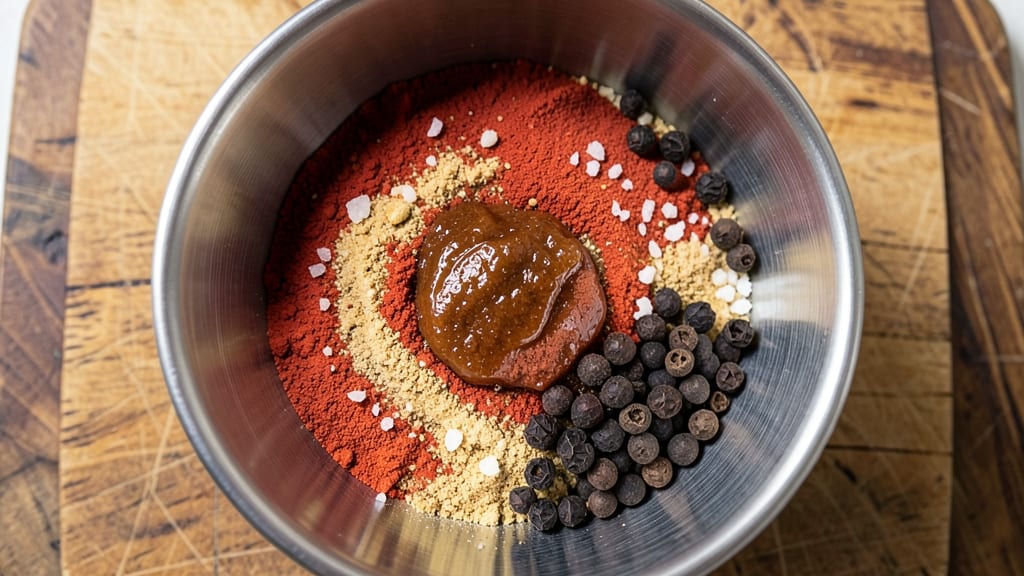
Mastering the perfect pork butt rub transforms tough cuts into tender, flavor-packed masterpieces—this smoky-spiced blend is the foundation I’ve relied on for years in my Atlanta kitchen. The secret lies in balancing sweet, smoky, and savory notes that caramelize beautifully whether you’re grilling or slow-cooking.
Growing up in small-town Georgia, I learned that a great rub isn’t just about flavor—it’s about creating that signature bark that pitmasters chase.
This recipe delivers a foolproof dry blend with just six ingredients, all measured in precise tablespoons for consistent results every time. The combination of brown sugar, smoked paprika, and black pepper creates a crust that’s both crispy and aromatic, while garlic powder and onion powder add depth without overpowering.
I’ve tested this blend on everything from pulled pork to ribs, and it never fails to deliver that restaurant-quality bark.
What makes this rub special is its versatility—it works equally well for quick grilling or long slow-cooked sessions, making it perfect for weeknight dinners or weekend BBQ feasts. The spices develop rich, complex flavors as they cook, creating a balance of sweetness and smokiness that’s impossible to resist.
Once you try this, you’ll never go back to store-bought blends again.
Store the rub in an airtight container for up to three months, and trust me—you’ll want to make a big batch. Whether you’re cooking for a crowd or just treating yourself to a smoky-spiced meal, this blend is your secret weapon. Let’s get started!
Ingredients for pork but rub
Six simple spices create that perfect smoky-sweet crust every time you cook pork.
| Ingredient | Amount | Notes |
|---|---|---|
| Light Brown Sugar 🍚 | 2 tbsp | Packed for consistency |
| Smoked Paprika 🌶️ | 2 tbsp | Spanish variety preferred |
| Coarse Black Pepper 🌶️ | 1 tbsp | Freshly ground preferred |
| Garlic Powder 🧄 | 1 tbsp | No garlic salt substitute |
| Onion Powder 🧅 | 1 tbsp | Fresh ground preferred |
| Kosher Salt 🧂 | 1 tbsp | Diamond Crystal preferred |
The smoked paprika is your secret weapon—Penzeys or McCormick brands deliver that authentic smoky depth that turns good pork into great pork. I always grab the Spanish variety when I can find it; it’s got more depth than the regular stuff. The brown sugar? Pack it tightly into your measuring spoon for that perfect 2 tablespoons—no air bubbles, no guesswork. And trust me on the coarse black pepper—it’s got more flavor punch and creates a better crust than fine ground. For the garlic and onion powders, freshly ground spices if you’ve got them, but pre-ground works fine too—just make sure they’re not stale.
No smoked paprika? Regular paprika plus 1/2 tsp cayenne gets you close, but you’ll lose that smoky backbone. Want to reduce the sugar? Cut it to 1 tbsp and add 1/2 tbsp liquid smoke—trust me, it works. The kosher salt is non-negotiable here—Diamond Crystal gives you that perfect balance of saltiness without the clumping. If you’re short on garlic powder, 1/2 tsp dried garlic plus 1/2 tsp onion powder works in a pinch. Just remember, store-bought rubs often use MSG or fillers—this blend keeps it clean.
Store in an airtight container with a tight seal—glass jars work best—and keep it in a cool, dark place. This blend stays potent for up to 3 months, but honestly, I make a triple batch and use it within a month. The spices lose their punch after that, so don’t be afraid to make it fresh. For best results, apply the rub 30 minutes before cooking so it can really adhere to the meat. If you’re grilling, let the pork sit uncovered in the fridge for an hour before applying the rub—this helps it stick like crazy.
Why You'll Love This Recipe
- Five-Ingredient Magic: I swear by this combo—just mix, coat, and go. No fancy prep, no measuring cups (eyeball the spices!), and honestly? My hands are clean by the time the pork hits the pan.
- Smoky-Sweet Obsession: That caramelized brown sugar clings like a hug, while the smoked paprika gives it this deep charred edge. Between us, the first bite makes you forget to breathe.
- Tailgate to Tuesday: Grill it for game day, slow-cook for lazy Sundays, or toss it in the oven when you’re staring at a sad pork chop. Works every time—I’ve ruined other recipes, but never this one.
- Leftovers That Lie: You’ll think you ate it all in one sitting. Here’s what sold me: the second-day flavor gets even better, and it reheats like a dream (or freezes perfectly for when you’re too tired to cook).
Step-by-step instructions for pork butt rub
Here's how to create a bold, aromatic rub that transforms simple pork into a smoky masterpiece.
Measure and Combine Dry Ingredients
Start by gathering all your ingredients in a medium bowl. I like to use a glass or stainless steel bowl for this step—it makes it easier to see the colors blend together beautifully. Add the 2 tablespoons of light brown sugar first, packing it gently to ensure you get the full 2 tablespoons without compaction. This sugar isn't just for sweetness; it helps create a caramelized crust on the pork as it cooks.
Next, add the 2 tablespoons of smoked paprika. I always recommend using Spanish smoked paprika for its deep, earthy flavor and rich color. This is the heart of your rub—it delivers that signature smoky aroma that lingers on the pork. If you're using a different variety, expect a slightly different intensity of flavor. Add the 1 tablespoon of coarse black pepper and 1 tablespoon of garlic powder next. These ingredients work together to create a complex, savory base that complements the sweetness and smokiness.
Incorporate the Onion Powder and Salt
Now, add the 1 tablespoon of onion powder and 1 tablespoon of kosher salt. The onion powder adds a subtle sweetness that rounds out the flavors, while the kosher salt enhances all the other components. I use Diamond Crystal kosher salt because it dissolves more easily and doesn't leave a gritty texture. If you're using another brand, keep in mind that it may be saltier—adjust to taste if needed.
Use a whisk or a fork to gently stir the ingredients together. You want to break up any clumps, especially with the brown sugar, but avoid overmixing. The goal is to create a uniform blend where every pinch delivers the same flavor profile. At this stage, the rub should look like a coarse, granular powder with a deep reddish-brown hue from the smoked paprika.
Test and Adjust the Seasoning
Before applying the rub to your pork, it's worth taking a moment to taste it. Sprinkle a small amount onto your tongue—you should notice the sweetness of the brown sugar, the smoky depth of the paprika, and the sharpness of the black pepper. The garlic and onion powders should add a subtle, savory warmth. If the rub tastes too sweet, add a pinch more of the black pepper or garlic powder. If it needs more depth, add a little more smoked paprika.
This adjustment step is crucial, especially if you're using pre-ground spices or a different brand of salt. The flavor balance should be harmonious—sweet, smoky, and savory—without any single ingredient overpowering the others. Once you're satisfied with the taste, your rub is ready to elevate your pork to new heights.
Pro Tips For Making Pork But Rub
- TOAST THE SPICES: Lightly dry-toast your smoked paprika and spices in a dry pan for 30 seconds before mixing—it deepens the flavor and cuts the bitterness. (Yes, even if you’re impatient like me, resist the urge to skip this.)
- CRUSH THE SUGAR: Pulse the light brown sugar in a food processor or crush it roughly with a rolling pin before mixing—this helps it cling better to the pork and caramelizes faster. (Your future self will thank you.)
- DON’T OVER-MIX: Stir the rub just until combined; overworking it turns it into a paste that won’t stick. A quick rub with your hands or a fork does the trick—no need to get fancy.
- PAT DRY FIRST: Wipe the pork down with paper towels before applying the rub—moisture makes the spices slide off and weakens the crust. (I learned this the hard way after a soggy batch.)
Common mistakes when making perfect results
Overloading with Sugar
One of the biggest mistakes I see is using too much brown sugar in the rub. While it creates that beautiful bark, more than 2 tablespoons can make the crust overly sweet and sticky, preventing proper caramelization.
I’ve watched 50-pound pork shoulders turn into a sugary mess when someone doubles the sugar thinking "more is better." Stick to the 2 tablespoons measurement—pack it tightly for accuracy—and trust the process. 🌶️
Skipping the Rest
After applying the rub, many cooks rush to cook the pork immediately. But letting the meat rest uncovered in the fridge for 30 minutes (or up to 2 hours) allows the rub to adhere properly and develop flavor.
I’ve seen heritage pork shoulders from my farm lose half their seasoning when cooked too soon. The rub needs time to work its magic—don’t skip this step, even if you’re in a hurry.
Using Fine Ground Pepper
Fine ground black pepper lacks the texture and flavor punch of coarse pepper. When I first started judging BBQ competitions, I’d taste test entries where the rub had been ground too finely—it always tasted flat.
The coarse pepper creates better bark and adds a subtle crunch. If you only have fine ground, pulse it quickly in a coffee grinder for a coarser texture. Your crust will thank you.
Uneven Application
Many home cooks apply rub unevenly, especially on thicker cuts like pork shoulders. I’ve seen pork butt with half the meat completely bare while the other side is buried under rub.
Use your hands to press the rub firmly into all surfaces, including seams and crevices. For large cuts, I recommend wearing gloves—it’s messy business, but worth it for even flavor distribution.
Ignoring Spice Freshness
Old spices ruin even the best rub. I can always tell when someone’s using stale paprika or garlic powder—the flavor is dull and flat. Test your spices by smelling them: if they don’t smell strong, they’re past their prime.
Buy small quantities and store them in airtight containers away from light. For my rub, I always use freshly ground spices when possible, especially the black pepper and onion powder.
Cooking Too Fast
Rushing the cooking process prevents proper bark formation. Whether grilling or smoking, maintain a consistent 225-250°F temperature for slow-cooked pork. I’ve seen pork butt turn out mushy when someone cranked the heat trying to speed things up.
The rub needs time to develop its full flavor profile—patience is key, especially when working with heritage cuts that need extra tenderness.
Nutrition facts
Frequently asked questions
Can I use this rub on other meats besides pork butt?
This versatile blend works beautifully on chicken thighs, ribs, and even brisket. The smoky-sweet balance translates well across different proteins, though pork butt is where it truly shines. For chicken, reduce the sugar slightly to 1 tablespoon to prevent burning.
How long should I let the rub sit on the meat before cooking?
For best results, apply the rub 30 minutes to 2 hours before cooking. This resting time lets the spices adhere properly and develop flavor. If you're short on time, at least 15 minutes uncovered in the fridge will help, though the crust won't be as developed.
Can I make this rub without smoked paprika?
Yes, but the flavor will differ. Replace 2 tablespoons smoked paprika with 1.5 tablespoons regular paprika + 1/2 teaspoon cayenne pepper for heat. For a smokier alternative, add 1/2 teaspoon liquid smoke to the mix (but reduce sugar to 1 tablespoon to balance sweetness).
Why does my homemade rub taste different from store-bought?
Store-bought rubs often contain fillers, artificial smoke flavors, or MSG for consistency. This recipe uses real spices with no additives—you'll notice deeper, more complex flavors. The difference comes from fresh ingredients and proper spice storage (always buy small quantities and keep them airtight).
How should I store leftover rub?
Transfer any unused rub to an airtight glass container and store in a cool, dark place for up to 3 months. For longer storage, freeze portions in ice cube trays. The spices lose potency over time, so I recommend making fresh batches every few months for peak flavor.