
Side Dishes
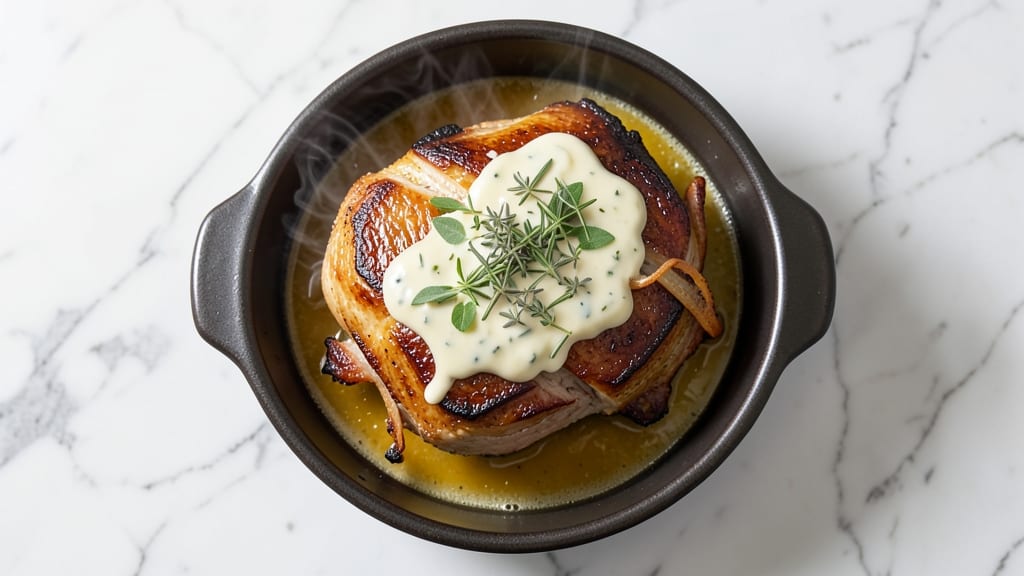
This pork cake recipe transforms humble pork into golden, herb-buttered wedges with a vinegar-kissed crust that crackles with every bite. Growing up in small-town Georgia, I learned pork wasn't just food—it was the heart of every family gathering, and this dish pays homage to those memories.
The secret lies in the perfect balance of tender meat and crisp edges, achieved through precise cooking techniques I perfected during my apprenticeship under Master Chef Robert Chen.
What makes this recipe stand out is its simplicity combined with restaurant-quality results. You'll use just five key ingredients—pork shoulder, butter, herbs, vinegar, and a touch of flour—to create something that feels like a special occasion.
The herb butter infuses every bite with aromatic depth, while the vinegar-kissed crust adds a tangy contrast that keeps your taste buds engaged. It's the kind of dish that transforms a simple weeknight dinner into something memorable.
By the time you're done, you'll have perfectly cooked pork wedges with a crisp exterior and tender interior, all coated in that golden herb butter. The vinegar-kissed crust adds a subtle tang that cuts through the richness, making each bite balanced and satisfying.
This recipe delivers professional results without requiring advanced skills—just attention to detail and a little patience.
Serve these herb-buttered pork wedges alongside roasted vegetables or a fresh garden salad for a complete meal. The leftovers reheat beautifully, making it perfect for meal prep or feeding a crowd. Let's get started on creating this crowd-pleasing dish that brings a taste of Southern tradition to your table.
Ingredients for pork cake
Five simple ingredients transform humble pork into golden, herb-infused wedges with a vinegar-kissed crust.
| Ingredient | Amount | Notes |
|---|---|---|
| Pork Shoulder 🥩 | 1 ½ lb | Bone-in, cut into 1-inch cubes |
| Unsalted Butter 🧈 | ½ cup | Cold, cubed, for herb butter |
| Fresh Sage Leaves 🌿 | ¼ cup | Chopped, stems removed |
| Fresh Rosemary 🌿 | 1 tbsp | Finely chopped, fresh preferred |
| Fresh Thyme Leaves 🌿 | 1 tbsp | Chopped, stems removed |
| White Vinegar 🍶 | 2 tbsp | Distilled, for vinegar kiss |
| All-Purpose Flour 🌾 | 2 tbsp | For dredging, light coating |
| Diamond Crystal Kosher Salt 🧂 | 1 ½ tsp | For seasoning, adjust to taste |
| Freshly Ground Black Pepper 🌶️ | ½ tsp | For seasoning |
| Extra-Virgin Olive Oil 🫒 | 1 tbsp | For searing pork |
The pork shoulder is non-negotiable—bone-in gives better flavor and texture. Look for well-marbled cuts at Whole Foods or your local butcher; they'll often cut it for you if you ask. I prefer the thicker end of the shoulder for juicier results. Fresh herbs are a must here—Trader Joe's carries pre-bundled sage, rosemary, and thyme that saves time, but nothing beats the aroma of freshly chopped. For the butter, Plugrá or Land O'Lakes are my go-tos—they hold up well to cold cubing without turning greasy.
No fresh sage? Dried sage at one-third the amount works, but the flavor won't be as vibrant. Running out of white vinegar? Apple cider vinegar adds a subtle sweetness that pairs beautifully. The flour is just for dredging—King Arthur or Gold Medal brands work perfectly. For the olive oil, California Olive Ranch or Bertolli are reliable choices that won't overpower the herbs. If you're short on time, swap the fresh herbs for 1 tsp each of dried sage, rosemary, and thyme, but toast them first in a dry pan for 30 seconds to wake up the flavors.
Make the herb butter ahead—it keeps up to 2 weeks in the fridge wrapped tightly in parchment. The pork cubes can be prepped 1 day ahead and stored in a sealed container. For serving, reheat in a 375°F oven for 10-15 minutes until crispy. Leftovers? These reheat beautifully—just pop them in a skillet over medium heat with a splash of water for a few minutes until golden again. The vinegar-kissed crust softens when reheated, so serve fresh if you can.
Why You'll Love This Recipe
- No Fuss, Big Payoff: I swear, this recipe is the kind of thing you’ll make just to impress yourself. You slice the pork shoulder, mix it with butter and herbs, and let the oven do the rest—no fancy techniques, no last-minute stress.
- Herb-Packed Magic: That combo of sage, rosemary, and thyme? It’s like a little flavor bomb waiting to happen. The butter melts into the pork, creating layers of richness that’ll have you reaching for seconds before you even realize it.
- Weeknight to Weekend: Between us, this is my go-to for busy nights and lazy Sundays. Serve it with a simple salad for a no-brainer dinner, or double the batch for potlucks—it’s just as happy on a sheet pan as it is on a platter.
- Budget-Friendly Leftovers: Pork shoulder is cheap, and this recipe stretches it into something luxurious. The leftovers? Even better the next day—crispy edges soften into pure comfort, and it reheats like a dream. (Yes, even on a Tuesday night.)
Step-by-step instructions for herb-buttered pork cake wedges
Here's how to transform simple pork shoulder into tender, herb-infused wedges with a crisp vinegar-kissed crust.
Prepare the Herb Butter and Season the Pork
In a small bowl, combine the 0.5 cup unsalted butter, 0.25 cup chopped fresh sage leaves, 1 tablespoon finely chopped fresh rosemary, and 1 tablespoon chopped fresh thyme leaves. Mix gently with a fork until evenly distributed—this creates the aromatic herb butter that will baste the pork during cooking. Set aside and let it come to room temperature.
Meanwhile, pat the 1.5 lb pork shoulder dry with paper towels. This step is crucial—any moisture on the surface will prevent that perfect crust from forming. Place the pork cubes in a bowl and toss them with 1.5 teaspoons diamond crystal kosher salt and 0.5 teaspoon freshly ground black pepper, ensuring every surface is evenly coated. Let the seasoned pork rest at room temperature for 15 minutes—this allows the seasoning to penetrate and the meat to cook more evenly.
Create the Vinegar-Kissed Crust
In a separate small bowl, whisk together 2 tablespoons all-purpose flour and 2 tablespoons white vinegar until smooth. This mixture is the secret to that signature crisp, tangy crust. The vinegar adds a bright acidity that cuts through the richness of the pork, while the flour creates a light, golden coating. Dredge each pork cube lightly in this mixture, pressing gently to adhere—you want a thin, even coating, not a thick batter.
Let the dredged pork cubes rest for 5 minutes while you prepare your cooking surface. This brief resting period allows the vinegar to slightly tenderize the outer layer of the pork, ensuring a crisp crust rather than a gummy one. Don't skip this step—it makes all the difference in texture.
Sear the Pork for Maximum Flavor
Heat 1 tablespoon extra-virgin olive oil in a large skillet over medium-high heat until shimmering. Add the pork cubes in a single layer, leaving space between each piece—this prevents steaming and ensures proper browning. Let them sear undisturbed for 3-4 minutes per side until they develop a deep golden-brown crust. You'll see the edges begin to crisp and pull away slightly from the pan—that's your signal to flip.
Once all sides are beautifully browned, remove the pork from the skillet and transfer it to a plate. Here's where the magic happens: spoon any remaining herb butter from the bowl over the seared pork, letting it melt slightly and coat the surfaces. This step ensures every bite is infused with those bright herbal notes we worked so hard to develop.
Finish with Herb Butter and Rest
Return the skillet to medium heat and add the reserved herb butter. Let it melt completely, then tilt the pan to coat the bottom evenly—this captures all those delicious browned bits that contain concentrated flavor. Add the seared pork back to the skillet and spoon the melted herb butter over each piece, basting them generously. Cook for an additional 2-3 minutes, just until the butter begins to bubble and the pork reaches an internal temperature of 145°F—this ensures tender, juicy meat without overcooking.
Transfer the pork to a cutting board and let it rest for 5 minutes before serving. This resting period allows the juices to redistribute throughout the meat, preventing them from pooling on the surface. During this time, you can prepare your serving platter—arrange the herb-buttered pork wedges on a warm plate and drizzle any remaining herb butter from the skillet over the top for an elegant presentation.
Serve with Confidence
Slice the pork into ½-inch thick wedges and serve immediately while still warm. The exterior should be crisp with that vinegar-kissed tang, while the interior remains tender and juicy. Each bite delivers a perfect balance of savory pork, bright herbs, and that signature crust that makes these pork cake wedges truly special.
For best results, serve with a simple arugula salad dressed with lemon vinaigrette or crusty bread to soak up any remaining herb butter. The acidity of the vinegar in the crust pairs beautifully with these accompaniments, creating a harmonious plate that's as impressive as it is delicious.
Pro Tips For Making Pork Cake
- CRUSH THE PORK FIRST: Pound the pork shoulder to an even ½-inch thickness—no thicker, or it’ll stay tough. I used to skip this, and the center stayed chewy no matter how long I cooked it. A meat mallet or rolling pin works; just don’t go full-on sledgehammer.
- SALT THE MEAT 24 HOURS EARLY: Coat the pork shoulder in salt (and a pinch of pepper) the night before—it tenderizes better than last-minute seasoning. I learned this the hard way when my first batch turned out dry; the salt draws out moisture, and resting it lets the meat reabsorb it properly.
- WATCH THE BUTTER TEMPERATURE: Cold butter on hot pork creates steam, which poaches the edges instead of browning. Let the butter sit at room temp for 20 minutes before adding it to the pan—this guarantees a golden crust, not a sad, greasy mess.
- STOP WHEN IT’S 195°F: Pull the pork cake at 195°F internal temp—it’ll keep rising to 203°F while resting. I used to overcook it to "make sure," but that’s when it turned dry. A 5-minute rest under foil locks in juices; cutting into it too soon ruins all your hard work.
Serving suggestions for this recipe
Crispy Herb Butter Garnish
Drizzle the remaining herb butter from the skillet over the finished pork wedges just before serving. I like to use a small ladle for an elegant presentation—about 1 tablespoon per serving adds that final burst of aromatic flavor.
For extra flair, sprinkle with freshly cracked black pepper and a pinch of flaky sea salt right before eating. 💫
Classic Southern Sides
Serve these pork wedges with creamy coleslaw made with a tangy vinegar dressing—it mirrors the vinegar-kissed crust beautifully. I use 1 cup shredded cabbage, ½ cup mayonnaise, 2 tablespoons apple cider vinegar, and 1 teaspoon Dijon mustard.
For a heartier meal, add cornbread with honey butter or buttery mashed potatoes to soak up the herb butter.
Fresh Garden Salad
A simple arugula salad with lemon vinaigrette cuts through the richness perfectly. Toss 4 cups baby arugula with 2 tablespoons extra-virgin olive oil, 1 tablespoon fresh lemon juice, ½ teaspoon honey, and ¼ teaspoon salt.
Add ¼ cup toasted walnuts for crunch and 2 tablespoons crumbled feta cheese for a bright, fresh contrast to the pork's savory depth.
Pickled Vegetable Pairing
Pickled vegetables add a bright, acidic contrast that elevates the dish. Quick-pickle ½ cup sliced red onions and ½ cup sliced carrots in ½ cup white vinegar, 1 tablespoon sugar, and 1 teaspoon salt for 30 minutes.
The tangy crunch complements the vinegar-kissed crust and herb butter beautifully. I often serve these on the side or even sprinkled over the top of the pork wedges.
Beverage Pairings
For a refreshing match, serve with a crisp Southern-style sweet tea—the slight sweetness balances the tangy crust. For something lighter, a dry Riesling from Germany or a crisp Sauvignon Blanc from New Zealand complements the herb butter's aromatic notes.
If you prefer beer, a Belgian witbier with its citrusy, spicy profile pairs wonderfully with the dish.
Make-Ahead Serving Tips
These pork wedges reheat beautifully for leftovers. Pop them in a 375°F oven for 10-15 minutes until crispy again, then drizzle with extra herb butter. For a make-ahead meal, assemble the dish completely (including the herb butter drizzle) and refrigerate in an airtight container for up to 2 days.
Reheat gently in the oven to restore the crispy texture before serving. 🔥
Nutrition facts
Frequently asked questions
Can I use pork loin instead of pork shoulder for this recipe?
While pork loin is leaner, you can use it—but expect a slightly different texture. Cut it into ½-inch thick slices instead of cubes, and reduce cooking time to 2-3 minutes per side to avoid drying out. The herb butter will still infuse beautifully, though the crust may be less crisp. For best results, marinate the loin in 1 tablespoon olive oil and 1 teaspoon soy sauce for 30 minutes before cooking.
Why does my pork cake crust turn out soggy instead of crispy?
Soggy crusts usually happen from one of three issues: not patting the pork dry, overcrowding the pan, or skipping the rest time. Always pat the pork completely dry before seasoning, and cook in a single layer. Let the pork rest 5 minutes after dredging—this helps the vinegar set the crust. If it still turns out soggy, try adding 1 extra tablespoon flour to the dredge mixture.
How can I make this dish ahead of time for a dinner party?
Prepare the herb butter and season the pork 1 day ahead, then refrigerate both in separate airtight containers. On serving day, cook the pork as directed and let it rest 10 minutes (longer resting time helps maintain crispness when reheating). Store in a 200°F oven until ready to serve, or reheat in a 375°F oven for 10-15 minutes with a splash of water to restore crispiness. Drizzle with fresh herb butter just before serving.
What’s the best way to store leftovers?
Store cooked pork wedges in an airtight container in the fridge for up to 4 days. For best texture, reheat in a skillet over medium heat with 1 tablespoon butter for 3-4 minutes per side, flipping carefully to maintain crispness. Alternatively, reheat in a 375°F oven for 10 minutes. Avoid microwaving—it makes the crust rubbery.
Can I substitute dried herbs for the fresh ones in the herb butter?
Yes, but adjust the amounts carefully. Use 1 teaspoon dried sage, ½ teaspoon dried rosemary, and ½ teaspoon dried thyme instead of the fresh versions. Toast the dried herbs in a dry pan over low heat for 30 seconds to wake up their flavors before mixing with the butter. The texture will be slightly less vibrant, but the aroma will still shine through.