
Main Courses
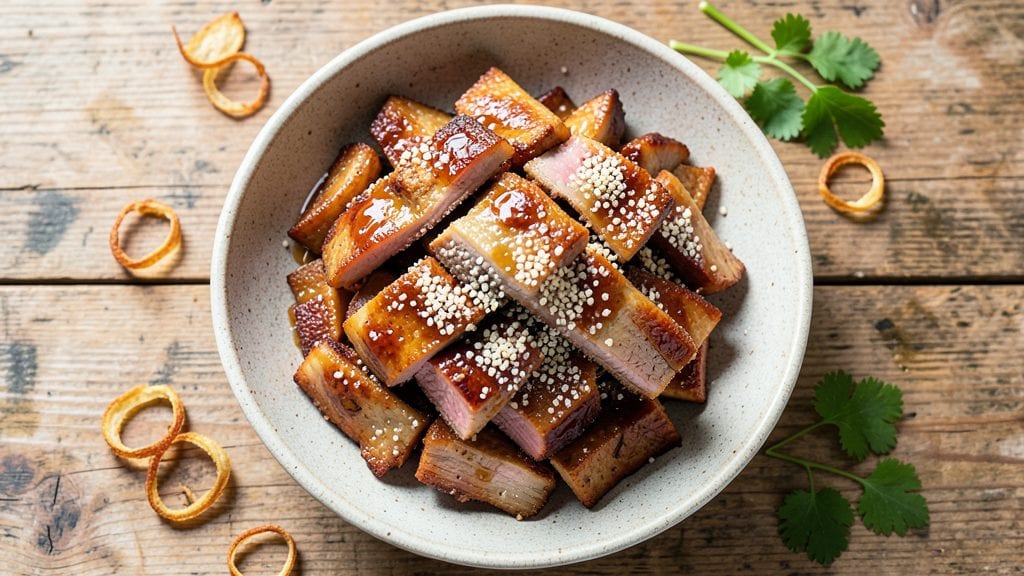
Transforming pork into crispy, vinegar-kissed chips is a game-changer for anyone craving restaurant-style crunch without the fuss. Growing up in small-town Georgia, I learned that pork could be transformed into something extraordinary with just the right technique—and this recipe delivers that same magic at home.
The secret lies in the cornmeal batter, which creates an irresistible crunch while the vinegar marinade adds a bright, tangy zing that cuts through the richness.
This method is designed to be foolproof, whether you're using a deep fryer or baking in the oven for a lighter version. The key is thin, even slices of pork shoulder—no thicker than ⅛-inch—and a batter that clings perfectly without being soggy.
I’ve perfected this over years of cooking for crowds at The Smoky Pig, where crispy textures and bold flavors are non-negotiable. The result? Chips that are crispy enough to stand up to dipping sauces but tender enough to melt in your mouth.
What makes these pork chips truly special is their versatility. Serve them as a snack with spicy mayo or tangy salsa, or pile them onto tacos and salads for added texture. The vinegar-kissed marinade ensures every bite is bright and addictive, while the cornmeal batter guarantees that signature crunch.
This isn’t just a side dish—it’s a centerpiece that elevates any meal. Let’s get started on creating your own batch of crispy, vinegar-kissed perfection.
For those who love regional twists, this recipe adapts beautifully to styles like Korean dakgangjeong or Mexican chicharrón—just adjust the marinade and seasoning to suit your taste. The beauty of pork chips lies in their simplicity and adaptability, making them a must-try for anyone who appreciates bold, crispy flavors.
Whether you’re feeding a crowd or treating yourself, these chips are worth every bite.
Ingredients for pork chip
Pork shoulder, vinegar, cornmeal—just three key ingredients for restaurant-style crunch at home.
| Ingredient | Amount | Notes |
|---|---|---|
| Pork Shoulder 🥓 | 1 ½ lb | Thinly sliced, ⅛-inch thick |
| White Vinegar 🍶 | ½ cup | Distilled, not apple cider |
| Granulated Sugar 🍚 | 2 tbsp | Light brown preferred |
| Salt 🧂 | 1 tbsp | Kosher or sea salt |
| Ground Black Pepper 🌶️ | ½ tsp | Freshly cracked |
| Cornmeal 🌾 | 1 cup | Fine grind, not coarse |
| All-Purpose Flour 🌾 | ½ cup | For batter consistency |
| Large Eggs 🥚 | 1 whole | Room temperature |
| Vegetable Oil 🫒 | 4 cups | For frying, or substitute canola |
| Garlic Powder 🧄 | 1 tsp | Not garlic salt |
| Smoked Paprika 🌶️ | ½ tsp | For smoky depth |
| Lemon Pepper Seasoning 🍋 | ½ tsp | Optional, for extra zing |
| Vegetable Oil Spray 🫒 | 1 tbsp | For baking alternative |
The pork shoulder is non-negotiable—look for well-marbled cuts at your butcher or grocery store's meat counter. Costco or Trader Joe's often have pre-sliced pork for convenience, but if you're slicing yourself, use a sharp knife and slice against the grain for tenderness. Thin slices (⅛-inch) are critical—they fry faster and stay crispier. For extra flavor, I like to marinate the pork in the vinegar mixture for at least 30 minutes before battering, but overnight works too if you're planning ahead. The cornmeal? Bob's Red Mill fine grind is my go-to—it gives that perfect crunch without being too heavy.
No white vinegar? Apple cider vinegar works too, though it'll have a slightly fruity note. Running short on cornmeal? Substitute half with all-purpose flour, but the texture won't be quite as crispy. The batter needs to be thick but pourable—if it's too stiff, add a splash of water. For baking instead of frying, spray the oven rack with oil first to prevent sticking. The smoked paprika adds depth, but if you don't have it, regular paprika with a pinch of cayenne gives similar warmth. And trust me, room-temperature eggs blend into the batter way smoother than cold ones.
Fry in batches—overcrowding drops the oil temperature and makes the chips soggy. 350°F is ideal for deep frying, but if you're baking, 425°F for 15-20 minutes works great. Drain on a wire rack (not paper towels) to keep them crispy. These stay fresh for 3-4 days in an airtight container, but honestly? They disappear faster than that. Freeze extras on a tray first, then transfer to a bag—they reheat beautifully in the oven at 375°F for 5-7 minutes. Double the batch if you're feeding a crowd—trust me, you'll want seconds.
Why You'll Love This Recipe
- Five-Ingredient Magic: I swear by this combo—just pork, vinegar, sugar, salt, and pepper. That’s it. The vinegar’s tang and sugar’s caramelization turn tough shoulder into something crispy and addictive without extra fuss.
- Crispy Yet Simple: No fancy marinades or hours of prep. Thin slices of pork shoulder hit the pan, get a quick toss in that vinegar-sugar mix, and boom—crunchy perfection in under 15 minutes. (Yes, even on a Tuesday night.)
- Game for Any Occasion: Serve these as a snack with beer, a side for tacos, or even tossed in salads for protein punch. They’re my go-to for game day, lazy weekends, or when I need a quick bite that feels special.
- Budget Crunch: Pork shoulder is cheap, and this recipe stretches it far. A pound feeds four, and leftovers? Reheat them in the oven for seconds that taste just as good. (Between us, I’ve eaten them cold straight from the fridge—no judgment.)
Step-by-step instructions for pork chips recipe
Here's how to transform simple pork shoulder into addictively crispy pork chips with a tangy vinegar kick.
Prepare the Vinegar Marinade
In a medium bowl, whisk together the 0.5 cup white vinegar, 2 tablespoons granulated sugar, 1 tablespoon salt, 0.5 teaspoon ground black pepper, 1 teaspoon garlic powder, and 0.5 teaspoon smoked paprika. This marinade does double duty—tenderizing the pork while adding that signature tangy crunch. Let the mixture sit for 5 minutes until the sugar dissolves completely.
Place the 1.5 lb pork shoulder in a resealable plastic bag and pour the marinade over it. Seal the bag and massage the marinade into the meat, ensuring every slice gets coated. Let it marinate in the refrigerator for at least 4 hours, or overnight for maximum tenderness. The acid in the vinegar will break down the muscle fibers, creating those perfect crispy layers.
Create the Cornmeal Batter
In a separate shallow dish, combine the 1 cup cornmeal, 0.5 cup all-purpose flour, and 0.5 teaspoon lemon pepper seasoning. This dry mixture will give your pork chips that signature crunchy texture. Gently stir the ingredients together—don't overmix, or you'll develop gluten and lose that crispy quality.
In another bowl, beat the 1 whole large egg until just combined. You're not making an omelet here—just enough to lightly coat the pork slices. The egg will help the cornmeal batter adhere while adding a subtle richness that balances the vinegar's tang.
Slice and Coat the Pork
Remove the pork from the marinade and pat it very dry with paper towels—this is crucial for crispy chips. Using a sharp knife, slice the pork shoulder into ⅛-inch thick pieces against the grain. The thinner the slices, the crispier they'll be. Arrange the slices on a wire rack set over a baking sheet to keep them from sticking together.
Working in batches, dip each pork slice into the beaten egg, letting any excess drip off. Then press it firmly into the cornmeal mixture, coating both sides completely. The cornmeal should stick to the pork like armor—this is what creates that satisfying crunch when you bite into them. Place the coated slices on the prepared wire rack.
Choose Your Cooking Method
For the crispiest results, I recommend deep-frying—but if you prefer a lighter option, you can bake them. To deep-fry, heat 4 cups vegetable oil in a deep skillet to 350°F. Fry the pork chips in batches for 2-3 minutes per side until they're golden brown and crispy. They'll float when they're ready—this is your signal to remove them. Drain on a wire rack to keep them extra crispy.
For the baked version, lightly spray both sides of the coated pork with 1 tablespoon vegetable oil spray and bake at 425°F for 12-15 minutes, flipping halfway through. The oven should be preheated and the pork should be arranged on a second wire rack for even air circulation. You'll know they're done when they're deep golden brown and the internal temperature reaches 160°F.
Serve Immediately for Maximum Crunch
Serve the pork chips immediately while they're still piping hot and crispy. The contrast between the crunchy exterior and tender interior is what makes these so addictive. Arrange them on a platter and sprinkle with an extra pinch of salt if desired—though they should already be perfectly seasoned.
For the ultimate experience, pair them with your favorite dipping sauce—spicy mayo, tangy sriracha aioli, or even just extra marinade work perfectly. The chips will stay crispy for about 10 minutes before they start to soften, so don't make them all at once if you're serving a crowd. Enjoy while they're hot!
Pro Tips For Making Pork Chip
- CUT SHOULDER INTO EVEN STRIPS: The vinegar-sugar marinade works best when every strip gets equal exposure. Use a sharp knife and slice against the grain into ¼-inch thick pieces—thinner than you’d think. Uneven thickness means some parts will overcook while others stay chewy.
- MARINATE 2 HOURS MINIMUM: I used to rush this step, thinking overnight was better. Wrong. Two hours lets the vinegar tenderize and the sugar start caramelizing on the surface—key for that crispy bite. Cover and refrigerate, but don’t skip the acid time.
- DRY STRIPS THOROUGHLY BEFORE FRYING: Wet pork chips steam instead of crisp. Pat them dry with paper towels, then let them air-dry on a wire rack for 10 minutes. Trust me, the difference in crunch is night and day—no one wants soggy pork chips.
- USE A THERMOMETER FOR CRISPY PERFECTION: Frying at 350°F (175°C) is the sweet spot, but pork chips need to hit 160°F (71°C) internally. Overcrowding the fryer drops the temp and makes them greasy. Fry in batches—smaller batches mean better texture every time.
Troubleshooting great pork chip
Oil Too Hot?
If your pork chips turn greasy instead of crispy, your oil temperature is likely too high. I’ve seen this happen when using a home fryer without a proper thermometer—always maintain 350°F using a candy or deep-fry thermometer.
If the oil smokes excessively, turn the heat down immediately and let it settle for 2-3 minutes before continuing. For extra insurance, I keep a bowl of ice water nearby to quickly cool any hot oil splatters. 🌡️
Batter Not Sticking
If the cornmeal batter falls off during frying, your pork slices weren’t dry enough. Pat them with paper towels until completely dry—any moisture creates a barrier between the meat and batter. Another common issue is using cold pork straight from the fridge.
Let slices sit at room temperature for 15-20 minutes before coating. For stubborn adhesion, add 1 tablespoon cornstarch to your batter to improve grip. 💡
Soggy Texture
Overcrowding the fryer or stacking chips too high on the rack causes steam buildup, leading to soggy results. Fry in batches of 4-5 slices at a time and space them evenly on a wire rack.
If baking, ensure your oven rack is positioned in the middle of the oven for even heat circulation. I’ve also found that draining chips on a rack instead of paper towels preserves crispiness for 10-15 extra minutes. ❄️
Uneven Cooking
Thicker slices in the middle of the batch take longer to cook, creating inconsistent doneness. Always slice pork to exactly ⅛-inch thickness using a meat slicer or sharp knife. For stubborn thick spots, trim with kitchen shears before coating.
If using an oven, rotate the baking sheet halfway through cooking to ensure even browning. My Lodge cast iron skillet helps maintain consistent heat when frying. 🔥
Marinade Not Penetrating
If your pork tastes bland after marinating, the acid didn’t distribute properly. Massage the marinade directly into the meat using your hands or a fork—don’t just pour it over. For extra penetration, pierce thicker slices with a fork before marinating.
I also recommend using a vacuum sealer if available, as it forces the marinade deep into the fibers. Never skip the 4-hour minimum marinating time—this is non-negotiable for flavor. 🥓
Freezer Burn Issues
When reheating frozen pork chips, they often lose crispiness due to ice crystals. Freeze chips on a tray first (not stacked) to prevent clumping, then transfer to a ziplock freezer bag with all air removed. For reheating, use the oven at 375°F for 5-7 minutes—never the microwave.
Spritz with a tiny bit of oil before reheating to restore crispiness. I’ve had success with a Nesco brand popcorn maker set to high heat for 3-4 minutes. 💫
Nutrition facts
Frequently asked questions about crispy pork chips
Can I use pork tenderloin instead of pork shoulder?
Pork tenderloin works but requires extra care—it's leaner and more delicate. Slice it ⅛-inch thick and marinate for no longer than 2 hours to prevent drying out. The texture will be slightly less forgiving when frying, so monitor closely for 1-2 minutes per side at 350°F. For best results, stick with pork shoulder for that classic crispy texture.
How do I make these pork chips air fryer-friendly?
Lightly spray the coated pork slices with 1 teaspoon oil and air fry at 380°F for 6-8 minutes, shaking the basket halfway. Start with 4-5 slices at a time to avoid overcrowding. The air fryer won't get quite as crispy as deep-frying, but you'll still get a satisfying crunch. For extra crispiness, broil for 1-2 minutes at the end.
What's the best way to store leftover pork chips?
Keep them crispy by storing in an airtight container with a paper towel layer between slices. They'll stay fresh for 3-4 days at room temperature. For longer storage, freeze on a tray first (to prevent sticking), then transfer to a bag. Reheat in the oven at 375°F for 5-7 minutes—never microwave!
Can I make these pork chips gluten-free?
Swap the all-purpose flour for 1 cup gluten-free flour blend and use ¼ cup cornstarch instead of cornmeal for binding. The batter will be slightly more delicate, so handle gently when coating. For extra crispiness, add 1 tablespoon arrowroot powder to the dry mix.
What's the secret to getting that perfect vinegar tang?
The marinade needs time to work its magic—never skip the 4-hour minimum (overnight is ideal). Use distilled white vinegar for the cleanest tang, and balance it with 2 tablespoons sugar to prevent over-acidity. For extra depth, add ½ teaspoon onion powder to the marinade. The sugar also helps caramelize during cooking, creating that addictive flavor.