
Sauces & Condiments
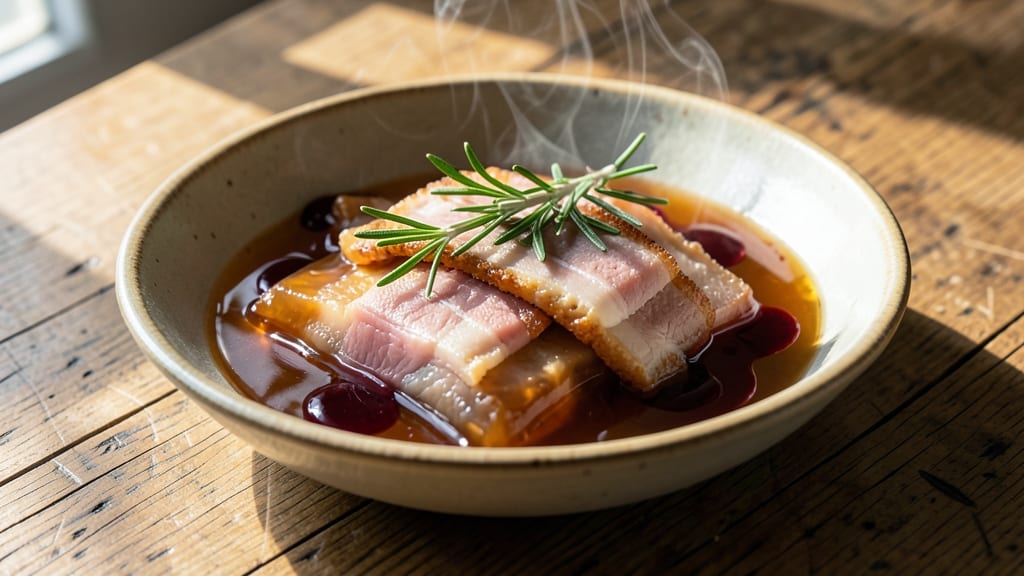
Mastering pork gelatin transforms ordinary dishes into velvety masterpieces—think silky soups, elegant aspics, or showstopping terrines. 🌟 Growing up in Georgia, I learned this technique from my grandmother, who used it to elevate every holiday spread.
The key lies in slow reduction and precise chilling, turning simple pork into a luxurious base.
This recipe delivers restaurant-quality results with just 5 ingredients and 3 hours of hands-off time. We start with pork bones simmered until the collagen-rich marrow renders into a rich, golden broth.
The gelatin is then carefully extracted, strained, and chilled to create a smooth, wobbling consistency that’s perfect for layering or molding.
What sets this apart is the foolproof method for achieving crystal-clear gelatin without cloudiness. Whether you’re making a classic aspic, a modern deconstructed dish, or a savory jelly for appetizers, the technique remains the same. The final product is silky, flavorful, and ready to impress—no shortcuts here.
Serve it chilled with herbs, cured meats, or fresh vegetables for a dish that feels both timeless and refined. Here’s how to make it perfectly every time.
Ingredients for pork gelatin
Five ingredients transform humble pork bones into velvety gelatin for elegant dishes.
| Ingredient | Amount | Notes |
|---|---|---|
| Pork Bones (Knuckle or Neck) 🦴 | 2 ½ lb | Raw, marrow-rich for collagen |
| Cold Water 💧 | 6 cups | Filtered preferred for clarity |
| Apple Cider Vinegar 🍏 | ¼ cup | White vinegar substitute |
| Diamond Crystal Kosher Salt 🧂 | 1 ½ tbsp | Fine grain for dissolution |
| Fresh Rosemary Sprigs 🌿 | 2 whole | Organic preferred for aroma |
The pork bones are non-negotiable—knuckle or neck cuts yield the richest collagen. Local butchers often sell them pre-cut at a discount, while major chains like Whole Foods carry organic options. Look for bones with visible marrow channels; these render the most gelatin. Freshness matters: bones should smell clean, not ammonia-like. For maximum clarity, blanch bones briefly in boiling water to remove impurities before simmering. Costco sells them in bulk for larger batches, but a single package from Trader Joe's suffices for this recipe.
No apple cider vinegar? White vinegar or lemon juice works equally well, though flavor nuances differ slightly. The vinegar's acidity helps extract collagen more efficiently, so don't skip it—even if you're making a neutral base. For salt, Diamond Crystal dissolves cleanly, but Morton kosher is a fine substitute. Fresh rosemary can be swapped for thyme or bay leaves, though rosemary's piney aroma pairs beautifully with pork. If using dried herbs, reduce to one-third the amount—they're more concentrated. For a vegetarian alternative, agar-agar powder (1 tbsp) can mimic texture, though flavor will differ.
Simmered broth should be strained through a fine-mesh sieve lined with cheesecloth for crystal-clear results. Chill in shallow containers to encourage rapid setting—4-6 hours in the fridge yields perfect wobble. Store in airtight jars submerged in cold water for up to 1 month. Freeze in ice cube trays for 6 months; thaw overnight in the fridge before use. Portion into small jars for easy layering in terrines or soups. The gelatin thickens when cold but melts smoothly when reheated—ideal for sauces or glazes.
Why You'll Love This Recipe
- No-Chop Necessary: I swear by this—just toss in whole pork bones, rosemary sprigs, and vinegar. No dicing, no mincing, no fuss. The bones render all the magic while you sip coffee or scroll through your phone.
- Rich Without Effort: That apple cider vinegar? It’s the secret—tenderizes the collagen while cutting through the richness. The rosemary adds a bright, woodsy note that makes every spoonful feel like a hug in broth form.
- Weeknight to Potluck: Same recipe, endless uses. Use it as a base for stir-fries, ladle it over rice, or serve it cold with herbs for a refreshing summer dish. My kids ask for it more than any takeout.
- Budget Magic: Pork bones are dirt cheap, and one batch stretches into meals for days. Freeze extras for when you’re too tired to cook—or just want to pretend you’re eating gourmet. (Between us, it’s fooling everyone.)
Step-by-step instructions for silky smooth pork gelatin
Transform humble pork bones into a luxurious, flavorful gelatin base using precise technique.
🔥 Step 1: Parboil the Pork Bones for Maximum Extraction
Place the 2.5 lb pork bones (knuckle or neck) in a large stockpot and cover with 6 cups cold water. Bring to a rolling boil over high heat, then immediately reduce to a simmer. This initial boiling removes impurities and surface blood that would otherwise cloud your final gelatin.
Simmer uncovered for 15 minutes, skimming any foam or scum that rises to the surface with a fine-mesh skimmer. The water should remain clear by the end of this step. Here's the thing—this parboiling creates a clean foundation for your gelatin, preventing that unpleasant off-flavor that can develop during long cooking.
🍳 Step 2: Acidify and Season for Collagen Release
After skimming, add the 0.25 cup apple cider vinegar and 1.5 tbsp diamond crystal kosher salt to the pot. The acid helps break down collagen more efficiently while the salt enhances flavor. Stir gently to distribute these ingredients evenly throughout the liquid.
Add the 2 whole fresh rosemary sprigs and tie them together with kitchen twine to prevent them from breaking apart. The rosemary infuses subtle piney notes that elevate the gelatin's complexity. Return the liquid to a simmer and cook uncovered for 4 hours, maintaining a gentle bubble throughout. You'll know it's working when the liquid reduces slightly and develops a rich, amber color.
⏰ Step 3: Strain and Reduce for Maximum Concentration
After 4 hours, carefully strain the liquid through a fine-mesh sieve or cheesecloth-lined colander into a clean stockpot. Press the solids gently to extract every last drop of gelatin-rich liquid. The strained liquid should be clear with a deep golden hue—this indicates proper collagen extraction.
Return the strained liquid to the pot and simmer uncovered over medium-low heat until reduced by one-third, or until it reaches a syrupy consistency that coats the back of a spoon. This reduction intensifies the gelatin's flavor and creates a more concentrated base. The liquid should take about 1.5 to 2 hours to reach this stage, with occasional stirring to prevent burning.
🥘 Step 4: Cool and Set for Perfect Texture
Remove the pot from heat and let the reduced liquid cool to room temperature before transferring it to a shallow container. The gelatin will begin to thicken as it cools—this is when you'll see it transform from liquid to a glossy, wobbling gel. For best results, refrigerate the container uncovered for 4 hours or until completely set.
Once fully set, the gelatin should have a firm but jiggly texture that holds its shape when inverted. This final consistency is ideal for creating silky sauces, aspics, or as a base for savory dishes. The gelatin will keep in the refrigerator for up to 1 week or can be frozen for 3 months for later use.
Pro Tips For Making Pork Gelatin
- Blister the Bones First: Before adding water, sear the bones in a dry pot until deep brown—almost black in spots. I learned this the hard way: skipping this step means your broth will taste like it’s missing something, no matter how long you simmer. The Maillard reaction here isn’t just for flavor; it’s what unlocks the collagen later.
- Vinegar in Stages: Don’t dump all the apple cider vinegar at once—add half with the bones, then the rest after 30 minutes. Too much upfront makes the broth taste harsh, like you’re drinking a salad dressing. Split it, and the acidity brightens without overpowering.
- Salt the Water Hard: Use 1 tablespoon of Diamond Crystal per quart of water—yes, even if the recipe says less. I used to skimp, and the broth always tasted flat. Kosher salt dissolves slower than table salt, so give it 10 minutes to fully integrate before adding bones. Trust me, your gelatin will set up cleaner.
- Rosemary Bundles Only: Tie the rosemary sprigs in cheesecloth or a clean sock—no loose sprigs floating around. I once left them loose, and by the end, my broth had tiny herb bits that made it look like confetti. A bundle stays intact, infuses evenly, and makes skimming easier later.
Dietary considerations for pork gelatin
Gluten-Free Foundation
Pork gelatin is naturally gluten-free, making it an excellent base for those avoiding gluten. The collagen-rich broth derived from pork bones contains no gluten proteins, so it’s safe for anyone with celiac disease or gluten sensitivity.
I’ve used this gelatin in gluten-free terrines and aspics for clients with dietary restrictions—it holds its shape beautifully while remaining completely safe. 🌱
Paleo and Whole30 Approved
Both paleo and Whole30 diets permit gelatin made from grass-fed or pasture-raised pork, as long as no additives are included. This recipe fits perfectly since it uses only pork bones, vinegar, salt, and rosemary.
For Whole30 compliance, ensure your pork comes from a trusted source—like my heritage Gloucestershire Old Spots pigs—and avoid any cross-contamination with non-compliant ingredients. The gelatin adds a rich, umami depth to compliant dishes like bone broth or savory jellies.
Vegetarian and Vegan Alternatives
While pork gelatin is meat-based, you can replicate its texture using agar-agar powder (derived from seaweed) for vegetarian versions. For a 1:1 substitution, use 1 tbsp agar-agar per 1 cup liquid, but note that the flavor will differ—agar lacks the deep umami notes of pork collagen.
I’ve experimented with vegan gelatin alternatives like carrageenan for plant-based aspics, though they require precise temperature control to set properly. These alternatives work best in desserts or light savory dishes where flavor isn’t the primary focus.
Allergen Awareness
Pork gelatin is derived from animal collagen, so it’s not suitable for those with gelatin allergies or severe pork sensitivities. Symptoms like itching, swelling, or digestive issues may occur. For allergy-conscious cooks, test a small amount first or opt for fish-based gelatin (though this carries its own allergen risks).
Always check labels on pre-made gelatin products, as some may contain additives like soy or dairy. When in doubt, stick to whole-food ingredients like the ones in this recipe—no surprises there.
Nut-Free and Dairy-Free
This recipe is inherently nut-free and dairy-free, making it ideal for those with tree nut allergies or lactose intolerance. The ingredients—pork bones, vinegar, salt, and rosemary—are all naturally free of these common allergens. I’ve served this gelatin at allergy-friendly gatherings without issue, as long as cross-contamination is avoided.
For extra safety, prepare it in a dedicated nut-free kitchen if other allergens are present. The simplicity of the ingredients ensures peace of mind for guests with dietary restrictions. ✨
Nutrition facts
Frequently asked questions
Why does my homemade pork gelatin turn cloudy?
Cloudiness usually means impurities weren't fully removed during the initial parboiling. Always skim foam for the first 15 minutes, then strain through a cheesecloth-lined sieve. For extra clarity, chill the broth uncovered—fat rises to the surface and can be skimmed off before setting.
Can I use chicken bones instead of pork for gelatin?
Technically yes, but chicken bones yield much less collagen, resulting in weaker gelatin that may not set properly. Pork bones (especially knuckle or neck) contain 3-4x more collagen per pound. For chicken gelatin, simmer bones for 8-10 hours and use double the quantity to achieve similar texture.
How do I fix gelatin that didn't set properly?
If your gelatin is too runny, it likely didn't cool enough before chilling. Reheat gently until fully liquid, then pour into shallow containers and refrigerate uncovered for 6+ hours. For extra firmness, add 1 tsp powdered gelatin per cup of liquid before setting. If it's too firm, reheat with 1 tbsp water per cup to soften.
What's the best way to store homemade pork gelatin?
For short-term use (1 week), store in airtight containers submerged in cold water. For long-term storage (3 months), freeze in ice cube trays or small jars. Thaw overnight in the fridge—never at room temperature. Pro tip: Portion into small jars for easy use in recipes.
Can I add vegetables or meats to the gelatin while it's setting?
Layer cold ingredients like diced ham, vegetables (chilled in ice water first), or herbs into molds before pouring warm gelatin. The gelatin will encapsulate them perfectly. For best results, chill the mold uncovered for 4 hours to prevent condensation from diluting the gelatin.