
Main Courses
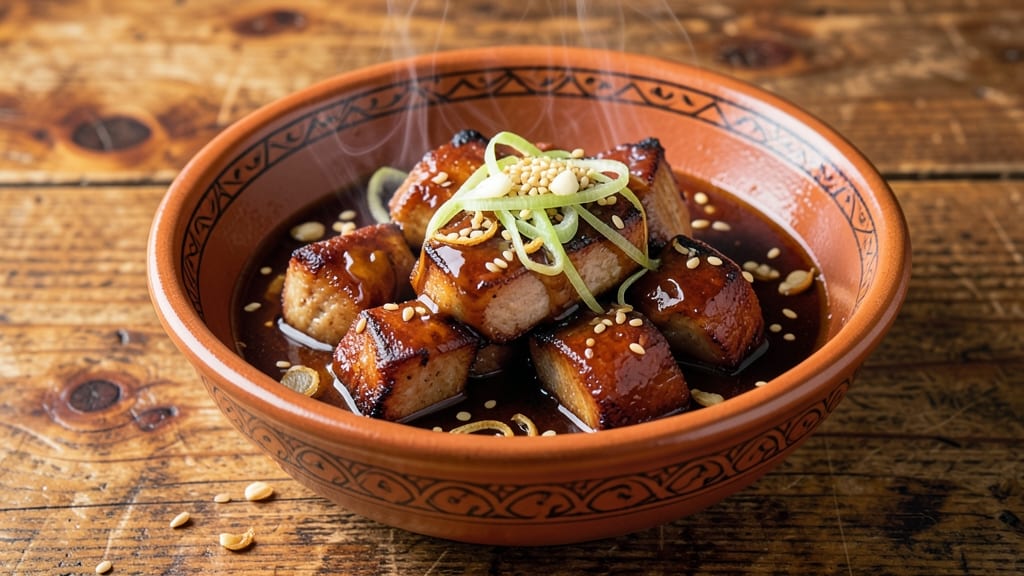
Mastering Filipino-style pork heart transforms a humble cut into melt-in-your-mouth tenderness through a simple yet transformative adobo braise. Growing up in small-town Georgia, I learned how pork's versatility could stretch across meals—this technique proves that principle with every bite.
The secret lies in the soy-vinegar marinade, which tenderizes while building complex, savory depth.
This recipe delivers restaurant-quality results with just five core ingredients and 30 minutes of active prep. The pork heart simmers in a balanced mix of soy sauce, vinegar, garlic, and ginger—traditional Filipino flavors that cut through richness while preserving natural sweetness.
Unlike other cuts, pork heart benefits from this slow braise, emerging fork-tender with a glossy, caramelized exterior.
What you'll achieve is a dish that's equally at home on a weeknight table or holiday spread—tender enough to shred, aromatic enough to fill a room, and versatile enough to pair with steamed rice, pickled vegetables, or even crispy garlic fried rice.
The vinegar's tang cuts through the meat's richness, while the soy adds umami depth that lingers.
Filipino cuisine builds flavor through layering, and this recipe demonstrates that principle perfectly. The braising liquid reduces into a sticky glaze that coats each bite, while the garlic-ginger aromatics infuse the meat itself.
For those new to pork heart, don't let the name intimidate—this method makes it approachable, delicious, and impossible to resist.
Ingredients for pork heart filipino
Five ingredients transform humble pork heart into restaurant-quality Filipino adobo tenderness.
| Ingredient | Amount | Notes |
|---|---|---|
| Pork Heart 🥩 | 1 ½ lb | Whole, trimmed of excess fat |
| Cane Vinegar 💧 | ½ cup | White vinegar substitute if unavailable |
| Soy Sauce 🍶 | ½ cup | Light or dark preferred |
| Garlic Cloves 🧄 | 6 cloves | Fresh, peeled, lightly crushed |
| Fresh Ginger 🌿 | 2 tbsp | Finely grated, aromatic |
| Brown Sugar 🍯 | 2 tbsp | Light or dark, for balance |
| Bay Leaves 🍃 | 2 whole | Dried, for depth of flavor |
| Black Peppercorns 🌶️ | 1 tsp | Crushed, for subtle heat |
| Olive Oil 🫒 | 2 tbsp | For searing pork heart |
| Diamond Crystal Kosher Salt 🧂 | 1 ½ tsp | For seasoning and brining |
| Green Onions 🧅 | 4 whole | Sliced, for garnish |
The pork heart is the star—look for cuts with good marbling to ensure tenderness. Most butchers carry it fresh or frozen, though specialty Asian markets like H Mart or 99 Ranch often have it pre-cleaned and ready to cook. If you're unsure about the cut, ask for 'pork heart' specifically; it's distinct from other offal. The vinegar should be cane vinegar for authenticity, but white vinegar works in a pinch. Soy sauce selection matters too: light soy for subtlety or dark soy for richer color—both deliver umami depth. Fresh ginger and garlic should be vibrant, with no signs of drying or sprouting.
No cane vinegar? White vinegar or apple cider vinegar both work, though cane adds a cleaner acidity. Swapping soy sauce for coconut aminos reduces sodium but sacrifices some depth. If you're avoiding sugar, omit the brown sugar entirely—the vinegar and soy already provide enough complexity. For the garlic and ginger, pasteurized versions can be used if fresh isn't available, though texture will differ slightly. The bay leaves are non-negotiable—they infuse the braise with earthy notes that elevate the dish. If you can't find Diamond Crystal salt, Morton kosher salt is a direct substitute, though measurements may vary slightly due to grain size.
Pork heart braises beautifully, so prep ahead whenever possible. The marinade keeps for 5 days in the fridge, though flavor deepens after 24 hours. For long-term storage, freeze the braised pork heart in portions for up to 3 months. Reheat gently in the braising liquid to maintain moisture. The finished dish pairs perfectly with steamed jasmine rice—cook extra rice as it absorbs the flavorful juices beautifully. Garnish with green onions just before serving to preserve their brightness.
Why You'll Love This Recipe
- Five-Ingredient Magic: The pantry already has these—soy sauce, vinegar, garlic—plus a trip to the butcher’s for the heart. That’s it. No fancy prep, no hidden steps. Just slice, simmer, and let the flavors do the work.
- Tangy-Savory Balance: That cane vinegar cut? It’s the star. Sharp enough to wake up the pork’s richness, but balanced by ginger’s warmth and garlic’s punch. Every bite has this bright, almost umami pop—like a wake-up call for your taste buds.
- Leftover Reinvention: Cold pork heart? Still amazing. Toss it in rice bowls the next day, chop it for sinigang, or serve it over garlic fried rice. Honestly, I’ve eaten it three ways in a week and never gotten tired of it.
- Budget Powerhouse: Pork heart is cheaper than pork chops, but it delivers like a steak. A single cut feeds four, stretches over meals, and costs half what you’d pay for regular cuts. My wallet and my family win.
Step-by-step instructions for adobo-braised pork heart
Transform tough pork heart into melt-in-your-mouth tenderness using this precise Filipino braising technique.
Prepare and Sear the Pork Heart
Begin by trimming any remaining fat from the 1.5 lb pork heart and slicing it into 1-inch thick cubes. This size ensures even cooking and maximum tenderness. In a heavy Dutch oven, heat 2 tablespoons olive oil over medium-high heat until shimmering but not smoking.
Working in batches to avoid overcrowding, sear the pork heart cubes for 3-4 minutes per side until they develop a deep golden-brown crust. This initial sear locks in juices and builds foundational flavor. Press down gently on each cube during searing to prevent curling, which ensures even contact with the pan. Remove the seared pork and set aside temporarily.
Build the Adobo Braising Liquid
In the same Dutch oven, reduce heat to medium and add the 6 cloves garlic cloves and 2 tablespoons finely grated fresh ginger. Sauté for 1-2 minutes until the garlic turns golden and becomes fragrant—this prevents bitterness and deepens the flavor profile. Add the 2 whole bay leaves and toast them briefly for 30 seconds to release their aromatic oils.
Pour in the 0.5 cup cane vinegar and 0.5 cup soy sauce, scraping up any browned bits from the bottom of the pot. Bring to a gentle simmer for 3 minutes to allow the vinegar to mellow slightly and the soy sauce to concentrate. This step creates the balanced tangy-savory foundation of the adobo sauce. Stir in the 2 tablespoons brown sugar and 1 teaspoon crushed black peppercorns, letting it dissolve completely.
Braise Until Fork-Tender
Return the seared pork heart to the Dutch oven and pour in just enough water to cover the meat by ½ inch—approximately 1 cup. Add 1.5 teaspoons diamond crystal kosher salt and bring to a gentle boil. Once boiling, reduce heat to low and cover tightly with a lid. Here's the critical part: braise for 1 hour 45 minutes until the pork heart is fork-tender with no resistance.
Check for doneness by piercing the largest cube with a fork—it should slide in easily and the meat should pull apart cleanly. If the liquid reduces too quickly, add ¼ cup hot water periodically to maintain moisture. The pork heart should be submerged but not swimming in liquid; this balance ensures proper braising without steaming.
Finish and Garnish
Once the pork heart reaches perfect tenderness, remove the lid and increase heat to medium to reduce the braising liquid by half, concentrating the flavors. This should take about 10 minutes—watch carefully to prevent burning. The sauce should coat the back of a spoon with a glossy, syrupy consistency.
Discard the bay leaves and stir in the sliced 4 whole green onions, allowing them to wilt slightly in the hot liquid. Taste and adjust seasoning if needed, though the balance of vinegar, soy sauce, and sugar should be harmonious. Serve the pork heart immediately, ladling generous amounts of the adobo sauce over each portion for maximum flavor impact.
Pro Tips For Making Pork Heart Filipino
- Slice Thin, Cook Fast: Pork heart’s dense texture needs a knife—slice it ¼-inch thick against the grain, or it’ll stay chewy even after simmering. I used to overlook this, and the result was always tougher than it should’ve been.
- Vinegar First, Not Last: Add cane vinegar before the soy sauce—this stops the pork from curdling and lets the acid tenderize while you sear. I learned this the hard way after ending up with a weird, grainy texture in my first batch.
- Don’t Crowd the Pan: Sear pork heart in a single layer over medium-high heat—if you pile it, the garlic and ginger will steam instead of crisp. Trust me, the difference in flavor is night and day.
- Save Time with Pre-Minced: Skip chopping garlic and ginger by using pre-minced versions (just drain excess liquid). It cuts prep by half without sacrificing flavor—my lazy Sundays now taste just as good as my meticulous weekdays.
Serving suggestions for leftovers
Rice Pairings
Filipino cuisine revolves around rice, and this braised pork heart deserves the same treatment. Serve over steamed jasmine rice—its delicate floral aroma complements the rich, tangy adobo sauce beautifully.
For extra flair, cook the rice in the same pot used for braising after removing the pork, allowing it to absorb the leftover flavorful juices. I often make double the rice because it soaks up the sauce like a sponge. 🍚
Pickled Vegetables
Add a refreshing contrast with atchara (Filipino carrot pickles) or quick-pickled cucumbers and onions. The bright acidity cuts through the pork's richness, balancing the dish perfectly.
For a shortcut, mix 1 cup thinly sliced cucumbers, ½ cup sliced red onions, and ¼ cup rice vinegar with 1 tsp sugar. Let sit for 30 minutes before serving. This adds color and texture that elevates the plate.
Garlic Fried Rice
Transform leftover rice into garlic fried rice for a heartier option. Sauté 3 minced garlic cloves in 2 tbsp oil until fragrant, then add 2 cups cooked rice, 1 egg, and 2 tbsp soy sauce.
Stir-fry until crispy, then fold in the pork heart and its sauce. Top with 2 tbsp chopped green onions and a sprinkle of crushed chili flakes for heat. This turns leftovers into a satisfying meal. 🌶️
Steamed Greens
Round out the meal with steamed bok choy or garlic spinach. The mild bitterness of greens balances the pork's richness while keeping the dish light. Toss 4 cups baby bok choy with 1 tbsp minced garlic and 1 tsp soy sauce before steaming for 3-4 minutes.
Serve alongside the pork heart for a complete, balanced plate.
Crispy Side Dishes
Add texture with crispy garlic fried shallots or tortilla chips. Fry ½ cup thinly sliced shallots in 2 tbsp oil until golden, then drain on paper towels.
Sprinkle over the pork heart just before serving for a crunchy contrast. Alternatively, serve with store-bought tortilla chips for scooping up the delicious adobo sauce. 🥔
Garnish Like a Pro
Finish the dish with sliced green onions and a drizzle of toasted sesame oil for depth. I also like adding crushed toasted garlic on top for an extra aromatic punch.
These final touches elevate the presentation and add layers of flavor that make the dish feel restaurant-quality. Trust me, these small details make all the difference. ✨
Nutrition facts
Frequently asked questions
Why does pork heart need such a long braising time?
Pork heart has dense muscle fibers that require slow cooking to break down and become tender. The 1 hour 45 minutes braising time ensures the meat becomes fork-tender while developing rich, caramelized flavors from the soy-vinegar marinade. Rushing this process would leave the meat tough—patience is key for perfect results.
Can I substitute cane vinegar with white vinegar?
Yes, but expect a slightly sharper tang. Cane vinegar has a cleaner acidity that balances the soy sauce beautifully, while white vinegar can be more aggressive. If using white vinegar, reduce the amount by 1 tablespoon to prevent overpowering the dish. For best results, use apple cider vinegar as a middle-ground alternative.
What if my pork heart doesn't look like the picture?
Pork heart varies in shape and size, but the key is to cut it into 1-inch cubes for even cooking. If your piece is irregular, trim excess fat and adjust the braising time by 10-15 minutes—larger cubes may need extra time. The texture should be tender, not chewy, even if the appearance differs.
How do I store leftovers to keep them moist?
Store the pork heart in its braising liquid in an airtight container and refrigerate for up to 4 days. When reheating, add 2 tablespoons water per cup of leftovers and simmer on low heat until warmed through. Avoid microwaving—it dries out the meat. For longer storage, freeze the pork heart (with sauce) for up to 3 months.
Can I make this recipe without soy sauce?
For a soy-free version, replace the soy sauce with coconut aminos (1:1 ratio) or a mix of fish sauce (¼ cup) and water (¼ cup). However, soy sauce provides essential umami depth—omit it only if you have dietary restrictions. The vinegar and sugar will still create a tangy-sweet profile, but the dish will taste lighter.