
Main Courses
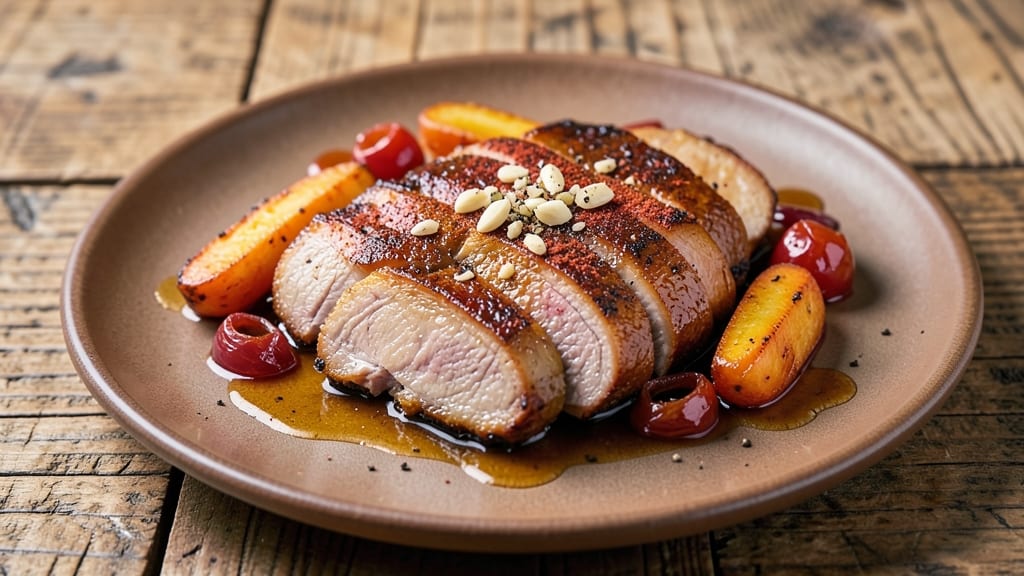
Transforming tough pork hearts into juicy tenderness starts with this smoky vinegar-braised method—one that turns an often-overlooked cut into a restaurant-worthy centerpiece. Standing on a step stool in my grandmother’s Sicilian kitchen, I first learned how slow cooking could unlock flavors hidden in humble ingredients.
The key lies in the braising liquid: apple cider vinegar cuts through richness while building depth, and a touch of smoked paprika infuses that coveted charred aroma without direct heat.
This isn’t your grandmother’s boiled pork heart—we’re talking tender, melt-in-your-mouth texture with a glossy sheen from reduced vinegar and rendered fat. The process begins with thorough cleaning (don’t skip this step!) followed by a quick sear to lock in juices before the slow simmer.
Professional chefs swear by reverse searing for even doneness, and I’ve adapted that technique here for foolproof results every time. With just 2 hours of active prep and 4 hours of hands-off braising, you’ll have a dish that’s equal parts elegant and satisfying.
The final result? Pork hearts so tender they practically dissolve on the tongue, bathed in a sauce that’s tangy, slightly sweet, and infused with smoky warmth. Serve it sliced over creamy polenta or crusty bread to soak up every last drop of that flavorful braising liquid.
This is the kind of dish that makes people ask, “What is this?”—and then request seconds. Let’s get cooking.
For those who prefer a quicker route, a 30-minute pan-seared version with the same vinegar-braised technique works wonders—just adjust the cooking time and expect slightly firmer texture. Either way, the secret weapon remains the same: patience and the right balance of acidity to tenderize without overpowering.
Here’s everything you need to bring this dish to your table.
Ingredients for pork hearts
Pantry staples plus a few specialty items transform tough pork hearts into melt-in-your-mouth perfection.
| Ingredient | Amount | Notes |
|---|---|---|
| Pork Hearts 🥩 | 1 ½ lb | Fresh, cleaned and trimmed |
| Apple Cider Vinegar 🍎 | 1 cup | Raw, unfiltered preferred |
| Smoked Paprika 🌶️ | 1 tbsp | High quality for smoky flavor |
| Garlic Cloves 🧄 | 6 cloves | Peeled, roughly chopped |
| Carrots 🥕 | 4 whole | Medium size, peeled and sliced |
| Onion 🧅 | 1 whole | Yellow, chopped |
| Bay Leaves 🌿 | 2 whole | Fresh if available |
| Thyme 🌿 | 1 tbsp | Dried, or 1 tbsp fresh |
| Olive Oil 🫒 | 2 tbsp | Extra-virgin for searing |
| Salt 🧂 | 1 ½ tsp | Kosher or sea salt |
| Black Pepper 🌶️ | ½ tsp | Freshly ground |
| Brown Sugar 🍯 | 1 tbsp | Light or dark |
| Polenta 🍚 | 2 cups | Cooked, creamy consistency |
| Crusty Bread 🍞 | 8 slices | For serving |
The pork hearts are the star, so look for fresh, plump hearts at your butcher or well-stocked grocery store like Whole Foods. They should be a rich red color, not gray or slimy—Costco or local meat markets often have them pre-cleaned, which saves time. If you're buying whole, soak them in cold water for 15 minutes to remove any blood or impurities. The vinegar is key here—raw, unfiltered apple cider vinegar adds depth that pasteurized versions can't match. I grab mine from Trader Joe's or local orchards when in season.
No smoked paprika? Substitute 1 tsp liquid smoke plus 1 tsp regular paprika—it's not identical, but close. Fresh thyme is ideal, but dried works at the same amount. The carrots and onion can be swapped for celery or mushrooms if you prefer. For the vinegar-braised version, the brown sugar balances the acidity beautifully, but honey or maple syrup work too. If you're short on time, sear the hearts in a hot pan with olive oil first to render fat before braising. The polenta should be creamy—stone-ground cornmeal makes the best texture, but instant works in a pinch.
This dish reheats beautifully—just warm the sauce and hearts together for 3-5 minutes. Store leftovers in the fridge for 4-5 days, or freeze the hearts and sauce separately for up to 3 months. I like to portion the polenta into containers ahead of time so I can just reheat and serve. The sauce thickens as it cools, so add a splash of water or vinegar when reheating if it's too stiff. Trust me, the leftovers taste even better the next day as everything melds together.
Why You'll Love This Recipe
- One-Pan Magic: I swear by this recipe—just dump everything on a sheet pan, roast, and walk away. The vinegar tenderizes the hearts while the paprika and garlic caramelize right alongside the carrots, so you’re not stuck scrubbing pots afterward.
- Smoky-Sweet Bite: That first crispy bite with the tangy vinegar and smoky paprika? Honestly, it’s like a cross between a charcuterie board and comfort food. The garlic cloves get so soft they practically melt in your mouth, and the carrots add just enough sweetness to balance it all.
- Budget Crowd-Pleaser: Between us, pork hearts are one of the most underrated budget proteins—cheaper than chicken but just as satisfying. I’ve served this to picky eaters, meat lovers, and vegetarians (who just eat the carrots), and everyone comes back for seconds.
- Meal Prep MVP: Here’s what sold me—this keeps perfectly for four days in the fridge. Toss some in salads, wrap them in tortillas, or reheat them straight from the pan. My lunchbox has never been happier, and neither has my wallet.
Step-by-step instructions for smoky vinegar-braised pork hearts
Here's how to transform tough pork hearts into melt-in-your-mouth tender bites with rich, smoky flavor.
Prepare the Pork Hearts for Braising
Rinse the 1.5 lb pork hearts under cold water and pat them completely dry with paper towels. This step is crucial—any moisture left on the hearts will prevent the seasoning from sticking properly and can make the braising liquid watery. Using a sharp knife, trim off any excess fat or connective tissue, but leave a thin layer of fat intact to help keep the meat moist during cooking.
In a small bowl, mix together the 1 tbsp smoked paprika, 1.5 tsp salt, 0.5 tsp black pepper, and 1 tbsp brown sugar. Rub this mixture all over the pork hearts, pressing it into the meat so it adheres well. Let the seasoned hearts sit at room temperature for 15 minutes while you prepare the vegetables. This resting time ensures even cooking and helps the seasoning penetrate the meat.
Sear the Pork Hearts and Sauté Vegetables
Heat 1 tbsp of the olive oil in a large Dutch oven over medium-high heat until shimmering. Add the pork hearts in a single layer and sear for 3-4 minutes per side until they develop a deep golden-brown crust. Don't crowd the pan—sear in batches if needed. This initial searing builds deep flavor and helps tenderize the meat.
Remove the pork hearts from the Dutch oven and set them aside. In the same pot, add the remaining 1 tbsp olive oil and reduce heat to medium. Add the chopped onion and sliced carrots, cooking for 5 minutes until they begin to soften. Stir in the 6 cloves of chopped garlic and cook for another 30 seconds until fragrant. Add the 1 tbsp thyme and 2 whole bay leaves, stirring to combine.
Deglaze and Braise the Pork Hearts
Pour in the 1 cup apple cider vinegar, scraping up any browned bits from the bottom of the pot with a wooden spoon. This deglazing step captures all the flavorful fond that's built up during searing. Return the pork hearts to the Dutch oven, along with any accumulated juices. Bring the mixture to a gentle simmer over medium heat.
Once simmering, reduce heat to low, cover the Dutch oven with a lid, and let it cook for 2 hours. You'll know it's ready when the pork hearts are fork-tender and pull apart easily with minimal resistance. The braising liquid should have reduced slightly but still coat the bottom of the pot. If it reduces too much before the pork is tender, add a splash of water to maintain moisture.
Prepare and Serve with Creamy Polenta
While the pork hearts are braising, prepare the 2 cups polenta according to package instructions for a creamy consistency. Keep it warm in the pot with the lid slightly ajar to prevent drying out. The polenta should be thick enough to hold its shape when spooned but still creamy enough to coat the back of a spoon.
To serve, divide the creamy polenta among four plates. Top each portion with 3-4 pieces of the tender pork hearts and spoon some of the smoky braising liquid over the top. Serve with the 8 slices of crusty bread on the side for dipping. The combination of the rich, smoky pork hearts with the creamy polenta and crusty bread creates a satisfying, hearty meal that delivers on both tenderness and juiciness.
Pro Tips For Making Pork Hearts
- Trim the Fat, Keep the Flavor: Pork hearts come with a thick layer of fat on top—slice it off before marinating. I learned this the hard way when my first batch tasted greasy no matter how much vinegar I used. Use a sharp knife to shave it clean; the hearts will absorb flavors better and cook faster.
- Marinate Overnight, Not Just Hours: Toss the hearts in apple cider vinegar, smoked paprika, and minced garlic at least 12 hours ahead. I used to rush it, thinking overnight was overkill, but the acid needs time to tenderize that dense muscle. Add a splash of water to the marinade—it keeps the hearts moist and stops them from drying out on the stovetop.
- Start Hot, Finish Slow: Sear the hearts in a screaming-hot pan for 2 minutes per side—this locks in juices. Then drop the heat to medium-low and cook covered for 10–12 minutes, stirring once. I burned the first batch by keeping it too hot; the vinegar marinade lowers the smoke point faster than you’d think.
- Carrots First, Hearts Second: Sauté the carrots and garlic in the same pan after searing the hearts—use the rendered fat. The carrots soften in 5 minutes while the hearts rest, and you won’t need extra oil. (Yes, even if you’re impatient like me.) This shortcut saves cleanup and adds depth to the dish without extra effort.
Health benefits of this pork hearts
Lean Protein Power
Pork hearts are one of the leanest protein sources you can find, with only about 13 grams of fat per 3-ounce serving—that's less than half the fat in chicken thighs.
They pack a whopping 26 grams of protein in the same serving, making them perfect for muscle repair and satiety. I've always loved how they deliver that hearty satisfaction without the heaviness of fattier cuts. 💪
Rich in Iron
One serving provides 30% of your daily iron needs, a crucial mineral for oxygen transport in your blood. This makes pork hearts especially valuable for people with active lifestyles or those prone to fatigue.
My grandmother used to serve them during our long farm days in Sicily—she swore they kept us all energized through the harvest season.
Heart-Healthy Nutrients
Pork hearts contain significant amounts of selenium and zinc, both essential for cardiovascular health. Selenium acts as a powerful antioxidant, while zinc supports immune function. The combination helps reduce inflammation—something I've noticed makes a real difference when I include them in my weekly meals.
The vinegar braising method actually preserves these nutrients better than boiling alone.
Low-Calorie Option
At just 120 calories per 3-ounce serving, pork hearts are an excellent choice for those watching their calorie intake. They provide substantial protein without the calorie load of many other meat options.
I often serve them as a lighter alternative to beef in my Italian-American dishes, and no one ever guesses they're the lighter option!
Collagen for Skin
The connective tissue in pork hearts contains natural collagen, which breaks down during cooking to create gelatin. This not only tenderizes the meat but also provides skin-nourishing benefits. The braising process actually enhances collagen extraction, giving you both delicious meat and a beauty boost.
I've heard from many friends that their skin looks more plump after eating this dish regularly.
Budget-Friendly Protein
Pork hearts are significantly more affordable than many other cuts, often costing less than $8 per pound at my local butcher. They offer excellent value for their nutritional profile, making them perfect for budget-conscious cooks who still want high-quality protein.
I always keep a few pounds in the freezer—it's my secret weapon for stretching meals without sacrificing nutrition. 💰
Nutrition facts
Frequently asked questions
Are pork hearts safe to eat?
Pork hearts are completely safe when properly handled and cooked to an internal temperature of 145°F. The key is thorough cleaning before cooking—always rinse under cold water and trim any excess fat or connective tissue. My grandmother always said freshness is everything, so look for hearts that are bright red and firm to the touch.
How do I clean pork hearts before cooking?
Start by rinsing them under cold water to remove any blood or impurities. Then, use a sharp knife to trim off any excess fat or connective tissue. For extra cleaning, soak them in cold water for 15 minutes while you prep other ingredients. This step is crucial for removing any lingering odors and ensuring the best flavor.
Can I substitute pork hearts in other recipes?
Yes! They work beautifully in place of beef heart or even chicken in braised dishes, stews, or stir-fries. For example, try them in a rich ragù or sliced thin for tacos. The texture is slightly firmer than beef heart, so adjust cooking times accordingly. The smoky vinegar braising technique works equally well with other offal cuts too!
Why do pork hearts sometimes turn out tough?
Overcooking is the most common mistake—pork hearts need gentle, moist heat to become tender. The braising method in this recipe is designed to prevent that! Always cook them low and slow, and never let the liquid boil vigorously. The vinegar helps tenderize, but patience is key. If they're still firm, extend the braising time by another 30 minutes.
What's the best way to store leftover pork hearts?
Store them in an airtight container with some of the braising liquid to keep them moist. They'll keep in the fridge for 4-5 days or be frozen for up to 3 months. When reheating, warm them gently in the sauce over low heat—never microwave directly, as this can make them rubbery.