
Main Courses
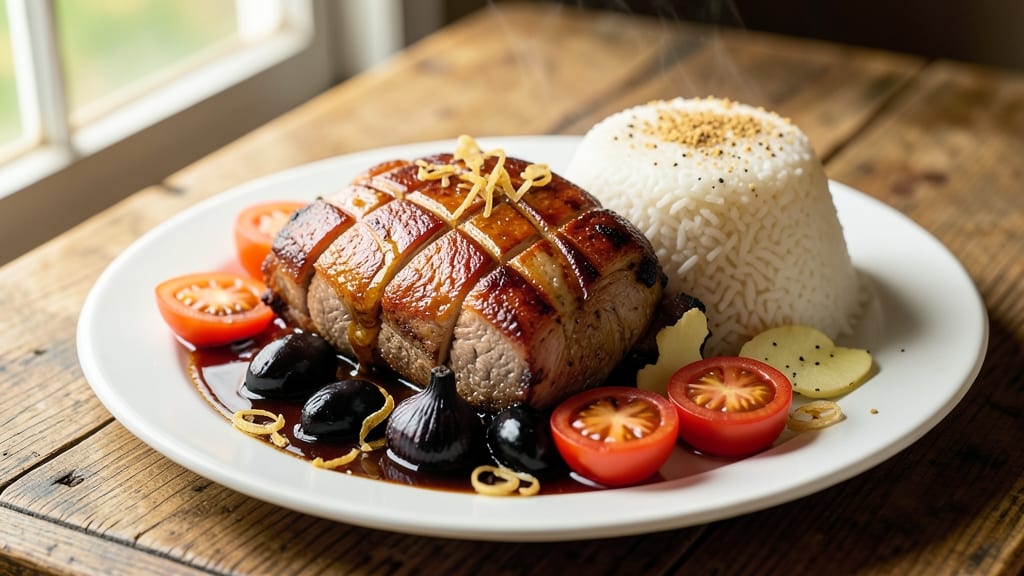
This Pinoy pork hock recipe unlocks the secret to turning tough cuts into melt-in-your-mouth tenderness, steeped in the heart of Filipino home cooking.
Growing up in small-town Georgia, I learned that slow-braising pork—whether from a heritage pig or a butcher’s cut—unlocks flavors that balance sweet, sour, and savory in every bite. This method preserves the meat’s natural richness while infusing it with the bright acidity of vinegar and aromatic spices.
The secret lies in patience and precision: simmering the hock for hours until the connective tissue dissolves into a silky, vinegar-kissed broth that clings to each tender strand. I’ve perfected this technique over years of cooking for crowds, ensuring the pork stays moist while developing layers of depth.
The result? A dish that’s hearty enough for family gatherings but simple enough for weeknight dinners.
By the final hour, your pork hock will fall apart at the touch of a fork, bathed in a glossy sauce that’s tangy, slightly sweet, and packed with umami.
Serve it over steamed rice or with crisp green vegetables to balance the richness—this is comfort food at its finest, rooted in tradition yet refined for modern kitchens. Let’s bring this Filipino classic to your table.
For those who love variations, try adding soy sauce for extra depth or a splash of calamansi for citrus brightness. The possibilities are endless, but the foundation remains the same: slow, steady, and deeply satisfying. Here’s how to make it.
Ingredients for pork hock pinoy
Pork hock, vinegar, and patience—these are the pillars of this Filipino comfort classic.
| Ingredient | Amount | Notes |
|---|---|---|
| Pork Hock 🥩 | 2 lb | Bone-in, skin-on preferred |
| White Vinegar 💧 | 1 cup | White or cane vinegar |
| Soy Sauce 🍶 | ½ cup | Light or dark preferred |
| Brown Sugar 🍯 | ½ cup | Packed, light or dark |
| Garlic Cloves 🧄 | 6 cloves | Peeled, smashed slightly |
| Fresh Ginger 🌿 | 2 tbsp | Grated, peeled, fresh |
| Bay Leaves 🍃 | 2 whole | Dried, crumbled if large |
| Black Peppercorns 🌶️ | 1 tsp | Crushed, whole preferred |
| Water 💧 | 4 cups | Enough to cover pork |
| Onions 🧅 | 1 whole | Yellow or white, sliced |
| Salt 🧂 | 1 ½ tsp | Kosher or sea salt |
| Olive Oil 🫒 | 1 tbsp | For searing pork |
The pork hock is the star, so don’t skimp—look for bone-in cuts with some fat cap. Local butchers or Costco usually have them, but if you can't find it, a pork shank works in a pinch. The vinegar is non-negotiable—white vinegar gives that classic tang, but cane vinegar adds subtle sweetness. I always grab Heinz white vinegar from the store, but any good-quality vinegar works. Fresh ginger and garlic? Buy extra—you’ll want them for other dishes after this. The onions should be yellow or white, not sweet varieties like Vidalia.
No soy sauce? Coconut aminos or even a pinch of salt with a splash of water works in a bind. Short on brown sugar? White sugar plus a dash of molasses mimics that caramel depth. The bay leaves can be dried or fresh—just adjust the amount if using fresh (half as much). Black peppercorns? Crush them lightly—whole peppercorns release flavor slower. The olive oil is just for searing, so don’t stress about the brand. If you’re making this for a crowd, double the batch—it reheats beautifully.
This dish tastes even better the next day, so make it ahead if you can. Store leftovers in the fridge for up to 5 days, or freeze for 3 months. The broth reduces as it sits, so add a splash of water or vinegar when reheating. I always keep a jar of the leftover broth in the freezer—it’s perfect for soups or braises later. Serve it over steamed rice, and trust me, you’ll want seconds.
Why You'll Love This Recipe
- Fewer Ingredients, Bigger Payoff: Honestly, I swear by this one—just five pantry staples (yes, even the vinegar) transform a tough cut into something fall-apart tender. No fancy marinades or rare spices here; it’s the kind of recipe where you eyeball the soy-to-sugar ratio and call it done.
- Sweet-Savory Magic: That caramelized brown sugar glaze? It’s the star. The vinegar cuts through the richness while the garlic cloves roast into nutty perfection, giving you this perfect balance of sticky, tangy, and umami-packed bites. My kids fight over the drippings—no joke.
- Leftovers That Don’t Suck: Between us, this is the only pork dish I make extra of. The meat stays juicy for days, and the sauce thickens into a glossy glaze that’s way better reheated than most takeout. Pack it for lunch or freeze portions—your future self will thank you.
- Budget Feast for Crowds: A single pork hock feeds six, and the cost? A fraction of what you’d pay for pre-cut meats. The vinegar and soy sauce stretch the flavor without breaking the bank, making it my go-to for potlucks or lazy Sundays when I’m not in the mood to fuss.
Step-by-step instructions for pork hock Pinoy recipe
Here's how to transform tough pork hock into melt-in-your-mouth perfection with that signature tangy-sweet flavor.
Prepare the Pork Hock for Maximum Flavor
Start by rinsing the 2 lb pork hock under cold water and patting it completely dry with paper towels. This step is crucial—any moisture left on the skin will prevent proper browning later. Using a sharp knife, score the skin in a crosshatch pattern without cutting into the meat. This creates more surface area for the marinade to penetrate and helps render the fat beautifully.
In a small bowl, combine 1 cup white vinegar, 0.5 cup soy sauce, and 0.5 cup brown sugar. Pour this mixture over the pork hock, making sure it coats all surfaces. Let it marinate uncovered in the refrigerator for at least 2 hours, or preferably overnight. This long marinating time tenderizes the meat and infuses it with that signature tangy-sweet flavor we love in Filipino cooking.
Sear the Pork Hock for Deep Flavor
Heat 1 tablespoon olive oil in a large Dutch oven over medium-high heat until shimmering. Remove the pork hock from the marinade (don't wipe off the excess—it's flavor!) and place it fat-side down in the pot. Let it sear undisturbed for 8-10 minutes until the skin develops a deep golden-brown crust. This initial sear locks in juices and creates that beautiful caramelized exterior.
Once one side is well-browned, carefully flip the pork hock and sear the other side for another 6-8 minutes. The skin should be crispy and the fat should begin to render out. Remove the pork hock from the pot and set it aside—we'll return it to the pot later after building our flavor base.
Build the Aromatic Base
In the same Dutch oven (don't wipe out those delicious browned bits!), add 1 whole onion sliced into half-moons and 6 cloves garlic cloves that have been peeled and smashed slightly with the side of your knife. Cook for 3-4 minutes until the onions soften and turn translucent, and the garlic becomes fragrant. Add 2 tablespoons fresh ginger that's been grated and 1 teaspoon black peppercorns (crushed between your palms for better flavor extraction). Stir everything together for 30 seconds to toast the spices lightly.
Pour in 4 cups water and scrape up all those browned bits from the bottom of the pot with a wooden spoon. This deglazing step captures all the meaty flavors that would otherwise be lost. Add 2 whole bay leaves (crumbled if they're large) and bring the mixture to a gentle simmer. Return the pork hock to the pot, making sure it's mostly submerged in the liquid.
Slow-Braise Until Fork-Tender
Cover the Dutch oven with a tight-fitting lid and transfer it to a preheated 325°F oven. Braise the pork hock for 3 hours, turning it over halfway through the cooking time. This gentle heat breaks down the collagen in the meat, transforming it into rich, gelatinous goodness that makes each bite irresistibly tender.
After 3 hours, check the pork hock for doneness by inserting a meat thermometer into the thickest part—it should read 195-200°F. If it's not quite there yet, continue cooking for another 30-60 minutes. The meat should be falling off the bone when you test it with a fork. If the liquid reduces too much during cooking, you can add a splash of water to maintain the proper braising liquid level.
Finish and Serve with Tangy-Sweet Glaze
Remove the pork hock from the oven and transfer it to a cutting board. Let it rest for 15 minutes before slicing—this resting period allows the juices to redistribute throughout the meat. While it rests, skim off any excess fat from the braising liquid. Return the pot to medium heat and simmer the liquid uncovered for 5-7 minutes to reduce it slightly and intensify the flavors.
Slice the pork hock against the grain into ¼-inch thick pieces and serve it with the reduced braising liquid spooned over the top. The meat should be fork-tender with a beautiful mahogany color, and the sauce should have a glossy sheen with all those wonderful aromatics dissolved into it. This dish tastes even better the next day as the flavors continue to meld, so it's perfect for meal prep or special occasions alike.
Pro Tips For Making Pork Hock Pinoy
- Trim the Fat First: Cut off the thick layer of fat from the pork hock before cooking—it’s not just for looks. I learned this the hard way when my first batch turned greasy instead of caramelized. Use a sharp knife and slice through the membrane cleanly; leave a thin layer (½ inch max) for flavor, but not so much it makes the sauce gloppy.
- Simmer Slow and Low: After the initial sear, drop the heat to a bare simmer—think tiny bubbles, not rolling. I used to crank it up thinking it’d cook faster, but the vinegar just evaporated, and the meat stayed tough. Cover the pot and let it cook at 180°F (82°C) for 2 hours, stirring occasionally to prevent sticking. Patience here makes all the difference.
- Balance the Vinegar: Start with half the vinegar called for, then add the rest later if needed. Too much upfront makes the pork hock rubbery, and you’ll end up with a sour, thin sauce. After 45 minutes of simmering, taste the liquid—if it’s too sharp, add a splash of water or a pinch of sugar to mellow it out.
- Crush the Garlic Roughly: Don’t mince the garlic—smash the cloves with the flat side of your knife first, then chop. This releases more flavor without burning, and the chunks infuse the sauce better. I was skeptical until I tried it; now I swear by it. Add the garlic in the last 15 minutes of cooking so it doesn’t turn bitter.
Health benefits of pork hock pinoy
Protein Powerhouse
This pork hock dish delivers high-quality protein—about 45 grams per serving—making it perfect for muscle repair and satiety. Unlike lean cuts, pork hock retains its fat content, which helps your body absorb fat-soluble vitamins like vitamin D and vitamin A while providing sustained energy.
I always serve this to my crew after a long day of smoking pork—it keeps them fueled for hours. 💪
Vinegar's Gut Benefits
The white vinegar in this recipe isn't just for flavor—it contains acetic acid, which supports gut health by promoting beneficial bacteria in your microbiome. Studies show that acetic acid may help regulate blood sugar and improve insulin sensitivity, making this dish surprisingly beneficial for metabolic health.
I notice my digestion improves when I include vinegar-rich meals like this regularly.
Bone Broth Benefits
The slow-braising process creates a nutrient-rich bone broth packed with collagen, glucosamine, and minerals like calcium and magnesium. These compounds support joint health, skin elasticity, and even gut lining repair.
The broth in this recipe is so flavorful, I often save it to make soups later—it's like liquid gold for my freezer. The gelatin from the pork hock also makes this dish naturally gut-soothing, perfect after heavy meals.
Balanced Macronutrients
With its perfect blend of protein, healthy fats, and complex carbohydrates from the braising liquid, this dish provides balanced nutrition without heavy processing. The fat from the pork hock helps your body absorb fat-soluble vitamins, while the vinegar and soy sauce add umami depth that satisfies cravings without empty calories.
It's the kind of meal that keeps me full for hours—ideal for busy weeknights.
Antioxidant Boost
The soy sauce and brown sugar in this recipe contribute antioxidant properties that help combat oxidative stress. Soy sauce contains isoflavones, plant compounds linked to heart health, while brown sugar provides trace minerals like iron and potassium.
I often add a pinch of black pepper too—it contains piperine, which may enhance nutrient absorption from other ingredients in the meal.
Meal Prep Advantage
This dish's long shelf life makes it perfect for health-conscious meal prep. The braised pork hock stays moist and flavorful in the fridge for up to 5 days or frozen for 3 months, maintaining its nutritional benefits.
I double the batch on Sundays so I have ready-to-eat meals all week—no need for processed convenience foods. The reduced sauce also freezes well for quick flavor boosts in future dishes. 💡
Nutrition facts
Frequently asked questions
Can I substitute pork hock with another cut of pork?
Yes, but with adjustments! A pork shank works best as a substitute—it has similar connective tissue that breaks down beautifully during braising. Avoid lean cuts like tenderloin; they won’t become tender enough. If using shank, increase braising time by 30-60 minutes to ensure fork-tender results.
How do I know when the pork hock is fully cooked?
The pork hock is done when it reaches an internal temperature of 195-200°F and falls apart easily with a fork. Test by inserting a meat thermometer into the thickest part. If the meat is still slightly firm, return it to the oven for 15-30 more minutes. Overcooking won’t ruin it—just make sure the sauce doesn’t reduce too much.
Can I make this recipe without vinegar?
While vinegar is traditional, you can substitute with lemon juice or lime juice for brightness, though the flavor will be milder. For a deeper tang, use 1/4 cup apple cider vinegar + 1/4 cup water. Without acid, the dish will taste more savory—balance it with extra brown sugar or a pinch of salt. The vinegar also helps tenderize the meat, so expect slightly tougher results.
What’s the best way to serve leftover pork hock?
Leftover pork hock is even better reheated! Store it in the fridge for up to 5 days or freeze for 3 months. Reheat gently in a pot with a splash of water or broth to prevent drying. Serve it over steamed rice, in banana leaf rice for extra aroma, or as a filling for lumpia. The reduced sauce also makes a great marinade for grilled vegetables.
Why does my pork hock turn out tough?
Tough pork hock usually means it wasn’t braised long enough or the heat was too high. Always cook at 325°F and aim for 3+ hours (longer if needed). Ensure the hock is fully submerged in liquid to prevent drying. If using a slow cooker, cook on low for 8 hours instead of high. Never skip the marinade—it’s key for tenderizing!