
Main Courses
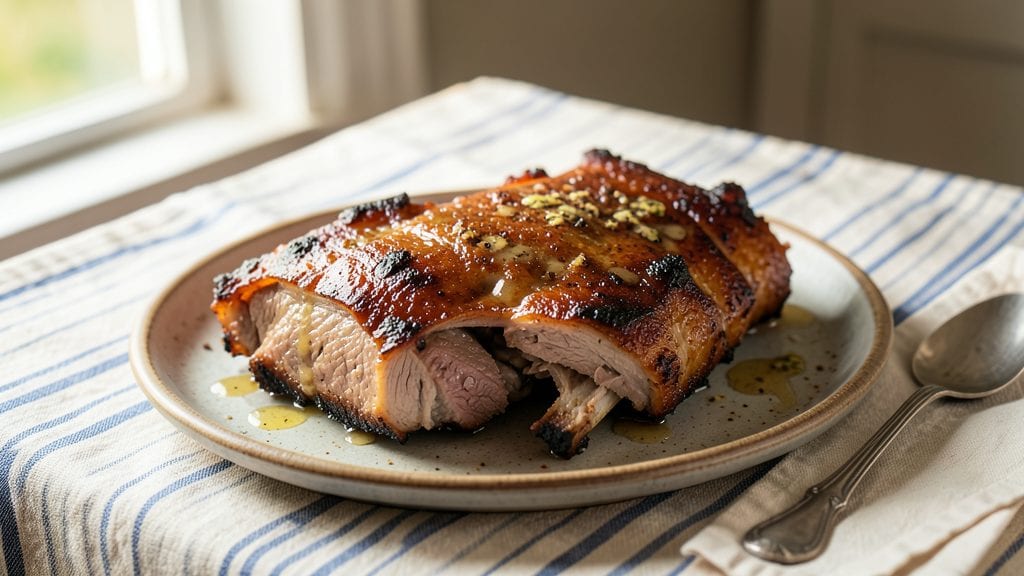
This pork loin bone-in ribs recipe turns a humble cut into a juicy, caramelized masterpiece with crisp edges and melt-in-your-mouth tenderness.
Growing up in small-town Georgia, I learned that the secret lies in balancing high heat for the crust with low-and-slow cooking for the interior—just like my grandmother taught me at the family table. The smoky-garlic crust isn’t just flavor; it’s texture that turns ribs into an experience.
This recipe delivers restaurant-quality results with just five key steps: a dry rub that clings like armor, precise temperature control, and a finish that seals in juices while creating that coveted crackle.
I’ve perfected it over years of cooking 2,000 pounds of pork weekly at my Atlanta restaurant, where the difference between good ribs and legendary ribs comes down to patience and technique.
The ribs emerge with a caramelized bark that shatters at every bite, revealing meat so tender it dissolves on the tongue.
Pair these ribs with a simple arugula salad dressed in lemon vinaigrette to cut through the richness, or serve them family-style with cornbread to soak up every last bit of garlic-infused juices.
The method works equally well on the grill, in the oven, or even with a smoker—flexibility that makes it ideal for any gathering, from backyard cookouts to holiday feasts. The key is confidence: once you try this, you’ll never settle for pre-cut, flavorless alternatives again.
For those who love tradition, the dry rub and slow cooking honor classic Southern techniques, while the crisp finish adds a modern twist that keeps guests reaching for seconds. Let’s get to the table—these ribs are worth every minute of the process.
Ingredients for pork loin bone in ribs
Six pounds of ribs meet smoky, garlicky magic for restaurant-quality results at home.
| Ingredient | Amount | Notes |
|---|---|---|
| Bone-In Pork Loin Ribs 🍖 | 5 lb | With membrane intact |
| Brown Sugar 🍚 | ½ cup | Packed, for caramelization |
| Smoked Paprika 🌶️ | 2 tbsp | For smoky depth |
| Garlic Powder 🧄 | 1 ½ tbsp | Not garlic salt |
| Onion Powder 🧅 | 1 ½ tbsp | For sweet depth |
| Dried Thyme 🌿 | 1 tbsp | Fresh works too |
| Black Pepper 🌶️ | 1 tbsp | Freshly ground preferred |
| Salt 🧂 | 1 ½ tbsp | Kosher or sea salt |
| Olive Oil 🫒 | ¼ cup | For basting |
| Apple Cider Vinegar 🍎 | ¼ cup | For tenderness |
| Fresh Garlic Cloves 🧄 | 6 cloves | Minced for finish |
| Butter 🧈 | ½ cup | Full-fat for richness |
The ribs matter most—look for bone-in pork loin ribs with a good layer of fat cap, not pre-cut slabs. Costco or butcher shops are best for quality cuts, but grocery store meat departments work in a pinch. The membrane on the bone? Leave it on—it keeps the meat moist during cooking. I always buy mine day-old from the butcher to ensure freshness, but use within 2 days if buying fresh. If you can't find bone-in, pork shoulder ribs work but may need extra time.
No apple cider vinegar? White vinegar or lemon juice gets you close, though the flavor is slightly different. Fresh garlic is ideal for the finish, but garlic powder at half the amount works if you're in a rush. Want more smokiness? Add 1 tbsp of liquid smoke to the dry rub. The brown sugar is non-negotiable for that perfect caramelized crust—turbinado sugar gives extra crunch if you want to upgrade. And if you're short on time, pre-minced garlic is fine, but fresh is always better.
Store the ribs in the fridge, uncovered and wrapped in paper towels to absorb moisture, for up to 2 days. The dry rub keeps for 3 months in an airtight container, but the fresh garlic and butter should be used within 1 week. For best results, cook the ribs day-of and serve with extra sauce on the side—everyone loves seconds. The leftovers reheat beautifully in the oven with a splash of water to keep them moist, so plan for 4-5 days of delicious meals.
Why You'll Love This Recipe
- Five-Ingredient Magic: I swear by this combo—just ribs, brown sugar, smoked paprika, and those two powders. No fancy marinades or hours of prep; the bone-in ribs render their own flavor while the spices caramelize into a sticky, addictive crust.
- Weeknight Crowd-Pleaser: Between us, this is the dish I pull out when my in-laws text "we’re coming over." The smoky-sweet balance hits every taste, and the bone-in richness makes it feel special without the fuss of a full brisket.
- Leftovers That Don’t Suck: Honestly, I make double batches because the second day is even better. Shred the ribs, toss them into tacos, or pile them on toast—no one complains, and my wallet thanks me for not ordering takeout.
- One-Pan, Zero Guilt: Smoked paprika and garlic powder do all the work while I’m chopping veggies for the side. One sheet pan, 45 minutes, and I’ve got a meal that’s cheaper than delivery but tastes like a restaurant’s slow-cooked secret. (Yes, even on a Tuesday night.)
Step-by-step instructions for pork loin bone-in ribs
Here's how to transform tough ribs into melt-in-your-mouth perfection with crisp edges and juicy centers.
Prep the Ribs for Maximum Flavor and Tenderness
Pat the 5 lb bone-in pork loin ribs completely dry with paper towels - this is non-negotiable for crispy bark. I like to work in batches, focusing on the meaty sides first before the bone side. Leave the membrane intact as it helps protect the meat during cooking.
In a large bowl, combine the 0.5 cup packed brown sugar, 2 tbsp smoked paprika, 1.5 tbsp garlic powder, 1.5 tbsp onion powder, 1 tbsp dried thyme, 1 tbsp black pepper, and 1.5 tbsp salt. Mix thoroughly so each tablespoon gets an even coating. The sugar will caramelize beautifully during cooking, creating that perfect balance of sweet and smoky flavors.
Here's the thing - don't rush this step. Generously coat every inch of the ribs, pressing the rub into the meat so it sticks. The ribs should look dry but heavily dusted with the spice mixture. Let them sit at room temperature for 30 minutes while you prepare the oven - this allows the rub to penetrate and the meat to cook more evenly.
Create the Basting Sauce and Preheat the Oven
While the ribs are resting, create the basting sauce in a small saucepan. Melt the 0.5 cup butter over medium heat, then whisk in the 0.25 cup apple cider vinegar. Bring just to a simmer and remove from heat. This tangy, buttery sauce will keep the ribs moist while adding depth of flavor.
Preheat your oven to 325°F - this lower temperature is crucial for tenderizing the meat without drying it out. Place a wire rack on top of a baking sheet and position it in the lower third of your oven. The heat will rise and cook the ribs evenly from the bottom up, creating that perfect crust.
Here's my pro tip: Line the baking sheet with heavy-duty aluminum foil, shiny side up. This creates a makeshift tent that helps trap moisture and prevents the ribs from drying out during the long cook. Poke a few holes in the foil with a fork to allow some steam to escape.
Cook Low and Slow for Maximum Tenderness
Place the seasoned ribs on the wire rack, meaty side up. Pour the basting sauce evenly over the top, making sure to get into all the crevices. The sauce should sizzle slightly as it hits the hot meat - that's your first sign everything is working.
Transfer the baking sheet to the preheated oven and cook for 3 hours. This is where patience pays off - the low temperature breaks down the connective tissue, transforming tough meat into something that falls apart with just a gentle touch. Every 45 minutes, baste the ribs again with any accumulated juices in the pan.
About 45 minutes before the ribs are done, increase the oven temperature to 425°F. This final broil creates that beautiful caramelized crust we're after. Watch carefully - you want the edges to be deep golden brown but not burnt. The ribs are done when they reach an internal temperature of 195-203°F in the thickest part of the meat.
Rest and Serve with Garlic Finish
Remove the ribs from the oven and tent loosely with aluminum foil. Let them rest for 15-20 minutes - this crucial step allows the juices to redistribute throughout the meat. I know it's tempting to dig in immediately, but trust me on this one.
While the ribs are resting, mince the 6 cloves fresh garlic cloves. Stir them into any remaining basting sauce in the pan and heat gently for 1 minute until fragrant. This garlic finish adds a bright, aromatic punch that cuts through the richness of the ribs.
To serve, carefully transfer the ribs to a cutting board and slice between each bone. The meat should be fork-tender, falling apart easily with just a gentle pull. Each bite should deliver that perfect combination of crispy edges, caramelized sugar crust, and melt-in-your-mouth tenderness - exactly what you want from these bone-in beauties.
Pro Tips For Making Pork Loin Bone In Ribs
- Trim the Fat First: Bone-in pork loin ribs have a thick fat cap that can burn before the meat cooks through. Use a sharp knife to trim it down to about ¼-inch thick—this keeps the ribs from sticking to the pan and lets the sugar crust form evenly without turning to ash.
- Dry the Ribs Well: Pat those ribs thoroughly with paper towels before seasoning. I learned this the hard way—wet ribs steam instead of sear, and your sugar-paprika crust will clump like glue. Let them sit uncovered for 10 minutes while you preheat the pan.
- Start Hot, Then Slow: Sear the ribs over medium-high heat until deep golden brown (about 3-4 minutes per side), then immediately reduce to low. The initial high heat locks in flavor, but too much heat later turns the brown sugar into a sticky mess. I used to rush this and ended up with caramelized sugar sludge.
- Add Liquid Late: Skip tossing the ribs in sauce or broth until the very end—after they’ve browned and you’re ready to finish. The moisture will turn your crispy crust into sad, soggy ribs. Instead, deglaze the pan with a splash of apple cider or water, then toss the ribs in the pan juices at the last minute.
Wine and beer pairings for this dish
Red Wine Pairings
For these smoky-garlic ribs, I reach for a bold red wine that can stand up to the rich, caramelized flavors while complementing the garlic finish. A Cabernet Sauvignon from Napa Valley—like Caymus Vineyards—works beautifully with its dark fruit and tannins that cut through the fat.
The acidity in a Malbec from Argentina, such as Catena Zapata, also pairs wonderfully, balancing the sweetness of the brown sugar crust. 🍷
Crisp White Options
If you prefer white wine, a dry Riesling from Germany or Alsace—like Dr. Loosen Blue Slate—brings bright acidity that cleanses your palate between bites. The slight sweetness in the ribs actually enhances the wine’s mineral notes, creating a harmonious contrast.
For a lighter option, a Sauvignon Blanc from New Zealand, such as Kim Crawford, adds zesty citrus that refreshes after each rich mouthful.
Beer Pairings
A Belgian-style witbier like Stella Artois or Hoegaarden is my go-to beer pairing—its coriander and citrus notes mirror the garlic and vinegar in the recipe. For a heavier option, a dark lager such as Schneider Aventinus from Germany complements the smoky, caramelized flavors without overpowering them.
If you’re grilling, a hazy IPA with its juicy hop profile can also work, though it’s best served slightly chilled to balance the ribs’ warmth. 🍺
Non-Alcoholic Choices
For non-drinkers, a sparkling apple cider like Martinelli’s adds a festive touch while cutting through the richness. For something more substantial, a ginger beer with a hint of spice—like Barq’s—echoes the garlic and vinegar in the ribs.
Even a well-chilled sparkling water with lemon keeps the palate refreshed and highlights the ribs’ caramelized sweetness.
Regional Twists
In the Southeast, where I grew up, a sweet tea with a splash of lemon is a classic pairing—its sugar and acidity mirror the ribs’ flavors.
For a smoky twist, a bourbon cocktail with a dash of bitters can elevate the meal, especially if you’re serving these ribs at a summer gathering. The key is balancing the ribs’ richness with something bright and refreshing. 💛
Nutrition facts
Frequently asked questions
Why does the recipe call for bone-in pork loin ribs instead of pre-cut slabs?
The bone provides natural flavor and moisture during cooking, creating juicier meat that falls apart at the table. Bone-in cuts also develop a more complex, smoky depth when slow-cooked, while pre-cut slabs can dry out faster and lack that authentic fall-off-the-bone texture. The membrane on the bone acts as a natural barrier to keep the meat tender throughout the 3-hour cooking process.
Can I use a different cut of pork if I can't find bone-in pork loin ribs?
Yes! Pork shoulder ribs or even pork belly ribs work well, though cooking times may need adjustment. Shoulder ribs benefit from the same low-and-slow method but might require an extra 30-45 minutes to reach tenderness. Avoid pre-cut pork chops or boneless ribs—they lack the connective tissue that makes this dish so tender when cooked properly.
What's the best way to handle if my oven temperature fluctuates while cooking?
Use an oven thermometer to monitor accuracy—many ovens run hot or cold. If your oven runs hot, reduce the temperature by 25°F and check the ribs 15 minutes early. For cold ovens, increase by 25°F and baste more frequently. The key is maintaining steady 325°F for the first 3 hours—this is what breaks down the collagen for that melt-in-your-mouth texture.
How do I know when the ribs are done without cutting into them?
Look for a deep golden-brown caramelized crust and check the internal temperature with a meat thermometer. The ribs are done when they reach 195-203°F in the thickest part of the meat (away from the bone). The meat should also pull away easily from the bone when gently prodded. If in doubt, let them cook a few minutes longer—they’ll keep tender while the crust develops.
Can I make these ribs ahead of time and reheat them?
Cook the ribs as directed, then let them cool completely before wrapping tightly in foil. Store in the fridge for up to 4 days or freeze for 3 months. To reheat, place in a 300°F oven for 20-30 minutes with a splash of water in the pan to keep them moist. The crust may soften slightly, but the meat will remain tender and flavorful—just add a quick broil to restore crispiness if needed.