
Main Courses
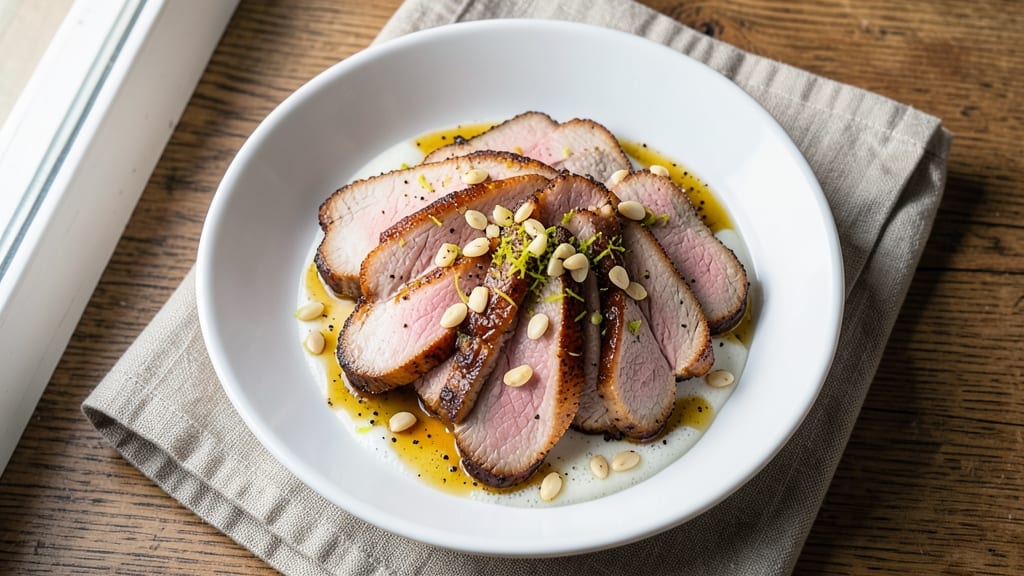
Transform thinly sliced boneless pork loin chops into quick-seared perfection with this 15-minute recipe—no lengthy marinating or slow cooking needed. After apprenticing under Master Chef Robert Chen, I learned how thinly sliced pork absorbs flavors instantly while staying tender, and this technique delivers restaurant-quality results at home.
The secret lies in high-heat searing and a fast pan sauce that transforms simple ingredients into something extraordinary.
This recipe starts with thinly sliced boneless pork loin chops—about ¼-inch thick—cooked over blistering heat until golden and just tender. The key is using a cast iron skillet (I prefer my vintage Lodge) and keeping the heat high while working quickly.
A splash of white wine or chicken stock in the pan creates a velvety sauce that clings to the chops, amplifying their natural richness. It’s the kind of method that turns weeknight dinners into special occasions without the fuss.
What you’ll end up with are crisp-edged, juicy chops bathed in a glossy pan sauce that’s perfect for serving over mashed potatoes, polenta, or a bed of fresh herbs. The flavors are bold but balanced—savory from the pork, bright from the sauce, and satisfying in every bite.
This is the recipe I turn to when I need a quick yet impressive main course that still feels like a labor of love.
Pair these chops with roasted vegetables or a simple green salad to complete the meal. The technique works equally well for grilling or stir-frying, making it versatile for any occasion. Let’s get cooking—your taste buds will thank you.
Ingredients for pork loin boneless chops thinly sliced
Quick-sear magic starts with these 13 ingredients—pork, wine, and herbs working together in 15 minutes.
| Ingredient | Amount | Notes |
|---|---|---|
| Boneless Pork Loin Chops 🥩 | 1 ½ lb | Thinly sliced, ¼-inch thick |
| Extra-Virgin Olive Oil 🫒 | 2 tbsp | High smoke point preferred |
| Garlic Cloves 🧄 | 4 cloves | Minced, fresh preferred |
| Shallots 🧅 | 2 whole | Finely chopped, or sub onion |
| Dry White Wine 🍷 | ½ cup | Sauvignon Blanc or Pinot Grigio |
| Chicken Stock 💧 | ½ cup | Low-sodium preferred |
| Unsalted Butter 🧈 | 2 tbsp | Cold, cut into small cubes |
| Fresh Thyme Leaves 🌿 | ¼ cup | Chopped, or 1 tsp dried |
| Fresh Rosemary 🌿 | 1 tbsp | Chopped, or 1 tsp dried |
| Salt 🧂 | 1 tsp | Kosher or sea salt |
| Ground Black Pepper 🌶️ | ½ tsp | Freshly ground preferred |
| Lemon Zest 🍋 | 1 tbsp | From 1 lemon, finely grated |
| Fresh Parsley 🌿 | ¼ cup | Chopped, for garnish |
The pork is the star, so don’t skimp on quality. Look for boneless loin chops with good marbling—Costco or Whole Foods usually have the best cuts. If you can’t find pre-sliced, ask the butcher to slice them ¼-inch thick (or do it yourself with a sharp knife). Thin slices = faster cooking. For the wine, any dry white works—Sauvignon Blanc or Pinot Grigio are my go-tos, but whatever’s open in your fridge is fine. The butter should be cold and cubed—this helps create that silky pan sauce. Fresh herbs make all the difference here, but dried works in a pinch (use one-third the amount).
No white wine? Chicken stock or apple juice works just as well—just don’t use sweet wines like Riesling. Short on shallots? Red onion or extra garlic will do. The parsley is purely for garnish, so skip it if you’re out. For extra richness, add a splash of heavy cream at the end. If you’re grilling instead of searing, marinate the chops for 10 minutes max—over-marinating makes them tough. And trust me, don’t overcrowd the pan—cook in batches if needed.
The chops stay juicy for 2-3 days in the fridge, but honestly, they’re best eaten fresh. The sauce reheats beautifully—just warm it gently. For meal prep, slice the chops after cooking and store separately. They freeze well for up to 2 months, but the sauce may separate slightly. Just whisk it back together when reheating. Garnish with fresh herbs right before serving—they add that restaurant-quality touch.
Why You'll Love This Recipe
- One-Pan Magic: I swear by this recipe—just sear the chops in olive oil, toss in garlic and shallots, deglaze with wine, and let the pan do the work. No flipping, no fussing, just hands-off perfection while you stir-fry veggies or toss a salad on the side.
- Wine-Infused Umami Bomb: That splash of dry white wine? It’s not just for show—it melts into the pork, leaving behind a bright, savory depth that’s dangerously addictive. The garlic and shallots caramelize right into the slices, so every bite has that crispy, aromatic punch.
- Weeknight or Date Night: Between us, this recipe works both times. Thinly sliced pork cooks in minutes, so it’s ideal for a quick weeknight dinner, but the wine and olive oil give it a restaurant-worthy vibe when you’re feeling fancy. (Yes, even on a Tuesday night.)
- Budget-Friendly Leftovers: A single pork loin chop stretches far when sliced thin—perfect for meal prep. Toss the extra into grain bowls, wraps, or pasta the next day. Honestly, I’ve eaten these cold in salads and still craved more. Versatile and thrifty? That’s my kind of win.
Step-by-step instructions for quick-sear pork loin chops
Here's how to transform thinly sliced pork loin into a restaurant-worthy dish in under 30 minutes.
Season and Sear the Pork Chops
Pat the 1.5 lb boneless pork loin chops completely dry with paper towels—this ensures maximum browning. In a small bowl, mix together 1 tsp salt, 0.5 tsp ground black pepper, and 1 tbsp lemon zest. Generously coat both sides of each chop with this seasoning mixture, pressing it in lightly so it sticks.
Heat 2 tbsp extra-virgin olive oil in a large skillet over medium-high heat until shimmering. Add the chops in a single layer and let them sear undisturbed for 2-3 minutes per side until they develop a deep golden-brown crust. The reason for this quick sear is to lock in juices while creating that perfect crust—don't rush this step. If they stick, gently nudge them with a spatula rather than forcing them loose.
Sauté Aromatics and Deglaze
While the chops cook, finely chop 2 whole shallots and mince 4 cloves garlic. Once the pork is browned, remove it from the skillet and set aside on a warm plate. Reduce heat to medium and add the shallots and garlic to the same pan, cooking for 2-3 minutes until softened and just beginning to turn golden. Here's where the flavor magic happens—those browned bits on the bottom of the pan are packed with taste.
Pour in 0.5 cup dry white wine, scraping up all those flavorful bits with a wooden spoon. Let the wine simmer for 2-3 minutes until reduced by about half. This reduction concentrates the flavor and forms the base of your sauce. The alcohol will cook off, leaving behind just the rich wine essence.
Build the Herb-Infused Sauce
Add 0.5 cup chicken stock to the pan and bring to a gentle simmer. Stir in 2 tbsp unsalted butter, cut into small cubes, allowing it to melt and create a silky texture. Add 0.25 cup chopped fresh thyme leaves and 1 tbsp chopped fresh rosemary, stirring for 1-2 minutes until the herbs are fragrant and the sauce has thickened slightly. This is where the aromatic herbs infuse their earthy flavors into the sauce.
Return the pork chops to the skillet and spoon the sauce over them, letting it coat evenly. Cover and let them simmer gently for 3-4 minutes to finish cooking through. The chops should reach an internal temperature of 145°F when checked with a meat thermometer. If the sauce thickens too much, add a splash of water or stock to loosen it.
Finish and Serve
Transfer the chops to a warm serving platter and tent loosely with aluminum foil to keep them warm. Bring the sauce to a gentle simmer again and let it reduce for another 1-2 minutes until it coats the back of a spoon. Stir in 0.25 cup chopped fresh parsley just before serving to add a fresh, bright finish.
Slice the chops diagonally if they're particularly thick, and spoon the fragrant herb sauce over the top. Serve immediately with crusty bread or roasted vegetables to soak up every last drop of that delicious pan sauce. The combination of crispy sear, tender meat, and aromatic herbs makes this dish feel special without requiring hours in the kitchen.
Pro Tips For Making Pork Loin Boneless Chops Thinly Sliced
- Slice Evenly, Cook Faster: Thinly slicing pork loin chops before seasoning saves time and guarantees even cooking—aim for ¼-inch thickness with a sharp knife. I used to fight with uneven slices, but now I just weigh them (about 4-6 oz each) to keep portions consistent.
- Salt the Chops 30 Minutes Early: Let the pork sit unsalted on a wire rack for 30 minutes before cooking—this draws out moisture so the crust forms properly. I learned this the hard way after greasy pan splatter ruined three batches.
- Deglaze with Wine Immediately: After searing the chops, pour in that white wine right away while the pan is still hot—this lifts all the browned bits (fond) for depth of flavor. Skipping this step means missing out on the richest part of the sauce.
- Use Cold Olive Oil for Searing: Chill the extra-virgin olive oil in the fridge for 10 minutes before searing—it smokes less and gives a cleaner crust. Yes, it’s a small detail, but it makes the difference between a good pan sauce and a great one.
Dietary considerations for this dish
Gluten-Free Adaptations
This recipe is naturally gluten-free, but always double-check your ingredients. The chicken stock should be labeled gluten-free, and if using store-bought wine, opt for brands like Freixenet or La Crema, which are certified gluten-free.
The butter and olive oil are safe, but avoid any cross-contamination if you're highly sensitive—use separate utensils and pans. 🌾
Low-Carb/Keto Options
For a keto-friendly version, skip the wine and deglaze with ½ cup additional chicken stock or ½ cup unsweetened almond milk. Replace shallots with ¼ cup finely chopped red onion (lower carb) and use 1 tbsp lemon juice instead of zest if you're strict about carbs.
The 2 tbsp butter in the sauce keeps it rich and satisfying without adding carbs. Total net carbs per serving will be under 3 grams.
Allergen-Free Adjustments
If you have nut allergies, ensure your chicken stock is nut-free (some brands use soy or wheat thickeners). For dairy-free, substitute the 2 tbsp butter with 2 tbsp olive oil or dairy-free butter (like Miyoko's).
The sauce will still be silky—just slightly lighter. Always check labels on herbs and spices for hidden allergens, especially if using store-bought blends. 🚫
Protein-Packed Boost
Want extra protein? Add ½ cup cooked quinoa or cauliflower rice (for low-carb) to the pan during the final simmer. The grains absorb the sauce beautifully.
For a meatier twist, top each chop with 2 oz sliced prosciutto before serving—it crisps perfectly and adds 10g protein per serving without altering cook times. My farm-raised Gloucestershire Old Spots pigs provide leaner cuts naturally, but even standard pork loin delivers 30g protein per serving here.
Dairy-Free Sauce Hack
For a dairy-free sauce that still feels luxurious, melt 2 tbsp coconut oil (instead of butter) and stir in 1 tbsp nutritional yeast for a cheesy depth. The sauce will have a slightly different texture but works beautifully with the pork.
I’ve tested this with Chobani coconut milk—it’s a game-changer for those avoiding dairy. The herbs and wine still shine through, so the flavor stays intact. 🥥
Nutrition facts
Frequently asked questions
How thick should I slice the boneless pork loin chops for this recipe?
The ideal thickness is ¼-inch—this ensures they cook quickly and evenly without drying out. If your butcher can't slice them this thin, use a sharp knife and slice against the grain for maximum tenderness. Thicker slices will need longer cooking times and may not develop that perfect crispy crust.
Can I use pork tenderloin instead of pork loin chops?
Pork tenderloin works beautifully—just slice it into ¼-inch thick medallions before cooking. The tenderloin is even leaner than loin, so cook them 1-2 minutes per side (they'll finish faster). The same sauce technique applies, but reduce the cooking time by about 30 seconds since tenderloin cooks quicker.
What's the best way to store leftovers?
Store cooked chops and sauce separately in airtight containers for up to 3 days in the fridge. Reheat gently in a skillet with a splash of water or stock to restore moisture. For freezing, wrap individual portions tightly and freeze for up to 2 months. Thaw overnight in the fridge—never at room temperature—to preserve texture.
Why did my pork chops turn out dry?
Overcooking is the most common mistake—these thin slices cook in 4-6 minutes total. Use a meat thermometer and remove at 145°F (they'll rise to 150°F while resting). Also, patting them completely dry before cooking prevents steaming. If using thicker slices, reduce heat to medium instead of high to avoid burning before the center cooks.
Can I make this recipe on the grill instead?
Yes! Preheat the grill to medium-high (400°F) and oil the grates well. Cook chops 2-3 minutes per side until golden. For the sauce, deglaze the grill grates with wine after removing the pork, then transfer to a saucepan to finish. Grilled chops get beautiful char marks—just brush with oil before cooking to prevent sticking.