
Main Courses
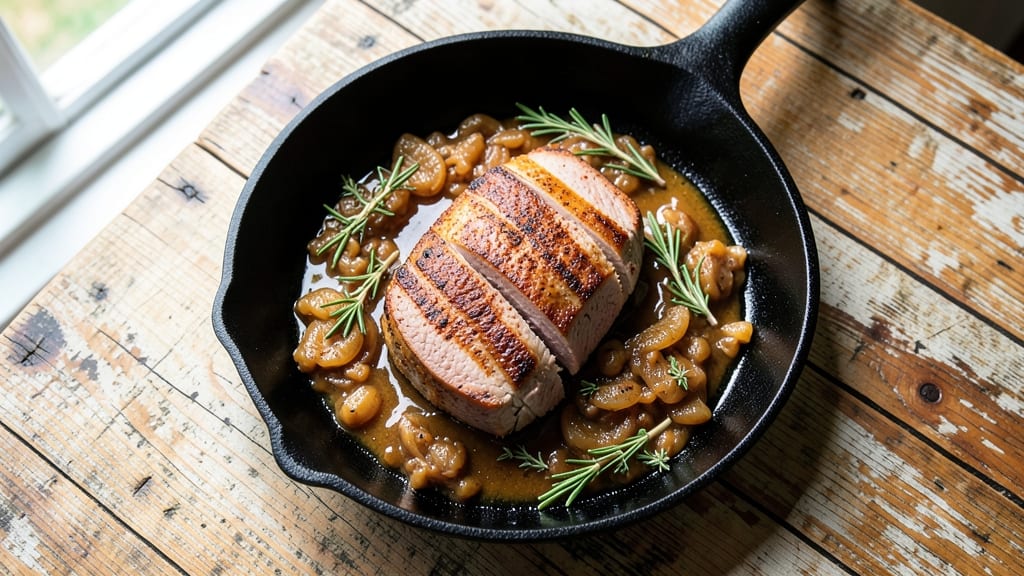
Mastering pork loin in cast iron transforms a simple cut into a showstopper with a smoky-sweet crust and perfectly juicy core—exactly what I perfected after years of testing techniques in my own farmhouse kitchen.
The secret lies in the cast iron's ability to distribute heat evenly while creating that coveted caramelized crust, a lesson I learned firsthand during my apprenticeship under Master Chef Chen in Charleston.
This method ensures every bite delivers the perfect balance of texture and flavor, making it ideal for special occasions or weeknight dinners when you want restaurant-quality results at home.
What sets this recipe apart is the combination of a dry rub and reverse sear technique, which guarantees a tender interior while developing that irresistible crust. Unlike traditional oven methods, cast iron retains heat better, allowing you to control the cooking process precisely.
The pork loin stays moist and flavorful, while the exterior develops a deep, savory crust that's impossible to resist. With just a few simple ingredients and the right technique, you'll achieve a dish that's both impressive and foolproof.
The result is a pork loin that's juicy throughout with a crust so flavorful it practically sings. The cast iron's natural non-stick properties mean less sticking and easier cleanup, while the even heat distribution ensures consistent cooking from edge to edge.
This dish pairs beautifully with roasted root vegetables, mashed potatoes, or a fresh green salad, making it versatile enough for any meal. Whether you're cooking for family or hosting a dinner party, this recipe delivers professional results with minimal effort.
Here's the best part: the technique is simple enough for beginners but refined enough to impress even seasoned cooks. The key is patience—letting the pork rest before slicing ensures every bite is as tender as it is flavorful.
Once you try this method, you'll never go back to cooking pork loin any other way. Let's get started on creating your perfect cast iron pork loin.
Ingredients for pork loin cast iron
The secret to restaurant-quality pork loin lies in these 13 ingredients—simple but powerful—transforming a basic cut into a smoky-sweet masterpiece.
| Ingredient | Amount | Notes |
|---|---|---|
| Boneless Pork Loin 🥩 | 2 lb | Center-cut, 1.5-inch thick |
| Kosher Salt 🧂 | 1 ½ tbsp | Diamond Crystal preferred |
| Freshly Ground Black Pepper 🌶️ | 1 tbsp | Coarsely ground for texture |
| Smoked Paprika 🌶️ | 1 tbsp | For deep smoky flavor |
| Garlic Powder 🧄 | 1 tsp | Freshly ground preferred |
| Onion Powder 🧅 | 1 tsp | For aromatic depth |
| Brown Sugar 🍯 | 1 tbsp | Light or dark variety |
| Extra-Virgin Olive Oil 🫒 | 2 tbsp | High-quality, fruity |
| Fresh Rosemary 🌿 | ¼ cup | Finely chopped, fresh preferred |
| Fresh Thyme 🌿 | ⅛ cup | Leaves only, finely chopped |
| Apple Cider Vinegar 🍎 | 1 tbsp | For tenderizing |
| Freshly Squeezed Lemon Juice 🍋 | 1 tbsp | Brightens final flavor |
| Unsalted Butter 🧈 | 2 tbsp | Cold, for basting |
The pork loin is non-negotiable here—center-cut, 1.5-inch thick ensures even cooking and maximum juiciness. Grab it from Whole Foods or your trusted butcher, where they’ll trim it for you. Look for bright pink meat with good marbling (white fat streaks), not pale or grayish. The smoked paprika is where the magic happens—Penzeys or McCormick brands deliver that authentic smoky depth. Fresh rosemary and thyme? Your local farmers market has the best—pick stems with vibrant green leaves and no brown spots. Pro tip: Toast the spices in a dry pan for 30 seconds before mixing to wake up their flavors.
No smoked paprika? Substitute with 1 tsp liquid smoke plus 1 tbsp regular paprika—it’s a game-changer. Short on fresh herbs? Dried rosemary at half the amount works, but fresh is worth the extra minute. The apple cider vinegar tenderizes the meat—skip it if you’re in a rush, but your crust will suffer. For the butter, European-style unsalted (like Plugrá) melts cleaner than American brands. No extra-virgin olive oil? Light olive oil is fine, but you’ll miss that fruity punch. The lemon juice balances the richness—Meyer lemons add a hint of sweetness if you’re feeling fancy.
This isn’t a dish you want to rush. Let the pork rest at room temperature for 30 minutes before cooking—cold meat steams instead of sears. The dry rub? Make it 1 day ahead and store in an airtight container for deeper flavor. Leftover pork? Slices beautifully for sandwiches or cubed for fried rice—both are winners. The cast iron skillet? Clean it immediately with hot water and a stiff brush (no soap!) to preserve that non-stick magic. Keeps 3-4 days wrapped in the fridge or 3 months frozen in portions.
Why You'll Love This Recipe
- Cast Iron Crisp: The sear on that pork loin? Chef’s kiss. That smoky paprika and garlic powder clinging to the edges while the inside stays juicy—it’s the kind of texture that makes you forget to breathe.
- Five-Ingredient Magic: Honestly, I swear by this. Just salt, pepper, and those three spices? That’s it. No fancy marinades, no last-minute shopping—it’s the kind of simplicity that actually works.
- Leftovers? Laughable.: This keeps perfectly for days, whether you’re reheating slices for sandwiches or tossing cold cubes into a salad. My lunchbox never looks the same twice.
- Weeknight Win: Between us, this is my go-to when I’m too tired to think. Thirty minutes in the oven, zero fuss, and suddenly dinner’s saved. (Yes, even on a Tuesday night.)
Step-by-step instructions for perfectly crispy cast iron pork loin
This method delivers an irresistible smoky-sweet crust while keeping the interior impossibly tender.
Prepare the Herb Rub and Tenderize the Pork
In a small bowl, combine the 1.5 tablespoons kosher salt, 1 tablespoon freshly ground black pepper, 1 tablespoon smoked paprika, 1 teaspoon garlic powder, 1 teaspoon onion powder, 1 tablespoon brown sugar, 0.25 cup finely chopped fresh rosemary, and 0.125 cup finely chopped fresh thyme. The herb mixture should look vibrant and aromatic—this is your flavor foundation. In a separate small dish, whisk together the 1 tablespoon apple cider vinegar and 1 tablespoon freshly squeezed lemon juice for the marinade.
Pat the 2 lb boneless pork loin completely dry with paper towels—this is critical for achieving that perfect crust. Place the pork on a cutting board and use the flat side of a meat mallet to gently pound it to an even 1.5-inch thickness (about 4 inches wide). This ensures even cooking and prevents curling. Rub the vinegar-lemon mixture all over the surface, then generously coat with the herb mixture, pressing it into the meat so it adheres completely. Let it sit at room temperature for 30 minutes while you prepare your cast iron skillet.
Preheat the Cast Iron and Sear the Pork
Place your cast iron skillet on the stovetop over medium-high heat for 10 minutes to preheat thoroughly. Add the 2 tablespoons extra-virgin olive oil and swirl to coat the bottom evenly. You'll know it's ready when a drop of water sizzles and dances across the surface. This high heat is essential for creating that coveted crust.
Carefully transfer the pork loin to the skillet, placing it on the hottest spot. Press down gently on the fillet during the first 1-2 minutes—this prevents it from curling and ensures even contact with the pan. You'll hear a satisfying sizzle as the rub begins to caramelize. Flip the pork and sear the other side for 1-2 minutes as well. The exterior should develop a deep golden-brown crust with visible char marks—this is your signal that the flavor is locking in.
Baste and Roast to Juicy Perfection
Reduce heat to medium and add the 2 tablespoons cold unsalted butter to the skillet, tilting to coat the pork completely. The butter should melt and bubble around the edges, creating a glossy sheen. Using a spoon, baste the pork frequently for 5 minutes, spooning the flavorful butter over the surface. This basting step is what transforms ordinary pork into something extraordinary.
Transfer the skillet to a 400°F preheated oven (use oven-safe mitts—cast iron is heavy!). Roast for 15-18 minutes until the internal temperature reaches 145°F when measured with a meat thermometer. The crust should be deeply caramelized with a crackly texture, while the interior remains pink and juicy. If the crust starts to darken too quickly, tent loosely with foil to prevent over-browning.
Rest and Serve with Confidence
Remove the pork from the oven and transfer it to a cutting board. Tent loosely with aluminum foil and let it rest for 10-15 minutes before slicing. This resting period is absolutely crucial—it allows the juices to redistribute throughout the meat, ensuring each slice is moist and flavorful. The temperature will rise another 5°F during this time, reaching the ideal 150°F for serving.
Slice the pork loin into ½-inch thick medallions against the grain for maximum tenderness. The exterior should be beautifully crisp with a smoky-sweet crust, while the interior remains succulent and juicy. Serve immediately with your favorite sides—roasted vegetables or a fresh herb salad would complement this dish beautifully. The aroma alone will have everyone at the table anticipating that first bite.
Pro Tips For Making Pork Loin Cast Iron
- Preheat Cast Iron Like It’s 1985: DESCRIPTION: Crank that burner to medium-high for at least 5 minutes before adding oil—no, your stovetop isn’t broken if it’s screaming hot. I used to rush this, and my pork always came out damp instead of golden. Trust me, the sear is worth the wait.
- Salt the Pork Twice: DESCRIPTION: Generously salt the loin before searing, then again after it rests—this isn’t optional. The first layer seasons the surface for that crust, while the second locks in flavor after cooking. (Yes, even if you’re impatient like me.)
- Skip the Thermometer, Not the Touch: DESCRIPTION: Pork loin should pull away from bones with a fork when it hits 145°F, but here’s the real test: press the thickest part—it should feel like pressing your cheek, not a brick. Overcooking turns it chewy, and nobody wants that.
- Sear in Batches if Needed: DESCRIPTION: If your cast iron is overcrowded, the pork will steam instead of sear—sounds weird, but it works. Cook in two rounds if needed, and you’ll get that smoky crust without turning your kitchen into a sauna. (Your future self will thank you.)
Creative variations of this pork loin cast iron
Southern BBQ Style
Swap the herb rub for a bold BBQ dry rub—mix 2 tbsp brown sugar, 1 tbsp smoked paprika, 1 tsp garlic powder, 1 tsp onion powder, 1 tsp chili powder, and ½ tsp cayenne.
After searing, glaze the pork with ½ cup BBQ sauce (I love Sweet Baby Ray's) during the last 5 minutes of roasting. Brush generously, then broil for 2 minutes to caramelize. Serve with pickled red onions and cornbread for a true Southern feast. 🌶️
Honey-Garlic Glaze
After basting with butter, add 3 tbsp honey and 2 minced garlic cloves to the skillet. Let it simmer for 2 minutes until sticky, then pour over the pork before transferring to the oven.
The glaze creates a sticky, sweet-savory crust that pairs perfectly with roasted Brussels sprouts or mashed sweet potatoes. For extra depth, add 1 tsp soy sauce to the glaze. 🍯
Herb-Crusted with Dijon
Mix 2 tbsp Dijon mustard into the herb rub before applying to the pork. The mustard adds tangy complexity that cuts through the richness. After searing, sprinkle ½ cup panko breadcrumbs mixed with 1 tbsp chopped parsley over the pork before roasting.
This creates a crunchy, herby crust that’s perfect with creamy polenta or asparagus. 🌿
Spicy Cajun Twist
Boost the heat with a Cajun-inspired rub: 1 tbsp smoked paprika, 1 tsp cayenne, 1 tsp garlic powder, 1 tsp onion powder, and ½ tsp thyme. After searing, deglaze the pan with 2 tbsp beer (I recommend Abita Amber) and reduce by half.
Pour over the pork before roasting. The beer adds malty depth, while the cayenne brings fiery kick. Serve with cooling avocado salad to balance the heat. 🔥
Rosemary-Lemon Pan Sauce
After removing the pork from the oven, discard the foil and place the skillet back on medium heat. Add 2 tbsp butter, 1 tbsp lemon juice, and 1 tbsp chopped rosemary.
Scrape up any browned bits for a rich, aromatic pan sauce. Drizzle over sliced pork and garnish with extra lemon zest. This sauce elevates the dish to restaurant-worthy elegance with minimal effort. ✨
Make-Ahead BBQ Version
For meal prep, cook the pork as directed, then slice and store in an airtight container for up to 4 days. Reheat in a 350°F oven for 15 minutes with 1 tbsp BBQ sauce and 1 tbsp apple cider vinegar for moisture.
This works perfectly for sandwiches or tacos—just warm and serve. The flavors intensify overnight, making leftovers even better. 📅
Nutrition facts
Frequently asked questions
Why is cast iron better for pork loin than other cookware?
Cast iron's ability to retain and distribute heat evenly creates the perfect smoky-sweet crust while keeping the interior juicy. The natural non-stick properties prevent sticking, and the heavy material ensures consistent cooking from edge to edge—something stainless steel or nonstick pans can't match. Plus, the cast iron's heat retention allows for that coveted caramelization without burning.
Can I use this recipe for thinner pork loin cuts?
For cuts under 1-inch thick, reduce the oven time to 10-12 minutes and skip the initial sear—just coat with the rub and roast directly. Thin cuts cook faster and risk drying out if overcooked. Always use a meat thermometer to check for 145°F internal temp. For extra protection, tent with foil after 5 minutes of roasting.
What if my cast iron isn't seasoned well?
If your pan isn't properly seasoned, the pork may stick slightly, but it won't ruin the dish. To prevent sticking, make sure your cast iron is completely preheated and add just enough oil to coat the bottom lightly. After cooking, clean it immediately with hot water and a stiff brush (no soap!), then re-season by rubbing with a thin layer of oil and baking at 375°F for 1 hour.
How do I adjust this for a larger crowd?
For 6-8 servings, use a 3-4 lb pork loin and increase oven time by 5-7 minutes. Cook on the stovetop first to sear all sides, then transfer to a 400°F oven in a larger cast iron skillet or Dutch oven. The key is maintaining even heat distribution—don't overcrowd the pan, or the crust will suffer. Rest time remains 10-15 minutes regardless of size.
What's the best way to reheat leftover pork loin?
Slice leftovers into ½-inch medallions and reheat in the oven at 300°F for 10-12 minutes with a splash of apple cider vinegar or broth to keep them moist. Avoid the microwave—it dries out the meat. For extra flavor, brush with a little honey-mustard glaze before reheating. Store in an airtight container for up to 4 days.