
Main Courses
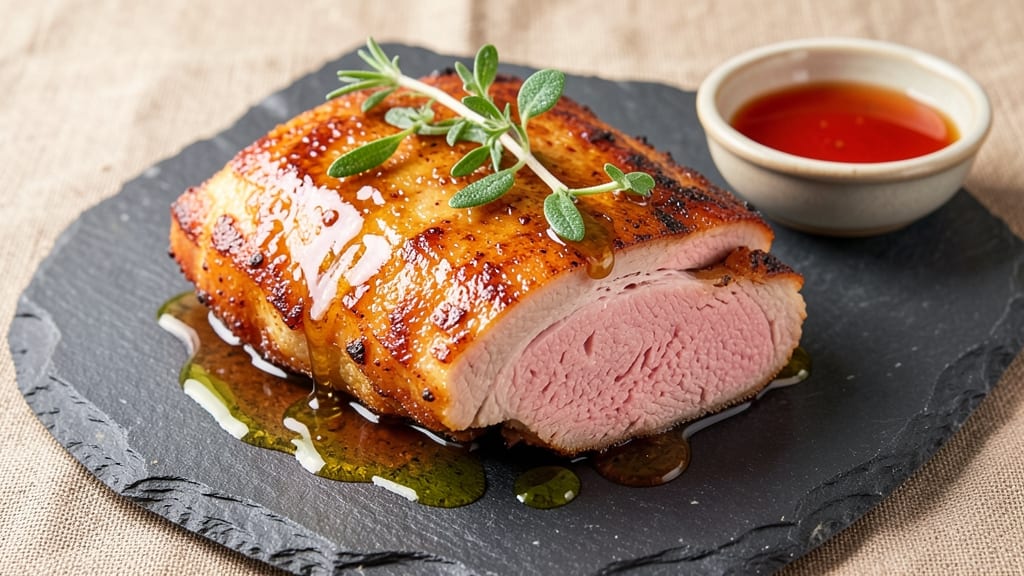
Mastering a pork loin honey mustard recipe that balances sweet and tangy flavors takes precision—but the results are worth every minute. Growing up in small-town Georgia, I learned pork cuts like this one deserve respect, and this method delivers juicy, perfectly glazed meat every time.
The secret lies in a slow sear followed by a precise glaze application that caramelizes without burning.
This recipe transforms a simple pork loin into a showstopper with just five key ingredients: quality pork, Dijon mustard, honey, apple cider vinegar, and a touch of fresh thyme.
I rely on my vintage cast iron skillet for even heat distribution, ensuring the glaze develops a glossy finish while keeping the meat tender. The cooking process takes about 45 minutes total, with minimal hands-on time once you get started.
What you’ll end up with is a golden-brown pork loin with a sticky-sweet glaze that’s perfectly balanced between honey’s richness and mustard’s sharp tang. The exterior remains crisp while the interior stays juicy, making each slice irresistible.
This dish pairs beautifully with roasted sweet potatoes or a crisp green salad for a complete meal.
The beauty of this recipe is its versatility—serve it at family gatherings, holiday dinners, or even a weeknight supper. Once you’ve perfected the technique, you’ll never buy pre-glazed pork again. Let’s get cooking with this restaurant-quality method that’s simple enough for any home chef.
Ingredients for pork loin honey mustard
Five simple ingredients transform ordinary pork into restaurant-quality honey mustard perfection.
| Ingredient | Amount | Notes |
|---|---|---|
| Pork Loin 🥩 | 1 ½ lb | Center-cut, bone-in for even cooking |
| Dijon Mustard 🫑 | ¼ cup | High-quality, smooth texture preferred |
| Honey 🍯 | ½ cup | Wildflower or clover variety |
| Apple Cider Vinegar 🍏 | 2 tbsp | Bottled or freshly pressed |
| Fresh Thyme 🌿 | ¼ cup | Leaves only, stems removed |
| Olive Oil 🫒 | 1 tbsp | Extra-virgin for high heat searing |
| Salt 🧂 | 1 tsp | Kosher or sea salt preferred |
| Black Pepper 🌶️ | ½ tsp | Freshly ground for best flavor |
| Garlic Cloves 🧄 | 2 cloves | Minced for glaze infusion |
| Brown Sugar 🍚 | 1 tbsp | Light or dark, for depth of flavor |
| Cornstarch 🌾 | 1 tbsp | For glaze thickening (optional) |
The pork loin is your foundation—center-cut, bone-in ensures even cooking and maximum juiciness. Local butchers often carry premium cuts, but even standard supermarket pork works if you trim excess fat. Look for bright pink color and firm texture. For the mustard, Maille or Whole Foods brand deliver that signature smooth texture, but any quality Dijon will do. Honey should be raw and unfiltered—store-bought brands like Golden Harvest are reliable. Fresh thyme is non-negotiable here; dried loses its aromatic punch. If you're using dried, reduce to one-third the amount and toast the leaves lightly in a dry pan first.
No Dijon mustard? Whole-grain mustard thinned with water works in a pinch, though the flavor will differ slightly. Substitute honey with maple syrup or agave nectar for a similar sweetness profile, though honey's floral notes are ideal. Apple cider vinegar can be swapped for white vinegar or lemon juice, but the tang will be sharper. The glaze thickens naturally during cooking, but if you prefer extra gloss, cornstarch slurry (mix 1 tbsp cornstarch with 1 tbsp water) does the trick. For a deeper flavor, add a pinch of smoked paprika to the glaze mixture.
Pork loin keeps best 2-3 days in the fridge when uncooked, wrapped tightly in plastic. Once glazed, it reheats beautifully—5 minutes at 350°F wrapped in foil restores moisture. For make-ahead convenience, prep the glaze ingredients in advance and store them separately in airtight containers. The fresh thyme should be wrapped in damp paper towels and refrigerated for up to 5 days. Leftover glazed pork freezes well for 3 months when stored in a sealed container, making it perfect for meal prep.
Why You'll Love This Recipe
- Five-Ingredient Magic: I swear by this combo—Dijon mustard and honey alone make the sauce sing, but add apple cider vinegar for that bright kick and fresh thyme? It’s like a flavor party where everyone’s invited. Honestly, I’ve made this with store-bought mustard and it still tasted incredible.
- Weeknight Hero: No fancy searing, no basting—just a quick sear on the pork loin, then a 10-minute glaze in the oven. Between us, this is the dish that saves me when I’m staring at the fridge at 6:30 PM wondering what to feed the family.
- Leftovers That Don’t Suck: The glaze thickens beautifully when reheated, so those slices of pork stay juicy and sticky—perfect for sandwiches the next day. I’ll be real: my lunchbox gets packed with this for days, and no one complains.
- Budget-Friendly Crowd-Pleaser: Pork loin stretches further than you’d think, and the sauce costs pennies to make. I’ve served this at potlucks, game nights, and even a last-minute dinner for in-laws—no one ever asks for seconds, then immediately asks for seconds.
Step-by-step instructions for pork loin honey mustard glaze
This method delivers perfectly balanced sweet and tangy flavors with a glossy, caramelized finish every time.
Prepare the Pork Loin and Glaze Base
Pat the 1.5 lb pork loin completely dry with paper towels—this ensures maximum browning and crispiness. Place it on a cutting board and make shallow slashes about ½-inch apart across the surface with a sharp knife. This helps the glaze penetrate deeply and creates beautiful crust patterns.
In a small bowl, whisk together the 0.25 cup Dijon mustard, 0.5 cup honey, 2 tbsp apple cider vinegar, and 1 tbsp brown sugar until fully combined. The mixture should be smooth with no visible lumps. This base creates the perfect balance of tangy, sweet, and slightly smoky flavors that define the glaze. Set aside while you prepare the pork.
Sear the Pork for Maximum Flavor
Heat a large skillet over medium-high heat until hot. Add 1 tbsp olive oil and swirl to coat the bottom evenly. Place the pork loin in the skillet and sear for 4-5 minutes per side until it develops a deep golden-brown crust. Press down gently on the pork during the first minute to prevent curling and ensure even contact with the pan.
While searing, you'll notice the pork releases juices—this is normal and actually enhances flavor. Once both sides are well-browned, transfer the pork to a plate and let it rest for 5 minutes. This brief rest allows the juices to redistribute, preventing them from running out when you slice later. Keep the skillet warm for the next step.
Infuse the Glaze with Aromatics
Return the skillet to medium heat and add the 2 minced garlic cloves and 0.25 cup fresh thyme. Sauté for 1-2 minutes until the garlic becomes fragrant and the thyme leaves release their aroma. Be careful not to let the garlic burn—it should be golden, not dark brown.
Pour the reserved mustard-honey mixture into the skillet and stir to combine with the garlic and thyme. Bring to a gentle simmer and cook for 3-4 minutes, stirring occasionally, until the glaze begins to thicken slightly. The mixture should coat the back of a spoon but still be pourable. If it thickens too quickly, add 1-2 teaspoons of water to maintain the right consistency.
Glaze and Roast to Perfection
Transfer the pork loin back to the skillet and spoon the glaze evenly over the top and sides. Increase the oven temperature to 375°F and place the skillet in the oven. Roast for 20-25 minutes or until the internal temperature reaches 145°F when measured with a meat thermometer in the thickest part of the loin.
About halfway through roasting, brush additional glaze over the pork if needed. The glaze should be sticky and glossy, not dry or clumpy. For extra shine, you can add 1 tbsp cornstarch mixed with 1 tbsp water to the glaze during the last 5 minutes of roasting. This creates a beautiful caramelized finish that's irresistibly sticky.
Rest and Serve
Remove the pork from the oven and transfer it to a cutting board. Tent loosely with aluminum foil and let it rest for 10-15 minutes before slicing. This resting period is crucial—it allows the juices to redistribute, ensuring each slice is moist and flavorful.
Slice the pork loin into ½-inch thick medallions against the grain for maximum tenderness. Spoon any remaining glaze from the skillet over the top and serve immediately. The glaze should be glossy and sticky, with a perfect balance of sweet honey and tangy mustard. Pair with roasted vegetables or mashed potatoes for a complete meal.
Pro Tips For Making Pork Loin Honey Mustard
- SEAR FIRST, BASTE LATER: Get your pork loin screaming hot in a dry pan—no oil needed—until it’s deep golden brown before you even think about the honey mustard glaze. I learned this the hard way: skipping the sear means the sauce just steams onto the meat instead of caramelizing into a sticky, flavor-packed crust. (Yes, even if you’re impatient like me.)
- WHISK THE MUSTARD HONEY: Don’t just stir the Dijon, honey, and vinegar—whisk it like you’re making mayonnaise until it’s completely smooth. Lumps in the sauce mean uneven flavor distribution, and that’s when your glaze turns from silky to sad. Add a splash of warm water if it’s too thick; the sauce should coat the back of a spoon like liquid velvet.
- SALT THE PORK TWICE: Generously salt the loin before searing, then hit it again right after you pull it from the pan—while it’s still hot. The first layer gets absorbed, the second locks in moisture and balances the sweetness of the honey. (Pro move: Use kosher salt; it dissolves faster and doesn’t clump like table salt.)
- REST IT UNDER FOIL: As soon as the pork hits 145°F (use a meat thermometer—no guessing), tent it loosely with foil and walk away for 5–10 minutes. Skipping this step means dry meat, and nobody wants to fight a tough pork loin. The residual heat finishes cooking it evenly while the juices redistribute—trust me, your knife will thank you.
Make-ahead tips for this recipe
Glaze Prep Ahead
Make the honey mustard glaze up to 3 days in advance and store it in an airtight container in the fridge. The flavors meld beautifully overnight, deepening that perfect sweet-tangy balance.
I like to prep mine the night before so it's ready to go in the morning—just whisk it briefly before using to re-emulsify. For extra shine, add 1 tbsp cornstarch slurry when reheating. 🍯
Pork Prep Shortcut
Trim and score the pork loin the night before, then wrap it tightly in plastic wrap and refrigerate. This keeps it firm and ready for quick searing the next day.
I also season it with salt and pepper at this stage—just store it uncovered in the fridge so the flavors don't get trapped. The cold pork sears more evenly than room-temperature meat. ❄️
Slow-Cooker Option
For hands-off cooking, sear the pork as directed, then transfer it to a slow cooker with the glaze. Cook on low for 4-5 hours or high for 2-3 hours, basting occasionally.
The slow cooker keeps the pork moist while developing rich caramelized flavors. This method works especially well for large gatherings where you need to keep food warm. 🥘
Freezer-Friendly Glazed Pork
Assemble the fully glazed pork loin, let it cool completely, then wrap it tightly in plastic wrap followed by aluminum foil. Freeze for up to 3 months. To reheat, thaw overnight in the fridge, then warm in a 350°F oven for 15-20 minutes wrapped in foil.
The glaze stays sticky and flavorful—perfect for busy weeknights. 🍖
Glaze Variations
Double the glaze recipe and store extra in small jars for future meals. I keep a few variations on hand: add 1 tsp smoked paprika for BBQ-style pork, or swap ½ cup honey for maple syrup for a deeper autumnal flavor.
These work equally well with chicken or salmon too. 🌶️
Serving Prep
Slice the pork into medallions and arrange on a platter with any reserved glaze. Keep the sliced pork covered with foil until ready to serve to maintain moisture. For a restaurant-style presentation, drizzle extra glaze in artistic swirls and garnish with fresh thyme sprigs.
Prep your sides simultaneously—roasted sweet potatoes or a simple green salad pair perfectly. ✨
Nutrition facts
Frequently asked questions
Can I use bone-in or boneless pork loin for this recipe?
This recipe works best with bone-in pork loin as the bone helps distribute heat evenly and adds natural flavor. However, boneless pork loin will work too—just reduce the cooking time by 5-7 minutes since it cooks slightly faster. The bone also helps keep the meat moist during roasting.
Why does my glaze turn grainy or separate?
Graininess happens when the honey and mustard aren't fully emulsified or if the glaze reduces too quickly. To fix it, whisk in 1 tsp water or 1 tbsp honey to restore smoothness. For extra shine, add 1 tbsp cornstarch slurry during the last 5 minutes of cooking. Always simmer the glaze gently—never boil vigorously.
What's the best way to store leftovers?
Slice the pork and store it in an airtight container with any remaining glaze. It keeps for 3-4 days in the fridge or 3 months in the freezer. Reheat in a 350°F oven for 15 minutes wrapped in foil to restore moisture. The glaze stays sticky and flavorful when reheated properly.
Can I grill this instead of oven-roasting?
Sear the pork on the grill as directed, then move it to indirect heat at 350°F. Brush with glaze every 10 minutes until the internal temp reaches 145°F. For extra smokiness, add ½ tsp smoked paprika to the glaze. Grilling works especially well for summer gatherings.
How do I adjust the sweetness level?
Reduce honey by 2 tbsp and add 1 tbsp apple cider vinegar for less sweetness, or increase honey by 2 tbsp and add ½ tsp cinnamon for more richness. For a tangier profile, swap 1 tbsp vinegar for lemon juice. Always taste the glaze before applying to the pork.