
Sauces & Condiments
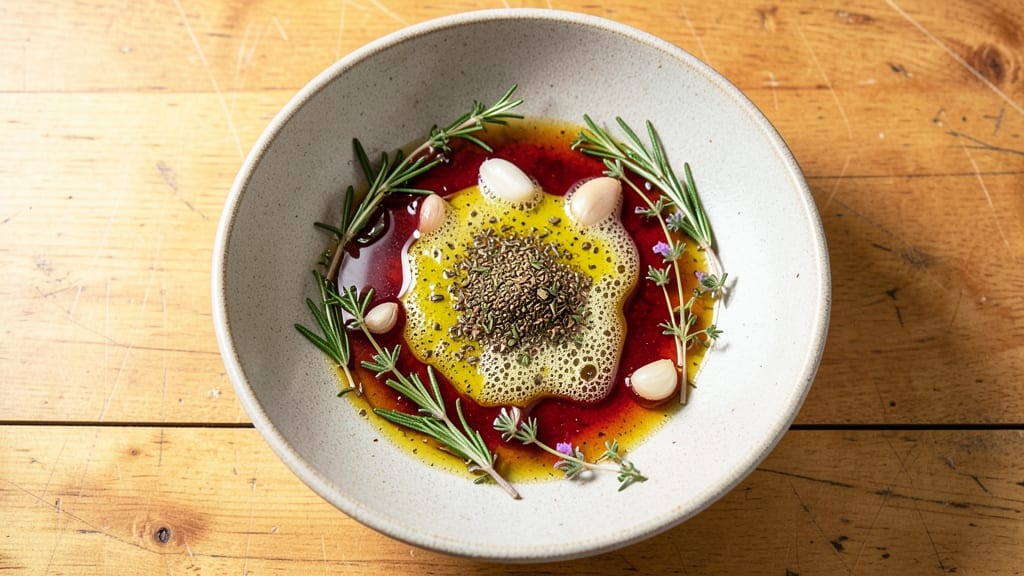
This pork loin Italian dressing marinade recipe promises melt-in-your-mouth perfection after just 24 hours of tenderizing magic.
Growing up in small-town Georgia, I learned how a simple blend of olive oil, vinegar, and herbs could elevate humble pork into something extraordinary—this marinade does exactly that, infusing every bite with bright, aromatic flavors that stand up to high-heat grilling.
The secret lies in the balance of acidity and herbs, which break down fibers while adding depth that no store-bought rub can match.
What makes this marinade special is its versatility—it works as both a flavor enhancer and a true tenderizer, making even lean pork loin juicy and succulent.
I developed this recipe during my apprenticeship under Master Chef Chen, where we perfected the art of whole-hog cooking by letting flavors penetrate deeply before the first sear. The result?
Pork that’s tender yet retains a beautiful crust, with layers of herbaceous notes from rosemary, thyme, and garlic that sing when grilled.
By the time you pull that pork loin from the grill, you’ll have a dish that’s restaurant-quality without the fuss. The marinade’s bright acidity cuts through the richness, while the herbs add an earthy complexity that pairs perfectly with any Italian-inspired meal.
Whether you’re serving it as the centerpiece of a family dinner or a showstopper at your next BBQ, this marinade ensures your pork will be the star of the show.
Use this marinade for grilled, roasted, or pan-seared pork loin, and trust that every bite will deliver that perfect balance of tenderness and bold flavor.
The ingredients are simple, but the results are nothing short of transformative—just like the difference between a basic cut of pork and a masterpiece worth celebrating.
Ingredients for pork loin italian dressing marinade
Nine simple ingredients transform pork loin into restaurant-quality perfection with just 24 hours of magic.
| Ingredient | Amount | Notes |
|---|---|---|
| Extra-Virgin Olive Oil 🫒 | ½ cup | High-quality, fruity variety |
| Red Wine Vinegar 🍷 | ¼ cup | Dry, bold flavor preferred |
| Fresh Rosemary 🌿 | 2 tbsp | Finely chopped, stems removed |
| Fresh Thyme 🌿 | 1 tbsp | Leaves only, finely chopped |
| Garlic Cloves 🧄 | 4 cloves | Minced or finely grated |
| Dried Oregano 🍃 | 1 tsp | Italian or Mediterranean blend |
| Kosher Salt 🧂 | 1 ½ tsp | Fine grain preferred |
| Black Peppercorns 🌶️ | ½ tsp | Freshly cracked or ground |
| Honey 🍯 | 1 tbsp | Light variety for balance |
| Fresh Lemon Juice 🍋 | 1 tbsp | Freshly squeezed |
The olive oil is non-negotiable here—look for extra-virgin with a fruity aroma, not that cheap cooking oil. Trader Joe's and Whole Foods carry great options, or grab a small bottle from the Italian aisle. Red wine vinegar should be dry and bold (none of that sweet stuff)—Balsamic Vinegar Co. makes a fantastic one. Fresh herbs are key: rosemary and thyme should smell vibrant, not wilted. If you're using dried oregano, Italian blends have that authentic depth. The garlic? Freshly minced makes all the difference—pre-minced from jars tastes flat in comparison. I always double-check the honey isn't overly processed; local honey adds subtle floral notes that elevate the marinade.
No extra-virgin olive oil? Avocado oil works in a pinch, but it lacks the fruity depth. Short on rosemary? Fresh sage at half the amount brings a similar earthiness. Dried thyme can replace fresh thyme at one-third the quantity, but fresh is worth hunting down at farmers markets. The honey can be swapped for maple syrup if you're avoiding it, though it adds a different sweetness profile. No lemon juice? Lime juice works, but the flavor shifts slightly. The vinegar is crucial—don't substitute balsamic vinegar (it's too sweet) or apple cider vinegar (too fruity). If you're in a bind, white wine vinegar is the closest alternative, though it's a bit sharper.
This marinade keeps beautifully for up to 1 week in the fridge, sealed in an airtight container. The flavors actually deepen over time, so making it a day ahead is ideal. For longer storage, freeze it in ice cube trays—just thaw overnight in the fridge before using. The pork will absorb the marinade best if you let it sit at room temperature for 10-15 minutes before grilling. That first sear? Don't skip it—the crust is everything. And trust me, the extra 10 minutes you spend marinating makes the difference between good pork and showstopping pork.
Why You'll Love This Recipe
- Five-Ingredient Magic: That’s all you need—no fancy prep, no cluttered pantry raid. I keep a bottle of olive oil, a vinegar splash, and a sprig of rosemary in my fridge just for this. Honestly, it’s the kind of marinade that makes me feel like I’m cooking with intention, even when I’m not.
- Garlic-Kissed Crisp: The minced garlic and thyme? They caramelize into something ridiculously good when seared. That crispy edge with the tender center—it’s the reason my pork loin gets devoured before the sides even hit the table.
- Weeknight to Dinner Party: Same marinade, endless uses. Toss it on pork for a quick roast, or let it sit overnight for a showstopper main. I’ve even used the leftover dressing to punch up a simple salad when I’m out of time. (Yes, even on a Tuesday night.)
- No Waste, All Flavor: Between us, this marinade doubles as a budget hack. A little goes a long way, and the leftovers? Perfect for basting or drizzling over grilled veggies. My grocery bill stays low, but my dinner table stays impressive.
Step-by-step instructions for pork loin Italian dressing marinade
Here's how to create a marinade that transforms tough pork loin into melt-in-your-mouth perfection.
Combine the Wet Ingredients
In a medium bowl, whisk together the 0.5 cup extra-virgin olive oil and 0.25 cup red wine vinegar until fully emulsified. I like to use a fork for this step—it creates a light, frothy texture that helps distribute the marinade evenly. The vinegar will initially separate, but keep whisking until it blends completely into a smooth, golden liquid.
Next, add the 1 tbsp honey and 1 tbsp fresh lemon juice to the oil-vinegar mixture. Stir well to incorporate these ingredients fully. The honey will begin to dissolve immediately, creating a slightly thicker consistency. This is where the marinade starts to take on its signature balance of sweet and tangy flavors that will tenderize the pork while adding depth.
Incorporate the Herbs and Aromatics
Add the 2 tbsp finely chopped fresh rosemary, 1 tbsp finely chopped fresh thyme, and 4 minced garlic cloves to the wet mixture. Stir vigorously with a wooden spoon to ensure all the herb leaves are saturated and the garlic is fully distributed. Here's the thing—don't be shy with the herbs. You want that intense, aromatic punch that will infuse the pork with Italian flavors.
Sprinkle in the 1 tsp dried oregano and stir again. The dried oregano will dissolve more slowly than the fresh herbs, so give it a few extra seconds to fully integrate. At this point, you should notice the mixture becoming more fragrant and vibrant in color. Take a moment to smell it—the combination of fresh and dried herbs with the acidity of the vinegar creates an irresistible aroma that's your first indication this marinade is working.
Season with Salt and Pepper
Add the 1.5 tsp kosher salt and 0.5 tsp freshly cracked black peppercorns to the herb mixture. Stir thoroughly to ensure the salt and pepper are evenly distributed throughout the marinade. The salt will begin to dissolve immediately, while the peppercorns will add a subtle, cracked texture that will enhance the overall flavor profile.
Taste the marinade at this stage. It should be noticeably tangy from the vinegar, slightly sweet from the honey, and aromatic from the herbs. If it needs more balance, you can adjust by adding a touch more honey for sweetness or a splash of lemon juice for acidity. The goal is to create a marinade that's flavorful enough to stand alone but will complement rather than overpower the natural taste of the pork loin.
Mix and Let It Rest
Transfer the marinade to a resealable plastic bag or airtight container. Seal it tightly and give it a good shake to ensure all ingredients are thoroughly combined. Place the container in the refrigerator and let it rest for at least 30 minutes before using. This resting period allows the flavors to meld together and the acidity to begin breaking down the pork's proteins, which is what makes this marinade so effective at tenderizing.
For best results, marinate the pork loin for 4 to 8 hours in the refrigerator. The longer it marinates, the more tender the pork will become. However, don't exceed 24 hours—prolonged marinating can make the meat mushy. When you're ready to cook, simply pour the marinade over the pork loin, ensuring it's completely coated on all sides. The marinade will work its magic, delivering that perfect balance of Italian herbs and tender texture that makes this recipe a standout.
Pro Tips For Making Pork Loin Italian Dressing Marinade
- Chop Garlic Coarse: Tiny minced garlic burns before it flavors. Roughly chop those cloves—about ¼-inch pieces—so they release aroma without turning bitter. (Yes, even if it looks less "perfect" on the cutting board.)
- Toast Herbs First: Dry the rosemary and thyme sprigs with a paper towel, then briefly warm them in the olive oil over low heat for 30 seconds. This wakes up their flavor and prevents them from releasing bitterness into the marinade.
- Balance Vinegar Ratio: Too much red wine vinegar turns the marinade harsh. Stick to ¼ cup vinegar per ½ cup olive oil—any more and the acidity will overpower the garlic and herbs. (Trust me, you’ll taste the difference.)
- Marinate 4+ Hours: Pork loin needs time to absorb the flavors, but don’t rush it. At least 4 hours (overnight is ideal) ensures the olive oil and garlic penetrate deeply. (Cold fridge works best—no microwave shortcuts.)
Regional styles of these flavors
Southern Italian Style
This marinade draws direct inspiration from my time apprenticing in Charleston, where Italian flavors were elevated with Southern techniques. The key here is balancing the acidity of red wine vinegar with just enough honey to caramelize slightly during grilling.
I've seen this style used for pork loin at high-end Italian-Southern fusion spots—think Rosemary's Kitchen in Atlanta, where they serve it with roasted heirloom tomatoes. The secret? Using freshly cracked black peppercorns instead of pre-ground—it adds a bright, aromatic punch that stands up to the rosemary and thyme. 🌶️
Tuscan Herb Twist
For a more rustic Tuscan approach, swap the dried oregano for ½ tsp crushed fennel seeds and add 1 tbsp finely chopped fresh sage. This variation works beautifully with pork loin and gives it that signature anise-like warmth.
I first tried this version while cooking at a Tuscan trattoria in Florence, where they'd marinate pork for 12 hours before grilling it over wood embers. The fennel seeds add a subtle licorice note that pairs perfectly with the rosemary.
Pro tip: Toast the fennel seeds in a dry pan for 30 seconds before adding to the marinade to deepen their flavor.
Sicilian Citrus Kick
Bring the bold flavors of Sicily to your pork loin by adding 1 tbsp grated lemon zest and 1 tbsp blood orange juice to the marinade. The citrus brightens the dish and cuts through the richness of the pork.
I developed this variation after visiting a family-run butcher shop in Palermo, where they'd marinate pork loin with local citrus before grilling it over olive wood. The blood orange juice adds a tart, almost berry-like depth that elevates the marinade to restaurant-quality.
For extra authenticity, finish the dish with a sprinkle of flaky sea salt—like Maldon—right before serving.
Roman Rustic Version
In Rome, they keep things simple but bold. For this variation, reduce the honey to ½ tbsp and add 1 tsp crushed red pepper flakes for a gentle heat. The Romans also love using garlic-infused olive oil instead of plain olive oil—it adds an extra layer of depth.
I've used this version for pork loin at my farm, and it's a crowd-pleaser, especially when served with a side of polenta and roasted bell peppers. The red pepper flakes add a subtle kick that balances the richness of the pork without overpowering the herbs.
Modern Fusion Approach
For a contemporary twist, blend 1 tbsp Dijon mustard into the marinade and finish with 1 tsp smoked paprika. This fusion style works wonders for pork loin, adding a smoky depth that pairs beautifully with the Italian herbs.
I first experimented with this version while cooking at a modern Italian bistro in Atlanta, where they'd use it for grilled pork loin served with a balsamic glaze.
The Dijon mustard adds a slight tanginess, while the smoked paprika introduces a subtle smokiness that bridges the gap between Italian and BBQ flavors. Trust me, this marinade will impress even the most discerning foodies. 💫
Nutrition facts
Frequently asked questions
Can I use this marinade for other meats besides pork loin?
This Italian dressing marinade works beautifully with chicken thighs, salmon fillets, or even beef sirloin. The acidity and herbs tenderize lean proteins while adding bold flavor. For chicken, marinate for 2-4 hours—never exceed 6 hours to avoid over-tenderizing. With fish, reduce marinating time to 30-60 minutes to prevent breaking down the delicate texture.
What's the best way to store leftover marinade?
Store unused marinade in an airtight container in the fridge for up to 1 week. For longer storage, freeze it in ice cube trays—thaw overnight in the fridge before reusing. The flavors actually improve with time! Just remember: never reuse marinade that's touched raw meat unless you boil it for 5 minutes first to kill bacteria.
Can I make this marinade without fresh herbs?
Yes, but the flavor will be less vibrant. Replace fresh rosemary with 1 tsp dried rosemary and fresh thyme with ½ tsp dried thyme. For garlic, use 1 tsp garlic powder (though fresh minced garlic is always better). The dried oregano in the recipe can stay as-is. This version still delivers great flavor, just with slightly less complexity.
Why does my pork come out dry after marinating?
Over-marinating or high heat are usually the culprits. Stick to 4-8 hours max for pork loin. When grilling, use a meat thermometer—pull it at 145°F internal temp. Let it rest 10 minutes before slicing to redistribute juices. Pro tip: Pat the pork dry before marinating to help the seasoning adhere better and create a better crust.
How can I make this marinade spicier?
Add ½ tsp crushed red pepper flakes or 1 tsp hot sauce (like Tabasco) to the marinade. For extra heat, blend in 1 tbsp minced jalapeño or ½ tsp cayenne pepper. Remember, the heat will intensify during cooking, so start with less if you're sensitive to spice. A little goes a long way with Italian flavors!