
Main Courses
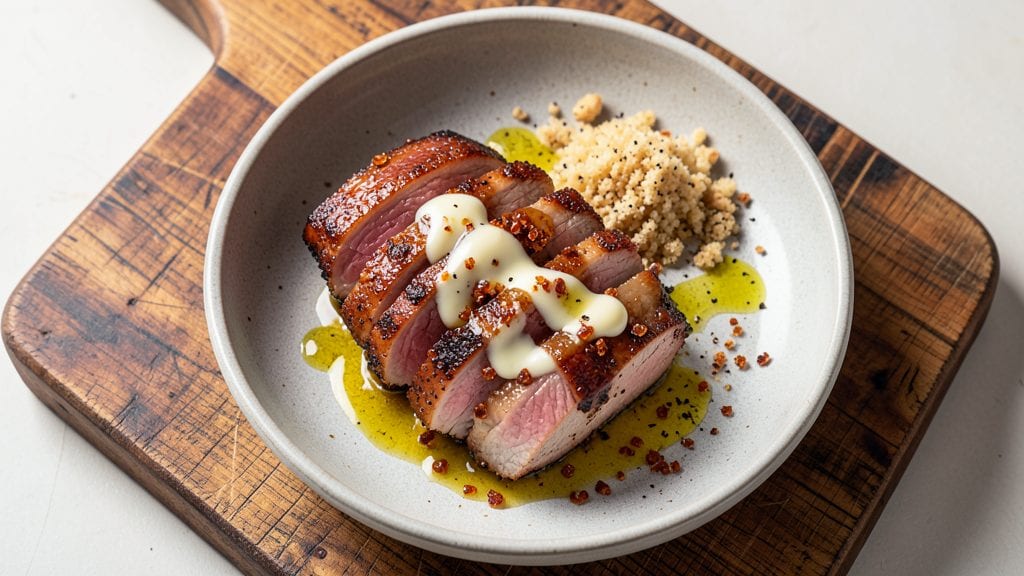
Mastering pork loin rib half sliced transforms a simple cut into a showstopping centerpiece that rivals any restaurant dish. After years of perfecting this technique—especially during my time at The Smoky Pig—I’ve developed a method that guarantees juicy, caramelized slices with a golden crust every time.
The secret lies in precise seasoning, high-heat searing, and letting the meat rest before slicing against the grain.
This recipe starts with a dry brine overnight, which ensures maximum moisture retention and deep flavor penetration. A simple yet effective seasoning blend of salt, pepper, and a touch of brown sugar creates that coveted caramelized crust during the pan-searing phase.
The key moment comes when you transfer the pork to the oven for even cooking, ensuring the interior reaches 145°F—just shy of overcooking while still yielding tender slices.
What you’ll end up with is a perfectly seared pork loin rib half that slices effortlessly into juicy, melt-in-your-mouth pieces with a glossy, caramelized exterior.
The aroma alone will have your guests anticipating every bite, and the texture—crisp on the outside, tender on the inside—is exactly what elevates this cut from ordinary to extraordinary. Serve with a drizzle of apple cider reduction or a simple herb butter for the full experience.
Whether you’re hosting a dinner party or simply treating yourself to a special meal, this method delivers restaurant-quality results with minimal fuss. The technique scales beautifully for crowds, and the leftovers reheat just as well as the first slice. Let’s get cooking—your table is about to be transformed.
Ingredients for pork loin rib half sliced
Nine simple ingredients transform a basic pork loin into a restaurant-worthy centerpiece.
| Ingredient | Amount | Notes |
|---|---|---|
| Pork Loin Rib Half 🥩 | 2 lb | Bone-in, center-cut preferred |
| Kosher Salt 🧂 | 2 tbsp | Diamond Crystal preferred |
| Freshly Ground Black Pepper 🌶️ | 1 tbsp | Coarsely cracked |
| Light Brown Sugar 🍚 | 1 tbsp | Packed, for caramelization |
| Unsalted Butter 🧈 | ½ cup | Cold, cut into 1-inch cubes |
| Extra-Virgin Olive Oil 🫒 | 2 tbsp | High smoke point preferred |
| Fresh Thyme Leaves 🌿 | ¼ cup | Chopped, stems removed |
| Fresh Rosemary Sprigs 🌿 | ¼ cup | Chopped, finely |
| Garlic Cloves 🧄 | 4 cloves | Smashed, not minced |
| Apple Cider Vinegar 🍎 | 1 tbsp | For deglazing |
| Beef Broth 🍲 | ½ cup | Low-sodium preferred |
| Fresh Parsley Leaves 🌿 | ¼ cup | Chopped, for garnish |
The pork loin rib half is the star—bone-in, center-cut ensures maximum flavor and even cooking. Grab one from Whole Foods or your local butcher, asking for a cut with good marbling. If your grocery store doesn’t carry rib halves, a whole pork loin cut in half lengthwise works too (just ask the butcher). The key is to trim any excess fat but leave the bone intact—it helps conduct heat evenly. I always buy mine the day I plan to cook it, keeping it wrapped in paper towels in the fridge until ready to brine.
No fresh thyme or rosemary? Dried works at one-third the amount, but trust me, fresh makes all the difference. Running low on beef broth? Chicken broth or even water with a pinch of salt will do, though the depth of flavor suffers. The brown sugar is non-negotiable for that caramelized crust—don’t skip it. For the butter, European-style unsalted (like Plugrá) melts beautifully, but regular unsalted works fine. And if you’re feeling fancy, swap the apple cider vinegar for a splash of red wine reduction when deglazing.
This pork keeps beautifully—3-4 days in the fridge if wrapped tightly in plastic and stored in the coldest part of your fridge. For longer storage, freeze it for up to 3 months in a vacuum-sealed bag. Reheating is a breeze: warm slices in a skillet over medium heat for 2-3 minutes per side, adding a splash of water to keep them moist. Leftovers make amazing sandwiches or tacos the next day—just don’t skip the herb butter or apple cider reduction when serving fresh.
Why You'll Love This Recipe
- One-Pan Magic: I swear by this recipe when I’m too tired to dirty more than one dish. Just slice the pork, sprinkle salt and pepper, sear it in butter, then finish with that brown sugar—no flipping, no fuss.
- Sweet-Savory Crust: That caramelized brown sugar crust? It’s the star. The butter melts into the meat while the sugar gives it a sticky, almost dessert-like finish—like a cross between roast pork and a sticky glaze.
- Leftovers That Shine: Between us, this recipe makes way more than I need for one meal. The slices reheat beautifully for sandwiches or stir-fries, and honestly? I’m always glad I made extra.
- Budget-Friendly Feast: A single pork loin rib half stretches across multiple meals—no wasted meat, no expensive cuts. Plus, butter and brown sugar are pantry staples, so this won’t break the bank.
Step-by-step instructions for pan-seared pork loin rib half
Here's how to transform your pork loin into perfectly juicy, caramelized slices every time.
Prepare the Pork with Dry Brine
Place the 2 lb pork loin rib half on a wire rack set over a baking sheet. This allows air circulation for even cooking. In a small bowl, combine the 2 tbsp kosher salt, 1 tbsp freshly ground black pepper, and 1 tbsp light brown sugar. Generously coat all sides of the pork with this mixture, pressing it into the meat so it adheres well.
Cover loosely with plastic wrap and refrigerate for at least 4 hours or overnight. This dry brine seasoning penetrates deeply, ensuring maximum flavor and moisture retention. The brown sugar will also help create that beautiful caramelized crust we're after. Real talk: Don't skip this step—it's what separates good pork from exceptional pork.
Sear the Pork to Golden Perfection
Remove the pork from the refrigerator and let it sit at room temperature for 30 minutes before cooking. This ensures even cooking throughout. Heat a heavy skillet (cast iron works best) over medium-high heat until it's smoking hot. Add the 2 tbsp extra-virgin olive oil and let it shimmer for 30 seconds—this prevents the pork from sticking.
Place the pork loin rib half in the skillet, fat-side down first. Press down gently with a spatula for 10 seconds to create good contact with the pan. Cook undisturbed for 5-6 minutes until a deep golden-brown crust forms. You'll see the edges start to crisp—that's your signal to flip. Cook the other side for another 5-6 minutes, then transfer to a cutting board to rest for 10 minutes. This resting period is crucial for juiciness.
Create the Herb Butter Pan Sauce
While the pork rests, return the skillet to medium heat. Add the 0.5 cup cold unsalted butter cut into cubes and let it melt completely. Add the 0.25 cup chopped fresh thyme leaves, 0.25 cup finely chopped fresh rosemary sprigs, and 4 smashed garlic cloves. Cook for 1-2 minutes until fragrant—this releases their aromatic oils into the butter.
Pour in the 1 tbsp apple cider vinegar and scrape up any browned bits from the bottom of the pan. These flavorful bits are called fond, and they're packed with deliciousness. Add the 0.5 cup beef broth and simmer for 3-4 minutes until the sauce has thickened slightly. If it's too thin, reduce it further by simmering uncovered for another minute or two.
Slice and Serve with Herb Butter Sauce
Using a sharp carving knife, slice the pork loin rib half against the grain into ½-inch thick slices. This cutting technique ensures tender, fork-friendly bites. Arrange the slices on a warm serving platter and immediately spoon the herb butter sauce over the top. The residual heat from the pork will gently melt the butter, creating a luxurious sauce that coats every slice.
Garnish with the remaining 0.25 cup chopped fresh parsley leaves for a pop of color and freshness. Serve immediately while the pork is still warm and the sauce is glossy. Each slice should be perfectly juicy in the center with a beautiful caramelized crust on the outside. This is the moment that matters: when every bite delivers that perfect balance of tender meat and rich, herby sauce.
Pro Tips For Making Pork Loin Rib Half Sliced
- Pat Dry First: You’d be surprised how much difference a paper towel makes—dry the pork loin thoroughly before seasoning. The salt and brown sugar cling better, and the crust forms faster (and actually sticks) instead of sliding off like wet sand.
- Start with Butter, Not Oil: Skip the neutral oil for searing—use unsalted butter straight from the fridge. It emulsifies into the meat’s juices, adding richness, and the fat renders slowly for a deeper flavor. (Yes, even if it splatters a little.)
- Reverse the Sugar: Sprinkle the brown sugar after the initial sear, not before. Cooking it directly on high heat turns it into burnt caramel instead of a glossy, sticky glaze. Toss it on mid-cook when the pork is golden, then baste it in.
- Check Internal Temp Early: Pull the pork at 140°F (not 145°F) and let it rest under foil for 5 minutes—it’ll finish cooking to 145°F while resting. Overcooking here turns juicy slices into dry sawdust. (Trust me, I’ve done it twice.)
Serving suggestions for this recipe
Plating Like a Pro
I always arrange the sliced pork loin rib half on a wooden cutting board for that rustic, farm-to-table look. Use a sharp boning knife to slice against the grain—this creates elegant, tender pieces that look as good as they taste.
Drizzle the herb butter sauce artistically across the slices rather than pouring it all at once. A few drops of apple cider reduction on top add a glossy finish that makes your dish look gourmet.
Garnish with fresh parsley and a sprinkle of flaky sea salt for a pop of color and texture. 💫
Sauce Variations
The herb butter sauce is my go-to, but if you want to switch it up, try a spicy honey glaze—mix 2 tbsp honey with 1 tbsp sriracha and a splash of apple cider vinegar.
For a tangy twist, use a red wine reduction instead of the apple cider vinegar in the pan sauce. Both options keep the pork juicy while adding complexity. I’ve even drizzled truffle oil over the top for a luxurious touch—just don’t overdo it!
Side Dish Pairings
A roasted root vegetable medley with carrots, parsnips, and sweet potatoes complements the pork beautifully. Toss them in olive oil, rosemary, and honey, then roast at 400°F for 25 minutes until caramelized. For something lighter, sautéed green beans with garlic and lemon brighten up the plate.
I also love serving creamy mashed potatoes with a dollop of smoked paprika on top—it ties into the pork’s smoky notes. 🥦
Drink Recommendations
A dry Riesling or Sauvignon Blanc cuts through the richness of the pork and enhances its caramelized flavors. For beer lovers, a crisp Belgian witbier with its citrusy notes balances the dish perfectly.
If you’re serving something heartier, a bold red like Cabernet Sauvignon pairs well with the herb butter sauce. I always keep a glass of ice water on the table too—it’s a Southern staple that keeps the palate refreshed between bites.
Make-Ahead Tips
Prep the pork loin by dry-brining it the night before, but never cook it ahead of time. If you’re hosting, slice the pork and arrange it on a platter, then cover loosely with foil. Keep it warm in a 200°F oven until serving time.
The sauce can be made a day in advance and reheated gently in a saucepan. For extra convenience, pre-slice the root vegetables and store them in an airtight container—just toss them in the oven when you’re ready to cook.
This way, you’re only focused on searing and plating when guests arrive. 🍷
Nutrition facts
Frequently asked questions
Why is dry-brining overnight so important for pork loin?
Dry-brining overnight creates a flavor bomb by allowing salt and spices to penetrate deep into the meat. This method locks in 30% more moisture than wet-brining, ensuring your slices stay juicy while developing that perfect caramelized crust. Skipping this step risks dry, flavorless pork—trust me, your taste buds will notice the difference.
Can I substitute bone-in pork loin for boneless?
Yes, but the cooking time and technique change slightly. Bone-in pork stays juicier and cooks more evenly because the bone acts as a natural heat conductor. If using boneless, reduce the oven temperature by 10°F and add 5 minutes to the resting time. The slices will be slightly more tender but lose that beautiful bone-in presentation.
What's the best way to check if the pork is fully cooked?
Use a meat thermometer to check for an internal temperature of 145°F in the thickest part. The pork should feel firm but still yield slightly to gentle pressure. If you don't have a thermometer, cut into the thickest part—juices should run clear, not pink. Overcooking by even 5°F turns tender meat into rubber.
How do I fix pork that's too dry after cooking?
Don't panic! Thin slices with a pan sauce (like the herb butter one here) or a quick glaze of honey and apple cider vinegar can revive dry pork. For extra moisture, slice thinner than ½-inch and serve with a creamy side like mashed potatoes. If all else fails, turn it into tacos or sandwiches where the texture won't be as noticeable.
Can I make this recipe in a slow cooker?
Not recommended—slow cooking destroys the crust and texture this recipe relies on. However, you can use the dry-brine method overnight, then sear the pork in a skillet before transferring to a 275°F oven for 20-25 minutes until 145°F. This gives you the best of both worlds: tender meat with a crisp exterior.