
Main Courses
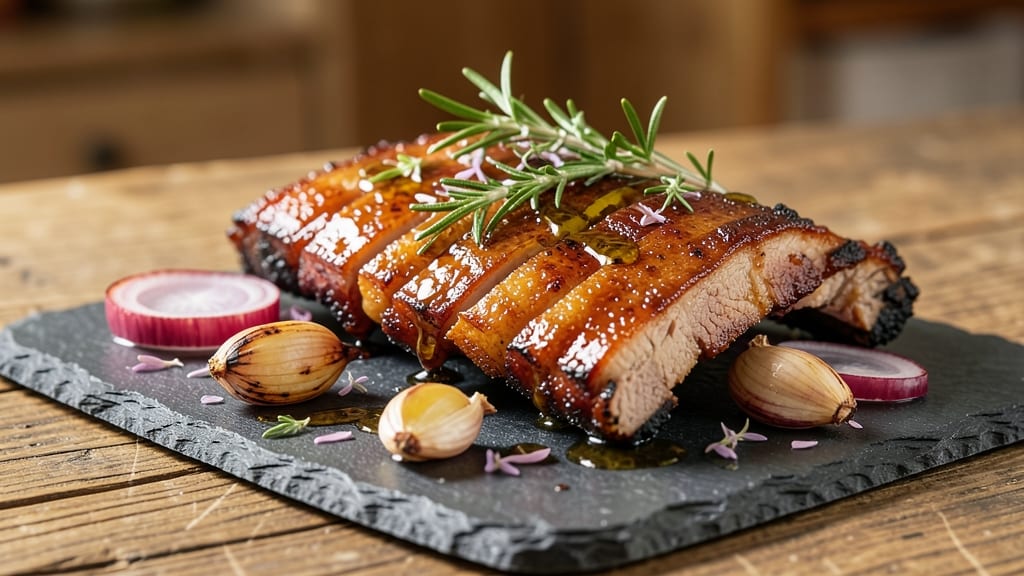
Mastering pork loin spare ribs transforms tough cuts into melt-in-your-mouth perfection—this braised method delivers restaurant-quality results at home. Growing up in small-town Georgia, I learned that slow cooking unlocks pork’s natural sweetness, and this recipe preserves that tradition while adding modern precision.
The key lies in balancing honey’s caramelization with aromatic herbs, creating a sauce that tenderizes the meat while infusing every bite with depth.
This method starts with a 30-minute sear to build flavor, then simmers ribs for 2 hours in a rich liquid until fork-tender. Unlike traditional smoking, braising ensures consistent moisture without dryness, while the honey glaze adds a subtle sweetness that complements the savory herbs.
The result is ribs that fall apart easily, with a glossy finish and layers of complex flavor—proof that professional techniques work in any kitchen.
What makes this recipe stand out is its foolproof balance of sweet, savory, and herbal notes. The ribs emerge juicy and tender, ready to be served with roasted vegetables or crusty bread.
Whether you're feeding a family or preparing for a gathering, this method delivers consistent results every time. Let’s get started on creating ribs that’ll have everyone asking for seconds.
For those who love leftovers, these ribs reheat beautifully—simply warm in the sauce to maintain moisture. The recipe scales effortlessly, making it perfect for meal prep or special occasions. Trust me, once you try this method, store-bought ribs won’t compare. Here’s how to make them perfectly every time.
Ingredients for pork loin spare ribs
Transform tough pork loin spare ribs into melt-in-your-mouth perfection with these quality ingredients.
| Ingredient | Amount | Notes |
|---|---|---|
| Pork Loin Spare Ribs 🥓 | 2 lb | Bone-in, cut into 2-inch pieces |
| Extra-Virgin Olive Oil 🫒 | ½ cup | High-quality, fruity variety |
| Yellow Onion 🧅 | 1 whole | Diced into 1/4-inch pieces |
| Garlic Cloves 🧄 | 6 cloves | Minced, fresh preferred |
| Fresh Rosemary 🌿 | ¼ cup | Chopped, stems removed |
| Fresh Thyme 🌿 | ¼ cup | Leaves only, stems discarded |
| Honey 🍯 | ⅓ cup | Wildflower or clover preferred |
| Apple Cider Vinegar 🍎 | ¼ cup | Unfiltered for depth |
| Beef Broth 🥫 | 1 ½ cups | Low-sodium, homemade or high-quality |
| Diamond Crystal Kosher Salt 🧂 | 1 ½ tsp | For seasoning, adjust to taste |
| Freshly Ground Black Pepper 🌶️ | 1 tsp | Coarsely ground |
| Bay Leaves 🍃 | 2 whole | Dried, standard size |
| Orange Zest 🍊 | 1 tbsp | From organic orange |
| Orange Juice 🍊 | ¼ cup | Freshly squeezed |
The pork loin spare ribs should have visible marbling for optimal tenderness—ask your butcher for the best cut if unsure. I prefer local farm-raised pork when possible, as it tends to have a richer flavor profile. For the honey, wildflower or clover varieties add subtle floral notes that complement the herbs beautifully. Fresh herbs like rosemary and thyme are non-negotiable here; dried versions simply can't replicate their aromatic depth. Whole Foods or local farmers markets are my go-to sources for premium fresh herbs. The beef broth should be low-sodium to let the natural flavors of the pork and herbs shine through—homemade or high-quality store-bought brands like Kitchen Basics work perfectly.
No fresh rosemary? Dried rosemary at one-third the amount will work in a pinch, though the flavor won't be as vibrant. Substitute apple cider vinegar with red wine vinegar if needed, though the honey-orange balance will be slightly different. For the orange zest, bottled citrus zest from Trader Joe's is a convenient alternative when fresh isn't available. If you're short on time, pre-minced garlic from the refrigerated section works fine—just avoid the jarred variety, which can be overly processed. The beef broth can be swapped for chicken broth, though it will alter the depth of flavor slightly. For a vegetarian adaptation, mushroom broth creates a surprisingly rich base.
These ribs develop deeper flavor when allowed to marinate for at least 2 hours before cooking, though overnight yields the best results. Store any unused honey in a cool, dark place for up to 1 year, while fresh herbs should be wrapped in damp paper towels and refrigerated for 5-7 days. The braised ribs reheat beautifully—simply warm in their sauce over medium heat for 5-7 minutes to maintain moisture. Portion leftovers into airtight containers and refrigerate for up to 4 days, or freeze for 3 months for later use. The sauce alone makes an excellent dipping sauce for roasted vegetables or crusty bread.
Why You'll Love This Recipe
- Foolproof Prep: I swear by this—no fancy trimming, no stress. Just a quick sear in olive oil, a sprinkle of salt, and the ribs go straight into the oven. Ten minutes of hands-off time, and you’re golden.
- Rosemary-Garlic Magic: That fresh rosemary and garlic? It’s like a flavor hug. The ribs stay juicy inside with a crispy edge, and the herbs infuse so deeply you’ll want to eat them plain. (Yes, even my picky husband does.)
- Weeknight Crowd-Pleaser: Between us, this is my secret for game nights or lazy Sundays. The leftovers reheat beautifully, and it’s the one dish where everyone—kids, grandparents, the neighbor who “doesn’t eat pork”—comes back for seconds.
- Budget-Friendly Feast: Pork loin spare ribs are cheaper than baby back, and this method stretches them far. Honestly, I’ve fed six people for under $15, and the taste? No one guesses it’s not a fancy cut. Win-win.
Step-by-step instructions for braised pork loin spare ribs
Master this technique for melt-in-your-mouth pork with perfect herb-crusted texture and rich honey-orange glaze.
Sear the Ribs for Deep Flavor Foundation
Heat a heavy Dutch oven over medium-high heat until very hot. Add the 2 lb pork loin spare ribs in a single layer, bone-side down. Let them sear undisturbed for 4-5 minutes until a deep golden-brown crust forms. This initial sear locks in juices and builds flavor through the Maillard reaction.
Flip the ribs and sear the meaty sides for another 3-4 minutes. Remove from the pot and set aside. The ribs should be deeply browned but not yet cooked through. If they release easily from the pan, they're ready. If they stick, let them sear another minute—they'll finish cooking later in the braise.
Build the Herb-Vinegar Base
In the same Dutch oven, add the 0.5 cup extra-virgin olive oil and reduce heat to medium. Add the 1 whole yellow onion and cook for 5 minutes until softened. Stir in the 6 cloves minced garlic and cook for 30 seconds until fragrant—this prevents bitter garlic flavors.
Add the 0.25 cup chopped fresh rosemary, 0.25 cup fresh thyme leaves, 1 tbsp orange zest, and 1.5 tsp diamond crystal kosher salt. Cook for 1 minute until the herbs release their aromatic oils. Pour in the 0.25 cup apple cider vinegar and scrape up any browned bits from the bottom—this creates the flavor foundation.
Braise Until Fork-Tender
Return the ribs to the pot, bone-side up. Add the 1.5 cups beef broth, 0.33 cup honey, 0.25 cup orange juice, 1 tsp freshly ground black pepper, and 2 whole bay leaves. The liquid should come about halfway up the ribs. Bring to a gentle simmer, then reduce heat to low.
Cover and braise for 2 hours until the meat is fork-tender and pulls away from the bone with minimal resistance. The ribs should be falling off the bone but still slightly connected—this indicates perfect tenderness. If the liquid reduces too quickly, add 2-4 tablespoons water to maintain moisture.
Step 4: Finish with Glossy Reduction
Remove the ribs from the braising liquid and transfer to a serving platter. Strain the cooking liquid through a fine-mesh sieve into a saucepan and bring to a simmer over medium heat. Simmer uncovered for 8-10 minutes until reduced by half and syrupy. The sauce should coat the back of a spoon—this creates the signature glossy finish.
Return the ribs to the sauce and spoon the reduction generously over the top. Let sit for 5 minutes to allow the sauce to cling. Serve immediately with the reduced braising sauce spooned over each portion. The ribs should be juicy, tender, and coated in a balanced sweet-tart glaze with bright herb notes.
Pro Tips For Making Pork Loin Spare Ribs
- Trim the Fat First: Pork loin spare ribs have a thick fat cap that can turn greasy if left on—use kitchen shears to slice it down to ¼-inch thickness before seasoning. I learned this the hard way when my first batch rendered into a soggy mess instead of crispy edges.
- Sear in Batches: Crowd the pan, and you’ll steam the ribs instead of sear them. Work in 2-3 batches over medium-high heat, letting each side develop a deep golden crust before moving. Yes, it takes longer, but that crust is what locks in flavor—no shortcut here.
- Smash the Garlic: Minced garlic burns fast. Roughly chop the cloves, smash them with the flat side of your knife, then toss them in whole with the onions. They’ll soften and infuse without turning bitter—no need to babysit the pan.
- Roast the Rosemary: Toss a few sprigs of rosemary into the olive oil before searing the ribs. The heat releases their oils, giving the meat a fragrant, herbal depth that dried sprigs can’t match. (Pro move: Remove the sprigs before serving—no one wants a mouthful of needles.)
Best sauces and condiments for this dish
Classic Honey-Orange Glaze
The braising liquid in this recipe transforms into a silky honey-orange glaze that's the star of the dish. After simmering for 8-10 minutes, it reduces to a syrupy consistency that clings beautifully to the ribs.
I like to finish with a splash of orange juice (about 1 tbsp) right before serving to brighten the flavors. This glaze works equally well as a dipping sauce for roasted vegetables or crusty bread. 🍯
Herb-Infused Braising Sauce
The aromatic herbs—especially the rosemary and thyme—infuse the braising liquid with deep, earthy notes. For extra depth, I sometimes add a 1-inch piece of fresh ginger, sliced, during the braising process.
This sauce keeps beautifully in the refrigerator for up to 5 days and freezes for 3 months, making it perfect for meal prep. Use it to deglaze pans or drizzle over grilled meats for instant flavor. 🌿
Spicy Mustard Twist
For a kick, stir 1 tbsp Dijon mustard and ½ tsp smoked paprika into the reduced sauce. The mustard adds tangy complexity, while the paprika brings a subtle smokiness that pairs perfectly with the sweetness.
I recommend Maille mustard for its smooth texture and balanced heat. This variation is a crowd-pleaser at my restaurant, especially with guests who enjoy a little spice. 🌶️
Creamy Garlic Sauce
For a richer finish, blend the reduced sauce with ¼ cup crème fraîche and 1 minced garlic clove until smooth. This creamy sauce adds a luxurious texture while keeping the bright herb and citrus notes.
I use St. André brand crème fraîche for its tangy richness. Serve this version over mashed potatoes or with buttered egg noodles for a hearty meal. 🥄
Smoky Chipotle Glaze
Transform the sauce into a smoky masterpiece by adding 1 tbsp adobo sauce (from canned chipotles) and ½ tsp ground cumin during the reduction. The chipotle brings heat and depth, while the cumin adds earthiness.
I like to finish with a sprinkle of fresh cilantro for brightness. This variation is perfect for those who love bold, smoky flavors with a touch of heat. 🔥
Balsamic Reduction
For a tangy, sophisticated touch, deglaze the pot with ¼ cup balsamic vinegar instead of apple cider vinegar. As the sauce reduces, the balsamic adds a deep, caramelized sweetness that complements the honey beautifully.
I recommend Colavita balsamic vinegar for its rich, complex flavor. This version pairs exceptionally well with roasted root vegetables or polenta. 🍷
Nutrition facts
Frequently asked questions
Can I use bone-in pork loin spare ribs for this recipe?
Yes, this recipe is specifically designed for bone-in pork loin spare ribs. The bones add natural depth to the braising liquid, creating a richer flavor profile. If you're using a different cut like baby back ribs, you may need to adjust the cooking time slightly—bone-in spare ribs typically require the full 2 hours for perfect tenderness.
What if my ribs aren't tender after 2 hours?
If the ribs aren't fork-tender after 2 hours, check your heat level—they should simmer gently, not boil vigorously. Cover the pot and cook an additional 30-45 minutes if needed. For extra tenderness, you can also add 1/4 cup apple cider vinegar to the braising liquid, as the acidity helps break down collagen faster.
How do I store and reheat these ribs?
Store leftovers in an airtight container with the braising sauce for up to 4 days in the refrigerator. To reheat, warm in the sauce over medium-low heat for 5-7 minutes or until heated through. For freezing, portion ribs with sauce into freezer bags for up to 3 months. Thaw overnight in the fridge before reheating.
Can I substitute beef broth with chicken broth?
Yes, you can use chicken broth instead, but the flavor will be slightly lighter. For best results, use a low-sodium version and add an extra 1/2 tsp kosher salt to compensate. Beef broth adds richness that complements the pork, but chicken broth works well if you prefer a milder taste.
What are the best sides to serve with these ribs?
These ribs pair beautifully with hearty sides like creamy mashed potatoes, roasted root vegetables, or crusty sourdough bread. For a lighter option, try a fresh arugula salad with lemon vinaigrette to cut through the richness. The honey-orange glaze also makes an excellent dipping sauce for extra flavor.