
Main Courses
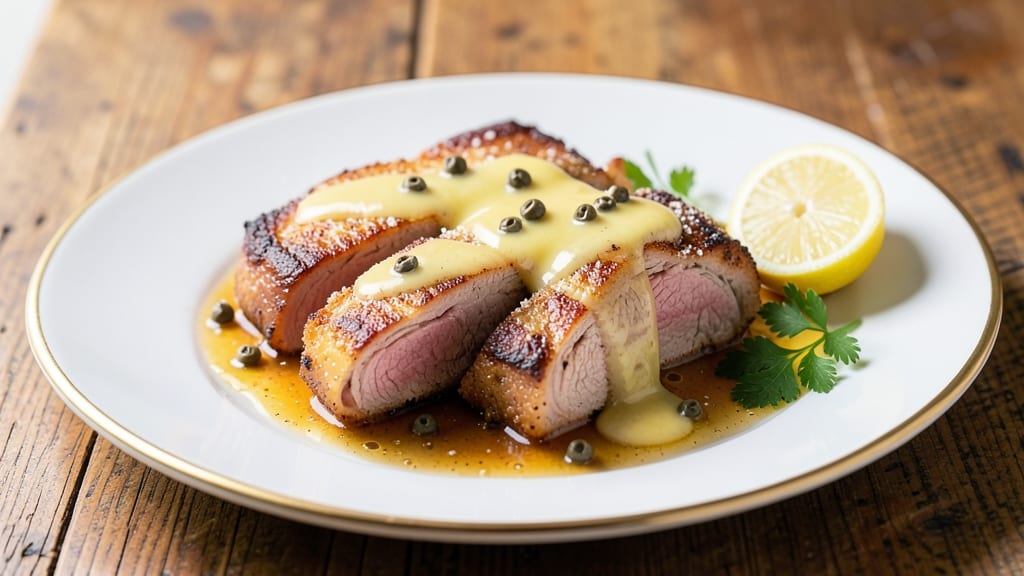
This pork piccata recipe transforms simple pork cutlets into a restaurant-worthy dish with just a few bright ingredients and precise technique.
Standing on a step stool in my grandmother's kitchen in Sicily, I learned how lemon and capers could turn ordinary protein into something extraordinary—now I'm sharing that magic with you.
The secret lies in the sauce: a perfect balance of tangy lemon, briny capers, and rich butter that coats every bite.
The process is simpler than it sounds—pound the pork thin for even cooking, sear it until golden, then deglaze the pan with white wine to create a velvety sauce.
With just 15 minutes of active time, you'll have tender, crisp-edged cutlets swimming in a sauce that's bright, aromatic, and impossible to resist. This dish proves that elegant meals don't require complicated techniques, just attention to detail.
What you'll end up with is a plate that looks as impressive as it tastes: perfectly seared pork cutlets with a glossy, lemon-kissed sauce that clings beautifully. The capers add little bursts of briny contrast, while the butter rounds out the flavors into something rich yet light.
Serve with crusty bread to soak up every last drop of that restaurant-quality sauce.
This recipe scales effortlessly—whether you're feeding a family of four or hosting dinner for six. The sauce can be made ahead and reheated gently, making it perfect for meal prep or special occasions. Let's create a dish that feels like a celebration, no matter the day.
Ingredients for pork piccata
Bright lemon, briny capers, and tender pork—just these ingredients transform dinner into something special.
| Ingredient | Amount | Notes |
|---|---|---|
| Boneless Pork Chops 🥩 | 1 ½ lb | Center-cut, 1/2-inch thick |
| All-Purpose Flour 🌾 | ½ cup | For dredging cutlets |
| Unsalted Butter 🧈 | ½ cup | Cold, cut into pieces |
| Fresh Lemon Juice 🍋 | ½ cup | From 2-3 lemons |
| Dry White Wine 🍷 | ½ cup | Sauvignon Blanc preferred |
| Capers 🫒 | ¼ cup | Drained, brine reserved |
| Garlic Cloves 🧄 | 4 cloves | Minced, fresh preferred |
| Fresh Parsley 🌿 | ¼ cup | Chopped, for garnish |
| Kosher Salt 🧂 | 1 ½ tsp | Plus more for seasoning |
| Ground Black Pepper 🌶️ | ½ tsp | Freshly cracked |
| Olive Oil 🫒 | 2 tbsp | For searing |
| Caper Brine 🫒 | ¼ cup | Reserved from jar |
The pork chops make all the difference. Center-cut, 1/2-inch thick is ideal—thinner means faster cooking, but thicker gives you that perfect sear. I grab mine from Whole Foods or the butcher counter at Trader Joe's—they're usually prepped to order. If you're using thicker chops, pound them to an even thickness with a meat mallet. The flour? King Arthur or Bob's Red Mill are my go-tos—they dredge perfectly without clumping. And don't skip the cold butter for the sauce—it creates those gorgeous, glossy ribbons when melted.
No white wine? Chicken broth with a splash of lemon juice works in a pinch, but the acidity is key here. Capers too expensive? Substitute green olives, pitted and chopped—they add a similar briny punch. Fresh parsley wilting? Dried parsley at one-third the amount keeps the color, though it won't be as vibrant. The caper brine? Don't toss it—it adds depth to the sauce. If you're feeling fancy, add a pinch of red pepper flakes to the sauce for a little heat. And trust me on the cold butter—it's worth the extra minute to cut it into pieces before melting.
This sauce reheats beautifully—just warm it gently over low heat, stirring occasionally. Keeps in the fridge for 3 days or freezes for 3 months. I like to make a double batch because it's perfect over pasta or with roasted potatoes. The pork chops? Best served immediately, but you can reheat them gently in the sauce for 1-2 minutes. Store them in the fridge for 2 days if you're prepping ahead—just reheat with the sauce to keep everything moist.
Why You'll Love This Recipe
- Pan in Hand: I swear by this one—just sear the chops, toss in flour, and let the wine and lemon do the work. No flipping, no fussing, just a quick deglaze and dinner’s ready while you finish your coffee.
- Bright Tang Magic: That lemon-zest finish? It’s the kind of bright, citrusy punch that makes you reach for seconds. The butter cuts through the acidity, leaving you with a dish that’s both bold and balanced—like a hug for your taste buds.
- Weeknight to Weekend: Slap this together for a lazy Tuesday or dress it up with fresh parsley for a dinner party. The same simple steps work for both, and honestly? It’s the kind of recipe that makes you look like a pro without trying.
- Leftovers That Don’t Suck: Piccata reheats like a dream—crispy edges stay intact, and the sauce clings to the pork. I’ve turned day-old portions into sandwiches, salads, or even a quick pasta toss. Budget-friendly? Absolutely. Waste-free? Even better.
Step-by-step instructions for pork piccata
Here's how to make this bright, tangy sauce with minimal fuss—crispy pork and all.
Pound and Season the Pork Chops
Place each of the 1.5 lb boneless pork chops between two sheets of plastic wrap. Using a meat mallet, pound them to an even ½-inch thickness. This ensures they cook through evenly without drying out. Pat them dry with paper towels—moisture is the enemy of crispy skin.
In a shallow bowl, combine ½ cup all-purpose flour, 1½ teaspoons kosher salt, and ½ teaspoon ground black pepper. Press each chop into the flour mixture, coating both sides evenly. Let them sit for 5 minutes while you prepare the pan—this gives the flour time to adhere properly. Don't skip this step; it creates that golden crust we're after.
Sear the Chops in Olive Oil and Butter
Heat a large skillet over medium-high heat and add 2 tablespoons olive oil. Once shimmering, carefully add the floured chops. Cook for 3-4 minutes per side until they're golden brown and the internal temperature reaches 145°F on an instant-read thermometer. You'll know they're ready when they release easily from the pan.
Remove the chops and set them aside on a plate. Reduce the heat to medium and add ½ cup cold unsalted butter, cut into pieces. Let it melt completely, leaving behind those flavorful browned bits that will form the base of our sauce. Don't rush this—those bits are pure flavor.
Build the Lemon-Caper Sauce
Pour in ½ cup dry white wine and scrape up any browned bits from the bottom of the pan. Let it simmer for 2-3 minutes until reduced by half. Add ½ cup fresh lemon juice and ¼ cup capers (drained, reserving the ¼ cup caper brine for later). Stir well and let the sauce bubble gently for 1-2 minutes—you want the lemon to brighten and the capers to soften slightly.
Add the 4 minced garlic cloves and cook for 30 seconds until fragrant. Then pour in the reserved ¼ cup caper brine and simmer for another 1 minute. This step balances the acidity with just enough saltiness. Taste and adjust seasoning if needed—you might want a touch more salt or lemon juice to suit your preference.
Finish and Serve
Return the chops to the skillet and spoon the sauce over them. Let everything simmer together for 1 minute to heat through. The residual heat will gently cook the chops further while infusing them with the sauce's bright flavors. Transfer the chops to a serving platter, spooning the sauce generously over the top.
Garnish with ¼ cup chopped fresh parsley and serve immediately with crusty bread or over pasta. The sauce should coat the chops beautifully, with a perfect balance of lemony tang, briny capers, and buttery richness. Each bite should deliver crispy, juicy pork with that vibrant sauce clinging to every strand.
Pro Tips For Making Pork Piccata
- Use a Cold Pan: I learned this the hard way—starting with a cold pan of butter means your pork chops will steam instead of sear. Heat the pan over medium-high for 2-3 minutes before adding the butter, then toss in the flour-coated chops right when the butter foams. That’s when the magic starts.
- Don’t Skip the Wine Reduction: The sauce is the star here, and skipping the reduction means a thin, watery mess. After deglazing with wine, let it simmer uncovered for 3-4 minutes—just until it’s syrupy enough to coat the back of a spoon. (Yes, even if you’re impatient like me.)
- Pound Chops Evenly: Uneven thickness = uneven cooking. Place chops between plastic wrap and pound to ½-inch thickness with a meat mallet or rolling pin. This isn’t the prettiest method, but it’s the tastiest—no dry edges, no overcooked centers.
- Salt the Pork Before Flouring: I used to salt after dredging, and the seasoning never stuck right. Generously salt the chops 30 minutes before cooking, then pat dry before flouring. The salt will draw out moisture, and the flour will adhere better—no clumpy crust, just golden perfection.
Troubleshooting this recipe
Sauce Too Thin?
If your sauce ends up watery, it’s usually from over-reducing the wine or adding too much lemon juice. My trick? Simmer the sauce uncovered for 2-3 extra minutes to thicken it naturally.
For an instant fix, mix 1 teaspoon cornstarch with 1 tablespoon cold water, stir it in, and cook for 30 seconds until it thickens. Just don’t overdo it—you want glossy, not gluey. 💡
Pork Overcooked?
Pork piccata is delicate, and overcooking turns it tough. Use an instant-read thermometer—pull the chops when they hit 145°F internal temperature. If they’re still pink but firm, they’re perfect.
For extra insurance, let them rest 3-5 minutes before serving. I’ve ruined piccata this way before, but now I never skip the thermometer.
Capers Too Salty?
If your capers taste overwhelmingly briny, it’s likely from the brine. Drain them well and rinse under cold water before adding to the sauce. For a milder flavor, use 1 tablespoon caper brine instead of the full ¼ cup.
If you’re still unsure, balance with extra lemon juice or a pinch of sugar—just ½ teaspoon will do. Taste as you go!
Pan Not Browning?
If your pan isn’t developing those golden brown bits (the fond), your heat might be too low. Increase to medium-high heat and make sure your skillet is hot before adding the chops.
A 10-inch cast-iron skillet works best—it retains heat and creates the perfect sear. If your pan is nonstick, sear over high heat for crispier results. 🔥
Sauce Too Acidic?
Too much lemon juice can make the sauce taste harsh. Balance it with a pat of cold butter or a splash of heavy cream—just 2 tablespoons will smooth out the acidity.
For a Sicilian touch, add ½ teaspoon honey to round out the flavors. I learned this trick from Nonna—she always kept a jar of honey nearby for just this purpose.
Chops Not Crispy?
Crispy skin starts with dry pork and proper heat. Pat the chops very dry with paper towels, and use a clean, dry skillet (no leftover moisture). Sear over medium-high heat until the edges are golden and the flour turns a deep brown.
If they’re still soft, add 1 extra minute per side—just watch closely to avoid overcooking. 💪
Nutrition facts
Frequently asked questions
Can I use chicken or another protein instead of pork?
This sauce works beautifully with chicken breasts or shrimp—just adjust cooking times. For chicken, pound to ½-inch thickness and cook 4-5 minutes per side at 165°F internal temperature. Shrimp cooks in just 2 minutes per side—add them at the very end to avoid overcooking. The lemon-caper sauce transforms any protein into a restaurant-worthy dish.
What's the best way to store leftover piccata?
Store the pork cutlets and sauce separately in airtight containers in the fridge for up to 3 days. Reheat gently in a skillet over low heat with a splash of water or broth to restore moisture. The sauce reheats beautifully—just warm it until bubbly. For longer storage, freeze the sauce for 3 months and the cooked pork for 2 months. Thaw overnight in the fridge.
Can I make this recipe without white wine?
Yes! Use ½ cup chicken broth with 1 tablespoon lemon juice to replace the wine. The acidity is key—just ensure it simmers until reduced by half. For extra depth, add ½ teaspoon dried tarragon or a pinch of Italian seasoning. My Nonna used to substitute with apple cider vinegar (1 tablespoon diluted in ¼ cup water) when wine was scarce. The sauce will still be bright and flavorful.
How do I know when the pork is perfectly cooked?
Use an instant-read thermometer—pork is safe at 145°F internal temperature. The edges should be golden brown and crispy, while the center remains slightly pink (about 135°F). If using thicker cutlets, they'll need 5-6 minutes per side. Let them rest 3-5 minutes before serving—they'll carry over to 145°F while resting.
What sides pair best with pork piccata?
This dish shines with crusty Italian bread for soaking up sauce, creamy polenta, or roasted fingerling potatoes. For a lighter option, serve with sautéed spinach or a simple arugula salad with lemon vinaigrette. My family always serves it with fresh crusty bread and a simple green salad—the contrast of textures makes every bite perfect.