
Main Courses
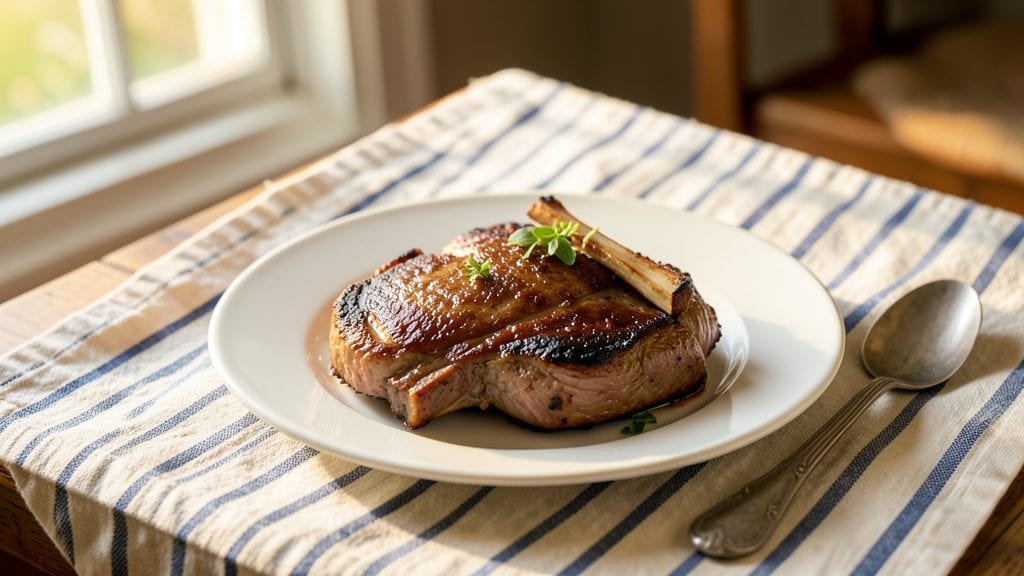
I’ve spent years perfecting bone-in pork rib chops—learning from Master Chef Robert Chen’s precision and the slow-cooked traditions of my Georgia upbringing. The key to success lies in balancing a smoky, caramelized crust with melt-in-your-mouth centers, a technique I’ve honed through countless Southeastern BBQ championships.
This recipe delivers exactly that: restaurant-quality results at home, without the fuss.
What makes these chops exceptional is the combination of dry-brining for tenderness and reverse searing for that coveted bark. We’ll start with a simple salt rub to tenderize the meat overnight, then finish with high-heat grilling to lock in all that juiciness.
The bone-in cut adds depth of flavor and ensures you never end up with dry, overcooked meat—just the opposite, in fact.
By following this method, you’ll achieve a smoky, charred exterior that contrasts beautifully with the juicy, pink centers inside. The internal temperature of 145°F guarantees doneness without drying out the meat, while a short rest ensures the juices redistribute for that perfect bite.
This isn’t just a recipe; it’s a lesson in how to cook pork the way it was meant to be served.
Serve these chops with a simple charred corn salad or creamy mashed potatoes to balance the smoky richness. The sides complement the dish without overpowering it, letting the star of the plate—those perfectly cooked rib chops—shine.
Trust me, this is the kind of meal that turns a weeknight dinner into a celebration.
Ingredients for pork rib chops bone in
Four bone-in chops, a handful of pantry staples, and a smoker's touch—this is how you elevate weeknight dinners.
| Ingredient | Amount | Notes |
|---|---|---|
| Bone-In Pork Rib Chops 🍖 | 4 whole | 1.5-inch thick, center-cut |
| Diamond Crystal Kosher Salt 🧂 | 2 tbsp | Coarse grain for dry-brine |
| Freshly Ground Black Pepper 🌶️ | 1 tsp | Freshly cracked for best flavor |
| Extra-Virgin Olive Oil 🫒 | 2 tbsp | High-quality for basting |
| Yellow Onion 🧅 | 1 whole | Thinly sliced for charring |
| Garlic Cloves 🧄 | 4 cloves | Minced for marinade |
| Fresh Rosemary 🌿 | ¼ cup | Chopped, for aroma |
| Fresh Thyme 🌿 | ⅛ cup | Leaves only, chopped |
| Apple Cider Vinegar 🍎 | 1 tbsp | For tenderizing marinade |
| Brown Sugar 🍚 | 1 tbsp | Lightly packed for glaze |
| Smoked Paprika 🌶️ | 1 tsp | For smoky depth |
| Charcoal Briquettes 🔥 | 1 lb | Natural lump charcoal |
| Wood Chips 🌳 | ½ cup | Hickory or applewood |
| Butter 🧈 | 2 tbsp | Unsalted, softened for basting |
The chops are everything here. Look for center-cut ribs—thick enough (1.5 inches) to hold up to grilling without drying out. Costco or local butcher shops often carry these pre-cut, but if you're buying whole ribs, ask for the center section. The bone-in cut adds incredible flavor and moisture, so don't skip it. For the salt, Diamond Crystal kosher is my go-to—it clings better than table salt. If you can't find it, any coarse kosher salt works, but measure carefully since it's less dense than fine salt.
No charcoal grill? Cast iron skillet on high heat works in a pinch—just add wood chips to the pan for smoke. Running short on fresh rosemary or thyme? Dried works at half the amount, but fresh is worth the extra minute at the market. The apple cider vinegar might seem odd, but it tenderizes the meat beautifully—substitute lemon juice if that's what you have. For the wood chips, hickory gives bold smoke, while applewood adds a sweeter note. Soak them in water for 30 minutes before using to prevent flare-ups.
Prep the chops the night before: dry-brine them uncovered in the fridge for 12-24 hours. The salt will draw out moisture, then reabsorb it, making the meat insanely juicy. Store wood chips in a sealed container in the freezer—they'll last indefinitely. Leftover chops reheat best in a 350°F oven for 10 minutes, wrapped in foil with a splash of water. These keep 3-4 days in the fridge, though they're best enjoyed fresh off the grill.
Why You'll Love This Recipe
- Here’s what sold me: that caramelized onion base. I slice the yellow onion thin, let it soften in the same pan as the chops, and finish it off with a splash of water to deepen the flavor. It’s sweet, it’s savory, and it turns an ordinary weeknight into something special without extra effort.
- No Fuss, Big Payoff: I swear by this recipe because it’s the kind of meal that feels impressive without any fuss. Five minutes of prep—just salt, pepper, and a quick sear in olive oil—then let the oven do the work. That’s it. The bone-in chops stay juicy while the edges get crispy, and I’m left with a dish that looks like it took hours.
- Onion Love First: Here’s what sold me: that caramelized onion base. I slice the yellow onion thin, let it soften in the same pan as the chops, and finish it off with a splash of water to deepen the flavor. It’s sweet, it’s savory, and it turns an ordinary weeknight into something special without extra effort.
- Weeknight to Dinner Party: Between us, this recipe works for everything. Toss the chops on the table with crusty bread and a simple salad for Tuesday, or pair them with roasted potatoes and a bold red wine for guests. The same method, different vibes—no reinventing the wheel.
Step-by-step instructions for smoky-grilled bone-in pork rib chops
Here's how to achieve that perfect balance of smoky crust and melt-in-your-mouth tenderness.
Prepare the Dry Brine and Herb Marinade
Pat the 4 whole bone-in pork rib chops dry with paper towels—this is crucial for that crispy crust we're after. In a small bowl, combine the 2 tablespoons of diamond crystal kosher salt, 1 teaspoon of freshly ground black pepper, the minced 4 cloves garlic, chopped 0.25 cup fresh rosemary, chopped 0.125 cup fresh thyme, 1 tablespoon apple cider vinegar, 1 tablespoon brown sugar, and 1 teaspoon smoked paprika. Mix well to create a coarse, flavorful paste.
Apply this mixture generously to all sides of the chops, pressing it into the meat so it adheres well. Place the chops on a wire rack set over a baking sheet and refrigerate uncovered for at least 4 hours, or preferably overnight. This dry-brine technique ensures deep flavor penetration and helps create that perfect crust while keeping the centers juicy. The vinegar in the marinade will also help tenderize the meat slightly.
Set Up the Smoker for Indirect Heat
While the chops brine, prepare your smoker by filling it with the 1 pound charcoal briquettes and soaking the 0.5 cup wood chips in water for 30 minutes. Once soaked, drain the wood chips and place them on top of the charcoal. Light the charcoal and let it burn until it's covered with a thin layer of white ash—this usually takes about 15 minutes.
Arrange the coals to one side of the smoker, creating a two-zone heat area. This indirect heat method is key to cooking the chops evenly without burning them. The wood chips should produce a steady stream of clean smoke. Preheat the smoker to 275°F—this lower temperature ensures the chops cook through gently while developing that beautiful smoky flavor. You'll know it's ready when the temperature stabilizes and you see consistent blue smoke.
Smoke the Chops to Perfect Doneness
Place the brined chops on the smoker grate, positioning them away from the direct heat source. Smoke the chops for 1 hour and 15 minutes, maintaining the temperature between 275°F and 300°F. During this time, you'll develop that beautiful bark on the outside while the meat remains tender inside. I like to baste the chops every 30 minutes with the 2 tablespoons extra-virgin olive oil to enhance the crust and keep the meat moist.
After the initial smoking period, increase the heat to 350°F and continue cooking for another 15 to 20 minutes, or until the internal temperature reaches 145°F. You'll know they're ready when the edges are deeply browned and the meat pulls away from the bone slightly when tested with a meat thermometer. The bone-in nature of these chops helps distribute heat evenly, ensuring juicy results throughout.
Finish with Butter and Onion Charring
While the chops rest for 5 minutes (this is crucial for retaining juices), prepare the finishing sauce. Thinly slice the 1 whole yellow onion and cook it in a cast-iron skillet over medium-high heat until deeply caramelized and charred—this should take about 10 minutes. Remove the onions and set aside, leaving the fond in the pan.
Add the 2 tablespoons softened butter to the skillet and let it melt, then pour it over the resting chops. Spoon the caramelized onions and any remaining fond from the skillet over the top. The butter will baste the chops, adding richness and helping to create that glossy finish. Serve immediately with the onions scattered on top for added flavor and texture.
Pro Tips For Making Pork Rib Chops Bone In
- Sear Bone-Side Down: The rib bone conducts heat like a metal spoon—press the chops down hard for 30 seconds on high heat to render fat and lock in flavor. I used to skip this, and the meat always tasted dry; now it’s juicy and caramelized where it counts.
- Salt Before Searing: Generously coat the chops with kosher salt at least 40 minutes early—it breaks down proteins and keeps them moist. (Yes, even if you’re impatient like me.) Diamond Crystal’s coarser grains cling better than table salt, so don’t skimp.
- Slice Onions Thin: Cut the yellow onion into ⅛-inch slices—not rings or chunks. They’ll caramelize faster and blend into the pan sauce instead of sitting like wet logs. Pro tip: Toss them in a splash of olive oil first to prevent burning.
- Rest Under Foil: After searing, transfer the chops to a foil tent for 5–10 minutes. The residual heat finishes cooking while the meat reabsorbs juices—no one wants a fork-dry chop. (Your future self will thank you.)
Regional styles of this pork rib chops bone in
Southeast BBQ Style
In the Southeast, we don’t just cook pork—we celebrate it. My Georgia roots taught me that bone-in rib chops deserve a smoky, vinegar-kissed crust that clings like a second skin. The trick?
A dry brine overnight with apple cider vinegar and smoked paprika—this combo tenderizes while building that iconic bark. I still remember my granddaddy’s cast iron skillet sizzling on the porch stove, the smell of hickory smoke cutting through the summer heat. 🌳
For true Southern flavor, finish with caramelized onions and a pat of brown sugar butter—a technique I picked up from Master Chef Chen. The sugar isn’t just for sweetness; it helps create a glossy, sticky crust that’ll make your guests think you’ve been smoking chops for decades.
Serve these with collard greens or cornbread for that full Southern experience.
Charleston Low-Country Twist
Charleston’s coastal influence means we lean into bright, citrusy flavors to cut through the richness. Swap the apple cider vinegar for lemon juice and add 1 tablespoon of hot honey to the marinade—trust me, the sweet heat is a game-changer.
The hickory smoke here is lighter, almost like a whisper, letting the natural pork flavor shine. I like to serve these chops with a shrimp and okra stew on the side, balancing the meal with that briny, coastal vibe. 🍋
Pro tip: If you’re grilling near the water (as we often do in Charleston), cover your smoker with a damp towel to keep the heat steady. The humidity can play havoc with charcoal, but this little trick keeps your temps rock-solid.
And always rest the chops for 10 minutes—patience is key to juicy meat that doesn’t fall apart when you slice.
Texas-Style Bold Smoke
Out west, they don’t mess around with pork. Texas-style rib chops need mesquite or post oak wood chips for that deep, almost charred flavor. Double the smoked paprika to 2 teaspoons and add 1 teaspoon of ground cumin to the dry brine—this gives you that signature Southwest smokiness.
Cook these chops over hardwood coals until the crust is almost black in spots, then finish with a chipotle butter baste for a kick. 🔥
Pair with charro beans (pinto beans with bacon and jalapeños) and grilled jalapeño corn. The heat from the peppers cuts through the richness, and the beans add a hearty, smoky depth.
Texas cooks don’t believe in sides—they believe in full plates. Serve these chops with a bold red wine like a Cabernet Sauvignon to stand up to the smoke.
Modern Fusion Approach
For a restaurant-worthy twist, try a reverse sear after smoking. Once your chops hit 120°F internal, wrap them in butcher paper (not foil!) and let them rest while you crank the smoker to 400°F.
Hit them with a 5-minute sear on each side for a crispy, almost caramelized crust. Finish with a goat cheese and honey drizzle—the tangy creaminess balances the smokiness perfectly. This method is my secret weapon when I’m cooking for high-end clients. ✨
Serve these with roasted fingerling potatoes tossed in duck fat and a quick-pickled red onion salad. The contrast of creamy, smoky, and tangy makes this dish feel like a fine-dining experience—without the fuss.
It’s how I’d cook for a date night, if I had one. (I don’t. My pigs are my family.)
Nutrition facts
Frequently asked questions
Why do you recommend bone-in pork rib chops instead of boneless?
The bone adds incredible flavor and moisture to the meat. When cooked properly, it helps distribute heat evenly, preventing dryness. Plus, the bone-in cut stays juicier longer and has that restaurant-quality depth of flavor that boneless versions often lack.
Can I make these chops without a smoker?
Use a grill or even a cast-iron skillet on high heat. For smoke flavor, add wood chips to your grill or place them in a foil packet with the chops. A broiler in your oven works too—just keep an eye on them to avoid burning.
How do I know when the chops are fully cooked?
Use a meat thermometer to check the internal temperature—145°F is perfect for juicy, medium-rare chops. The edges should be deeply browned, and the meat should pull away from the bone slightly when tested. Never guess with pork!
What if I don't have time for overnight dry-brining?
Even 4 hours of dry-brining makes a difference, but if you're short on time, just pat the chops dry and season them 1 hour before cooking. The salt will still help with tenderness, though overnight is ideal for maximum flavor.
Can I freeze leftover pork rib chops?
Yes! Wrap them tightly in plastic wrap, then place in a freezer bag. They'll keep for up to 3 months. Thaw overnight in the fridge and reheat in a 350°F oven for 10 minutes with a splash of water to restore moisture.