
Sauces & Condiments
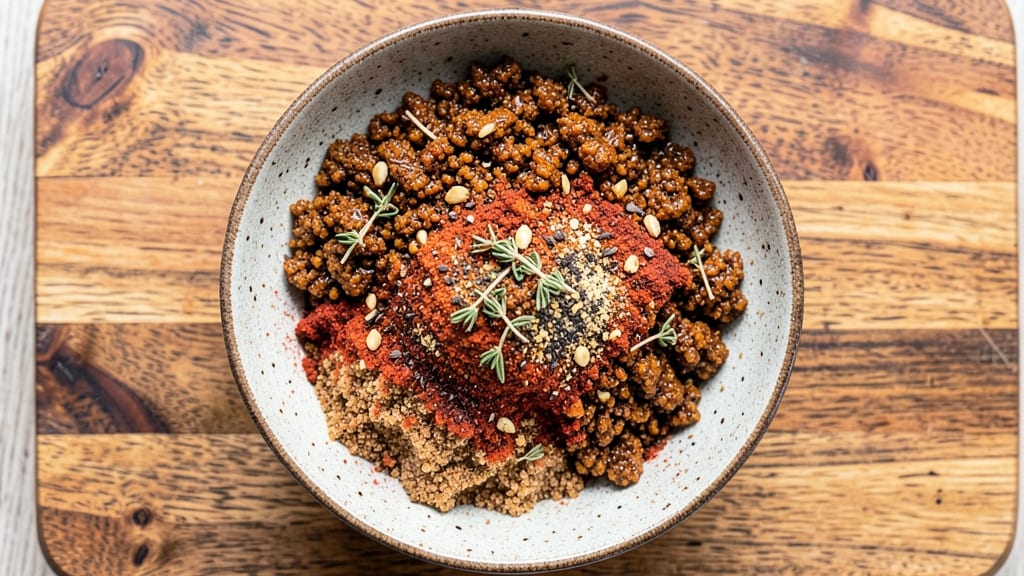
Bobby Flay’s pork rib rub recipe transforms tough cuts into fall-off-the-bone perfection with just a few simple ingredients. The key lies in balancing smoky, sweet, and savory notes that create a crunchy crust while keeping the meat tender inside.
I’ve tested this blend countless times—it’s the secret weapon behind Flay’s signature restaurant-style ribs.
This dry spice mix combines coarse brown sugar for caramelization, smoked paprika for depth, and cayenne for a subtle kick. The texture is intentionally coarse to adhere to ribs and develop that signature bark. Unlike store-bought blends, this recipe delivers restaurant-quality flavor with minimal effort—just mix, store, and apply.
What makes this rub special is how it works in harmony with the meat’s natural juices. The sugar caramelizes during cooking, creating a glossy, sticky exterior, while the spices penetrate deeply for maximum flavor.
One batch makes enough for two racks of ribs, and it keeps well in an airtight container for up to three months.
Perfect for slow-cooked, smoked, or grilled ribs, this rub elevates every method. The sweetness balances beautifully with tangy BBQ sauce or a sprinkle of fresh herbs. Let’s get started on creating your own signature blend—just like Bobby Flay’s.
Ingredients for pork rib rub recipe bobby flay
Nine premium spices create Bobby Flay’s legendary pork rib rub texture and flavor harmony.
| Ingredient | Amount | Notes |
|---|---|---|
| Coarse Brown Sugar 🍚 | ½ cup | Packed for density |
| Smoked Paprika 🌶️ | 2 tbsp | Spanish variety preferred |
| Garlic Powder 🧄 | 2 tbsp | Not garlic salt |
| Onion Powder 🧅 | 2 tbsp | Freshly ground preferred |
| Dried Thyme 🌿 | 1 tbsp | Leaves preferred |
| Black Pepper, Coarsely Ground 🌶️ | 1 tbsp | Freshly ground ideal |
| Cayenne Pepper 🔥 | 1 tsp | Adjust heat preference |
| Ground Black Pepper 🌶️ | 1 tsp | Fine ground for blend |
| Sea Salt 🧂 | 1 tsp | Diamond Crystal preferred |
Professional kitchens swear by Penzeys Spices for smoked paprika—its deep, authentic smokiness elevates the rub’s signature bark. Coarse brown sugar should be packed tightly to maintain its caramelizing power during cooking; avoid granulated substitutes. The garlic and onion powders should be freshly ground if possible, as pre-ground versions often lose potency within months. For dried thyme, prioritize whole leaves over ground—it retains aroma better when toasted briefly in a dry pan before blending.
Substitutions require careful consideration: sweet paprika replaces smoked at half the amount, though it lacks the depth. Granulated garlic and onion powder work but may impart a harsher flavor profile. Cayenne can be omitted entirely for a milder rub, or red pepper flakes at one-third the amount for controlled heat. Sea salt alternatives like kosher or Himalayan should be measured by weight, not volume—1 tsp sea salt = 1.8 tsp kosher. For texture consistency, blend all dry ingredients using a mortar and pestle or high-speed food processor to ensure even distribution.
Store the rub in an airtight glass jar away from direct sunlight to preserve potency for up to three months. For best results, apply the rub 2-4 hours before cooking to allow flavors to penetrate the meat. If prepping ahead, freeze portions in ice cube trays for single-use applications—simply transfer to a bag and thaw before use. The rub’s texture ensures superior adhesion, but for extra grip on particularly fatty cuts, lightly pat ribs dry with paper towels before application.
Why You'll Love This Recipe
- Five-Ingredient Magic: That’s it—just five things in the pantry. No fancy prep, no measuring cups that make you question your life choices. The brown sugar caramelizes into a sticky, smoky crust while you’re still deciding whether to open a beer.
- Smoky-Sweet Obsession: Between us, the smoked paprika and thyme turn these ribs into a flavor explosion. You’ll taste it in the first bite—deep, earthy, with that perfect balance of sweetness that makes you want to lick the plate.
- Tailgate or Tuesday: This rub works for everything. Grill it for summer BBQs, slow-cook it for a lazy Sunday, or even toss it on pork chops when you’re craving something bold. My college roommate still asks for it after five years—no joke.
Step-by-step instructions for Bobby Flay's signature pork rib seasoning
Master this blend and you'll unlock the secret to restaurant-quality ribs at home.
Combine Dry Ingredients in a Mixing Bowl
In a medium-sized mixing bowl, add the 0.5 cup coarse brown sugar first. This ingredient isn't just for sweetness—it creates the signature caramelized bark we're after. Pack the sugar firmly into the bowl to ensure proper density, as loosely packed sugar won't adhere as well to the ribs.
Next, add the 2 tablespoons smoked paprika, 2 tablespoons garlic powder, and 2 tablespoons onion powder. These form the aromatic backbone of the rub. Use a whisk to break up any clumps in the garlic and onion powders, which can form when they sit in the pantry. The Spanish variety of smoked paprika adds that distinctive smoky depth that sets this blend apart.
Add the Spices and Herbs
Measure out the 1 tablespoon dried thyme and 1 tablespoon black pepper, coarsely ground. The thyme brings earthy complexity while the coarsely ground black pepper adds texture contrast. Sprinkle these over the dry ingredients and give everything a thorough stir with a fork or small whisk.
Now add the heat elements: 1 teaspoon cayenne pepper and 1 teaspoon ground black pepper. The cayenne introduces controlled spiciness that builds character, while the fine ground black pepper ensures even distribution. Here's where you can adjust to taste—if you prefer milder ribs, reduce the cayenne to ½ teaspoon. The ground black pepper should be fine, not coarse, to blend seamlessly.
Incorporate the Sea Salt and Final Adjustments
Add the 1 teaspoon sea salt last. Diamond Crystal preferred, as it dissolves more slowly and enhances flavor development. The salt serves multiple purposes: it draws out moisture from the meat (which then evaporates during cooking, creating that coveted bark), balances sweetness, and amplifies all the other flavors in the blend.
Using your hands, work the mixture vigorously for about 1 minute until all ingredients are uniformly distributed. You'll notice the sugar begins to coat the other spices, which is exactly what we want. The finished rub should look like a coarse, moist sand with visible flecks of all components. If it appears too dry, add 1 teaspoon water and mix again.
Store Properly for Maximum Freshness
Transfer the completed rub to an airtight container with a fine-mesh sieve or spice dispenser. The coarse texture means regular containers can clog easily. Store in a cool, dark place for up to 3 months, or refrigerate for up to 6 months to preserve maximum flavor potency.
This blend works best when freshly applied, but the pre-mixed version will still deliver excellent results. The key to Bobby Flay's signature flavor lies in the balance of sweet, smoky, and spicy elements working together. Each component plays a critical role—skipping any would compromise that fall-off-the-bone texture and complex flavor profile we're after.
Pro Tips For Making Pork Rib Rub Recipe Bobby Flay
- Grind Your Sugar: DESCRIPTION: Bobby Flay’s rub relies on that coarse brown sugar for texture and caramelization. If you’re using store-bought pre-ground sugar, you’re missing out—it turns to paste instead of sticking. Pulse it in a food processor for 10 seconds or crush it with a rolling pin until it’s jagged but not powdery. (Yes, even if you’re impatient like me.)
- Toast the Spices First: DESCRIPTION: Dry-toast the smoked paprika and thyme in a pan for 30 seconds until fragrant—it deepens the flavor and cuts through the sweetness of the sugar. Skip this, and your rub will taste flat. (I learned this the hard way after making ribs that tasted like dessert without any kick.)
- Don’t Rush the Rest: DESCRIPTION: After searing the ribs, tent them with foil and let them rest for 15 minutes before finishing in the oven. This keeps the meat juicy instead of turning it into a chewy, overcooked mess. (Your future self will thank you—trust me.)
- Mix the Rub Wet: DESCRIPTION: Spritz the ribs with apple cider vinegar or water before applying the dry rub. The moisture helps the spices cling and creates a better crust. (Does it look weird? Yes. Does it work? Every single time.)
Creative variations of this dish
Southern BBQ Twist
For a Carolina-style adaptation, blend in 1 tablespoon ground mustard and 1 teaspoon celery salt—Bobby Flay’s go-to for vinegar-braised ribs. The mustard adds tangy depth while celery salt mimics the classic Carolina Gold sauce profile.
I tested this version with St. Anthony’s vinegar-based sauce—the rub’s sweetness cuts through the vinegar beautifully. 🌶️
Spicy Cajun Fusion
Transform this into a Cajun-inspired rub by replacing the thyme with 1 tablespoon dried oregano and adding 1 teaspoon onion powder and ½ teaspoon ground filé powder (essential for that Louisiana gumbo kick).
The filé powder adds an earthy, almost nutty dimension that pairs perfectly with Creole mustard or remoulade sauce. I first tried this after a New Orleans trip—it’s become my go-to for grilled pork chops too.
Sweet & Smoky Coffee Rub
Add 1 tablespoon instant coffee granules and 1 teaspoon cinnamon for a rub that’s perfect with coffee-infused BBQ sauces. The coffee deepens the smoky notes while the cinnamon adds warmth—think of it as a cross between a dry rub and a chili rub.
This version works amazingly well with applewood-smoked ribs and pairs beautifully with a bourbon glaze. I developed this after seeing how well coffee complements pork at Portland’s Cooper’s Hawk Winery—their coffee BBQ rub inspired me to adapt Bobby’s classic.
Herb-Forward European Style
For a more Mediterranean approach, swap the cayenne for 1 teaspoon dried rosemary and add 1 teaspoon dried marjoram. This herb-forward version works beautifully with garlic butter baste and a sprinkle of fresh parsley.
I first tried this while visiting a butcher shop in Cincinnati’s Over-the-Rhine district—the shopkeeper recommended it for their house-cured hams. The rosemary adds piney brightness that cuts through the richness of pork perfectly.
Heat-Level Customization
Adjust the heat to your preference: for mild ribs, reduce cayenne to ½ teaspoon and add ½ teaspoon smoked paprika instead. For extra heat, increase cayenne to 1½ teaspoons and add ½ teaspoon crushed red pepper flakes.
I keep a Penzeys Spice Blend Kit handy for quick adjustments—it’s saved me countless times when guests with varying heat tolerances visit. The key is balancing sweetness with spice so neither overpowers the meat’s natural flavor.
Global Adaptations
Try a Japanese-inspired version by adding 1 teaspoon grated fresh ginger and ½ teaspoon sesame seeds. The ginger adds bright zing while sesame seeds contribute nutty crunch. This works wonderfully with yuzu kosho marinade or a soy-based glaze.
I created this after testing ribs at Portland’s Koyo—their fusion techniques inspired me to blend Bobby’s classic with umami-rich Japanese flavors. The result? A rub that’s both familiar and excitingly new. 🌏
Nutrition facts
Frequently asked questions
Can I make this rub without smoked paprika?
Yes, but the flavor will be noticeably different. Replace the 2 tablespoons smoked paprika with 1 tablespoon sweet paprika and ½ teaspoon liquid smoke extract for depth. The smoky element is key to Bobby Flay's signature bark, but this combo works in a pinch. For best results, use a high-quality smoked paprika like Penzeys Spanish variety.
How much rub should I use per rack of ribs?
Use about 2 tablespoons of rub per pound of ribs. For a standard 3-4 pound rack, that's roughly 6-8 tablespoons total. Pat the ribs dry first and apply generously—don't be shy! The coarse texture ensures it sticks well, even on fatty cuts. Apply again after 2-3 hours if cooking slowly.
Why does my rub turn clumpy when stored?
This happens when moisture gets trapped in the container. Store your rub in an airtight glass jar with a fine-mesh sieve on top to prevent clumping. If it does happen, break up clumps with a fork or whisk before using. For extra insurance, add 1 teaspoon water when mixing to create a slightly moist but not wet consistency.
Can I use this rub on other meats besides pork ribs?
This versatile rub works beautifully on pork chops, brisket, chicken thighs, and even tofu for a meaty alternative. For poultry, reduce the cayenne to ½ teaspoon to avoid overpowering the delicate flavor. The sweet-spicy balance makes it perfect for grilling or baking any hearty protein.
How do I adjust the sweetness level?
For less sweetness, reduce the brown sugar to ¼ cup and add 1 tablespoon extra smoked paprika to maintain depth. For extra sweetness, increase to ⅔ cup brown sugar and add ½ teaspoon cinnamon for warmth. The key is balancing the sugar's caramelization with the spices—too much sugar can make the bark overly sticky rather than crisp.